Losing weight can be a challenging task for anyone, but when you have Polycystic Ovary Syndrome (PCOS), it can feel like an uphill battle. PCOS affects millions of women worldwide, making weight loss even more difficult due to hormonal imbalances. However, fret not because in this article, you will discover simple and effective strategies that can help you shed those extra pounds while managing your PCOS symptoms. Get ready to embark on a weight loss journey tailored specifically for women with PCOS, and say hello to a healthier, happier you.
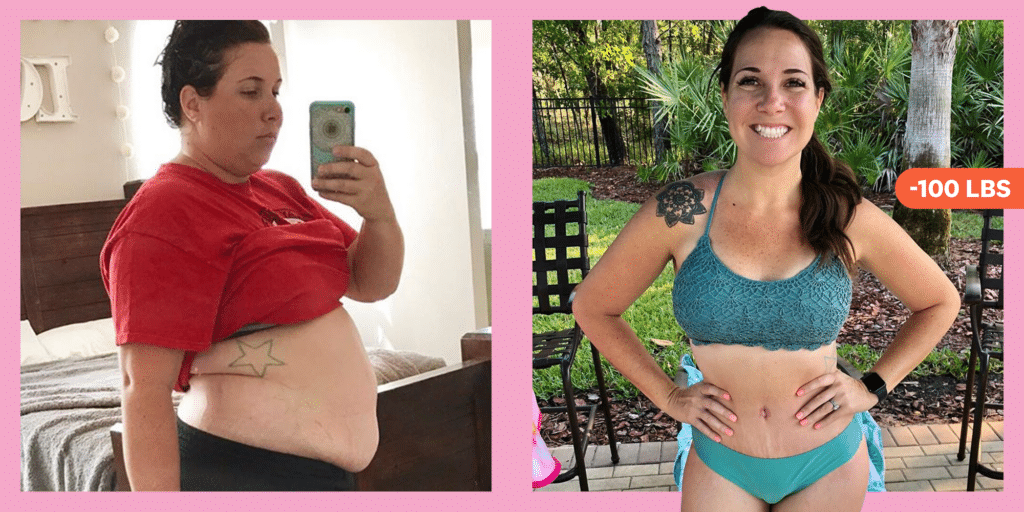
Understanding PCOS and Weight Gain
What is PCOS?
PCOS, or Polycystic Ovary Syndrome, is a hormonal disorder that affects millions of women worldwide. It is characterized by imbalances in reproductive hormones, leading to various symptoms such as irregular periods, ovarian cysts, and, in some cases, weight gain. PCOS affects women during their reproductive years and can have a significant impact on their overall health and well-being.
How PCOS affects weight
One of the most frustrating aspects of PCOS for many women is the association with weight gain or difficulty in losing weight. The hormonal imbalances in PCOS can lead to increased insulin levels, insulin resistance, and an elevated production of male hormones called androgens. These factors disrupt the normal metabolic processes in the body, leading to weight gain, especially in the abdominal region. Additionally, PCOS can cause an increase in appetite and cravings for sugary and processed foods, further contributing to weight gain.
The role of insulin resistance
Insulin is a hormone produced by the pancreas that helps regulate blood sugar levels. In PCOS, the body becomes less sensitive to the effects of insulin, leading to a condition known as insulin resistance. This means that your body needs to produce higher levels of insulin to keep blood sugar levels in check. Unfortunately, higher insulin levels can stimulate the production of androgens and cause the body to store more fat. This vicious cycle can make weight loss particularly challenging for those with PCOS.
Creating a Healthy Eating Plan
Balancing macronutrients
A healthy eating plan for PCOS should focus on balancing macronutrients, which are proteins, carbohydrates, and fats. Including a variety of foods from each category can help provide the necessary nutrients while maintaining stable blood sugar levels. Aim to include lean proteins like chicken, fish, and tofu, complex carbohydrates such as whole grains and legumes, and healthy fats like avocados, nuts, and olive oil.
Choosing low glycemic index foods
Foods with a low glycemic index (GI) are ideal for managing PCOS-related weight gain. The GI is a measure of how quickly a food raises blood sugar levels. Foods with a high GI, such as white bread and sugary snacks, can cause blood sugar spikes and promote weight gain. On the other hand, low GI foods like fruits, vegetables, and whole grains are digested more slowly, leading to a more gradual rise in blood sugar levels. Opting for low GI foods can help stabilize insulin levels and support weight management.
Including lean proteins
Protein is an essential nutrient for those with PCOS, as it helps regulate blood sugar levels and promotes a feeling of fullness. Including lean proteins in meals and snacks can help control cravings and reduce the intake of processed and sugary foods. Good sources of lean protein include chicken, turkey, fish, eggs, tofu, and legumes. Aim to incorporate these protein-rich foods into your daily meals to support weight loss efforts.
Incorporating fiber-rich foods
Fiber is another key component of a healthy diet for PCOS and weight management. High-fiber foods not only promote healthy digestion but also help control appetite and maintain stable blood sugar levels. Including fiber-rich foods like fruits, vegetables, whole grains, and legumes in your meals can improve satiety and reduce overeating. Furthermore, fiber can help regulate hormonal balance, making it an essential nutrient in managing PCOS symptoms.
Limiting processed and sugary foods
Processed and sugary foods should be minimized or eliminated from your diet when trying to lose weight with PCOS. These foods are typically high in calories, unhealthy fats, and added sugars, which can lead to weight gain and exacerbate insulin resistance. Instead, opt for whole, unprocessed foods like fruits, vegetables, lean proteins, whole grains, and healthy fats. These nutrient-dense choices will provide you with energy and support your weight loss journey.
Watching portion sizes
In addition to choosing healthy foods, it’s essential to be mindful of portion sizes when trying to lose weight with PCOS. Even healthy foods can contribute to weight gain if consumed in excessive amounts. Using measuring cups, food scales, or visual portion guides can help you better understand appropriate portion sizes. Listening to your body’s hunger and fullness cues and practicing mindful eating can also be beneficial in maintaining portion control.
Effective Exercise Strategies
Cardiovascular exercises
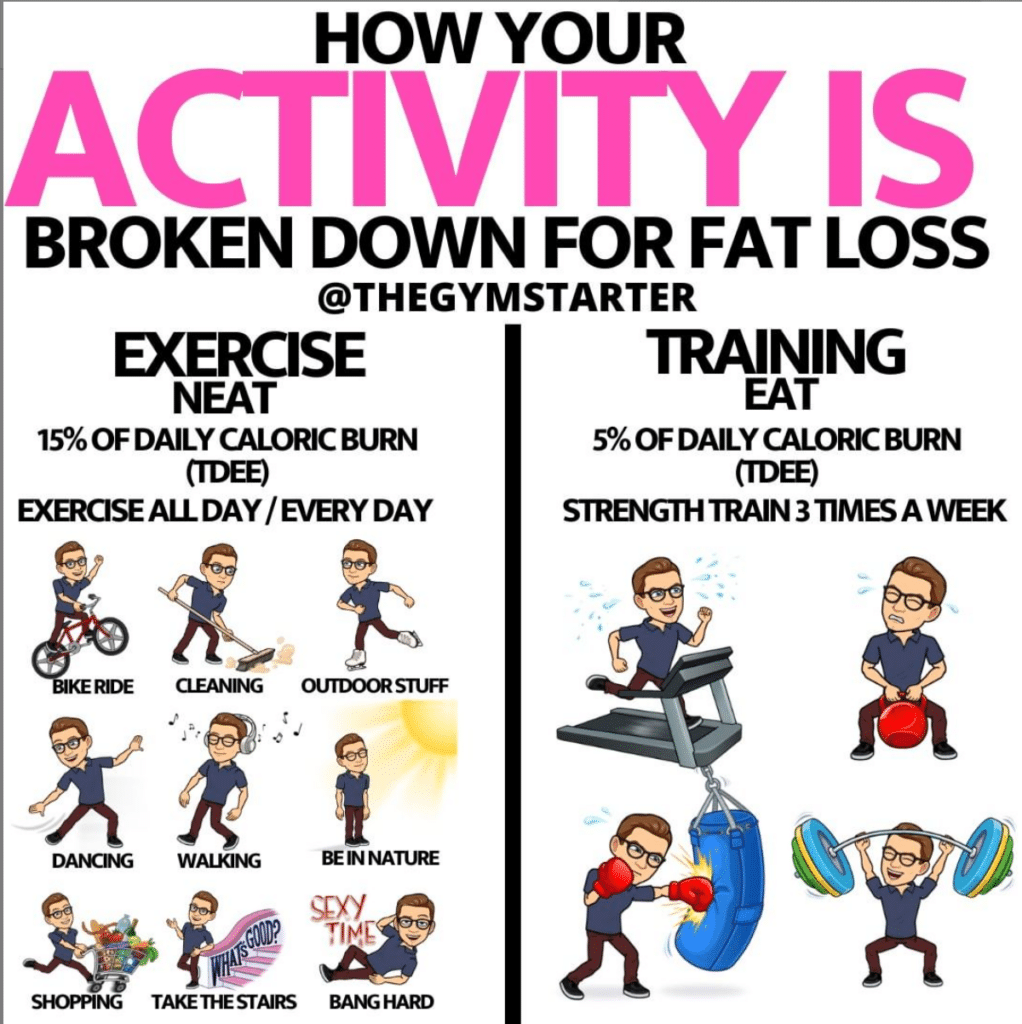
Engaging in regular cardiovascular exercises is crucial for weight loss and overall health for individuals with PCOS. Cardio exercises, such as running, cycling, swimming, or dancing, help burn calories and promote fat loss. Aim for at least 150 minutes of moderate-intensity cardio exercise or 75 minutes of vigorous-intensity exercise per week. Spread out your sessions throughout the week and choose activities that you enjoy to make it more sustainable.
Strength training
Incorporating strength training into your exercise routine is essential for building lean muscle mass, which can aid in weight loss. Strength training exercises, such as weightlifting or bodyweight exercises, help increase muscle strength and boost metabolism. This, in turn, leads to a higher calorie burn even at rest. Aim for two to three strength training sessions per week, focusing on all major muscle groups. If you’re new to strength training, consider working with a certified personal trainer to ensure proper form and technique.
Interval training
Interval training involves alternating between high-intensity exercise and short periods of rest or low-intensity exercise. This type of workout can be highly effective for weight loss, as it boosts metabolism and burns calories both during and after the workout. Incorporate interval training sessions into your exercise routine by adding bursts of high-intensity exercises, such as sprinting or jumping jacks, followed by short recovery periods. Gradually increase the duration and intensity of your intervals as your fitness level improves.
Incorporating HIIT workouts
High-Intensity Interval Training (HIIT) workouts have gained popularity in recent years due to their effectiveness in burning calories and promoting weight loss. HIIT workouts typically involve short bursts of intense exercise followed by short recovery periods. These workouts can be done in a short amount of time and provide an excellent option for those with a busy schedule. You can find numerous HIIT workout routines online or consider joining a HIIT class at your local gym.
Managing Stress Levels
Understanding the link between stress and weight gain
Stress and weight gain often go hand in hand, and this is particularly true for individuals with PCOS. Chronic stress can lead to hormonal imbalances, including increased cortisol levels, which can promote weight gain, especially in the abdominal area. The stress hormone cortisol can also stimulate appetite and cravings for unhealthy foods, making it more challenging to stick to a healthy eating plan. Managing stress levels is crucial for successful weight loss and overall well-being.
Incorporating stress management techniques
Incorporating stress management techniques into your daily routine can help mitigate the impact of stress on weight gain. This can include activities such as deep breathing exercises, yoga, tai chi, or engaging in hobbies you enjoy. Find what works best for you and make it a priority to release stress regularly. Taking breaks, practicing self-care, and setting boundaries in your personal and professional life are also essential for managing stress levels.
Practicing mindfulness and meditation
Mindfulness and meditation are effective tools for reducing stress and improving overall mental well-being. These practices involve focusing your attention on the present moment, observing your thoughts and feelings without judgment. By incorporating mindfulness and meditation into your daily routine, you can develop a more positive relationship with food and your body. This can aid in making healthier food choices and reducing emotional eating, ultimately supporting weight loss efforts.
Engaging in hobbies and activities that bring joy
Engaging in hobbies and activities that bring you joy is not only beneficial for your mental health but also for managing stress and maintaining a healthy weight. Find activities or exercises that you genuinely enjoy and make time for them regularly. This could be anything from dancing and painting to hiking and gardening. By including activities that bring you pleasure in your daily life, you can reduce stress levels and increase overall happiness, leading to a more balanced approach to weight loss.
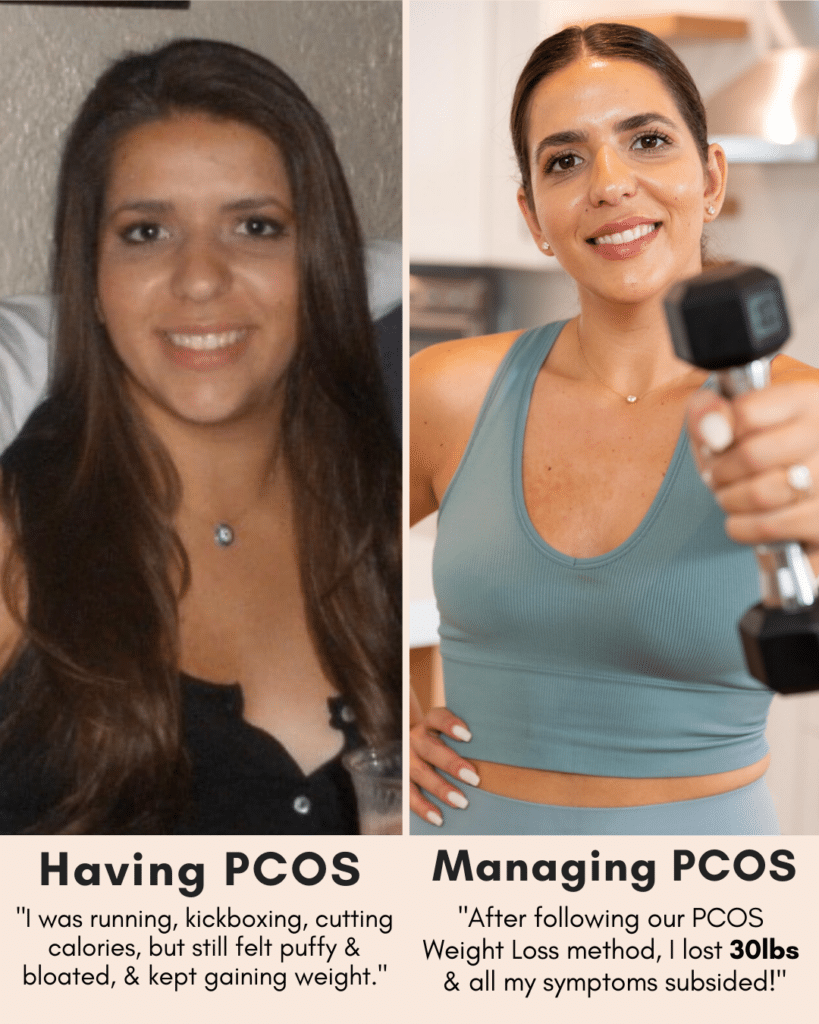
Getting Enough Sleep
Understanding the importance of sleep for weight management
Adequate sleep is crucial for weight management and overall health, especially for individuals with PCOS. Lack of sleep can disrupt the hormones that regulate hunger and fullness, leading to increased appetite and cravings for unhealthy foods. Sleep deprivation also affects insulin sensitivity, making it more challenging to regulate blood sugar levels and manage weight. Aim for seven to nine hours of quality sleep each night to support your weight loss goals.
Establishing a regular sleep routine
Establishing a regular sleep routine can help improve the quantity and quality of your sleep. Try to go to bed and wake up at the same time each day, even on weekends. This helps regulate your body’s internal clock and promotes better sleep. Create a relaxing bedtime routine by avoiding stimulating activities or electronic devices before bed. Instead, engage in calming activities like reading a book, taking a warm bath, or practicing relaxation techniques.
Creating a comfortable sleep environment
Creating a comfortable sleep environment is essential for getting a good night’s sleep. Keep your bedroom cool, dark, and quiet to promote optimal sleep conditions. Invest in a comfortable mattress, pillows, and bedding that support your sleeping posture. If outside noise is an issue, consider using earplugs or a white noise machine. By optimizing your sleep environment, you can enhance the quality of your sleep and support your weight loss efforts.
Avoiding stimulants before bedtime
Stimulants like caffeine, nicotine, and alcohol can interfere with your sleep patterns and make it harder to fall asleep or stay asleep throughout the night. Try to avoid consuming these substances in the hours leading up to bedtime. Instead, opt for herbal teas or decaffeinated beverages to promote relaxation. Additionally, be mindful of your overall caffeine intake throughout the day, as excessive consumption can affect sleep quality even if consumed earlier in the day.
Supporting Hormonal Balance
Consulting with a healthcare professional
When it comes to managing PCOS and weight loss, it’s important to consult with a healthcare professional, such as a gynecologist or endocrinologist, who specializes in reproductive health and hormone balance. They can provide personalized guidance and suggest appropriate medical interventions or treatments tailored to your specific needs. A healthcare professional can also help monitor your progress and make any necessary adjustments to your treatment plan.
Considering hormonal therapy
Hormonal therapy may be an option for individuals with PCOS who are struggling with weight loss. Birth control pills, for example, can help regulate menstrual cycles, reduce androgen production, and manage other PCOS symptoms. However, hormonal therapy options should be discussed with a healthcare professional to determine the best approach for your individual situation. They can assess your hormone levels and help you decide if hormonal therapy is the right choice to support your weight loss goals.
Natural remedies and supplements
In addition to medical interventions, some individuals with PCOS may find natural remedies and supplements helpful in supporting hormonal balance and weight loss. Some commonly used natural remedies for PCOS include cinnamon, spearmint tea, and omega-3 fatty acids. These remedies are thought to help regulate insulin levels, reduce androgen production, and support overall hormone balance. However, it’s important to discuss any supplements or natural remedies with a healthcare professional to ensure they are safe and suitable for your specific situation.
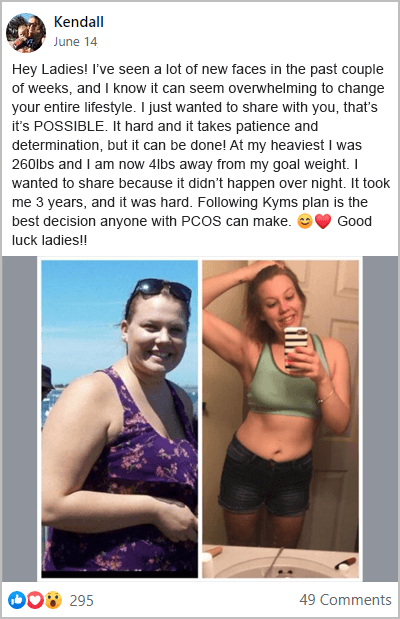
Building a Support System
Joining support groups
Building a support system is crucial when embarking on a weight loss journey with PCOS. Joining support groups, either in person or online, can provide a safe space to share experiences, gain advice, and find encouragement from others who are going through similar challenges. These groups can offer motivation, accountability, and practical tips for managing PCOS-related weight gain and adopting a healthier lifestyle. Connecting with individuals who understand your journey can make a significant difference in staying motivated and achieving long-term success.
Seeking guidance from a registered dietitian or nutritionist
Working with a registered dietitian or nutritionist who specializes in PCOS and weight management can be immensely valuable. These professionals can help design a personalized eating plan, provide guidance on portion control and meal preparation, and offer ongoing support and accountability. A registered dietitian or nutritionist can also help address any nutritional deficiencies that may be impacting your weight loss efforts and suggest suitable dietary modifications to optimize hormonal balance.
Involving family and friends in your weight loss journey
Involving your family and friends in your weight loss journey can provide the support and encouragement you need to stay motivated. Share your goals and challenges with your loved ones and ask for their understanding and support. You can also invite them to participate in activities such as meal planning or joining you on walks or exercise sessions. Having the support of those closest to you can make a significant difference in reaching and maintaining your weight loss goals.
Tracking Progress and Adjustments
Setting realistic weight loss goals
Setting realistic weight loss goals is essential for long-term success and motivation. Focus on making gradual and sustainable changes rather than expecting rapid results. Aim to lose between 0.5 to 1 pound per week, as this is considered a healthy and achievable rate of weight loss. Celebrate the progress you make along the way, even if it’s small. By setting realistic and achievable goals, you can maintain a positive mindset and stay motivated throughout your weight loss journey.
Recording food intake and physical activities
Keeping track of your food intake and physical activities can help you identify patterns and make necessary adjustments to support your weight loss efforts. Use a journal, an app, or a website to record what you eat, the portion sizes, and your daily physical activities. This can help you become more aware of your eating habits, identify areas for improvement, and ensure you are meeting your nutritional needs. Regularly reviewing your food journal can also help you stay accountable and motivated.
Monitoring hormonal changes
Tracking and monitoring your hormonal changes can help you understand how your body responds to different lifestyle changes and interventions. This can include tracking your menstrual cycles, noting any changes in PCOS symptoms, and discussing your progress with a healthcare professional. By understanding how your hormones fluctuate throughout your weight loss journey, you can make informed decisions about your diet, exercise routine, and potential medical interventions.
Making necessary adjustments to the plan
As you progress in your weight loss journey, it’s natural to make adjustments to your plan to ensure continued progress and avoid weight loss plateaus. This can include modifying your exercise routine, reassessing portion sizes, or adjusting your macronutrient balance. Regularly reassess your goals and consult with a healthcare professional or registered dietitian to ensure your plan is still aligned with your needs and objectives. Be open to making necessary adjustments and remain flexible in your approach.
Maintaining Long-Term Weight Loss
Building sustainable habits
Maintaining long-term weight loss with PCOS is all about building sustainable habits that you can continue for a lifetime. Focus on making gradual, realistic changes to your eating and exercise habits rather than relying on quick fixes or fad diets. Aim for a balanced approach to weight loss that includes a variety of foods, regular physical activity, and stress management techniques. By developing sustainable habits, you can not only achieve your weight loss goals but also maintain a healthy weight in the long run.
Finding balance in diet and exercise
Finding balance in your diet and exercise routine is essential for sustainable weight loss and overall well-being. Embrace the concept of moderation and allow yourself to enjoy your favorite treats in moderation. Avoid labeling foods as “good” or “bad” and strive for a balanced and varied diet that includes nutrient-dense foods most of the time. Similarly, find physical activities that you genuinely enjoy and mix up your workouts to keep things interesting. Remember that consistency and balance are key.
Seeking ongoing support and guidance
Weight loss with PCOS can be challenging, so it’s crucial to seek ongoing support and guidance to stay motivated and accountable. This can involve continuing to attend support groups, checking in with a healthcare professional or registered dietitian, or seeking the guidance of a fitness professional such as a personal trainer. Regularly connecting with individuals who can provide guidance, answer questions, and offer encouragement can be instrumental in maintaining long-term weight loss and overall wellness.
Celebrating achievements
Don’t forget to celebrate your achievements along the way! Losing weight with PCOS is no easy feat, so take the time to acknowledge your progress, both big and small. Treat yourself to a non-food reward such as a relaxing massage, a new workout outfit, or a day off to pamper yourself. Celebrating your achievements boosts motivation and reinforces the positive changes you’re making in your life.
Conclusion
Losing weight with PCOS requires a multifaceted approach that addresses the underlying hormonal imbalances while incorporating healthy eating, regular exercise, stress management, quality sleep, and ongoing support. Understanding the impact of PCOS on weight gain and adopting strategies to manage insulin resistance and hormone balance are crucial steps in achieving successful weight loss. By implementing healthy eating habits, engaging in effective exercise strategies, managing stress levels, prioritizing sleep, supporting hormonal balance, building a strong support system, tracking progress, and maintaining long-term habits, you can empower yourself to manage your weight effectively and improve your overall well-being. Remember, it’s a journey, and every step counts towards a healthier and happier you.