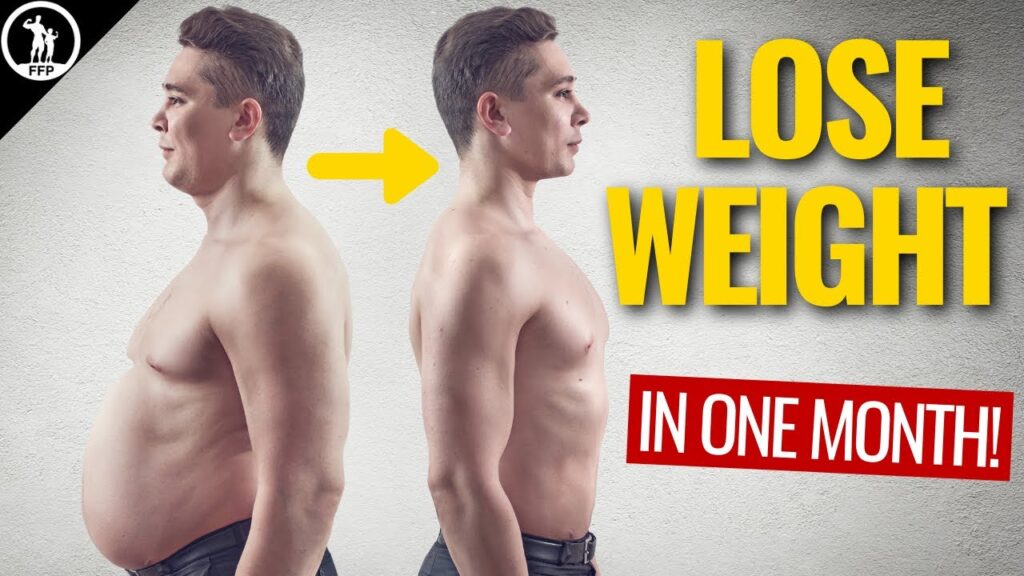
How To Lose Weight In A Month? Is it possible? A tricky question.
Imagine achieving your weight loss goals and becoming the healthier, happier version of yourself in just one month. With our comprehensive guide, you’ll discover practical and sustainable strategies to shed those extra pounds and transform your body.
From creating a personalized workout routine to adopting healthier eating habits, this article will provide practical tips and expert advice to help you on your weight loss journey.
Say goodbye to crash diets and hello to a healthier lifestyle as we show you how to lose weight in a month.
Setting Realistic Goals
Assess Your Current Weight and Health
Before embarking on your weight loss journey, assessing your current weight and overall health is essential.
This will help you determine how much weight you need to lose and whether you have any underlying health conditions that may affect your weight loss plans. Please weigh yourself and gather information about your body mass index (BMI) and health concerns.
Consult with a Healthcare Professional
Consulting with a healthcare professional is highly recommended to ensure your weight loss journey is safe and effective.
They can provide personalized advice based on your specific needs and help you create a plan that aligns with your goals and health requirements. A healthcare professional can also offer guidance on any necessary dietary modifications or exercise limitations you should be aware of.
Set a Target Weight Loss
A clear target weight loss goal can help motivate and guide you throughout your journey. Setting a realistic goal that considers your current weight, health, and lifestyle is essential.
A safe and sustainable weight loss rate is generally considered 1-2 pounds per week. Setting smaller, achievable goals will make you more likely to stay motivated and focused on your weight loss journey.
Break Down the Goal into Weekly Targets
To make your weight loss goal more manageable and attainable, it can be helpful to break it down into weekly targets. This allows you to focus on small milestones each week, which can be highly motivating.
Setting achievable weekly targets will enable you to monitor your progress more effectively and adjust your approach if necessary. Weight loss is a journey; every small step counts towards your ultimate goal.
Creating a Calorie Deficit
Understanding Calorie Deficit
The concept of a calorie deficit is crucial in achieving weight loss. It means consuming fewer calories than your body needs to maintain weight.
When your body is in a calorie deficit, it starts using stored fat for energy, resulting in weight loss. Understanding and implementing a calorie deficit can help you shed those extra pounds effectively.
Calculate Your Daily Caloric Needs
You need to know your daily caloric needs to create a calorie deficit. Numerous online tools and calculators can help you determine this based on your age, gender, weight, height, and activity level. Once you have this information, you can calculate the appropriate calorie deficit for effective weight loss.
Reduce Caloric Intake
Once you have identified your daily caloric needs, you can reduce your caloric intake to create a deficit. This can be achieved by making smart food choices and choosing lower-calorie options.
Incorporate more fruits, vegetables, and lean proteins into your diet while limiting foods high in added sugars and unhealthy fats. Also, be mindful of portion sizes and avoid mindless snacking.
Monitor Portion Sizes
Portion control plays a crucial role in maintaining a calorie deficit. It is easy to overeat when faced with large portions, leading to excess calorie intake. Smaller plates and bowls can trick your mind into feeling satisfied with smaller portions.
Also, could you measure your food to accurately track your caloric intake and ensure you stay within your target range?
Choose Nutrient-dense Foods
When reducing your caloric intake, focusing on choosing nutrient-dense foods is essential. These foods provide an array of important vitamins, minerals, and other beneficial compounds while being relatively low in calories.
Incorporate plenty of fruits, vegetables, whole grains, and lean proteins into your diet to ensure adequate nutrition while still creating a calorie deficit.
Avoid Liquid Calories
Liquid calories, such as those in sugary beverages, can quickly add up and hinder weight loss. Opt for water, unsweetened tea, or black coffee instead of sugary sodas, juices, or energy drinks.
This will help you maintain a calorie deficit, keep you hydrated, and support your overall health.

Designing a Balanced Diet Plan
Include All Major Food Groups
Including all major food groups when designing a balanced diet plan is crucial. Each food group offers unique nutrients that are essential for maintaining good health.
Add fruits, vegetables, lean proteins, whole grains, and healthy fats to your meals. You can ensure you meet your nutritional needs by including various foods while promoting weight loss.
Emphasize Fruits and Vegetables
Fruits and vegetables should be the foundation of your balanced diet plan. They are low in calories and packed with vitamins, minerals, and fiber.
These nutrient-dense foods help keep you full and satisfied while supporting your overall health. Aim to include a variety of colorful fruits and vegetables, both cooked and raw, in your meals and snacks.
Incorporate Lean Protein Sources
Protein plays a crucial role in weight loss, helping to preserve lean muscle mass and boost metabolism. Incorporate lean protein sources such as chicken, turkey, fish, tofu, legumes, and low-fat dairy products into your meals. These proteins support weight loss and provide essential amino acids for muscle repair and growth.
Choose Whole Grains
Whole grains are an essential source of fiber, vitamins, and minerals. They can help you feel complete for extended periods, reducing the likelihood of overeating.
Instead of refined grains, opt for whole-grain bread, brown rice, quinoa, oats, and whole-wheat pasta. Whole grains provide sustained energy and contribute to a more balanced diet.
Limit Added Sugars and Processed Foods
Added sugars and processed foods are often high in calories and offer little nutritional value. Limiting these types of foods can significantly contribute to weight loss.
Please be aware of hidden sugars in packaged products and opt for whole, unprocessed foods whenever possible. Reducing your added sugars and processed foods intake can create a calorie deficit and improve your overall health.
Hydration is Key
Staying hydrated is essential for overall health and can support weight loss. Often, thirst can be mistaken for hunger, leading to unnecessary snacking.
Aim to drink plenty of water throughout the day, as it has zero calories and helps satisfy you. Carry a water bottle to ensure you stay hydrated and avoid sugary beverages.
Creating a Workout Routine
Aim for at Least 150 Minutes of Moderate-Intensity Cardiovascular Exercise
Regular cardiovascular exercise is essential for weight loss and maintaining good overall health. Aim for a minimum of 150 minutes of moderate-intensity cardiovascular exercise each week.
This can include brisk walking, jogging, cycling, swimming, or dancing. Cardiovascular exercise helps burn calories, increase endurance, and improve cardiovascular health.
Include Strength Training Exercises
Incorporating strength training exercises into your workout routine is crucial for weight loss. Building lean muscle mass burns calories and helps improve your metabolism. Include weight lifting, bodyweight exercises, or resistance band workouts. Aim to strength train at least two to three times per week, focusing on different muscle groups each session.
Engage in High-Intensity Interval Training (HIIT)
High-Intensity Interval Training (HIIT) is a highly effective method for burning calories and boosting metabolism. This exercise involves short bursts of intense activity followed by brief rest periods.
Incorporate HIIT workouts into your routine, such as sprint intervals, circuit training, or Tabata-style workouts. HIIT not only saves time but also continues to burn calories even after the workout is over.
Incorporate Regular Physical Activity into Your Daily Routine
In addition to dedicated workout sessions, incorporate regular physical activity into your daily routine. Look for opportunities to be active throughout the day, such as taking the stairs instead of the elevator, parking farther away from your destination, or going for short walks during your lunch break. These small increments of physical activity help create a calorie deficit.
Find Activities You Enjoy
Finding activities you enjoy to stay motivated and consistent with your exercise routine would be best. Maintaining a long-term commitment will be challenging if you dread your workouts.
Experiment with different exercises and see what brings you joy, whether dancing, hiking, swimming, or yoga. Remember, exercise should not be a punishment but a rewarding and enjoyable part of your day.
Managing Portion Sizes
When it comes to weight loss, managing portion sizes is critical. It can be easy to overeat or underestimate how much you are consuming, which can hinder your progress. By implementing the following strategies, you can take control of your portion sizes and support your weight loss journey.
Use Smaller Plates and Bowls
The size of your plates and bowls can influence your food consumption. Use smaller plates and bowls to create the illusion of a full plate while reducing portion sizes. This can help you feel satisfied with smaller amounts of food and prevent overeating.
Measure Portions
Consider measuring your food to track your caloric intake and manage portion sizes accurately. Use measuring cups, a food scale, or visual references to ensure you consume appropriate portions. Over time, you may develop a better sense of portion sizes and be able to eyeball them accurately.
Practice Mindful Eating
Mindful eating involves being fully present and aware of your eating experience. Take the time to savor each bite, chew your food slowly, and pay attention to feelings of hunger and fullness. By practicing mindful eating, you can prevent mindless snacking and overeating, ultimately supporting your weight loss goals.
Avoid Eating Straight from Packages
Eating directly from packages or containers can lead to overeating as it becomes challenging to gauge portion sizes. Instead, portion out your food onto a plate or into a bowl. This allows you to see how much you consume and reduces the temptation to continue eating out of the container.
Slow Down While Eating
Slowing down your eating pace can help you recognize feelings of fullness and prevent overeating. Take the time to thoroughly chew your food, put your utensils between bites, and engage in conversation while eating. By slowing down, you can enjoy your meals more, feel satisfied with smaller portions, and avoid consuming excess calories.
Creating a Supportive Environment
Inform Your Family and Friends
When embarking on a weight loss journey, it is essential to inform your family and friends about your goals. Share your plans and ask for their support and encouragement. Involving your loved ones creates a supportive environment that can help keep you motivated and accountable.
Seek Supportive Individuals
Surrounding yourself with supportive individuals who share similar goals can be highly beneficial. Seek out friends, family members, or coworkers who are also trying to improve their health or lose weight. You can motivate each other, share experiences and tips, and celebrate successes together.
Join Weight Loss Communities
Joining weight loss communities, either online or in-person, can provide a valuable support system. These communities often offer forums, groups, or challenges where you can connect with others who are going through similar experiences.
Sharing your journey, seeking advice, and supporting others can make your weight loss journey less daunting and more enjoyable.
Remove Tempting Foods from Your Home
To set yourself up for success, remove tempting foods from your home, especially those that may sabotage your weight loss efforts. Clear out your pantry and refrigerator of items high in calories, unhealthy, or trigger binge eating. Instead, stock your kitchen with nutritious options that align with your weight loss goals.
Make Social Activities Active
Rather than always meeting friends for meals or drinks, I would suggest engaging in active social activities. Plan hikes, bike rides, dance classes, or sports activities to spend time together while burning calories. Making social activities more active can help you stay on track with your weight loss journey and enjoy the company of loved ones.
Getting Quality Sleep
Establish a Consistent Sleep Schedule
Getting quality sleep is vital for weight loss and overall health. Aim to establish a consistent sleep schedule by going to bed and waking up at the same time each day, even on weekends. This allows your body to regulate its internal clock and optimize the quality of your sleep.
Create a Calm Sleeping Environment
Your sleeping environment plays a significant role in the quality of your sleep. Keep your bedroom cool, dark, and quiet to create a calm and relaxing atmosphere. Use blackout curtains, earplugs, or a white noise machine if needed. Investing in a comfortable mattress and pillow can also improve your sleep quality.
Avoid Stimulants Before Bed
Stimulants such as caffeine, nicotine, and alcohol can interfere with your ability to fall asleep and have restful sleep. Avoid consuming these substances several hours before bedtime to ensure they do not disrupt your sleep patterns. Instead, opt for herbal tea or other calming beverages to promote relaxation.
Limit Screen Time
Excessive screen time, especially before bed, can disrupt your sleep patterns. The blue light emitted by electronic devices can suppress melatonin production, making it harder to fall asleep.
Limit your evening screen time and establish a technology-free wind-down routine before bed. Engage in relaxing activities such as reading a book, practicing meditation, or taking a warm bath.
Practice Relaxation Techniques
Relaxation techniques before bed can help calm your mind and prepare your body for sleep. Explore techniques such as deep breathing exercises, progressive muscle relaxation, or guided meditation to help you unwind. Please find the best method for you and incorporate it into your bedtime routine.
Monitoring Progress
Record Your Food Intake and Exercise
Keeping a record of your food intake and exercise can provide valuable insight into your progress and help identify patterns or areas for improvement. Use a journal, mobile app, or online tracker to log your meals, snacks, and exercise. This allows you to assess your calorie intake, monitor portion sizes, and adjust as needed.
Track Body Measurements
In addition to tracking your food intake and exercise, monitoring your body measurements can provide a more comprehensive overview of your progress. Use a measuring tape to track changes in your waist, hips, chest, arms, and thighs.
These measurements can indicate changes in body composition, even if the number on the scale does not change significantly.
Use a Digital Scale
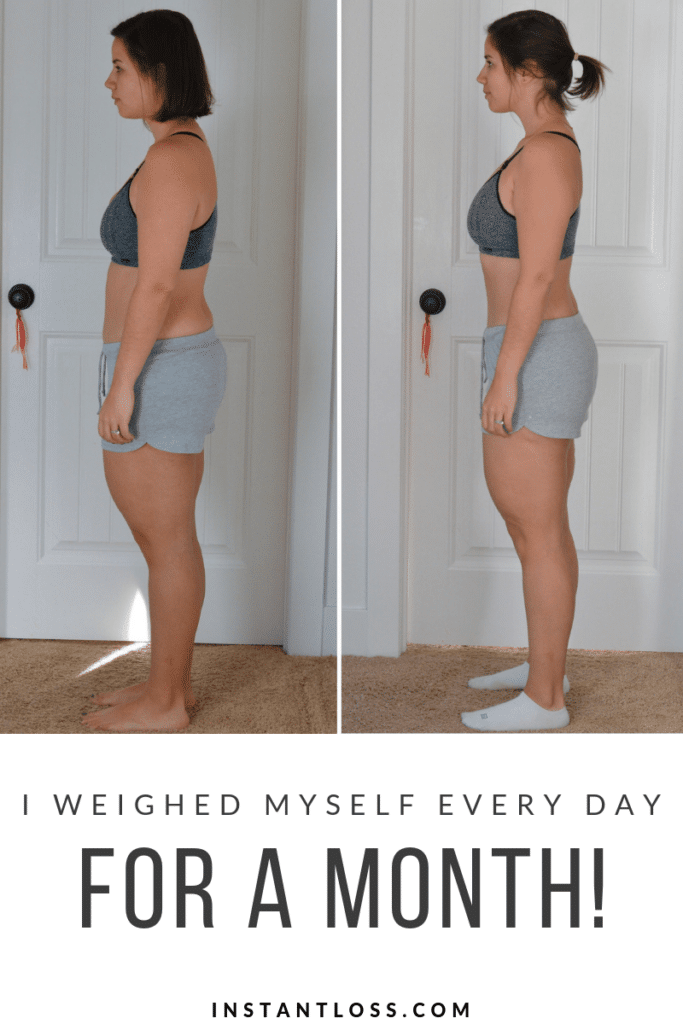
While it’s important not to obsess over the scale, using a digital scale occasionally can help track your overall progress. Weighing yourself once a week on the same day can simultaneously consistently measure your weight loss.
Remember that weight fluctuations are normal and can be influenced by water retention or muscle gain.
Celebrate Milestones
Celebrate your weight loss milestones along the way to stay motivated and encouraged. Set small goals and reward yourself when you achieve them.
This could be treating yourself to a massage, buying new workout clothes, or enjoying a non-food-related reward that brings you joy. Celebrating milestones helps reinforce positive behavior and boosts your confidence in your weight loss journey.
Make Adjustments Along the Way
Weight loss is not a linear process, and it’s essential to be flexible and adjust as needed. If you hit a plateau or progress slows down, could you reassess your approach?
Consider modifying your calorie intake, changing your workout routine, or seeking guidance from a healthcare professional. You can continue progressing towards your weight loss goals by being adaptable and open to change.
Staying Motivated
Set Non-food Rewards
Opt for non-food-related incentives when setting rewards for achieving your weight loss goals. This helps break the association between food and rewards and fosters a healthier mindset. Treat yourself to a spa day, buy tickets to a concert, or plan a weekend getaway as a reward for your hard work and dedication.
Visualize Your Success
Visualization can be a powerful tool to keep you motivated and focused on your weight loss goals. Take a few moments each day to visualize yourself accomplishing your objectives, feeling confident, and living a healthy lifestyle.
Visualize the joy and pride you will feel when you achieve your desired weight, and let that image inspire you to keep pushing forward.
Find a Weight Loss Buddy
A weight loss buddy can provide valuable support, accountability, and motivation. Find someone who shares similar goals and is committed to healthful living. Together, you can keep each other focused, share challenges and successes, and provide encouragement throughout your weight loss journey.
Reward Yourself for Achievements
As you progress on your weight loss journey, reward yourself for the accomplishments you achieve along the way. Celebrate reaching mini-goals and milestones by treating yourself to something special. This positive reinforcement can help boost your motivation and keep you excited about your progress.
Practice Positive Self-talk
Weight loss can sometimes be challenging, and it is important to practice positive self-talk to maintain motivation and a healthy mindset.
Remind yourself of your strengths, progress, and determination instead of focusing on the times you may stumble or make mistakes. Replace negative thoughts with positive affirmations, and believe in yourself and your ability to succeed.
Avoiding Common Pitfalls
Don’t Rely on Crash Diets
While crash diets may promise quick weight loss, they are usually unsustainable and can be detrimental to your health. Rapid weight loss often results in muscle loss rather than fat loss, and the regained weight is typically regained quickly. Instead, focus on creating a balanced, long-term approach that promotes steady and sustainable weight loss.
Avoid Skipping Meals
Skipping meals may seem like a quick way to reduce calorie intake, but it can negatively impact your metabolism and lead to overeating later in the day. Aim to eat regular, balanced meals throughout the day to keep your energy levels stable and prevent excessive hunger. Fueling your body with nutritious food is essential for overall health and weight loss.
Beware of Emotional Eating
Emotional eating can sabotage your weight loss efforts. It is essential to be aware of the triggers that may lead you to eat for emotional reasons and find alternative coping mechanisms. Instead of turning to food when emotions run high, engage in activities such as journaling, practicing mindfulness, walking, or talking to a supportive friend.
Don’t Obsess over the Scale
While the scale can be a helpful tool for tracking progress, it is important not to obsess over the number on the scale. Weight can fluctuate due to water retention, muscle gain, or hormonal changes. Focus on how you feel and how your clothes fit, as these are often better indicators of progress than the scale alone.
Avoid Comparing Yourself to Others
Avoid the temptation to compare your weight loss journey to others. Everyone’s body is unique, and progress may vary from person to person. Stay focused on your goals and celebrate your accomplishments. Remember that improving your health and well-being is the most important thing and should be your primary focus.
By setting realistic goals, creating a calorie deficit, designing a balanced diet plan, incorporating exercise, managing portion sizes, creating a supportive environment, getting quality sleep, monitoring progress, staying motivated, and avoiding common pitfalls, you can successfully achieve your weight loss goals in a month.
It is important to remember that weight loss is a journey, and adopting healthy habits and making sustainable lifestyle changes will contribute to long-term success. Stay committed, be patient with yourself, and celebrate every step forward towards a healthier you.
Related Topics About How To Lose Weight In A Month
How Can I Lose Weight In About A Month
How Can U Lose Weight In A Month
How Can You Lose Weight In A Month
How Do I Lose Weight In A Month
How Fast Can I Lose Weight In A Month
How Many Calories To Lose Weight In A Month
How Many Steps To Lose Weight In A Month
How Much Is Safe To Lose Weight In A Month
How Much Weight Is Unhealthy To Lose In A Month
How Much Weight Lose In A Month Is Healthy
How Much Weight Loss In A Month With Ozempic
How Can I Lose Weight In A Month
How To Eat To Lose Weight In A Month
How To Lose Arm Fat In A Month
How To Lose Belly Fat In A Month
How To Lose Belly Fat In A Month Exercise
How To Lose Excessive Weight In A Month
How To Lose Extreme Weight In A Month
How To Lose Fat In A Month With Exercise
How To Lose Fat In A Month Without Exercise
How To Lose Fat In Stomach In A Month
How To Lose Fat In Two Months
How To Lose Significant Weight In A Month
How To Lose Stomach Fat In A Month
How To Lose The Most Weight In A Month
How To Lose Thigh Fat In A Month
How To Lose Tummy Fat In A Month
How To Lose Weight And Tone Up In A Month
How To Lose Weight Fast At Home In A Month
How To Lose Weight Fast In A Month
How To Lose Weight I A Month
How To Lose Weight In 1 Month At Home
How To Lose Weight In 1 Month By Running
How To Lose Weight In 1 Month Exercise
How To Lose Weight In 2 Months At Home
How To Lose Weight In 2 Months Reddit
How To Lose Weight In 2 Months With Exercise
How To Lose Weight In 3 Months At Home
How To Lose Weight In 5 Months At Home
How To Lose Weight In 6 Months At Home
How To Lose Weight In 9th Month Of Pregnancy
How To Lose Weight In A Month
How To Lose Weight In A Month 10 Kg
How To Lose Weight In A Month At Home
How To Lose Weight In A Month Diet Plan
How To Lose Weight In A Month Exercise
How To Lose Weight In A Month Fast
How To Lose Weight In A Month For 13-Year-Olds
How To Lose Weight In A Month For A Woman
How To Lose Weight In A Month Healthy
How To Lose Weight In A Month No Exercise
How To Lose Weight In A Month With Exercise
How To Lose Weight In A Month With Exercise At Home
How To Lose Weight In A Month With Treadmill
How To Lose Weight In An Month
How To Lose Weight In Just One Month
How To Lose Weight In Less Than A Month
How To Lose Weight In One Month
How To Lose Weight In One Month 10 Kg
How To Lose Weight In One Month At Home
How To Lose Weight In One Month At Home Naturally
How To Lose Weight In One Month With Exercise
How To Lose Weight In One Month Without Exercise
How To Lose Weight In Six Months
How To Lose Weight In Three Months
How To Lose Weight In Two Months
How To Lose Weight In Two Months With Exercise
How To Lose Weight In Under A Month
How To Lose Weight On A Treadmill In A Month
How To Lose Weight Rapidly In A Month
How To Lose Weight Really Fast In A Month
How To Lose Weight Safely In A Month
How To Lose Weight Under One Month
How To Lose Weight Within 1 Month
How To Really Lose Weight In A Month
How To Reduce Weight In A Month Without Exercise
How To Reduce Weight Within A Month
Simple Diet To Lose Weight In A Month
What Diet To Lose Weight In A Month
==========
CONTENT 10/10/G