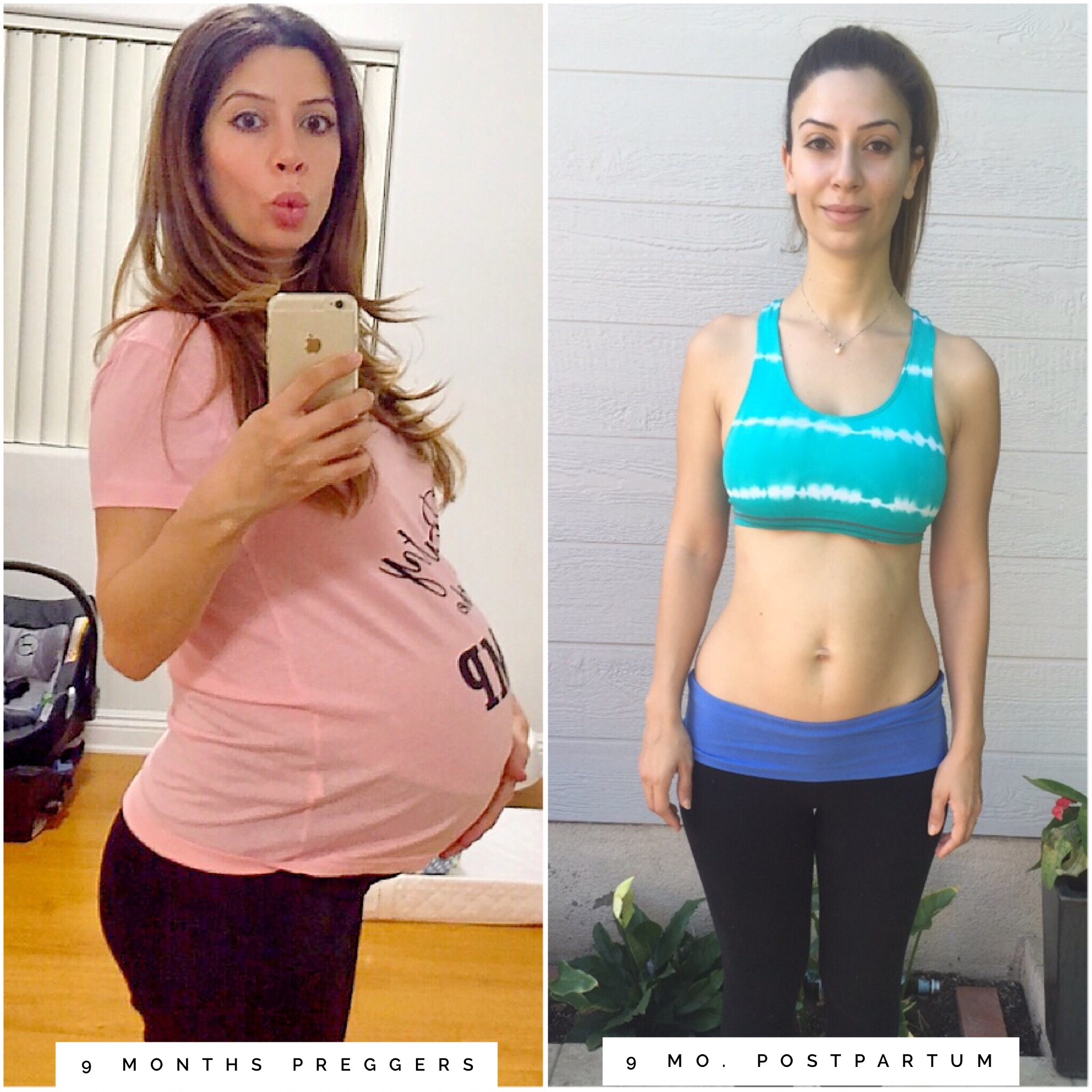
Congratulations on the arrival of your little one! Now, as you embark on the wonderful journey of motherhood, you may be wondering how to shed those extra pounds gained during pregnancy. Fret not, because in this article, we will share some effective tips and tricks on how to lose weight after pregnancy. From incorporating healthy habits into your daily routine to finding time for physical activity amidst your busy schedule, we’ve got you covered. So, let’s get started and help you achieve your post-pregnancy weight loss goals in a safe and sustainable way.
Exercise
Start Slowly
After giving birth, it’s important to start your exercise routine slowly and gradually increase the intensity over time. Your body has been through a lot during pregnancy and childbirth, so it’s essential to give yourself time to heal and recover. Begin with light exercises such as walking or gentle stretching to get your body moving again. Listen to your body and don’t push yourself too hard in the beginning. Remember, it’s a marathon, not a sprint.
Cardio Workouts
Cardiovascular exercises are an excellent way to burn calories and shed those extra pounds. Engaging in activities such as walking, swimming, cycling, or dancing not only helps you lose weight but also boosts your overall fitness and stamina. Aim for at least 150 minutes of moderate-intensity cardio each week. Start with shorter sessions and gradually increase the duration and intensity as your body becomes stronger.
Strength Training
Incorporating strength training into your postpartum workout routine is essential for building lean muscle mass, increasing metabolism, and toning your body. Start with bodyweight exercises such as squats, lunges, push-ups, and planks. As you gain strength and confidence, gradually incorporate light dumbbells or resistance bands into your workouts. Aim for two to three strength training sessions per week, targeting different muscle groups each time.
Yoga or Pilates
Yoga and Pilates are fantastic options for postpartum exercise as they focus on improving flexibility, core strength, and overall body balance. These low-impact exercises not only help you regain strength in your abdomen and pelvic floor muscles but also reduce stress and promote relaxation. Join a postnatal yoga or Pilates class specifically designed for new moms, or follow online videos and tutorials from the comfort of your home.
Diet and Nutrition
Eat a Balanced Diet
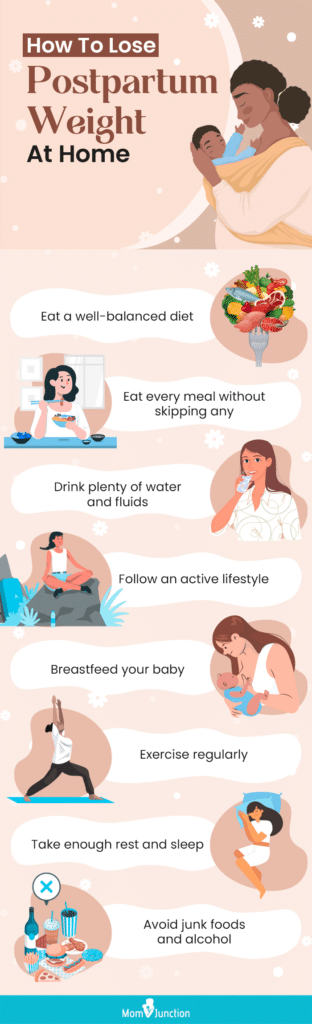
Maintaining a balanced diet is crucial for losing weight after pregnancy. Focus on consuming a variety of nutrient-dense foods from all food groups. Include lean proteins, whole grains, fruits, vegetables, and healthy fats in your meals. Don’t skip meals or drastically reduce your calorie intake, as this can negatively affect your energy levels and overall wellbeing. Instead, aim for smaller, frequent meals throughout the day to keep your metabolism active.
Include Fiber-Rich Foods
Including fiber-rich foods in your diet can help you feel fuller for longer, regulate your digestion, and prevent constipation, which is common after pregnancy. Some excellent sources of fiber include whole grains, legumes, fruits, and vegetables. Opt for whole wheat bread, brown rice, oats, and quinoa instead of refined grains. Snack on fresh fruits and raw vegetables, and add beans, lentils, and chickpeas to your meals.
Stay Hydrated
Drinking an adequate amount of water throughout the day is crucial for overall health and weight loss. It helps boost your metabolism, aids in digestion, and keeps you hydrated, especially if you are breastfeeding. Carry a water bottle with you and aim to drink at least 8-10 cups of water each day. If you find plain water boring, try infusing it with natural flavors like lemon, cucumber, or mint.
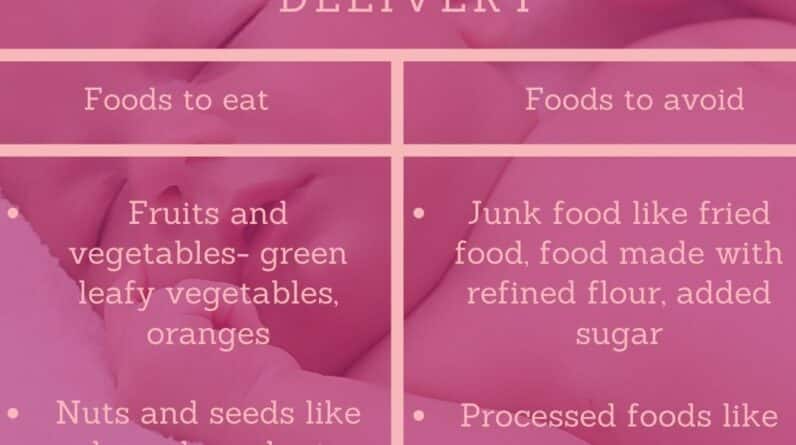
Limit Processed Foods
Processed foods are often high in calories, unhealthy fats, sugar, and sodium, and offer little to no nutritional value. Avoid or minimize your intake of packaged snacks, fast food, sugary drinks, and processed meats. Instead, choose whole, unprocessed foods that are rich in vitamins, minerals, and antioxidants. Cook meals at home using fresh ingredients, and opt for homemade snacks like fruits, nuts, and yogurt.
Avoid Crash Diets
Crash diets or extreme calorie restrictions may result in rapid weight loss initially, but they are not sustainable or healthy in the long run. They can leave you feeling fatigued, deprived, and lacking essential nutrients. It’s important to nourish your body and provide it with the necessary nutrients, especially if you are breastfeeding. Gradual and steady weight loss is not only healthier but also more sustainable in the long term.
Breastfeeding and Weight Loss
Benefits of Breastfeeding
Breastfeeding offers numerous benefits for both you and your baby, including weight loss. Breastfeeding burns calories, as your body needs extra energy to produce milk. It can help you shed the postpartum pounds faster and more efficiently. Moreover, breastfeeding helps your uterus contract, reduces the risk of postpartum bleeding, and provides crucial antibodies and nutrients to your baby. It’s a win-win situation for both of you!
Calorie Intake while Breastfeeding
While breastfeeding, it’s important to maintain a well-balanced diet and consume enough calories to support milk production and your own energy needs. Most breastfeeding women require an additional 300-500 calories per day compared to their pre-pregnancy requirements. However, it’s crucial to focus on nutrient-dense foods rather than empty calories. Consult with a healthcare professional or a registered dietitian to determine your specific calorie needs.
Healthy Eating for Breastfeeding Moms
As a breastfeeding mom, it’s essential to prioritize your nutrition to ensure the quality and quantity of your breast milk. Include a variety of nutrient-dense foods in your diet, such as lean proteins, whole grains, fruits, vegetables, and healthy fats. Aim for three meals and two to three snacks each day to keep your energy levels high. Stay hydrated by drinking plenty of water, and consider incorporating lactation-promoting foods, such as oats, flaxseeds, and fenugreek, into your meals.
Get Adequate Rest
Getting enough rest and sleep is crucial for your overall health and well-being, as well as for weight loss. As a new parent, it can be challenging to find time for proper rest, but it’s essential to prioritize it. Lack of sleep can disrupt your hormone levels, increase hunger cravings, and decrease your energy levels, making it more difficult to lose weight. Whenever possible, take short naps throughout the day and aim for a minimum of seven to eight hours of uninterrupted sleep at night.
Stress Management
Identify and Manage Stressors
Stress can have a significant impact on your weight loss progress. Identify the sources of stress in your life, whether it’s sleep deprivation, lack of support, or other external factors. Once you’ve identified the stressors, find ways to manage and reduce them. For example, delegate tasks, ask for help from family and friends, practice relaxation techniques such as deep breathing or meditation, and engage in activities that bring you joy and relaxation.
Practice Self-Care
Taking care of yourself is vital during the postpartum period. Incorporate self-care activities into your daily routine, even if it’s just for a few minutes. Take a warm bath, read a book, listen to soothing music, or engage in a hobby you enjoy. Allocate time for self-care without feeling guilty, as it will help reduce stress, improve your mood, and increase your overall well-being.
Seek Support
Don’t hesitate to seek support from your partner, family members, or friends. Talk to them about your weight loss goals and ask for their help and encouragement. Having a support system can make a significant difference in your journey. Joining a postpartum support group or finding an exercise buddy can also provide motivation and accountability. Remember, you don’t have to do it alone!
Set Realistic Goals
Slow and Steady Weight Loss
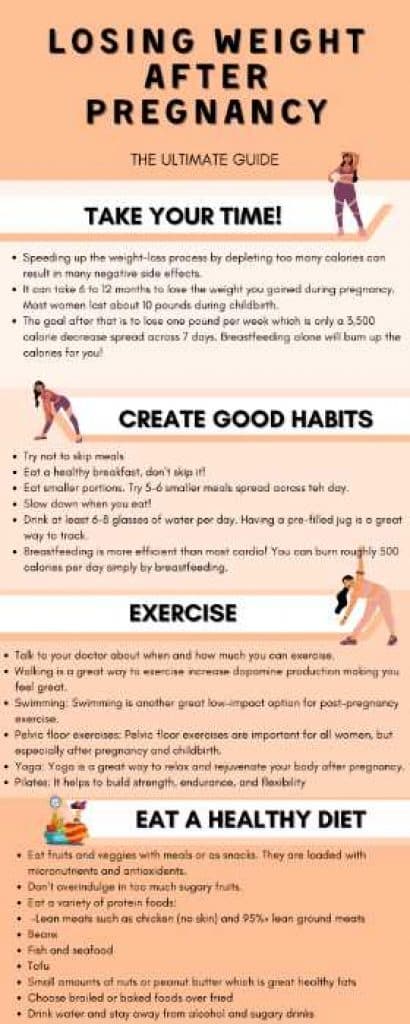
It’s important to set realistic weight loss goals after pregnancy. Aim for a gradual weight loss of 1-2 pounds per week, as this is a healthy and sustainable rate. Trying to lose weight too quickly can lead to muscle loss, nutrient deficiencies, and a slower metabolism. Be patient and focus on making long-term, lifestyle changes rather than quick-fix solutions.
Consult a Healthcare Professional
Before starting any weight loss program, it’s always a good idea to consult with a healthcare professional, such as your doctor or a registered dietitian. They can provide personalized advice based on your specific needs, health history, and any medical conditions. They can guide you in setting realistic goals, creating an appropriate exercise and nutrition plan, and monitoring your overall progress.
Schedule Regular Check-ups
Postpartum Check-ups
Regular postpartum check-ups are essential to monitor your physical and emotional well-being as well as your weight loss progress. Your healthcare provider can assess your overall health, check for any underlying medical issues, and provide guidance on postpartum weight loss. They can also address any concerns or questions you may have and offer support throughout your weight loss journey.
Hormone and Thyroid Levels
Fluctuations in hormone levels, especially thyroid hormones, can affect your weight loss efforts. If you suspect hormonal imbalances, discuss this with your healthcare provider, who may recommend blood tests to assess your hormone and thyroid levels. Addressing and managing any hormonal issues can help optimize your metabolism and support your weight loss goals.
Stay Consistent
Consistency in Exercise Routine
Consistency is key when it comes to exercise. Establish a routine that works for you and commit to it. Aim for at least 150 minutes of moderate-intensity cardio exercises per week, alongside two to three strength training sessions. Find activities you enjoy to make exercise more enjoyable and sustainable. Consider incorporating workout sessions into your daily schedule, whether it’s in the morning, during nap time, or in the evening when your partner can help with childcare.
Consistency in Healthy Eating Habits
Consistency is equally important with healthy eating habits. Stick to a well-balanced diet that includes a variety of nutrient-dense foods. Plan and prepare meals in advance to avoid relying on unhealthy takeout options when time is limited. Make smart choices even when dining out by opting for grilled or baked dishes, choosing side salads or vegetables, and limiting portions of high-calorie foods. Aim for progress, not perfection, and remember that small but consistent changes will lead to long-term success.
Monitor Progress
Track Weight Loss
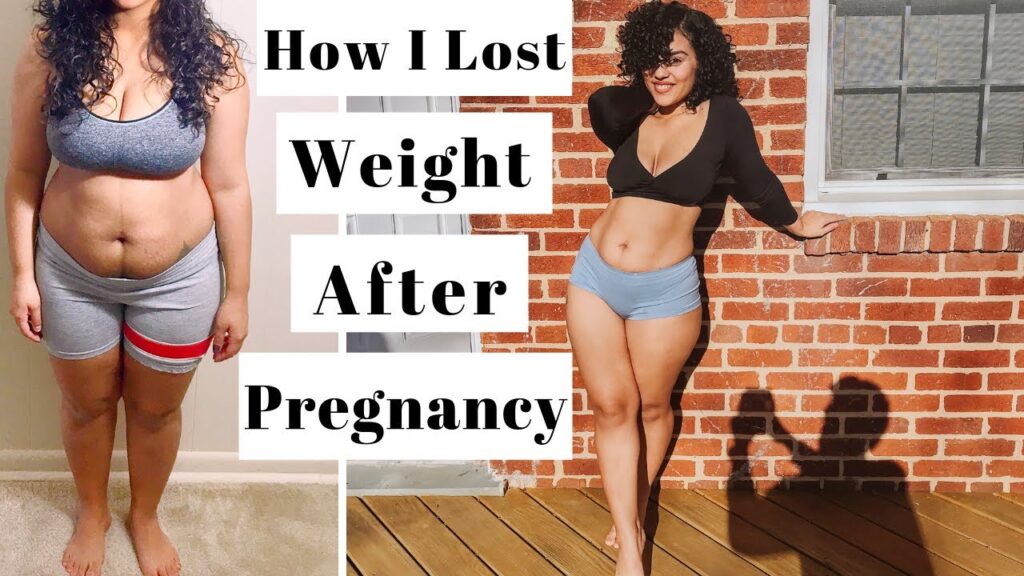
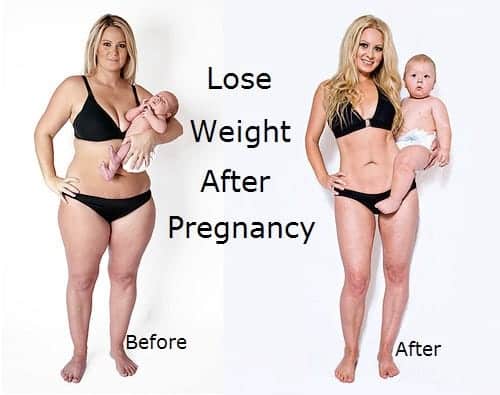
Monitoring your weight loss progress can provide valuable feedback and motivation. Weigh yourself regularly, but avoid obsessing over the number on the scale. Instead, focus on how you feel, how your clothes fit, and the positive changes you notice in your overall health and well-being. Take progress pictures to visually track your transformation over time.
Measurements and Body Composition
In addition to tracking weight, consider taking body measurements, such as waist, hips, and thighs. Body measurements can provide a more accurate representation of fat loss, especially when combined with body composition analysis. Body composition tests, such as bioelectrical impedance or DEXA scans, can provide insights into your body fat percentage, muscle mass, and overall body composition. These measurements can help you track progress and adjust your exercise and nutrition plan accordingly.
Celebrate Achievements
Reward yourself for achieving milestones along your weight loss journey. Celebrate the small victories, whether it’s completing a challenging workout, fitting into a pair of pre-pregnancy jeans, or reaching a specific weight loss goal. Treat yourself to non-food rewards such as a massage, a new outfit, or a day off from household chores. Celebrating your achievements boosts motivation and keeps you on track to reach your final goal.
Patience and Self-Acceptance
It Takes Time
Remember that losing weight after pregnancy takes time and patience. Your body has undergone significant changes during pregnancy, and it needs time to heal and adjust. Be kind to yourself and don’t compare your progress to others. Focus on the journey rather than the destination, and appreciate the small improvements along the way.
Embrace Your Body
Embrace and appreciate your body at every stage of your weight loss journey. Practice self-love and acceptance, recognizing that your body has carried and nourished a precious life. Instead of fixating on the number on the scale, focus on how you feel and the positive changes you’ve made in your lifestyle. Treat your body with kindness, respect, and gratitude.
Focus on Overall Health
Instead of solely focusing on weight loss, prioritize your overall health and well-being. Aim to improve your fitness levels, boost your energy, and enhance your mental and emotional health. Embrace a holistic approach that includes exercise, nutritious food choices, stress management techniques, and self-care activities. Remember, true wellness goes beyond a number on the scale.
Losing weight after pregnancy is a journey that requires dedication, patience, and self-compassion. By incorporating a balanced exercise routine, adopting healthy eating habits, prioritizing rest, managing stress, setting realistic goals, seeking professional guidance, monitoring progress, and practicing self-love, you can achieve your weight loss goals while promoting overall well-being. Embrace this transformative time in your life and enjoy the process of becoming the healthiest version of yourself.