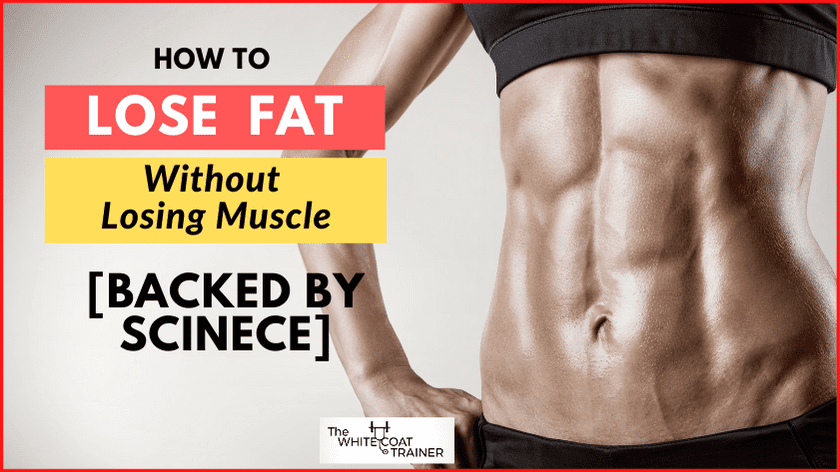
Losing weight is a common goal for many people, but the last thing you want is to lose the muscle you’ve worked so hard to build. In this article, we will explore effective strategies that will help you shed those unwanted pounds while preserving your hard-earned muscle. So, if you’re ready to embark on a journey towards a leaner and healthier you, keep reading to discover the key to losing weight without sacrificing your muscle mass.
Importance of Losing Weight without Losing Muscle
When embarking on a weight loss journey, many people focus solely on shedding pounds without considering the impact on their muscle mass. However, it is crucial to understand the significance of preserving muscle while losing weight. Losing weight without losing muscle not only helps you maintain a toned physique but also provides numerous health benefits. Let’s explore why it is essential to prioritize muscle preservation during weight loss and the various ways to achieve this goal.
Maintaining Muscle Mass
Maintaining your muscle mass when losing weight is crucial for several reasons. Firstly, muscles are metabolically active tissues, meaning they require more energy (calories) to function compared to fat cells. By preserving and increasing your muscle mass, you boost your metabolic rate, allowing your body to burn more calories throughout the day, even at rest. This can be a game-changer for achieving sustainable weight loss and preventing weight regain.
Additionally, muscle mass plays a vital role in maintaining your strength, mobility, and overall physical function. Losing muscle mass during weight loss can lead to decreased strength, diminished athletic performance, and increased risk of injuries. By prioritizing muscle preservation, you ensure that your body remains strong and functional throughout the weight loss process.
Preventing Metabolic Slowdown
Metabolic slowdown, also known as adaptive thermogenesis, is a common phenomenon that occurs during weight loss. When you restrict your calorie intake, your body adapts by reducing its energy expenditure. Unfortunately, this adaptation often involves breaking down muscle tissue to conserve energy, since muscles require more calories to maintain than fat cells.
However, losing muscle mass due to metabolic slowdown can hinder your weight loss progress in the long run. As your metabolic rate decreases, you may find it harder to continue losing weight at the same pace. By focusing on preserving your muscle mass, you can mitigate the risk of metabolic slowdown and continue to see consistent progress on your weight loss journey.
Understanding the Science of Weight Loss
Before delving into the strategies to lose weight without losing muscle, it is crucial to grasp the science behind weight loss. This knowledge will empower you to make informed decisions and design a personalized approach that suits your needs and goals.
Energy Balance
At its core, weight loss is determined by energy balance. This concept revolves around the principle that weight loss occurs when the number of calories burned (energy expenditure) exceeds the number of calories consumed (energy intake). To lose weight, you need to create an energy deficit, where your body burns more calories than you consume. However, it is essential to achieve this deficit in a healthy and sustainable manner to protect your muscle mass.
Caloric Deficit
To create a caloric deficit, you have two options: reduce your calorie intake or increase your calorie expenditure through physical activity. While a combination of both approaches is generally recommended, focusing on diet alone without considering exercise can increase the risk of muscle loss. By striking a balance between calorie reduction and physical activity, you can sustain a healthy and gradual weight loss while preserving precious muscle mass.
Types of Weight Loss
It is essential to understand that weight loss comprises two main components: fat loss and muscle loss. While the goal is to primarily shed excess body fat, losing some muscle mass in the process is inevitable. However, the aim is to minimize muscle loss and prioritize fat loss. By implementing the right strategies, you can ensure that your weight loss journey predominantly targets your unwanted body fat, resulting in a leaner and healthier physique.

Creating a Caloric Deficit Safely
Now that you understand the fundamentals of weight loss, it’s time to delve into creating a caloric deficit wisely. Here are some essential steps to ensure you achieve a deficit while still preserving your muscle mass.
Determining Caloric Needs
Before you can create a caloric deficit, you need to determine your daily energy requirements. Several factors influence your energy needs, such as age, gender, weight, height, and activity level. Consulting with a healthcare professional or a registered dietitian can help you accurately calculate your basal metabolic rate (BMR) and estimate the number of calories you should consume to lose weight gradually without sacrificing muscle mass.
Gradual Calorie Reduction
Once you have determined your caloric needs, it’s time to start reducing your calorie intake. However, it is crucial to approach this process gradually to prevent sudden shocks to your body. Drastically cutting your calories can trigger a stress response in your body, leading to muscle breakdown for energy. Aim to reduce your daily calorie intake by around 500-750 calories to create a moderate caloric deficit that is sustainable and muscle-friendly.
Importance of Whole Foods
While it may be tempting to rely on highly processed and low-calorie foods to meet your caloric goals, it’s important to prioritize whole, nutrient-dense foods. Whole foods are rich in essential nutrients, vitamins, and minerals that support optimal bodily functions and muscle preservation. Focus on including lean proteins, complex carbohydrates, healthy fats, and plenty of fruits and vegetables in your diet. These whole foods will not only nourish your body but also provide the necessary building blocks for muscle growth and maintenance.
Optimizing Protein Intake
Protein plays a pivotal role in maintaining and preserving muscle mass during weight loss. By understanding its importance and incorporating sufficient protein into your diet, you can safeguard your hard-earned muscle while shedding unwanted weight.
Protein’s Role in Muscle Preservation
Protein is the building block of muscles. It provides the essential amino acids necessary for repairing and rebuilding muscle tissue that may be damaged during exercise or calorie restriction. By consuming an adequate amount of protein, you ensure that your body has the necessary resources to repair and rebuild your muscles while losing weight. This is crucial for minimizing muscle loss and preserving lean body mass.
Recommended Protein Intake
The recommended protein intake for individuals aiming to preserve muscle mass during weight loss is higher compared to those not engaged in weight loss efforts. It is generally recommended to consume around 0.7-1 gram of protein per pound of body weight. For example, if you weigh 150 pounds, you should aim for 105-150 grams of protein per day. Distribute your protein intake evenly throughout the day to optimize muscle protein synthesis and support muscle preservation.
Sources of High-Quality Protein
When selecting protein sources, prioritize high-quality protein to maximize muscle-building and preservation. Animal sources such as lean meats, poultry, fish, eggs, and dairy products are considered complete proteins, as they contain all the essential amino acids your body needs. If you follow a vegetarian or vegan diet, opt for plant-based protein sources such as legumes, soy products, quinoa, and tofu. Combining different plant-based protein sources can also provide a complete amino acid profile.

Implementing Resistance Training
One of the most effective ways to preserve muscle mass during weight loss is through resistance training. Engaging in regular resistance training not only helps you retain muscle, but it also provides numerous other health benefits.
Benefits of Resistance Training
Resistance training, also known as strength or weight training, involves performing exercises that target your muscles against an external force, such as free weights, resistance bands, or your body weight. This type of exercise stimulates muscle growth and maintenance by triggering muscle protein synthesis. By incorporating resistance training into your weight loss routine, you can prevent muscle loss, increase muscle definition, boost metabolism, and improve overall body composition.
Types of Resistance Exercises
There are various types of resistance exercises you can incorporate into your workout routine to preserve muscle mass. These include compound exercises that engage multiple muscle groups simultaneously, such as squats, deadlifts, lunges, and bench presses. Isolation exercises that target specific muscles, such as bicep curls or tricep extensions, can also be beneficial. Aim for a balanced combination of compound and isolation exercises to ensure you engage all major muscle groups for optimal muscle preservation.
Frequency and Intensity
To maximize muscle preservation, it is recommended to perform resistance training workouts at least two to three times per week. Allow a day or two of rest between sessions to give your muscles time to recover and rebuild. When it comes to intensity, it’s important to challenge yourself without overexertion. Gradually increase the weight, repetitions, or difficulty of your exercises over time to continuously stimulate your muscles and promote muscle growth.
Incorporating Cardiovascular Exercise
While resistance training is crucial for muscle preservation, cardiovascular exercise, commonly known as cardio, also has its place in a well-rounded weight loss program. By combining strength training with cardiovascular exercise, you can achieve optimal results in terms of fat loss, overall fitness, and muscle preservation.
Cardio’s Impact on Weight Loss
Cardiovascular exercise enhances weight loss by increasing your calorie expenditure. Engaging in activities such as jogging, cycling, swimming, or aerobic classes elevates your heart rate and helps you burn calories. By incorporating cardio into your routine, you can create a greater caloric deficit and accelerate your weight loss progress. However, it is important to strike a balance to prevent excessive cardio, which can potentially lead to muscle loss.
Effective Cardio Routines
To minimize muscle loss and maximize fat loss, it is recommended to perform moderate-intensity cardio sessions for 30-60 minutes, most days of the week. This duration and intensity allow your body to tap into fat stores for energy while minimizing muscle breakdown. If time is limited or you prefer higher-intensity workouts, interval training can be a highly effective option. Interval training involves alternating periods of high-intensity exercise with short recovery periods to increase calorie burn and preserve muscle mass.
Balancing Cardio with Strength Training
To achieve the best results, it is essential to strike a balance between cardiovascular exercise and strength training. Prioritize resistance training to preserve and build muscle while incorporating cardio sessions to boost overall calorie burn and cardiovascular health. For example, you could perform strength training workouts three times per week and cardio workouts on the remaining days or alternate between strength and cardio training throughout the week. By finding the right balance that suits your preferences and goals, you can optimize both fat loss and muscle preservation.

Prioritizing Recovery and Rest
In the pursuit of weight loss and muscle preservation, many individuals overlook the importance of rest and recovery. However, giving your body adequate time to rest and recuperate is just as crucial as the exercise and diet components. Here’s why you should prioritize recovery and rest:
Importance of Rest Days
Rest days are an integral part of any fitness program, and they play a crucial role in muscle growth and recovery. When you work out, your muscles undergo microscopic damage, and rest days allow them to repair and rebuild stronger. Without sufficient rest, you risk overtraining, which can lead to decreased muscle mass, decreased performance, increased risk of injury, and burnout. Therefore, make sure to schedule regular rest days to optimize muscle preservation and overall well-being.
Role of Sleep in Muscle Preservation
Another aspect of recovery that often gets neglected is quality sleep. During sleep, your body releases growth hormone, which aids in muscle repair, recovery, and growth. Lack of sleep can disrupt this hormone release and hinder muscle preservation efforts. Aim for 7-9 hours of uninterrupted sleep each night to optimize muscle recovery, enhance overall energy levels, and support your weight loss goals.
Recovery Techniques
In addition to rest and sleep, there are various recovery techniques you can incorporate to enhance muscle preservation and reduce soreness. Stretching exercises, foam rolling, and regular massages can help alleviate muscle tightness and promote blood flow to aid in recovery. Additionally, relaxation techniques such as meditation, deep breathing exercises, and hot baths or showers can help reduce stress levels, improve sleep quality, and facilitate overall recovery.
Staying Hydrated and Managing Nutritional Intake
Proper hydration and managing your nutritional intake are essential pillars of weight loss, muscle preservation, and overall well-being. By following these guidelines, you can optimize your body’s functions and support your weight loss efforts.
Importance of Hydration
Staying hydrated is crucial for general health, but it becomes even more vital during weight loss and muscle preservation. Your muscles contain a significant amount of water, and adequate hydration is necessary for optimal muscle function, repair, and growth. Additionally, drinking water before meals can help reduce appetite, prevent overeating, and support your weight loss goals. Aim to drink at least 8 cups (64 ounces) of water per day, and adjust the amount based on your activity levels and environment.
Choose Nutrient-Dense Foods
When it comes to managing your nutritional intake, it’s essential to prioritize nutrient-dense foods. Nutrient-dense foods provide a wide array of essential vitamins, minerals, and antioxidants while being relatively low in calories. Opt for colorful fruits and vegetables, lean proteins, whole grains, and healthy fats. These foods not only provide the necessary nutrients to support muscle preservation but also keep you feeling satisfied and energized throughout the day.
Tracking Food Intake
To ensure you stay on track with your goals, consider tracking your food intake. This can be done through various methods, such as keeping a food diary, using smartphone apps, or using specialized websites. Tracking your food intake allows you to monitor your calorie consumption, protein intake, and overall macronutrient balance. It helps you identify any potential deficiencies or areas for improvement, allowing you to make necessary adjustments to optimize your weight loss and muscle preservation efforts.

Keeping Track of Progress and Adjustments
As you embark on your weight loss journey and strive to preserve muscle mass, it is crucial to regularly monitor your progress and make any necessary adjustments. Here’s how you can keep track of your progress effectively:
Monitoring Body Weight and Measurements
Monitoring your body weight is a common method to track progress. However, it is important to keep in mind that changes in body weight can be influenced by various factors, including water retention and fluctuations in muscle mass. Therefore, it is recommended to complement body weight measurements with other assessment tools, such as body measurements, progress photos, and how your clothes fit. These additional measurements provide a more comprehensive picture of your progress and body composition changes.
Assessing Muscle Mass Changes
To specifically track your muscle preservation efforts, you can consider assessing your muscle mass changes. This can be done through various methods, such as bioelectrical impedance analysis (BIA), dual-energy X-ray absorptiometry (DXA) scans, or skinfold caliper measurements. These tools help determine your body fat percentage and muscle mass, providing valuable insight into changes occurring within your body. Consultation with professionals or experts in body composition analysis can provide you with accurate and reliable results.
Modifying Goals and Strategies
Regularly monitoring your progress allows you to identify any plateaus or areas where adjustments may be needed. If you find that your weight loss has stagnated or muscle preservation efforts are not as successful as desired, it’s time to revisit your goals and strategies. Consider adjusting your caloric intake, macronutrient distribution, exercise routine, or recovery practices. By being proactive and adaptable, you can navigate through any challenges and continue making progress towards your weight loss and muscle preservation goals.
Avoiding Common Pitfalls
While the emphasis has been on effective strategies to lose weight without losing muscle, it is equally important to be aware of common pitfalls to avoid during your journey. By steering clear of these pitfalls, you can optimize your results and prioritize your health and well-being.
Overtraining and Injury Risks
While exercise is essential for muscle preservation and weight loss, excessive exercise can have detrimental effects. Overtraining can lead to decreased muscle mass, increased risk of injuries, hormonal imbalances, and mental fatigue. It is crucial to listen to your body, provide sufficient rest and recovery, and avoid pushing yourself too hard too soon. Gradually progress your exercise routine and seek guidance from fitness professionals to ensure you follow a safe and effective program.
Avoiding Extreme Dieting
Extreme calorie restriction or fad diets may promise quick and dramatic weight loss results, but they often come at the expense of muscle loss and overall health. These approaches can lead to nutrient deficiencies, metabolic slowdown, and rebound weight gain. Instead, prioritize a healthy and sustainable approach to weight loss, focusing on balanced nutrition, regular exercise, and gradual progress. By adopting lifelong habits, you can achieve long-term success and maintain your muscle mass while enjoying a healthy lifestyle.
Seeking Professional Guidance
Throughout your weight loss and muscle preservation journey, it is highly recommended to seek professional guidance, especially if you have specific health considerations or are unfamiliar with various aspects of nutrition and exercise. Consulting with a registered dietitian, certified personal trainer, or healthcare professional can provide you with personalized advice, address any concerns or questions, and ensure that you make informed decisions that align with your individual needs and goals.
In conclusion, losing weight without losing muscle is crucial for achieving sustainable weight loss and maintaining optimal health. By understanding the science of weight loss, creating a caloric deficit safely, optimizing protein intake, implementing resistance training and cardiovascular exercise, prioritizing recovery and rest, staying hydrated and managing nutritional intake, keeping track of progress and adjustments, and avoiding common pitfalls, you can successfully preserve muscle mass while shedding unwanted weight. Remember to approach your weight loss journey with patience, commitment, and a focus on long-term sustainable habits. With the right strategies and mindset, you can achieve your weight loss goals while preserving your hard-earned muscle.