You’ve reached a stage in life where your body is going through significant hormonal changes, and as a result, losing weight has become a bit more challenging. Menopause can bring about various changes in your body, including weight gain and a shift in fat distribution. But fret not, because in this article, you will discover effective strategies and practical tips on how to lose weight after menopause. With a positive mindset and a few lifestyle adjustments, you can embrace this new chapter of your life feeling healthier and more confident than ever before.
Causes of Weight Gain during Menopause
Hormonal Changes
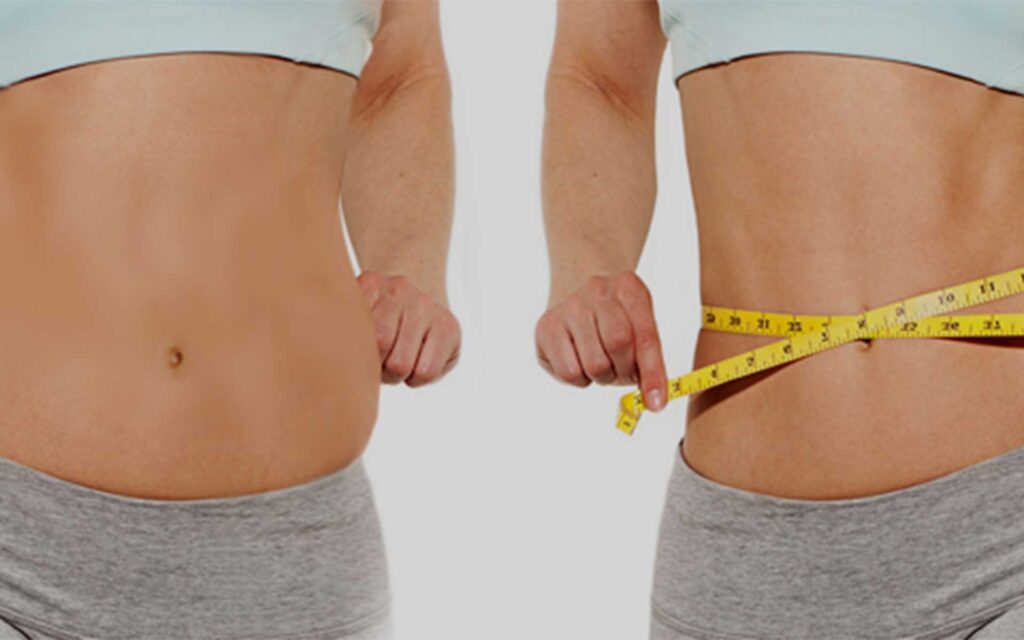
One of the primary reasons for weight gain during menopause is the hormonal changes that occur in a woman’s body. As estrogen levels decrease, the body starts to store more fat, especially around the abdomen. This shift in hormone balance can lead to an increase in appetite and a decrease in energy levels, making it more difficult to maintain a healthy weight.
Decreased Muscle Mass
Another factor contributing to weight gain during menopause is the decrease in muscle mass. As women age, they naturally lose muscle mass, which can be further accelerated during the menopause phase. Since muscles burn more calories than fat, a decline in muscle mass leads to a reduced metabolic rate and can make weight management more challenging.
Slowed Metabolism
During menopause, the body’s metabolism slows down. This decline in metabolic rate means that fewer calories are burned at rest, making it easier to gain weight even with regular eating habits. Additionally, as women age, they often become less active, which further contributes to the decrease in metabolism and weight gain.
Understanding the Menopause Phase
Perimenopause
Perimenopause refers to the phase leading up to menopause when a woman’s hormone levels begin to decline. This period can last for several years and is often marked by irregular periods, hot flashes, and other symptoms. It is during perimenopause that many women first begin to notice changes in their weight and body composition.
Menopause
Menopause is the stage when a woman has not had a menstrual period for 12 consecutive months. It is during this phase that hormone levels, particularly estrogen, decrease significantly. Menopause typically occurs around the age of 50, but it can vary from woman to woman. Weight gain tends to be more common during this phase as hormonal fluctuations and metabolic changes take place.
Postmenopause
Postmenopause refers to the period after menopause has occurred. Hormone levels remain relatively stable during this time, but the effects of decreased estrogen continue to impact the body. As women age, the risk of weight gain and other health issues increases, making it crucial to maintain a healthy lifestyle and manage weight effectively.
Creating a Calorie Deficit
Calculate Your Calorie Needs
To lose weight during menopause, it is important to create a calorie deficit. This means consuming fewer calories than your body needs to maintain its current weight. To determine your calorie needs, you can use online calculators or consult with a healthcare professional. Consider factors such as age, height, weight, activity level, and any underlying health conditions that may affect your metabolic rate.
Reduce Daily Caloric Intake
Once you have calculated your calorie needs, you can start reducing your daily caloric intake. Aim to consume around 500 fewer calories per day to achieve a gradual and sustainable weight loss of about 1 pound per week. To do this, focus on portion control, choose nutrient-dense foods, and limit the intake of high-calorie and processed foods.
Increase Physical Activity
In addition to reducing calorie intake, increasing physical activity is essential for weight loss during menopause. Regular exercise helps burn calories, build muscle mass, and boost metabolism. Aim for at least 150 minutes of moderate-intensity aerobic activity or 75 minutes of vigorous activity per week. Incorporating strength training exercises will also help preserve muscle mass and improve overall body composition.
Choosing a Balanced and Nutritious Diet
Emphasize Whole Foods
To support weight loss during menopause, it is important to prioritize whole foods in your diet. Whole foods such as fruits, vegetables, whole grains, lean proteins, and healthy fats provide essential nutrients and help you feel fuller for longer. These foods are typically lower in calories and higher in fiber, making them an excellent choice for weight management.
Eat Adequate Protein
Protein is an important macronutrient for weight loss during menopause. It helps maintain muscle mass, which is crucial for a healthy metabolism. Include sources of lean protein in your meals such as poultry, fish, beans, lentils, tofu, and Greek yogurt. Aim to consume 20-30 grams of protein per meal to ensure adequate intake throughout the day.
Incorporate More Fiber
Increasing your fiber intake can be beneficial for weight loss during menopause. Fiber-rich foods provide a feeling of fullness and can help control appetite. Additionally, fiber aids in digestion and promotes healthy bowel movements. Include sources of fiber such as whole grains, fruits, vegetables, and legumes in your diet to support overall weight management.
Focusing on Strength Training
Importance of Strength Training
Strength training plays a crucial role in weight loss during menopause. Building and maintaining muscle mass is essential for a healthy metabolism and overall body strength. Strength training exercises help increase muscle tone, improve bone density, and enhance physical performance. It is particularly important during menopause when muscle loss tends to occur.
Choosing the Right Exercises
When incorporating strength training into your routine, it is important to choose exercises that target multiple muscle groups. Compound exercises such as squats, lunges, push-ups, and deadlifts are effective for building overall strength and promoting muscle growth. Additionally, include exercises that target specific areas of concern, such as tricep dips or glute bridges, to shape and tone those areas.
Gradually Increasing Intensity
As you become more comfortable with strength training, gradually increase the intensity of your workouts. This can be done by increasing the weight, the number of repetitions, or the difficulty of the exercises. The progressive overload principle is crucial for continued muscle growth and strength development. Consider working with a certified personal trainer who can guide you in creating a tailored strength training program.
Incorporating Cardiovascular Exercise
Benefits of Cardiovascular Exercise
Cardiovascular exercise, also known as aerobic exercise, is important for weight loss and overall cardiovascular health during menopause. It helps burn calories, improve heart health, and increase endurance. Regular cardiovascular exercise can also reduce the risk of chronic diseases such as heart disease, diabetes, and certain types of cancer.
Types of Cardiovascular Activities
There are various types of cardiovascular activities to choose from, depending on your preferences and fitness level. Walking, jogging, cycling, swimming, dancing, and aerobics are all excellent options. Aim for at least 30 minutes of moderate-intensity cardiovascular exercise most days of the week. To make it more enjoyable, consider joining group classes or finding a workout buddy to keep you motivated.
Establishing a Regular Routine
To fully benefit from cardiovascular exercise, establish a regular routine and stick to it. Consistency is key when it comes to weight loss and overall fitness. Schedule your workouts at times that work best for you and make it a non-negotiable part of your daily or weekly routine. Consider tracking your progress to stay motivated and celebrate your achievements along the way.

Managing Stress Levels
Effects of Stress on Weight Gain
Stress can significantly impact weight management during menopause. When you are stressed, your body releases cortisol, a hormone that affects metabolism and can lead to weight gain, especially around the abdomen. Additionally, stress can trigger emotional eating and cravings for high-calorie comfort foods. Learning to manage stress effectively is crucial for successful weight loss.
Effective Stress Management Techniques
To manage stress during menopause, incorporate stress management techniques into your daily life. Practices such as deep breathing exercises, meditation, yoga, and tai chi can help relax the body and reduce cortisol levels. Regular physical activity, spending time in nature, and engaging in hobbies or activities you enjoy can also have a positive impact on stress levels.
Prioritizing Self-Care
Self-care is essential during menopause, both for managing stress and supporting overall well-being. Make time for activities that bring you joy and help you relax. This could include taking baths, reading, spending time with loved ones, or engaging in creative outlets. Prioritizing self-care allows you to recharge, reduce stress, and better focus on your weight loss goals.
Getting Sufficient Sleep
Impact of Sleep on Weight Loss
Getting sufficient sleep is crucial for successful weight loss during menopause. Lack of sleep can disrupt hormones involved in appetite regulation, leading to increased cravings and overeating. It can also affect the body’s ability to properly regulate blood sugar levels, which can contribute to weight gain. Aim for 7-8 hours of quality sleep each night to support your weight loss efforts.
Establishing a Sleep Routine
Establishing a consistent sleep routine can help improve sleep quality and promote weight loss. Create a relaxing bedtime routine that signals to your body that it’s time to wind down. This could include activities such as reading, listening to calming music, or taking a warm bath. Avoid stimulants such as caffeine or electronics before bed, as they can interfere with sleep.
Improving Sleep Quality
In addition to a consistent sleep routine, there are other strategies you can implement to improve sleep quality. Create a comfortable sleep environment by ensuring your bedroom is cool, dark, and quiet. Avoid heavy meals and excessive liquids close to bedtime to prevent disruptions. Regular exercise during the day can also contribute to better sleep at night.
Supportive Lifestyle Changes
Practicing Mindful Eating
Practicing mindful eating can greatly support weight loss during menopause. This involves paying attention to your body’s hunger and fullness cues, eating slowly, and savoring each bite. Avoid distractions such as TV or smartphones while eating, as they can lead to mindless overeating. By being fully present during meals, you can cultivate a healthier relationship with food and make more conscious choices.
Avoiding Emotional Eating
Menopause can bring about a range of emotions, and turning to food for comfort is a common response. However, emotional eating can sabotage weight loss efforts. Instead of relying on food to cope with emotions, seek healthier alternatives such as engaging in physical activity, practicing relaxation techniques, or talking to a supportive friend or therapist.
Keeping a Food Journal
Keeping a food journal can be a helpful tool for weight loss during menopause. By tracking what you eat and drink throughout the day, you can become more aware of your eating patterns, portion sizes, and potential areas for improvement. A food journal provides accountability and can help you identify triggers for overeating or patterns of emotional eating.
Seeking Professional Guidance
Consulting a Healthcare Provider
When navigating weight loss during menopause, it is always a good idea to consult with a healthcare provider. They can assess your overall health, provide personalized recommendations, and monitor any underlying medical conditions that may impact your weight loss journey. Your healthcare provider can also guide you on setting realistic goals and help you make informed decisions.
Supplementing with Medical Advice
In some cases, medical advice and interventions may be necessary to support weight loss during menopause. Your healthcare provider may recommend certain medications or supplements to aid in weight management. However, it is important to approach these options cautiously and only under professional guidance.
Joining Support Groups
Joining a support group or seeking the guidance of a weight loss coach or counselor can provide valuable support during the menopause phase. Connecting with others who are experiencing similar challenges can offer encouragement, motivation, and a sense of community. Support groups can offer practical tips, emotional support, and a safe space to share your journey.