Are you tired of trying every fad diet out there, only to end up feeling frustrated and defeated? Well, it’s time to take a different approach to weight loss – counting calories. By keeping track of the calories you consume and finding a balance between the calories you eat and the calories you burn, you can effectively shed those extra pounds in a sustainable and healthy way. In this article, we will guide you through the process of losing weight by counting calories, providing you with helpful tips and tricks to make your weight loss journey a successful one. So, if you’re ready to take control of your health and achieve your weight loss goals, read on!
Setting a Calorie Goal
Determining your Basal Metabolic Rate
To begin your weight loss journey, it’s important to determine your Basal Metabolic Rate (BMR). Your BMR is the number of calories your body needs at rest to maintain basic bodily functions such as breathing, circulation, and cell production. Several online calculators can help you estimate your BMR based on factors such as age, gender, height, and weight. Once you have an idea of your BMR, you can move on to calculating your daily caloric needs.
Calculating your Daily Caloric Needs
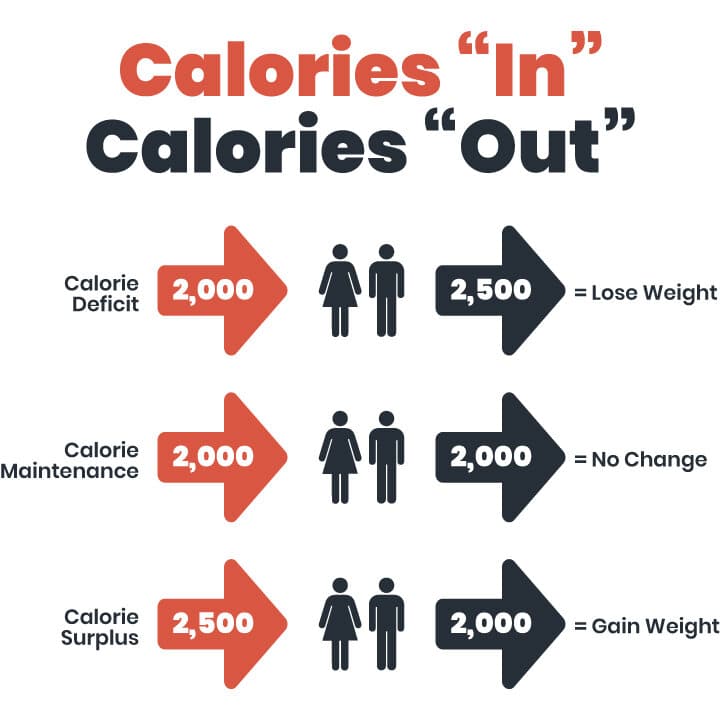
Calculating your daily caloric needs involves taking into account factors such as your activity level and weight loss goals. If you lead a sedentary lifestyle, often sitting at a desk for extended periods, you would multiply your BMR by a low activity factor (typically 1.2). If you engage in moderate exercise or have an active job, you would use a higher activity factor (1.5 to 1.75). By multiplying your BMR by this activity factor, you can estimate the number of calories you need to maintain your current weight. To lose weight, you’ll need to create a calorie deficit by consuming fewer calories than your calculated daily caloric needs.
Choosing an Appropriate Calorie Deficit
When setting a calorie goal for weight loss, it’s important to choose an appropriate calorie deficit. A moderate calorie deficit is generally recommended to promote sustainable and healthy weight loss. Aim for a deficit of around 500 to 750 calories per day, as this generally results in a steady weight loss of 1 to 2 pounds per week. Going for extreme calorie deficits may lead to muscle loss, nutrient deficiencies, and slower metabolism. It’s crucial to prioritize your health and well-being while pursuing weight loss.
Understanding Calorie Counting
What are Calories?
Calories are a unit of measurement for energy. They represent the amount of energy stored in food that is available for our bodies to use. When we consume more calories than our body needs to perform daily functions and activities, the excess energy is stored as fat. On the other hand, if we consume fewer calories than our body requires, it will begin to tap into stored fat for energy, resulting in weight loss.
The Role of Calories in Weight Loss
Calorie counting forms the foundation of many weight loss plans. By tracking and managing your caloric intake, you can create a calorie deficit and promote weight loss. By understanding the role of calories in weight loss, you can make informed decisions about the foods you consume and ensure you remain within your desired calorie range.
Differentiating Between Calorie Types
It’s important to note that not all calories are created equal. While the quantity of calories is crucial for weight loss, the quality of those calories also matters. Different types of foods provide different amounts of macronutrients, such as carbohydrates, proteins, and fats. These macronutrients have different effects on our bodies and can impact satiety, energy levels, and overall health. It’s essential to choose nutrient-dense foods that provide valuable vitamins, minerals, and fiber along with their calorie content.
Reading Food Labels for Accurate Calorie Counting
To accurately count calories, it’s important to read and understand food labels. Food labels provide information about the serving size, calories, and nutrient content of a particular food item. Pay close attention to the serving size, as it may be different from the portion you plan to consume. Use the calorie information to track your intake and make informed decisions about the foods you choose. Additionally, be mindful of hidden sources of calories, such as added sugars and fats, which may contribute to weight gain if consumed in excess.
Establishing a Food Diary
The Benefits of Keeping a Food Diary
Keeping a food diary can be a powerful tool for weight loss. It helps you become more aware of your eating habits and patterns, making it easier to identify areas where improvements can be made. A food diary also provides a sense of accountability and helps you stay on track with your calorie goals. Studies have shown that individuals who keep a food diary tend to lose more weight and keep it off in the long term.
Selecting a Method to Track Calories
When it comes to tracking calories, there are several methods to choose from. Some people prefer using smartphone apps or online platforms that offer calorie tracking features. These apps often have extensive databases of foods, making it easier to find accurate calorie counts. Alternatively, you can opt for a traditional pen and paper approach, where you record your meals and snacks manually. Choose a method that feels comfortable and convenient for you, as consistency is key when it comes to tracking your caloric intake.
Recording Meals and Snacks Diligently
To get the most out of your food diary, it’s essential to record meals and snacks diligently. Be as detailed as possible, including portion sizes and the method of preparation. It’s easy to underestimate or forget about certain food items, especially when it comes to small snacks or condiments. Make it a habit to record everything you consume, and you’ll gain a clearer picture of your calorie intake and areas where adjustments may be necessary.
Choosing Nutrient-Dense Foods
The Importance of Nutrient Density in Weight Loss
When it comes to weight loss, focusing on nutrient-dense foods is crucial. Nutrient-dense foods provide a higher concentration of essential vitamins, minerals, and other important nutrients compared to their calorie content. By including more nutrient-dense foods in your diet, you can ensure you’re getting the necessary nutrients while still maintaining a calorie deficit. This approach promotes overall health, satiety, and well-being throughout your weight loss journey.
Incorporating Whole Grains and Fiber-Rich Foods
Whole grains and fiber-rich foods should be staples in a calorie-conscious diet. They provide essential dietary fiber, which aids in digestion, promotes satiety, and helps regulate blood sugar levels. Opt for whole grain bread, brown rice, quinoa, and oats as healthy carbohydrate sources. Include fiber-rich fruits and vegetables, such as broccoli, berries, and leafy greens, to add nutritional value to your meals while keeping calories in check.
Including Lean Proteins for Satiety
Protein plays a vital role in weight loss as it helps promote feelings of fullness, preserves muscle mass, and supports muscle recovery after exercise. Incorporating lean sources of protein, such as chicken breast, fish, tofu, and legumes, can help you meet your protein needs while keeping calories in check. Aim for a balance between protein, carbohydrates, and healthy fats to create a well-rounded meal that supports your weight loss goals.
Opting for Fruits and Vegetables as Calorie-Friendly Choices
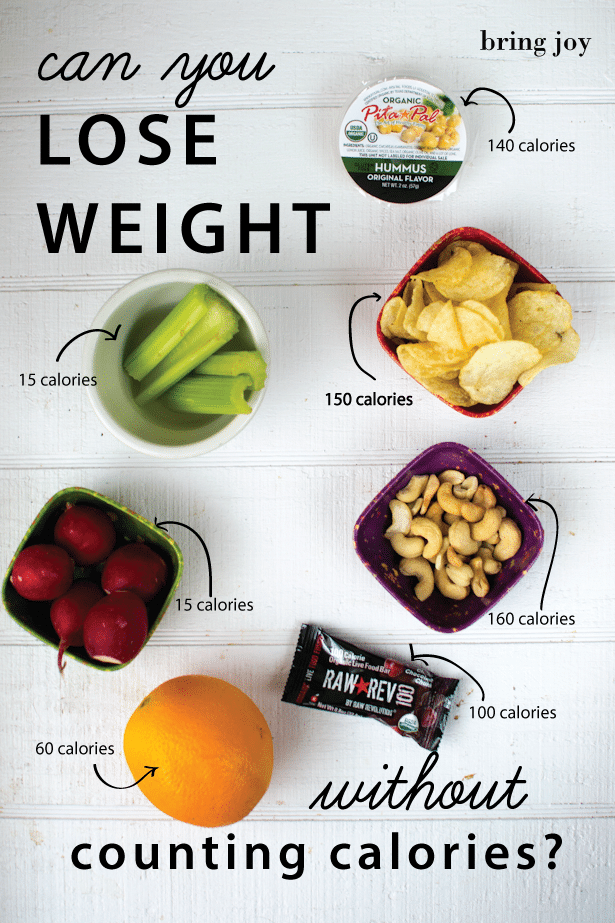
Fruits and vegetables are excellent choices for weight loss due to their relatively low calorie and high nutrient content. They provide essential vitamins, minerals, and fiber while offering a natural sweetness and satisfying crunch. Incorporate a colorful variety of fruits and vegetables into your meals and snacks to add flavor, texture, and nutritional value to your diet. These calorie-friendly choices can help you create a balanced and satisfying eating plan.
Managing Caloric Intake
Creating a Meal Plan
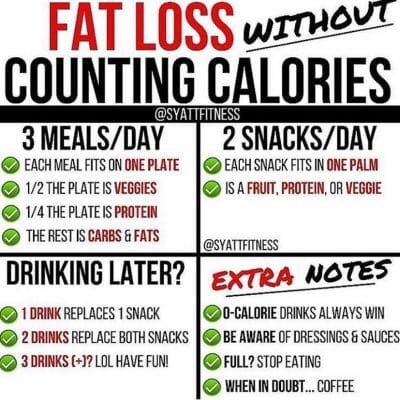
Creating a meal plan can be a helpful way to manage your caloric intake and ensure you’re meeting your nutritional needs. Start by determining your calorie goal and divide it into meals and snacks throughout the day. Plan meals that include a balance of protein, carbohydrates, and healthy fats, along with fruits and vegetables. Having a meal plan in place can help you make healthier choices, avoid impulsive eating, and stay on track with your calorie goals.
Portion Control Techniques
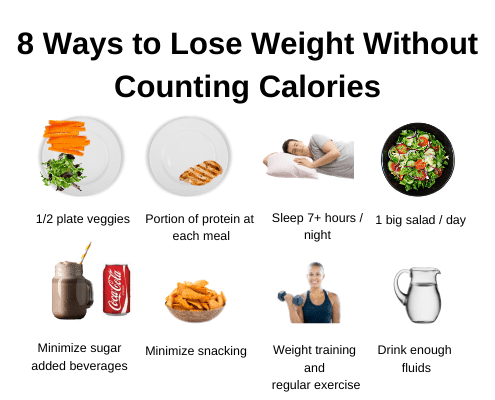
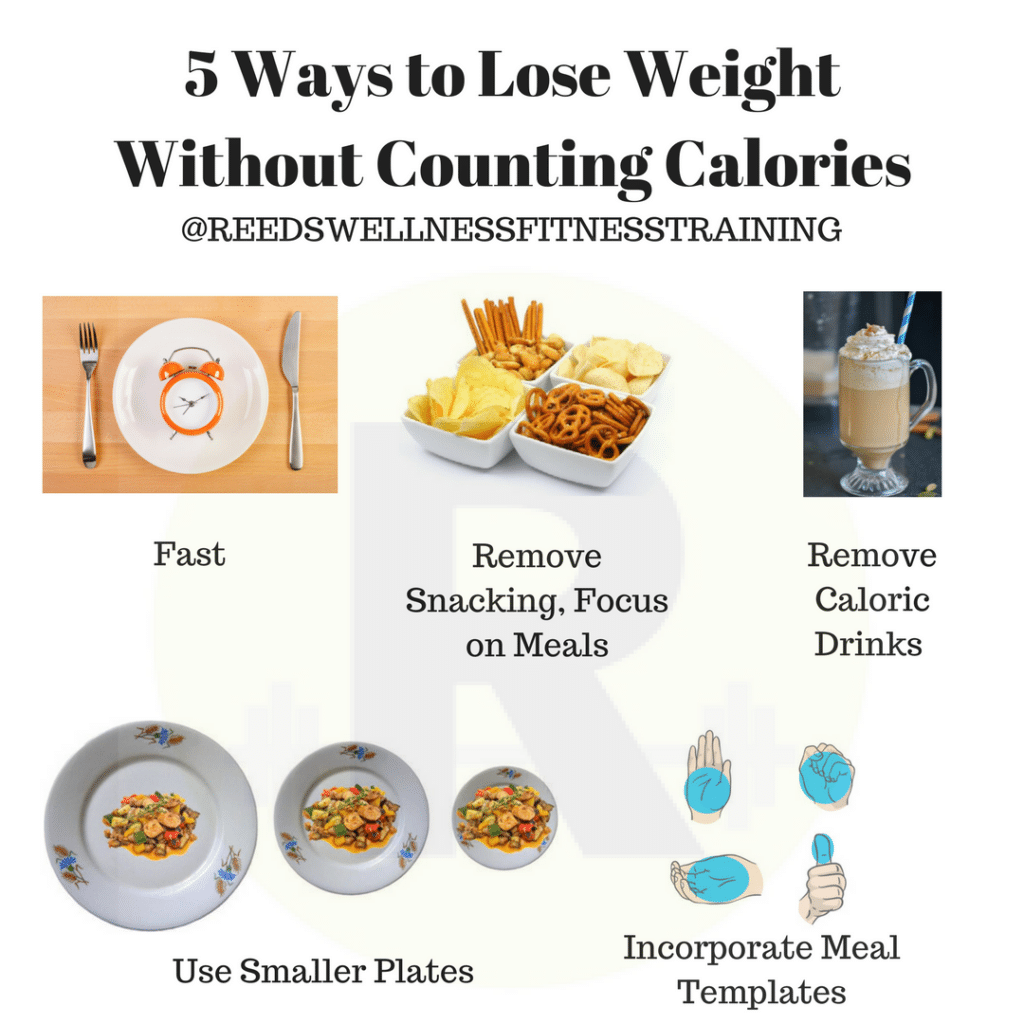
Portion control is an essential aspect of managing your caloric intake. It’s easy to unintentionally consume more calories than necessary by overeating or underestimating portion sizes. To practice portion control, consider using smaller plates and bowls to create the illusion of a fuller plate. Measure and weigh your food to ensure accuracy, especially when starting your calorie counting journey. It may take some practice, but being mindful of portion sizes can significantly impact your calorie intake and weight loss progress.
Mindful Eating Practices
In addition to portion control, cultivating mindful eating practices can help you manage your caloric intake. Mindful eating involves paying full attention to the present moment, savoring each bite, and recognizing hunger and satiety cues. Eating slowly and without distractions allows you to fully appreciate the taste and texture of your food while giving your brain enough time to register feelings of fullness. By practicing mindful eating, you can avoid overeating and develop a healthier relationship with food.
Identifying and Overcoming Emotional Eating
Emotional eating can sabotage your weight loss efforts, as it often involves consuming excess calories to cope with negative emotions or stress. It’s important to identify triggers that lead to emotional eating and find alternative ways to address these emotions. Engaging in stress-relieving activities, seeking support from friends or a therapist, and finding healthy outlets for emotions can help you overcome emotional eating. Developing emotional awareness and implementing coping strategies will enable you to manage your caloric intake more effectively and promote long-term weight loss success.
Tracking Daily Calorie Consumption
Utilizing Smartphone Apps for Tracking
In today’s digital age, smartphone apps can be a convenient and efficient way to track your daily calorie consumption. Many apps offer extensive food databases, allowing you to search for specific items and record their calorie content. These apps often provide additional features such as barcode scanning, recipe builders, and meal planning tools to simplify the process of tracking calories. Find an app that suits your preferences and fits seamlessly into your daily routine.
Using Online Calorie Counters
If smartphone apps aren’t your preferred method, online calorie counters can also be a valuable resource. Numerous websites provide comprehensive food databases and calculators to help you track your calorie intake. Some even offer personalized recommendations based on your goals and dietary preferences. Online calorie counters can be a reliable tool for monitoring your consumption, especially if you spend a significant amount of time on your computer or prefer a web-based platform.
Weighing and Measuring Food Accurately
When tracking calories, it’s essential to weigh and measure your food accurately. Eyeballing portion sizes can lead to significant inaccuracies, potentially derailing your weight loss progress. Invest in a kitchen scale and measuring cups to ensure precise measurements. Refer to food labels or reputable nutrition resources to determine the calorie content of your meals and snacks. By being diligent with your measurements, you can have confidence in the accuracy of your calorie tracking.
Recording Overlooked Sources of Calories
While you may be diligent in tracking main meals, it’s crucial to be aware of overlooked sources of calories. Condiments, dressings, cooking oils, and beverages can all contribute to your overall caloric intake. Use measuring spoons or kitchen scales to accurately determine the amount of these hidden sources of calories. Additionally, be mindful of the calories in alcoholic beverages, sugary drinks, and snacks that can add up quickly if not accounted for. By recording these overlooked sources of calories, you can make more informed choices and stay within your desired calorie range.
Adjusting Calorie Intake for Weight Loss
Monitoring Weight Loss Progress
To assess the effectiveness of your calorie intake, it’s important to monitor your weight loss progress. Regularly weigh yourself, preferably at the same time of day, to track changes in your weight. Keep in mind that weight loss is not always linear, and fluctuations can occur due to factors such as water retention or muscle gain. Consider using a weight tracking app or keeping a journal to record your progress consistently. By monitoring your weight loss, you can make adjustments to your calorie intake as needed.
Modifying Calorie Intake Based on Results
If you find that your weight loss progress has stalled or slowed down over time, it may be necessary to modify your calorie intake. As you lose weight, your caloric needs may decrease, and you may need to revisit your initial calculations. Reduce your daily calorie intake further or increase your activity level to create a new calorie deficit. However, it’s important to avoid drastic calorie reductions, as they can be unsustainable and may harm your overall health. Aim for gradual and steady progress towards your weight loss goals.
Avoiding Drastic Calorie Reductions
While it may be tempting to drastically reduce your calorie intake to accelerate weight loss, it’s not recommended for long-term success. Drastic calorie reductions can lead to nutrient deficiencies, muscle loss, and a slowed metabolism. Moreover, such extreme measures are often difficult to sustain, resulting in potential binge eating or yo-yo dieting patterns. Instead, prioritize a moderate calorie deficit and focus on making sustainable lifestyle changes that you can maintain in the long run.
Reassessing Calorie Needs Periodically
As you progress on your weight loss journey, it’s important to reassess your calorie needs periodically. Weight loss, changes in physical activity levels, and metabolic adaptations may require adjustments to your calorie intake. Consider recalculating your BMR and daily caloric needs every few weeks or as needed. By consistently evaluating and adjusting your calorie intake, you can continue to make progress towards your weight loss goals and maintain a healthy and sustainable lifestyle.
Incorporating Physical Activity
Understanding the Role of Exercise in Weight Loss
While managing your caloric intake is crucial for weight loss, incorporating physical activity can enhance your results and improve overall health. Exercise helps increase calorie expenditure, build muscle mass, and boost metabolism. Cardiovascular exercises like walking, running, cycling, and swimming help burn calories, while strength training exercises help build lean muscle, which can increase your resting metabolic rate. When combined with a calorie deficit, regular exercise can accelerate weight loss and improve body composition.
Choosing Suitable Activities
When selecting physical activities for weight loss, it’s important to choose exercises that you enjoy and are sustainable in the long term. Consider activities that fit your fitness level, preferences, and lifestyle. Whether it’s jogging outdoors, attending group fitness classes, or joining a sports team, finding activities that keep you engaged and motivated will increase the likelihood of sticking with your exercise routine. Experiment with different activities until you find the ones that bring you joy and help you achieve your weight loss goals.
Calculating Calorie Expenditure Through Exercise
To estimate the calorie expenditure of your physical activities, you can use online calculators or wearable fitness trackers. These tools consider factors such as your weight, the intensity, and duration of the exercise to provide an estimate of calories burned. Keep in mind that these estimates may not be 100% accurate, as individual variations in metabolism and fitness levels can influence calorie expenditure. Use these calculations as a general guideline and be cautious not to overcompensate for exercise by consuming extra calories.
Combining Diet and Exercise Effectively
When it comes to weight loss, the combination of a calorie deficit and regular exercise is powerful. By creating a calorie deficit through proper nutrition and incorporating physical activity, you can maximize your weight loss results. However, it’s important to strike a balance and not solely rely on exercise to compensate for a high-calorie diet. Remember that weight loss ultimately comes down to consuming fewer calories than you burn. By combining diet and exercise effectively, you can achieve sustainable weight loss and improve your overall fitness and well-being.
Overcoming Challenges and Plateaus
Dealing with Cravings and Temptations
Weight loss journeys often come with challenges such as cravings and temptations, which can derail progress if not managed effectively. To overcome these challenges, it’s important to develop strategies to navigate cravings and make healthier choices. One approach is to practice portion control and indulge in moderation. Allow yourself small amounts of your favorite indulgent foods while balancing them with nutritious options. Another strategy is to find healthier alternatives or alternatives that provide similar flavors or textures without the excess calories. Remember, progress is about consistency, not perfection.
Plateau Identification and Strategies
Weight loss plateaus are common and can be frustrating. They occur when your body adapts to your reduced calorie intake, and your weight loss slows down or comes to a halt. To overcome plateaus, it’s essential to reassess your diet and exercise routine. Consider adjusting your calorie intake, increasing your physical activity, or incorporating new exercises to challenge your body. Additionally, vary your routine to prevent boredom and keep your metabolism engaged. Stay patient and persistent, as plateaus are part of the weight loss journey, and with the right adjustments, you can break through them.
Seeking Support and Accountability
Embarking on a weight loss journey can be challenging, and having a support system can greatly improve your chances of success. Share your goals with friends, family, or a trusted support group who can offer encouragement and accountability. You can also consider partnering with a workout buddy or hiring a professional, such as a registered dietitian or personal trainer, to provide guidance and support. Knowing that you have someone cheering you on and holding you accountable can make a significant difference in staying motivated and committed to your weight loss goals.
Staying Motivated Throughout the Weight Loss Journey
Weight loss is a journey that requires consistent effort and motivation. To stay motivated, it’s important to set realistic goals, celebrate small victories, and focus on non-scale victories such as increased energy or improved fitness levels. Surround yourself with positive influences, whether it’s reading success stories, listening to motivational podcasts, or joining online communities of like-minded individuals. Remember that progress takes time, and setbacks are a natural part of the journey. Stay optimistic, stay persistent, and celebrate every step forward towards your ultimate goal.
Maintaining Long-Term Success
Transitioning from Weight Loss to Maintenance
Once you have achieved your weight loss goals, transitioning to weight maintenance is a critical next step. It’s important to shift your focus from a calorie deficit to maintaining a balanced and healthy lifestyle. Gradually increase your calorie intake to a level that aligns with maintaining your desired weight. Monitor your progress and make adjustments as needed. The transition may require some trial and error, but by implementing sustainable habits learned during your weight loss journey, you can maintain your success in the long term.
Setting Realistic Goals for Weight Maintenance
While setting goals during weight loss is essential, it’s equally important to set realistic goals for weight maintenance. Recognize that maintaining a healthy weight is a lifelong commitment and may involve occasional fluctuations. Aim for a weight that is sustainable and aligns with your overall well-being, rather than striving for an unrealistic or unhealthy physique. Shift your focus from the number on the scale to overall health markers such as energy levels, strength, and mental well-being. Remember, successful maintenance is about finding balance and embracing a healthy lifestyle.
Establishing Healthy Eating Habits
To maintain long-term success, it’s crucial to establish healthy eating habits. Focus on a diet that emphasizes whole, nutrient-dense foods while still allowing for occasional indulgences. Make fruits and vegetables the foundation of your meals, include lean sources of protein, whole grains, and healthy fats. Practice portion control, mindful eating, and listen to your body’s hunger and satiety cues. By adopting healthy eating habits, you can nourish your body, maintain your weight loss, and support overall health and well-being.
Maintaining an Active Lifestyle
Regular physical activity should remain a cornerstone of your maintenance plan. Continue to engage in activities you enjoy to ensure you stay active and maintain your fitness levels. Consider setting new fitness goals, such as participating in races or trying new sports or exercises. Incorporate both cardiovascular exercises and strength training into your routine to maintain cardiovascular health, muscle mass, and overall fitness. Make staying active a priority, and it will become an integral part of your daily life, contributing to long-term weight maintenance and optimal well-being.
In conclusion, losing weight by counting calories is a tried and tested method for achieving sustainable weight loss. By setting a calorie goal, understanding calorie counting, establishing a food diary, choosing nutrient-dense foods, managing caloric intake, tracking daily calorie consumption, adjusting calorie intake, incorporating physical activity, overcoming challenges and plateaus, and maintaining long-term success, you can successfully lose weight and achieve your desired goals. Remember, the journey may have its ups and downs, but with dedication, consistency, and the right strategies, you can create lasting changes for a healthier and happier you.