
Have you ever wondered how intermittent fasting can help with weight loss? For a long time, I had my doubts, but after doing my research, I discovered that it can be an effective tool for many people. Let me take you through my journey of understanding intermittent fasting and how it can contribute to weight loss.
What is Intermittent Fasting?
Intermittent fasting (IF) isn’t about what you eat, but rather when you eat. It’s a pattern of eating that cycles between periods of fasting and eating. This approach doesn’t restrict calories in a traditional sense but rather limits the timeframe in which I consume food.
Different Methods of Intermittent Fasting
There are several popular methods of intermittent fasting, and I found a few that particularly resonated with me. Here’s a quick overview:
| Method | Description |
|---|---|
| 16/8 Method | Fast for 16 hours and eat during an 8-hour window. |
| 5:2 Diet | Eat normally for 5 days and restrict calories to 500-600 on 2 non-consecutive days. |
| Eat-Stop-Eat | Fast for a full 24 hours once or twice a week. |
| Alternate-Day Fasting | Alternate between days of eating normally and days of fasting. |
Each of these methods is flexible, which is one of the reasons I find them appealing. I can choose a method that fits my lifestyle, which makes it easier to stick with it.
How Does Intermittent Fasting Work?
Understanding the science behind intermittent fasting has been enlightening for me. Simply put, it impacts my body on both a hormonal and cellular level.
Hormonal Changes
During fasting periods, several things happen in my body. The most significant changes include:
- Insulin Levels Drop: Lower insulin levels facilitate fat burning. It’s during this period that my body is able to utilize fat stores for energy more efficiently.
- Increased Human Growth Hormone (HGH): Higher levels of HGH can help with fat loss and muscle gain.
- Cellular Repair Processes: Fasting triggers autophagy, where my body removes old and dysfunctional proteins from cells.
These hormonal changes make it easier for my body to shed excess weight while maintaining energy.
Metabolism Boost
When I fast, my metabolism can increase due to hormonal changes, helping me burn more calories. Research suggests that intermittent fasting can enhance metabolic rate by 3.6-14%, which is a significant boost for someone looking to lose weight.

Benefits of Intermittent Fasting for Weight Loss
I became intrigued by the various benefits of intermittent fasting, especially its effectiveness in weight management. Here are some key advantages I learned about:
Easy to Follow
One of the first things I noticed was how straightforward intermittent fasting can be. Unlike traditional diets, there are no elaborate meal plans or calorie restrictions to deal with. I simply need to focus on when I eat, which made it SO much easier for me.
Reduces Calorie Intake
By limiting my eating window, I found that I naturally consumed fewer calories without even trying. This reduction in calorie intake plays a vital role in weight loss. I didn’t feel deprived; I just felt more organized.
Promotes Fat Loss
As I mentioned earlier, during fasting, my body taps into fat stores for energy. I learned that this mechanism not only helps with weight loss but also makes it sustainable in the long run.
Improves Insulin Sensitivity
Improved insulin sensitivity helps my body utilize glucose more effectively, which is crucial for weight control. It’s fascinating how my body can rewire itself through fasting!
Boosts Energy Levels
Once I adjusted to my new eating schedule, I discovered I had more energy throughout the day. The focus during the fasting period became a welcome norm, allowing me to tackle daily tasks with zeal.
Setting Up an Intermittent Fasting Schedule
If I’m considering trying intermittent fasting, the first step is to choose a method that works for my lifestyle. Here’s how I set up my fasting schedule:
Step 1: Choose My Method
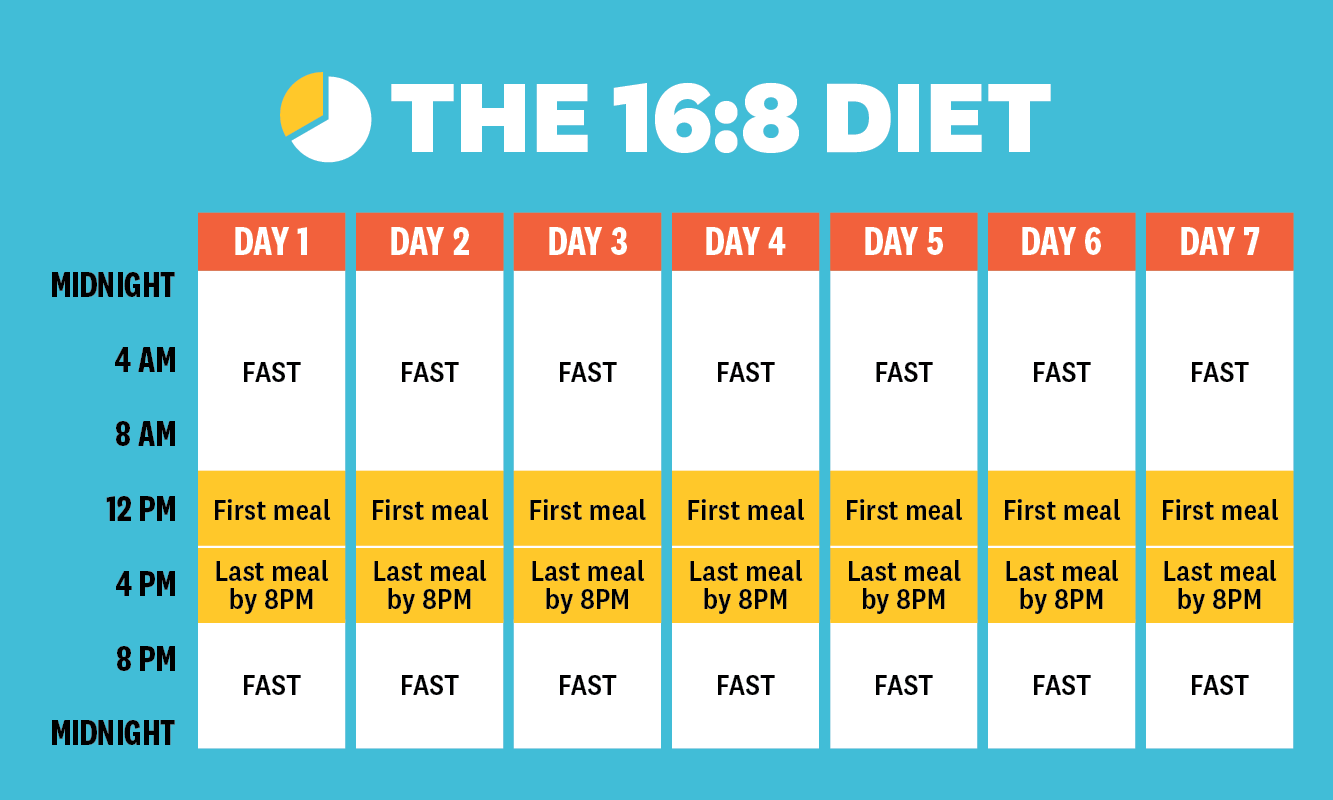
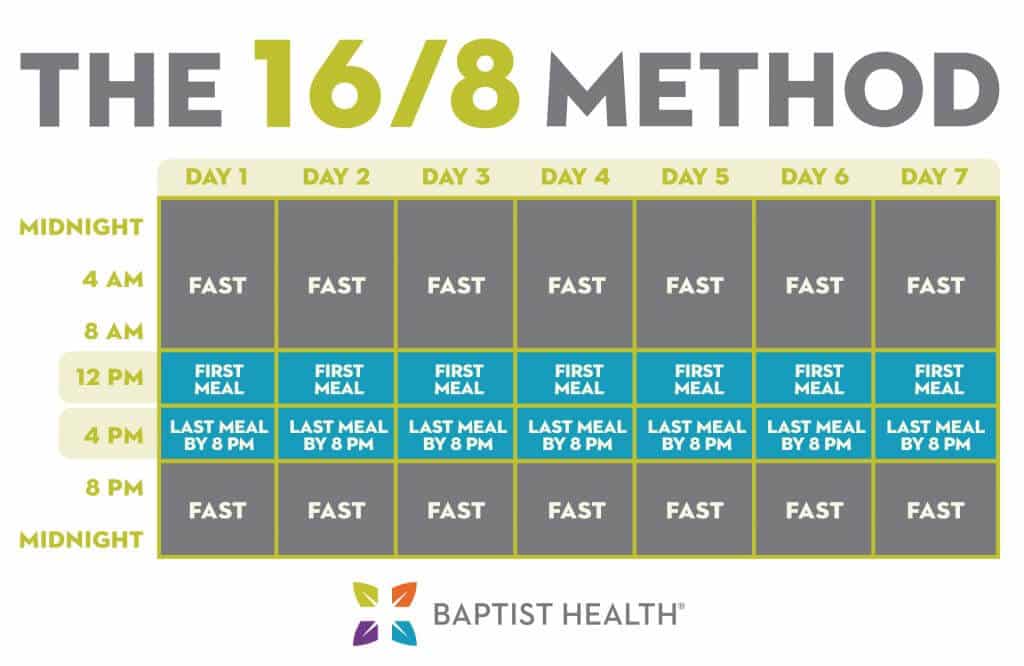
As I mentioned earlier, picking a fasting method is the first step. For instance, I opted for the 16/8 method, which felt manageable since I could skip breakfast and enjoy my meals between midday and 8 p.m.
Step 2: Gradual Adjustment
I realized it was important to ease into the routine. Initially, I extended my overnight fast from 12 hours to 14 hours, then finally settled into the 16-hour fasting window. This gradual approach helped me adapt without feeling overwhelmed.
Step 3: Stay Hydrated
Drinking plenty of water during fasting hours has been crucial. I found that hydration helps me stave off hunger pangs and keeps my body functioning well.
Step 4: Listen to My Body
I learned to pay attention to my body’s signals. If I felt overly hungry or fatigued, I would adjust my fasting window accordingly. It’s essential for me to find what feels right.
Preparing Meals During Eating Windows
Understanding how to prepare meals during my eating windows has made a significant difference in practicing intermittent fasting effectively.
Focus on Nutrient-Dense Foods
When I eat, I aim for meals that are high in nutrients. By focusing on whole foods—vegetables, fruits, lean proteins, and healthy fats—I feel satisfied for longer and stay energized.
Meal Prep Strategies
I found that meal prepping works wonders for me. Planning and preparing meals in advance helps ensure that I’m not reaching for unhealthy snacks when hunger strikes.
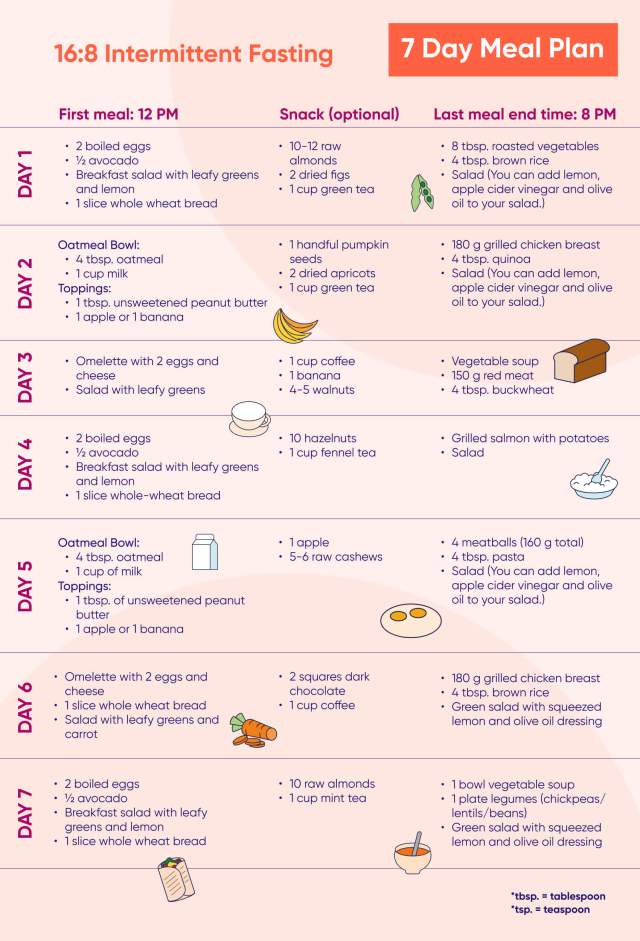
Here’s a simple framework I use to plan my meals:
| Meal Type | Food Options |
|---|---|
| Breakfast (if I choose to eat) | Oatmeal, Greek yogurt, smoothies |
| Lunch | Grilled chicken, salads with plenty of veggies, quinoa |
| Dinner | Baked fish, roasted vegetables, brown rice |
| Snacks | Nuts, fruits, hummus with veggies |
Potential Challenges with Intermittent Fasting
While I’ve enjoyed the benefits of intermittent fasting, I also encountered challenges. Here are some struggles I faced:
Initial Hunger Pangs
At first, I experienced hunger pangs, especially during the fasting window. However, I learned they would pass as my body adjusted over time.
Social Situations
Attending social events can pose difficulties. It took some time to explain my new eating habits to friends and family, and integrating my fasting schedule with others was sometimes tricky.
Overeating During Eating Windows
On occasion, I found myself overeating during my eating windows. This often happened when I was particularly hungry due to fasting. To combat this, I focused on portion control and mindful eating practices.
Long-Term Considerations
For anyone contemplating intermittent fasting, I see the importance of considering the long-term implications. Here are several critical aspects I keep in mind:
Sustainability
I think about whether I can sustain this lifestyle over time. While intermittent fasting has become a normal routine for me, it’s essential I remain flexible and willing to adjust if needed.
Nutritional Balance
I prioritize maintaining nutritional balance. This involves not just focusing on caloric intake but ensuring I’m getting a wide range of nutrients to support my overall health.
Listening to My Body
Checking in with myself regularly is vital. I monitor how I feel physically and mentally, and I am open to altering my practice based on what works best for me.
Intermittent Fasting and Exercise
As someone who enjoys being active, I also ponder the role of exercise in conjunction with intermittent fasting. Here’s how I integrate the two:
Timing Workouts
I find that timing my workouts during my eating windows gives me a solid energy boost. For instance, exercising just before breaking my fast allows me to fuel my body effectively post-workout.
Types of Workouts
I usually balance between strength training and cardio. I learned that both types are crucial for weight loss and overall health, and I strive to mix them in my routine.
Hydration
As always, I emphasize hydration before, during, and after workouts, especially during fasting periods.
Final Thoughts
In summary, I’ve found intermittent fasting to be a powerful tool for weight loss. The simplicity of this approach, combined with the benefits I’ve garnered—from better fat burning to improved energy levels—makes it an appealing option for my lifestyle.
If you’re considering intermittent fasting, I encourage you to take the time to learn more, find what works for you, and listen to your body.
When embarking on this journey, remember that the goal is not solely weight loss but also understanding how different eating patterns can enhance your well-being. By considering nutritional balance and sustainability, I believe anyone can harness the advantages of intermittent fasting.
So, have you thought about mixing up your eating habits with intermittent fasting? It could be the change you’ve been looking for!


