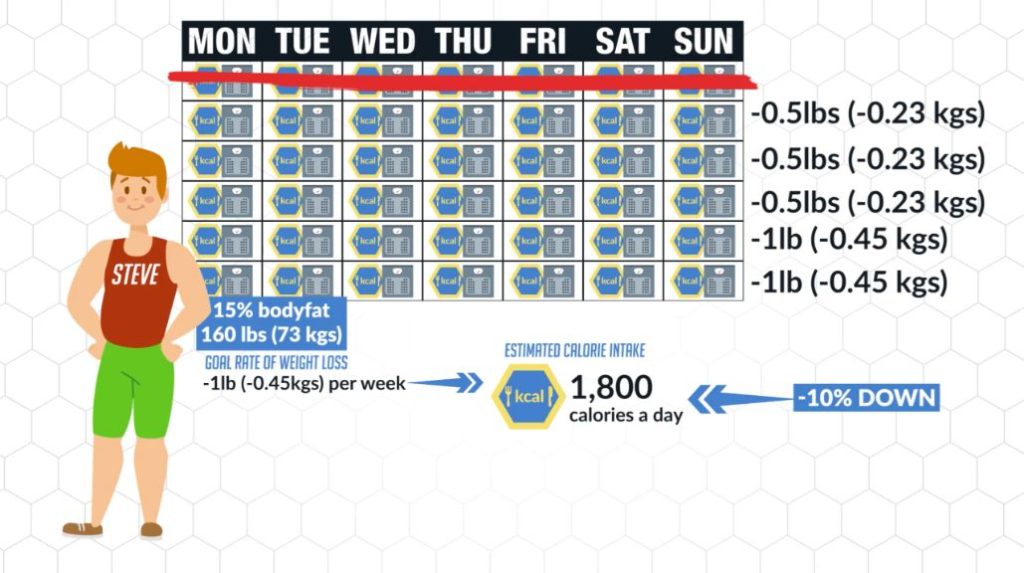
Welcome to the guide on determining the right amount of calories to lose weight. Figuring out the proper balance between calorie intake and expenditure is crucial when striving to shed those extra pounds. By understanding how many calories you should consume daily and how to create a calorie deficit, you will be well on your way to achieving your weight loss goals. Let’s dive into the importance of calorie counting and how it can help you on your journey to a healthier you. How many calories should you be eating to lose weight?

Understanding Calories and Weight Loss
Hey there! If you’re reading this, you’re probably looking for some guidance on how many calories you should be eating to lose weight. It can be confusing to figure out the right amount, but don’t worry – I’m here to help break it down for you.
What are calories?
Calories are a unit of energy that is found in food and drink. When we eat and drink, we consume calories, and our bodies use those calories to fuel our daily activities. If we consume more calories than our bodies need, the excess calories are stored as fat, leading to weight gain.
How many calories do you need to eat to maintain your current weight?
The number of calories you need to maintain your current weight depends on a variety of factors, including your age, gender, weight, height, and activity level. A basic way to estimate your maintenance calories is to multiply your body weight in pounds by 15.
How many calories do you need to cut to lose weight?
To lose weight, you need to create a calorie deficit, which means you need to consume fewer calories than your body needs to maintain its current weight. A safe and sustainable rate of weight loss is about 1-2 pounds per week, which requires a calorie deficit of 500-1000 calories per day.
How to Calculate Your Personal Caloric Needs
Let’s break down the process of calculating the right amount of calories for you to lose weight:
Step 1: Calculate your Basal Metabolic Rate (BMR)
Your Basal Metabolic Rate (BMR) is the number of calories your body needs to maintain its basic functions at rest. There are several formulas you can use to calculate your BMR, such as the Mifflin-St Jeor Equation:
- For women: BMR = (10 x weight in kg) + (6.25 x height in cm) – (5 x age in years) – 161
- For men: BMR = (10 x weight in kg) + (6.25 x height in cm) – (5 x age in years) + 5
Step 2: Factor in your activity level
Once you have calculated your BMR, you need to factor in your activity level to determine your Total Daily Energy Expenditure (TDEE).
- Sedentary: BMR x 1.2 (little to no exercise)
- Lightly active: BMR x 1.375 (light exercise/sports 1-3 days/week)
- Moderately active: BMR x 1.55 (moderate exercise/sports 3-5 days/week)
- Very active: BMR x 1.725 (hard exercise/sports 6-7 days a week)
- Extra active: BMR x 1.9 (hard exercise 2x a day, physical job)
Step 3: Create a calorie deficit
To lose weight, you need to create a calorie deficit by consuming fewer calories than your TDEE. A deficit of 500-1000 calories per day will result in a weight loss of 1-2 pounds per week.

Tracking Your Caloric Intake
Food diary
Keeping a food diary can be a helpful tool in tracking your caloric intake. There are many apps available that make it easy to log your meals and track your daily calories. By becoming more aware of what you eat, you can make better choices and stay within your calorie goals.
Portion control
Portion control is another important aspect of managing your caloric intake. By measuring your portions and being mindful of serving sizes, you can prevent overeating and stay on track with your weight loss goals.
Nutritional labels
Reading nutritional labels on food packaging is crucial for understanding the calorie content of the foods you consume. Pay attention to serving sizes and calories per serving to make informed decisions about what you eat.
Choosing Nutrient-Dense Foods
Fruits and vegetables
Fruits and vegetables are low in calories and high in vitamins, minerals, and fiber. Incorporating a variety of fruits and vegetables into your diet can help you feel full and satisfied while keeping your calorie intake in check.
Lean proteins
Proteins such as chicken, turkey, fish, tofu, and legumes are important for muscle repair and growth. Including lean proteins in your meals can help you feel full and satisfied, making it easier to stick to your calorie goals.
Whole grains
Whole grains like quinoa, brown rice, oats, and whole wheat bread are rich in fiber and can help regulate your blood sugar levels. Choosing whole grains over refined grains can help you maintain steady energy levels and avoid cravings.
Healthy fats
Healthy fats found in foods like avocados, nuts, seeds, and olive oil are essential for brain function and hormone production. Including a moderate amount of healthy fats in your diet can help you feel satisfied and prevent overeating.
Maintenance and Long-Term Success
Re-Evaluating your caloric needs
As you lose weight, your caloric needs will change. It’s important to periodically re-evaluate your BMR and TDEE to adjust your calorie intake accordingly. This will prevent weight loss plateaus and ensure continued progress towards your goals.
Mindful eating
Practicing mindful eating means being present and attentive while you eat, savoring each bite, and paying attention to hunger and fullness cues. This can help you develop a healthier relationship with food and prevent overeating.
Regular exercise
Incorporating regular exercise into your routine is essential for long-term weight maintenance. Physical activity not only burns calories but also improves overall health, boosts mood, and increases metabolism.
Final Thoughts
Losing weight is a journey that requires dedication, patience, and consistency. By understanding the amount of calories you need to lose weight and making informed choices about your diet and lifestyle, you can achieve your weight loss goals in a healthy and sustainable way. Remember, it’s not about perfection, but progress. You’ve got this!