The Volumetrics Diet is a unique approach to weight management that emphasizes the importance of food volume rather than calorie count. You may find this method appealing if you’ve ever felt deprived while trying to lose weight. Instead of focusing solely on restricting calories, the Volumetrics Diet encourages you to fill your plate with low-calorie, high-volume foods, allowing you to eat satisfying portions while still losing weight.
This diet is not just about what you eat; it’s about how you eat, promoting a lifestyle change that can lead to sustainable weight loss and improved health. As you embark on this journey, you’ll discover that the Volumetrics Diet is rooted in the science of satiety and hunger. By choosing foods that are low in calories but high in volume, you can enjoy larger servings without the guilt.
This approach not only helps you manage your weight but also fosters a healthier relationship with food. You’ll learn to appreciate the textures and flavors of various foods while making choices that support your health goals.
Key Takeaways
- The Volumetrics Diet focuses on eating high-volume, low-calorie foods to feel full and satisfied while losing weight.
- The science behind the Volumetrics Diet is based on the concept of energy density, which emphasizes foods with low energy density to promote weight loss.
- Implementing the Volumetrics Diet into your daily routine involves prioritizing fruits, vegetables, lean proteins, and whole grains while limiting high-energy-dense foods.
- The best foods to eat on the Volumetrics Diet include non-starchy vegetables, fruits, lean proteins, whole grains, and broth-based soups.
- Success on the Volumetrics Diet can be achieved by staying hydrated, planning meals ahead, practicing portion control, and incorporating regular physical activity.
Understanding the Science Behind the Volumetrics Diet
At the core of the Volumetrics Diet lies a fundamental understanding of how our bodies perceive fullness. You may be surprised to learn that the brain responds more to the volume of food consumed than to the actual calorie content. This means that by selecting foods that are high in water and fiber, such as fruits and vegetables, you can trick your brain into feeling satisfied with fewer calories.
The diet is based on the principle that low-energy-density foods can help you feel full while still allowing for weight loss. Research has shown that people who consume low-energy-density foods tend to eat fewer calories overall. This is because these foods take up more space in your stomach, signaling to your brain that you are full.
By incorporating these types of foods into your meals, you can enjoy larger portions without exceeding your calorie goals. Understanding this science can empower you to make informed choices about what you eat, leading to a more satisfying and effective weight loss experience.
How to Implement the Volumetrics Diet into Your Daily Routine
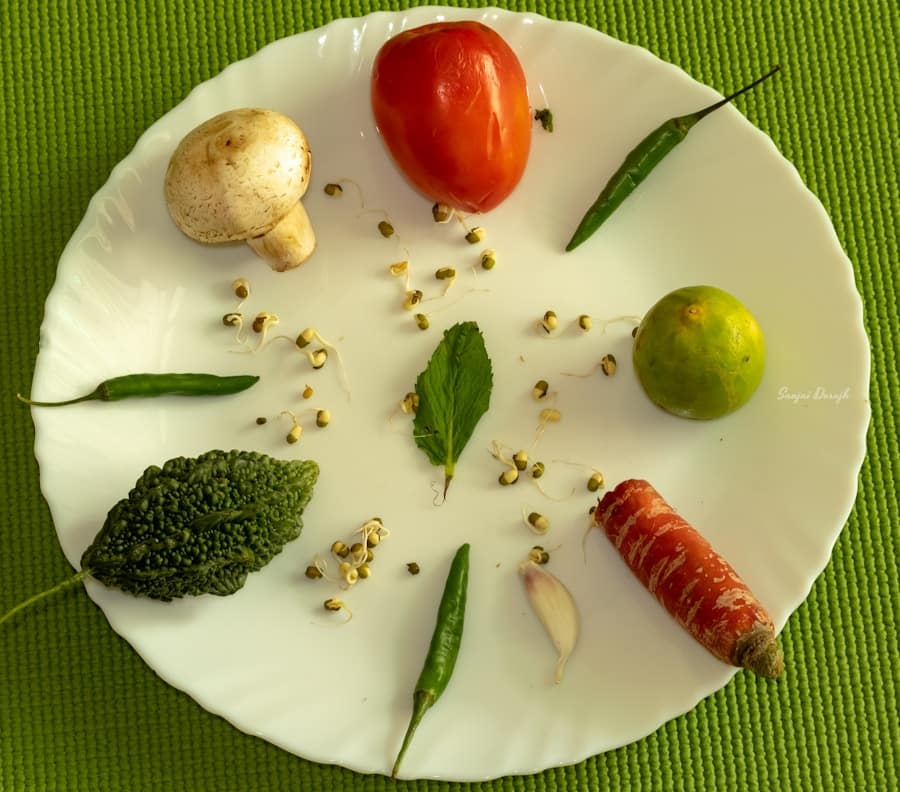
Implementing the Volumetrics Diet into your daily routine doesn’t have to be overwhelming. Start by assessing your current eating habits and identifying areas where you can make changes. You might begin by incorporating more fruits and vegetables into your meals, as these foods are not only low in calories but also packed with essential nutrients.
Consider adding a side salad or a serving of steamed vegetables to your lunch and dinner, which can significantly increase the volume of your meals without adding many calories. Another effective strategy is to plan your meals around low-energy-density foods. When preparing breakfast, for instance, opt for oatmeal topped with fresh berries instead of sugary cereals.
For lunch, consider a hearty vegetable soup or a large salad filled with colorful veggies and lean protein. By making these small adjustments, you’ll find it easier to adhere to the principles of the Volumetrics Diet while still enjoying delicious and satisfying meals throughout the day.
The Best Foods to Eat on the Volumetrics Diet
When following the Volumetrics Diet, it’s essential to focus on foods that are low in energy density. Fruits and vegetables should be at the forefront of your diet, as they are high in water and fiber while being low in calories. You might find yourself reaching for apples, berries, leafy greens, and cucumbers as staples in your grocery list.
These foods not only provide essential vitamins and minerals but also help keep you feeling full and satisfied. In addition to fruits and vegetables, whole grains and lean proteins play a crucial role in this diet. Foods like brown rice, quinoa, and whole-grain bread can add bulk to your meals without significantly increasing calorie intake.
Lean proteins such as chicken breast, fish, and legumes can help you feel satiated while supporting muscle maintenance during weight loss. By combining these food groups creatively, you can create balanced meals that align with the principles of the Volumetrics Diet.
Tips for Success on the Volumetrics Diet
To achieve success on the Volumetrics Diet, it’s important to adopt a few key strategies that will help you stay on track. One effective tip is to practice mindful eating. This means taking the time to savor each bite and pay attention to your body’s hunger cues.
By slowing down during meals, you’ll be more attuned to when you’re truly full, which can prevent overeating. Another helpful strategy is meal prepping. By planning and preparing your meals in advance, you can ensure that you always have healthy options available when hunger strikes.
Consider dedicating a few hours each week to chop vegetables, cook grains, and portion out snacks. This not only saves time during busy weekdays but also makes it easier for you to stick to your dietary goals without resorting to unhealthy convenience foods.
The Role of Exercise in the Volumetrics Diet
Here is the rewritten text with 3-4 The Importance of Exercise in Weight Loss
Regular exercise is a crucial component of any weight loss journey, and it’s especially important when following the Volumetrics Diet. Physical activity not only burns calories but also improves overall health and well-being.
Finding Enjoyable Exercise Options
You’re more likely to stick to an exercise routine if you enjoy them. Activities like walking, cycling, or dancing, can make it easier to stay active consistently.
Exercise and the Volumetrics Diet Principles
Exercise can complement the principles of the Volumetrics Diet by increasing energy expenditure. As you consume low-energy-density foods and feel fuller on fewer calories, regular physical activity can help create a calorie deficit necessary for weight loss. Aim for at least 150 minutes of moderate-intensity exercise each week, and consider incorporating strength training exercises to build muscle mass, which can further boost your metabolism.
Potential Pitfalls and How to Overcome Them on the Volumetrics Diet
Like any dietary approach, the Volumetrics Diet comes with its own set of challenges. One common pitfall is underestimating portion sizes of higher-calorie foods. While it’s essential to focus on low-energy-density foods, it’s equally important to be mindful of portion sizes when it comes to higher-calorie items like nuts or oils.
To overcome this challenge, consider measuring out servings instead of eating directly from containers. Another potential hurdle is social situations where unhealthy food options are prevalent. You may find it difficult to stick to your dietary goals at parties or gatherings where high-calorie snacks are abundant.
To navigate these situations successfully, consider eating a healthy snack before attending events or bringing along a dish that aligns with the Volumetrics principles. This way, you’ll have something nutritious to enjoy while still participating in social activities.
Real-life Success Stories on the Volumetrics Diet
Hearing about real-life success stories can be incredibly motivating as you embark on your own journey with the Volumetrics Diet. Many individuals have reported significant weight loss and improved health by adopting this approach. For instance, one woman shared her experience of losing over 30 pounds by focusing on filling her plate with fruits and vegetables while still enjoying her favorite meals in moderation.
Another success story comes from a man who struggled with his weight for years before discovering the Volumetrics Diet. He found that by prioritizing low-energy-density foods and practicing mindful eating, he was able to shed unwanted pounds while still enjoying social gatherings without feeling deprived. These stories serve as a reminder that with dedication and the right strategies, achieving your health goals is entirely possible through the principles of the Volumetrics Diet.
In conclusion, the Volumetrics Diet offers a refreshing perspective on weight management by emphasizing food volume over calorie restriction. By understanding the science behind this approach and implementing practical strategies into your daily routine, you can enjoy satisfying meals while working towards your health goals. With commitment and mindfulness, you’ll find that this diet not only supports weight loss but also fosters a healthier relationship with food for years to come.
If you’re interested in exploring different approaches to weight loss, you may want to check out an article on the benefits of incorporating protein into your diet for weight management. This article discusses how protein can help with satiety and muscle building, which are key components of successful weight loss. You can read more about it here.
FAQs
What is the Volumetrics Diet?
The Volumetrics Diet is a weight loss plan that focuses on consuming foods that are low in energy density, such as fruits, vegetables, and lean proteins, to help individuals feel full and satisfied while consuming fewer calories.
How does the Volumetrics Diet work?
The Volumetrics Diet works by encouraging individuals to eat foods that have a high water and fiber content, which helps to increase feelings of fullness and satisfaction while consuming fewer calories. This can lead to weight loss by promoting a lower overall calorie intake.
What types of foods are encouraged on the Volumetrics Diet?
The Volumetrics Diet encourages the consumption of foods that are low in energy density, such as fruits, vegetables, whole grains, lean proteins, and broth-based soups. These foods are high in water and fiber, which can help individuals feel full and satisfied while consuming fewer calories.
Are there any foods that are restricted on the Volumetrics Diet?
While there are no specific foods that are completely restricted on the Volumetrics Diet, the plan does encourage individuals to limit their intake of high-energy-dense foods, such as fried foods, sugary snacks, and high-fat meats, as these foods are more calorie-dense and can lead to overconsumption of calories.
Is the Volumetrics Diet effective for weight loss?
Research has shown that the Volumetrics Diet can be effective for weight loss, as it promotes the consumption of foods that are low in energy density, which can help individuals feel full and satisfied while consuming fewer calories. However, individual results may vary. It’s always best to consult with a healthcare professional before starting any new diet plan.