Have you ever considered how protein might play a crucial role in managing your weight? It’s fascinating how our dietary choices can influence our overall health, energy levels, and, of course, our body composition. In this journey towards understanding protein and its impact on weight management, I’ll share insights into how I view protein in my diet and how it affects my goals.
Understanding Protein
Protein is one of the three macronutrients, along with fats and carbohydrates. It’s essential for building and repairing tissues, making enzymes and hormones, and providing a structural framework for our bodies. When I think of protein, I often relate it to strength and recovery. It’s not just about muscle gains; protein plays a vital role in overall wellness.
Proteins are made up of amino acids, which are the building blocks our bodies need for various functions. There are 20 different amino acids, and while our bodies can produce some of them, others must come from our diet—these are referred to as essential amino acids.
The Role of Protein in Weight Management
Now, why is protein so significant when it comes to managing weight? I like to think of protein as a multitasker in my diet. It helps regulate my appetite, supports muscle mass, and influences my metabolism.
Satiety: The Feeling of Fullness
One of the reasons I prioritize protein in my meals is its ability to promote satiety. When I include a good amount of protein in my diet, I tend to feel fuller for longer. This reduces the likelihood of unhealthy snacking or overeating later on. Studies suggest that meals higher in protein result in increased feelings of fullness compared to meals that are lower in protein.
Muscle Maintenance and Growth
As I navigate my fitness journey, I’ve learned that muscle is metabolically active tissue. This means that the more muscle I have, the more calories I burn at rest. Prioritizing protein helps me to maintain and build muscle mass. This is particularly important when I’m trying to lose weight, as it helps to prevent the loss of lean body mass that can occur with weight loss.
The Thermic Effect of Food (TEF)
I’ve also come to understand that not all calories are created equal. The thermic effect of food (TEF) describes the energy required to digest, absorb, and metabolize nutrients. Protein has a higher TEF compared to fats and carbohydrates, meaning I burn more calories digesting protein than I do processing the other macronutrients. This fact encourages me to include protein-rich foods in my meals to help support my metabolism.
Daily Protein Needs
Determining how much protein I need daily can be a bit confusing. It’s important to consider my age, gender, activity level, and fitness goals. A general guideline many nutritionists recommend is 0.8 grams of protein per kilogram of body weight for sedentary adults. However, this number may increase based on my physical activity level.
How Much Protein Do I Actually Need?
Here’s a simple breakdown of protein needs based on activity levels:
| Activity Level | Protein Intake (grams/kg of body weight) |
|---|---|
| Sedentary | 0.8 |
| Moderately Active | 1.0-1.2 |
| Active | 1.2-1.8 |
| Strength Training | 1.6-2.2 |
As someone who enjoys staying active, I often target the higher end of these recommendations to support my muscle recovery and overall health.
Choosing High-Quality Protein Sources
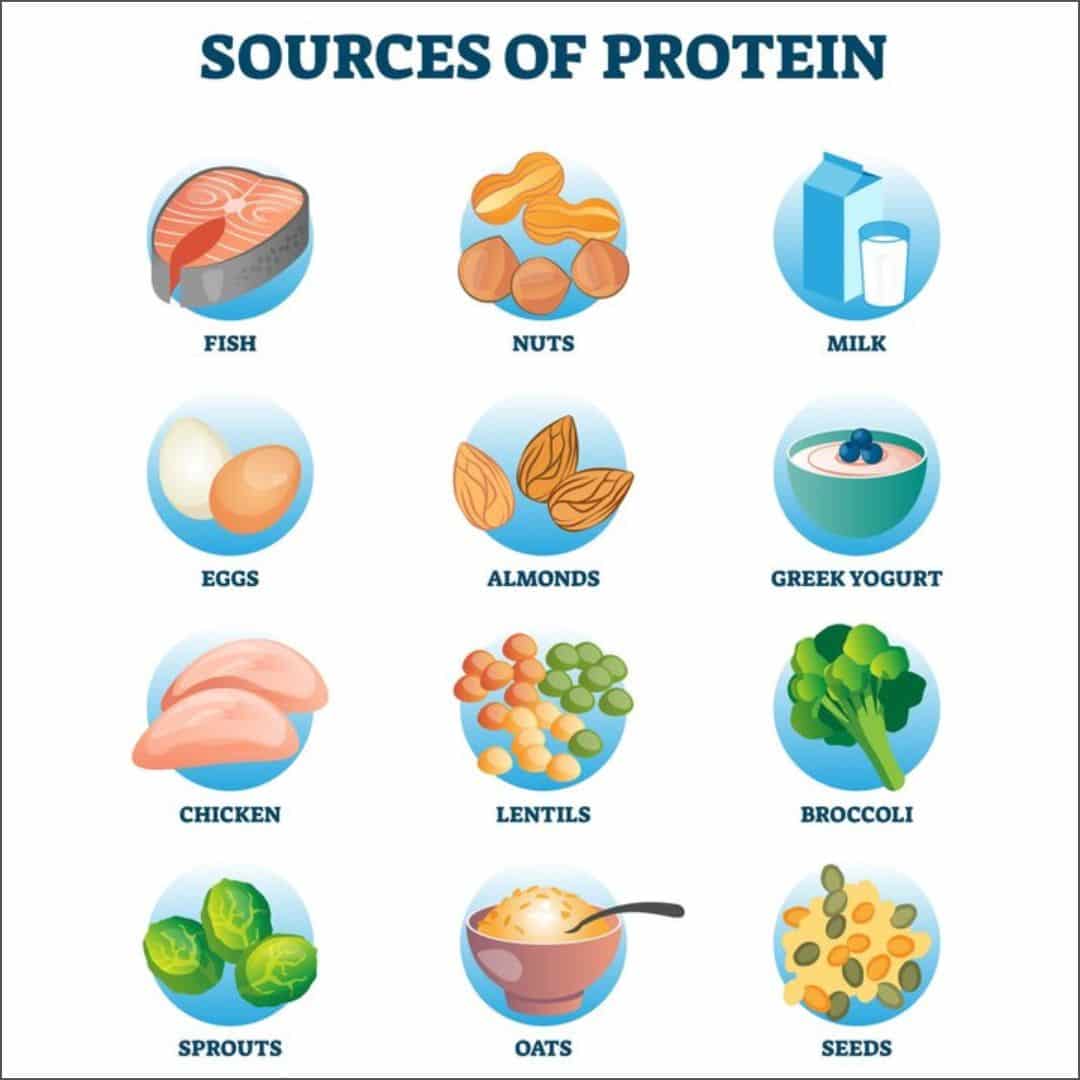
When it comes to protein, not all sources are equal. I focus on high-quality proteins that provide all essential amino acids. Some of my favorite sources include:
Animal-Based Proteins
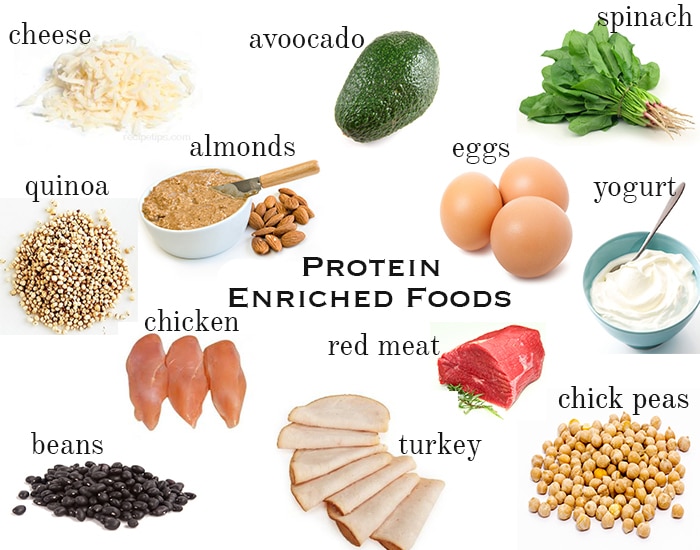
- Lean Meats: Chicken, turkey, and lean cuts of beef are staples in my diet.
- Fish: I enjoy incorporating fish like salmon and tuna due to their omega-3 fatty acids, which offer additional health benefits.
- Dairy: Greek yogurt and cottage cheese are great for snacks and can be part of meals.
Plant-Based Proteins
While I enjoy animal proteins, I also make sure to include plant-based proteins in my diet. Here are some of my go-to options:
- Legumes: Beans, lentils, and chickpeas provide a fantastic protein source along with fiber.
- Nuts and Seeds: Almonds, chia seeds, and hemp seeds are not only protein-rich but also add healthy fats.
- Whole Grains: Quinoa and farro are excellent choices that provide more than just carbs; they come with decent protein content too.
Mixing It Up
To keep things interesting, I like to mix different protein sources together. For example, a salad with grilled chicken, beans, nuts, and a sprinkle of cheese creates a deliciously balanced meal packed with protein.
Meal Planning for Protein Intake
As I strive to meet my protein goals, meal planning becomes essential. Here’s how I approach it to ensure I’m getting enough protein:
Breakfast
I often start my day with a protein-packed breakfast. A typical meal might include scrambled eggs with spinach and a side of Greek yogurt topped with berries.
Lunch
For lunch, I enjoy a quinoa salad mixed with chickpeas, diced veggies, and a light vinaigrette. This gives me a lovely combination of plant-based protein and fiber that keeps me full.
Snacks
When it comes to snacks, I reach for protein-rich options like a handful of nuts or a protein shake. This helps keep my energy levels stable and my cravings in check.
Dinner
Dinner usually features a lean protein like salmon or chicken paired with roasted vegetables and a whole grain. This balanced meal rounds out my day and supports my muscle maintenance.
Protein Supplements: Do I Need Them?
While I try to meet my protein needs through whole foods, I do consider protein supplements occasionally. Protein powders can be convenient, especially after workouts when I want to ensure I’m getting enough protein to aid recovery. However, I make sure not to rely solely on supplements, as I believe whole foods provide additional nutrients and benefits.
Types of Protein Supplements
If I choose to go this route, here are some common types I’ve encountered:
- Whey Protein: This is a fast-digesting protein, making it great for post-workout recovery.
- Casein Protein: Digested more slowly, this is better for overnight recovery.
- Plant-Based Proteins: Options like pea, hemp, or brown rice protein cater to those looking for vegetarian or vegan solutions.
Common Myths About Protein and Weight Management
As I’ve learned more about protein, I’ve also come across some common myths. It’s essential to clear these up as they can influence my dietary choices.
Myth 1: Eating Too Much Protein Can Harm My Kidneys
This myth often circulates, particularly among those with existing kidney conditions. However, for healthy individuals, there’s no concrete evidence showing that a high protein intake harms kidney function. I always make sure to consider my overall health first.
Myth 2: All the Protein I Need Can Come from Plants
While I appreciate plant proteins, it’s important to note that not all plant proteins are complete. They may lack certain essential amino acids. Combining different sources, such as beans and rice, can help me get a complete profile.
Myth 3: Protein Will Automatically Lead to Muscle Gain
I’ve learned that simply consuming protein without the stimulus of resistance training won’t lead to muscle gain. It’s the combination of adequate protein intake and exercise that leads to positive changes in muscle mass.
Conclusion
In my journey through weight management, I’ve found that understanding protein and its benefits has been invaluable. By prioritizing protein in my meals, I can manage my appetite better, support my muscles, and potentially enhance my metabolism. It’s about finding a balance that works for me and complements my lifestyle.
As I continue to learn and adapt, keeping an open mind about different protein sources and their impact on my body keeps me motivated. Whether it’s a new recipe or a different protein supplement, there’s always something new to consider. By incorporating quality protein into my diet and keeping informed, I’m setting myself up for success in my weight management journey.