You may have experienced the frustration of hitting a weight loss plateau, a common hurdle that many face on their journey to better health. A weight loss plateau occurs when your body stops shedding pounds despite your continued efforts in diet and exercise. This can be disheartening, especially after you’ve worked hard to achieve your goals.
It’s essential to understand that plateaus are a natural part of the weight loss process and can happen for various reasons. Recognizing this can help you maintain motivation and focus on long-term success rather than short-term setbacks. When you embark on a weight loss journey, your body undergoes numerous changes.
Initially, you may see significant results as your body responds to new dietary habits and increased physical activity. However, as you lose weight, your metabolism can slow down, and your body may adapt to the changes you’ve made. This adaptation can lead to a stall in weight loss, leaving you feeling stuck.
Understanding that this is a normal physiological response can help you approach the situation with patience and resilience, allowing you to find new strategies to overcome the plateau.
Key Takeaways
- Weight loss plateaus are common and can be frustrating, but they are a normal part of the weight loss process.
- Common causes of weight loss plateaus include metabolic adaptation, overestimating calorie burn, and lack of variety in diet and exercise routine.
- Re-evaluating your diet and exercise routine by incorporating more variety, adjusting portion sizes, and tracking your food intake can help break through a weight loss plateau.
- High Intensity Interval Training (HIIT) can help boost metabolism, burn more calories, and break through a weight loss plateau.
- Managing stress and getting adequate sleep are important factors in weight loss, as they can impact hormone levels and appetite. Tracking and adjusting your caloric intake based on your progress can help break through a weight loss plateau.
- Seeking support and accountability from friends, family, or a support group can help you stay motivated and on track with your weight loss goals.
- Consulting a professional, such as a registered dietitian or personal trainer, can provide personalized guidance and support to help you break through a weight loss plateau.
Common Causes of Weight Loss Plateaus
Changes in Metabolic Rate
As you lose weight, your body becomes more efficient at burning energy, leading to a decrease in caloric expenditure. This change can result in a lower basal metabolic rate (BMR), meaning you burn fewer calories at rest. To continue losing weight, it may be necessary to adjust your caloric intake or increase your activity level.
Muscle Mass and Metabolism
When you lose weight, especially if it’s rapid, you may not only shed fat but also muscle mass. Since muscle burns more calories than fat, a decrease in muscle can further slow your metabolism, making it more challenging to lose weight.
Hormonal Changes and Their Impact
Hormonal changes can also play a role in plateaus. Hormones such as leptin and ghrelin, which regulate hunger and satiety, can fluctuate during weight loss, leading to increased cravings or decreased motivation to exercise. Recognizing these factors can empower you to make informed adjustments to your routine.
Re-evaluating Your Diet and Exercise Routine

When faced with a weight loss plateau, it’s essential to take a step back and re-evaluate your current diet and exercise regimen. You might find that what worked initially is no longer effective as your body adapts. Start by examining your caloric intake; are you still in a caloric deficit?
Sometimes, people unknowingly increase their portion sizes or indulge in higher-calorie foods without realizing it. Keeping a food diary can help you track what you eat and identify any hidden calories that may have crept into your diet. In addition to assessing your diet, consider the intensity and variety of your exercise routine.
If you’ve been doing the same workouts for an extended period, your body may have adapted to them, leading to diminished returns. Incorporating new exercises or increasing the intensity of your workouts can stimulate your metabolism and promote further weight loss. Whether it’s trying a new fitness class, increasing weights in strength training, or simply changing your running route, variety can reignite your progress.
Incorporating High Intensity Interval Training (HIIT)
One effective strategy for breaking through a weight loss plateau is incorporating High Intensity Interval Training (HIIT) into your exercise routine. HIIT involves alternating between short bursts of intense activity and periods of rest or lower-intensity exercise. This method not only burns calories during the workout but also elevates your metabolic rate post-exercise, leading to additional calorie burn throughout the day.
You might find that HIIT workouts are not only efficient but also time-saving. A typical HIIT session can last anywhere from 15 to 30 minutes while providing an intense workout that challenges both your cardiovascular system and muscles. This approach can be particularly beneficial if you have a busy schedule but still want to maximize your results.
By incorporating HIIT into your routine a few times a week, you may find that it helps reignite your weight loss journey and keeps things exciting.
Managing Stress and Sleep for Weight Loss
Stress and sleep are often overlooked factors that can significantly impact your weight loss efforts. When you experience stress, your body releases cortisol, a hormone that can lead to increased appetite and cravings for unhealthy foods. This hormonal response can make it challenging to stick to your diet and exercise plan, contributing to weight gain or stalls in progress.
Additionally, inadequate sleep can disrupt hormonal balance and metabolism, making it harder for you to lose weight. Lack of sleep can lead to increased hunger and cravings while decreasing your motivation to exercise. Prioritizing stress management techniques such as mindfulness, meditation, or yoga can help mitigate these effects.
Furthermore, establishing a consistent sleep schedule and creating a restful environment can improve the quality of your sleep, ultimately supporting your weight loss goals.
Tracking and Adjusting Your Caloric Intake
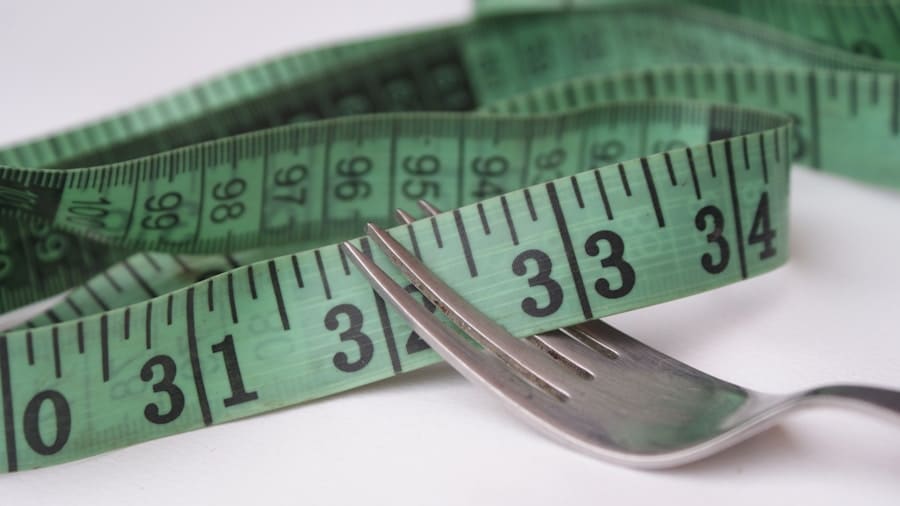
To effectively navigate through a weight loss plateau, tracking and adjusting your caloric intake is crucial. You may have been following a specific caloric goal that worked initially; however, as your body composition changes, so too should your caloric needs. Regularly reassessing your daily caloric intake based on your current weight and activity level can help ensure that you remain in a caloric deficit.
Consider using apps or tools that allow you to log your food intake and monitor your progress over time. This practice not only helps you stay accountable but also provides insights into any patterns or habits that may be hindering your progress. If you find that you’re no longer losing weight despite sticking to your plan, it may be time to reduce your caloric intake slightly or increase physical activity levels to reignite progress.
Seeking Support and Accountability
Embarking on a weight loss journey can sometimes feel isolating, which is why seeking support and accountability is vital for success. Sharing your goals with friends or family members can create a support system that encourages you during challenging times. You might also consider joining a weight loss group or online community where members share similar goals and experiences.
This sense of camaraderie can provide motivation and inspiration when faced with obstacles. Accountability partners can also play a significant role in keeping you on track. Whether it’s a friend who joins you for workouts or someone who checks in on your progress regularly, having someone to share the journey with can make all the difference.
You may find that discussing challenges and celebrating victories together fosters a sense of commitment that propels you forward.
Consulting a Professional for Guidance
If you find yourself struggling with persistent plateaus despite making adjustments on your own, consulting a professional may be beneficial. A registered dietitian or certified personal trainer can provide personalized guidance tailored to your unique needs and goals. They possess the expertise to analyze your current routine comprehensively and suggest modifications that align with scientific principles of nutrition and exercise.
Working with a professional can also help address any underlying issues that may be contributing to your plateau, such as hormonal imbalances or nutritional deficiencies. They can assist in creating a sustainable plan that not only focuses on weight loss but also promotes overall health and well-being. By investing in professional guidance, you empower yourself with knowledge and strategies that can lead to long-term success on your weight loss journey.
In conclusion, navigating through weight loss plateaus requires patience, adaptability, and a willingness to reassess various aspects of your lifestyle. By understanding the causes of plateaus and implementing strategies such as re-evaluating diet and exercise routines, incorporating HIIT workouts, managing stress and sleep, tracking caloric intake, seeking support, and consulting professionals when needed, you can break through barriers and continue progressing toward your health goals. Remember that every journey is unique; what works for one person may not work for another.
Stay committed to finding what works best for you as you strive for lasting change.
If you are struggling with a weight loss plateau, you may want to consider incorporating running into your exercise routine. According to a related article on how-to-loseweightfast.com, running can be an effective way to shed those stubborn pounds and break through plateaus. Additionally, using the right gym equipment can also help accelerate your weight loss journey. Check out how-to-loseweightfast.com for tips on the best gym equipment to use for weight loss.
FAQs
What is a weight loss plateau?
A weight loss plateau is a period of time during a weight loss journey where a person stops losing weight, despite continued efforts to diet and exercise.
Why do weight loss plateaus occur?
Weight loss plateaus can occur due to a variety of reasons, including metabolic adaptation, changes in hormone levels, decreased calorie expenditure, and psychological factors such as stress and lack of sleep.
How can you overcome a weight loss plateau?
To overcome a weight loss plateau, it is important to reassess your diet and exercise routine. This may involve adjusting your calorie intake, changing up your workout routine, managing stress levels, and ensuring adequate sleep.
What are some strategies to break through a weight loss plateau?
Strategies to break through a weight loss plateau may include increasing physical activity, incorporating strength training, practicing mindful eating, tracking food intake, and seeking support from a healthcare professional or a registered dietitian.
Is it common to experience a weight loss plateau?
Yes, it is common for individuals to experience a weight loss plateau at some point during their weight loss journey. It is a normal part of the process and can be overcome with the right strategies and mindset.