Maintaining a healthy weight during pregnancy is crucial for both your well-being and that of your developing baby. As you embark on this transformative journey, it’s essential to understand that the weight you gain is not just a number; it reflects the health of your pregnancy. Gaining an appropriate amount of weight can support fetal growth, reduce the risk of complications, and prepare your body for labor and breastfeeding.
The right weight management strategy can also help you bounce back more easily after childbirth, allowing you to focus on your new role as a parent. Moreover, healthy weight management can significantly influence your overall pregnancy experience. Excessive weight gain can lead to gestational diabetes, hypertension, and other complications that may affect both you and your baby.
Conversely, inadequate weight gain can hinder fetal development and lead to low birth weight. By prioritizing a balanced approach to weight management, you can create a nurturing environment for your baby while also taking care of your physical and emotional health. This balance is not just about numbers; it’s about fostering a healthy lifestyle that benefits both you and your child.
Key Takeaways
- Maintaining a healthy weight during pregnancy is important for the well-being of both the mother and the baby.
- Safe and effective exercise, such as walking and swimming, can help pregnant women manage their weight and stay healthy.
- Nutritional guidelines for weight loss during pregnancy should focus on balanced meals and adequate calorie intake to support the growing baby.
- Excessive weight loss during pregnancy can lead to potential risks and complications, such as nutrient deficiencies and low birth weight.
- It is important to monitor and track weight loss progress safely, with the guidance of a healthcare professional, to ensure the well-being of the mother and the baby.
Safe and Effective Exercise for Pregnant Women
Engaging in regular physical activity during pregnancy is not only safe but also beneficial for both you and your baby. Exercise can help alleviate common discomforts associated with pregnancy, such as back pain and fatigue, while also improving your mood and energy levels. Activities like walking, swimming, and prenatal yoga are excellent choices that can be easily incorporated into your routine.
These exercises promote cardiovascular health, enhance flexibility, and strengthen the muscles needed for labor and delivery. However, it’s essential to listen to your body and modify your exercise routine as needed. As your pregnancy progresses, you may find that certain activities become more challenging.
It’s important to prioritize safety by avoiding high-impact exercises or activities with a risk of falling. Consulting with your healthcare provider before starting or continuing an exercise regimen can provide you with personalized recommendations tailored to your unique situation. Remember, the goal is to stay active while ensuring that both you and your baby remain safe and healthy throughout this journey.
Nutritional Guidelines for Weight Loss in Pregnancy

When it comes to nutrition during pregnancy, the focus should be on quality rather than quantity. While it’s natural to want to manage your weight, it’s vital to ensure that you’re providing your body with the nutrients it needs to support both you and your growing baby. A well-balanced diet rich in fruits, vegetables, whole grains, lean proteins, and healthy fats can help you achieve this goal.
These foods not only provide essential vitamins and minerals but also help regulate your appetite and maintain steady energy levels. Incorporating nutrient-dense foods into your meals can also aid in managing cravings and preventing excessive weight gain. Instead of focusing solely on calorie restriction, aim to create meals that are satisfying and nourishing.
For instance, consider swapping out processed snacks for fresh fruits or nuts, which can provide essential nutrients while keeping you full. Additionally, staying hydrated is crucial; drinking plenty of water can help control hunger and support overall health during pregnancy. By prioritizing nutrition over strict dieting, you can foster a healthier relationship with food while ensuring that both you and your baby receive the nourishment needed for optimal growth.
Potential Risks and Complications of Excessive Weight Loss During Pregnancy
While managing weight during pregnancy is important, excessive weight loss can pose significant risks to both you and your baby. Rapid or extreme weight loss can lead to nutritional deficiencies that may affect fetal development. For instance, inadequate intake of essential nutrients like folic acid or iron can increase the risk of birth defects or low birth weight.
Additionally, losing weight too quickly may result in fatigue and decreased energy levels, making it more challenging to cope with the physical demands of pregnancy. Moreover, excessive weight loss can trigger complications such as preterm labor or placental abruption. Your body requires a certain amount of fat stores to support the physiological changes that occur during pregnancy.
Striving for an unrealistic weight loss goal can lead to stress and anxiety, further complicating your emotional well-being during this critical time. It’s essential to approach weight management with a balanced mindset, focusing on health rather than numbers on a scale. By prioritizing gradual changes and nourishing your body, you can mitigate these risks while promoting a healthy pregnancy.
Monitoring and Tracking Weight Loss Progress Safely
Monitoring your weight during pregnancy should be approached with care and mindfulness. Rather than obsessing over daily fluctuations, consider tracking your progress on a weekly or bi-weekly basis. This allows you to observe trends without becoming overly fixated on the scale.
Keeping a journal of your food intake, exercise routines, and how you feel physically and emotionally can provide valuable insights into your overall health during this time. Additionally, using tools like apps or charts can help you visualize your progress without becoming overwhelmed by numbers. Remember that weight gain during pregnancy is normal and varies from person to person based on factors such as pre-pregnancy weight, body type, and individual health conditions.
Celebrate small victories along the way—whether it’s feeling more energetic after a workout or enjoying a nutritious meal—rather than solely focusing on weight loss. This holistic approach will help you maintain a positive mindset throughout your pregnancy journey.
Tips for Maintaining a Healthy Weight During Pregnancy
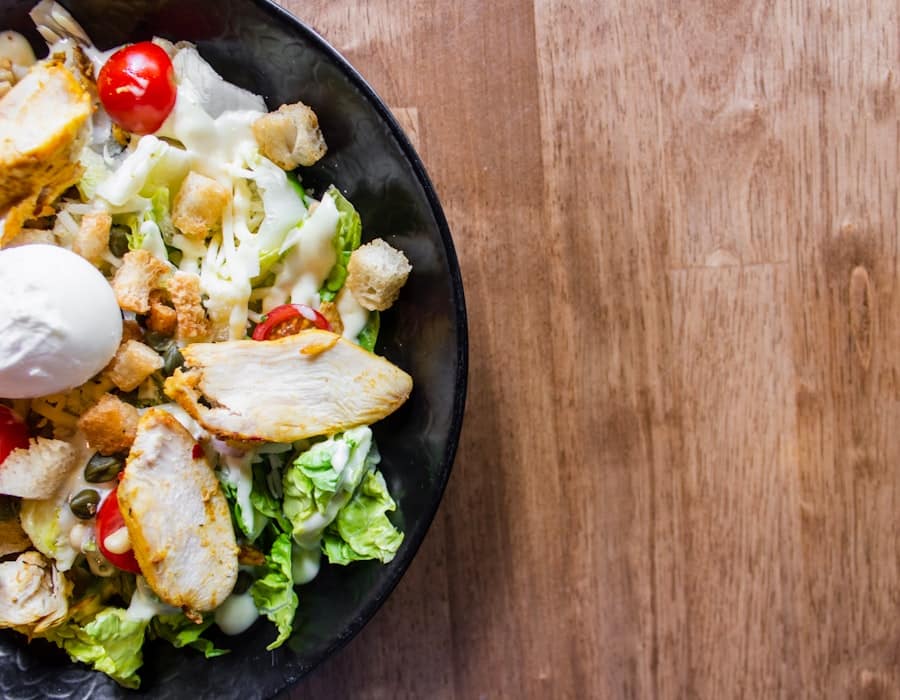
Maintaining a healthy weight during pregnancy involves adopting sustainable habits that promote overall well-being. One effective strategy is to establish a routine that includes regular meals and snacks throughout the day. This helps regulate blood sugar levels and prevents extreme hunger that may lead to overeating.
Aim for balanced meals that incorporate a variety of food groups, ensuring that you’re getting the nutrients necessary for both you and your baby. Incorporating physical activity into your daily routine is another key component of healthy weight management. Find activities that you enjoy—whether it’s walking in nature, joining a prenatal exercise class, or practicing yoga at home—and make them part of your lifestyle.
Additionally, surrounding yourself with supportive friends or family members who encourage healthy habits can make a significant difference in staying motivated.
Seeking Professional Guidance for Weight Loss in Pregnancy
Navigating weight management during pregnancy can be complex, which is why seeking professional guidance is often beneficial. Consulting with a registered dietitian or a healthcare provider who specializes in maternal health can provide you with personalized recommendations tailored to your unique needs. They can help you develop a balanced meal plan that ensures you’re meeting both your nutritional requirements and weight management goals.
Additionally, professional guidance can offer reassurance and support as you navigate any challenges that arise during this time. Whether it’s addressing concerns about excessive weight gain or finding ways to manage cravings, having an expert by your side can empower you to make informed decisions about your health. Remember that every pregnancy is different; what works for one person may not work for another.
By seeking professional advice, you can create a plan that aligns with your individual circumstances while promoting a healthy pregnancy.
Celebrating and Embracing Your Changing Body During Pregnancy
As you progress through pregnancy, it’s essential to embrace the changes happening in your body rather than viewing them solely through the lens of weight management. Your body is undergoing incredible transformations as it nurtures new life; celebrating these changes can foster a positive self-image and enhance your overall well-being. Consider engaging in activities that promote body positivity—such as taking maternity photos or participating in prenatal yoga classes—where you can connect with other expectant mothers who share similar experiences.
Moreover, practicing self-compassion is vital during this time. Acknowledge that it’s normal to have mixed feelings about body changes; allow yourself to feel those emotions without judgment. Surround yourself with positive affirmations and supportive communities that celebrate the beauty of pregnancy rather than focusing on societal pressures regarding body image.
By embracing this journey with love and acceptance, you’ll cultivate a healthier mindset that benefits both you and your baby as you navigate this remarkable chapter of life.
If you are looking for ways to manage your weight during pregnancy, you may also be interested in exploring the benefits of a weight management clinic. These clinics offer personalized plans and support to help individuals achieve their weight loss goals in a safe and effective manner. To learn more about how a weight management clinic can help you on your weight loss journey, check out this article.
FAQs
What is considered a healthy amount of weight gain during pregnancy?
The recommended weight gain during pregnancy varies depending on a woman’s pre-pregnancy weight. Generally, women with a normal BMI (18.5-24.9) are advised to gain 25-35 pounds, while underweight women (BMI less than 18.5) should aim for 28-40 pounds. Overweight women (BMI 25-29.9) are recommended to gain 15-25 pounds, and obese women (BMI over 30) should aim for 11-20 pounds.
Is it safe to try to lose weight during pregnancy?
It is not recommended to actively try to lose weight during pregnancy. Instead, women should focus on maintaining a healthy diet and engaging in regular physical activity to support a healthy pregnancy and manage weight gain.
What are some healthy ways to manage weight during pregnancy?
Healthy ways to manage weight during pregnancy include eating a balanced diet that includes plenty of fruits, vegetables, lean proteins, and whole grains. It is also important to engage in regular physical activity, such as walking, swimming, or prenatal yoga, with the guidance of a healthcare provider.
What are the risks of excessive weight gain during pregnancy?
Excessive weight gain during pregnancy can increase the risk of gestational diabetes, high blood pressure, and complications during labor and delivery. It can also lead to long-term health issues for both the mother and the baby, such as obesity and metabolic syndrome.
How can healthcare providers support pregnant women in managing weight?
Healthcare providers can support pregnant women in managing weight by providing personalized guidance on nutrition and physical activity, monitoring weight gain throughout pregnancy, and addressing any concerns or challenges that may arise. They can also offer resources and support to help women make healthy choices for themselves and their babies.