As you embark on your weight loss journey, the role of a weight loss dietician becomes increasingly significant. These professionals are not just experts in nutrition; they are your allies in navigating the complex world of dietary choices and lifestyle changes. A weight loss dietician provides personalized guidance tailored to your unique needs, preferences, and health conditions.
They help you understand the science behind food and its impact on your body, empowering you to make informed decisions that align with your weight loss goals. Moreover, a weight loss dietician plays a crucial role in developing sustainable eating habits. They focus on creating a balanced diet that not only promotes weight loss but also ensures you receive the necessary nutrients for overall health.
By analyzing your current eating patterns and lifestyle, they can identify areas for improvement and help you set realistic, achievable goals. This collaborative approach fosters a sense of accountability, making it easier for you to stay committed to your weight loss journey.
Key Takeaways
- A weight loss dietician plays a crucial role in helping individuals achieve their weight loss goals through personalized nutrition plans and support.
- Qualifications and training for a weight loss dietician typically include a bachelor’s degree in nutrition or a related field, completion of a dietetic internship, and passing a national exam to become a registered dietitian.
- Services offered by a weight loss dietician may include personalized meal planning, behavior modification strategies, nutritional counseling, and ongoing support and accountability.
- Consulting a weight loss dietician can lead to benefits such as improved health, sustainable weight loss, increased knowledge about nutrition, and a personalized approach to achieving weight loss goals.
- Common misconceptions about weight loss dieticians include the belief that they only focus on restrictive diets, when in reality they promote balanced and sustainable eating habits.
- To find a reputable weight loss dietician, individuals can seek referrals from healthcare providers, research credentials and experience, and schedule consultations to assess compatibility and approach.
- During a consultation with a weight loss dietician, individuals can expect to discuss their health history, weight loss goals, current eating habits, and receive personalized recommendations for nutrition and lifestyle changes.
- Tips for maintaining weight loss success with the help of a dietician may include staying consistent with healthy eating habits, seeking ongoing support and accountability, and being open to making long-term lifestyle changes.
Qualifications and Training of a Weight Loss Dietician
To become a weight loss dietician, one must undergo extensive education and training. Typically, this begins with obtaining a bachelor’s degree in dietetics, nutrition, or a related field. This foundational education provides you with a comprehensive understanding of human nutrition, food science, and the physiological aspects of diet.
Many dieticians also pursue advanced degrees or specialized certifications in areas such as obesity management or sports nutrition, further enhancing their expertise. In addition to formal education, practical experience is essential for a weight loss dietician. Most professionals complete supervised internships that allow them to apply their knowledge in real-world settings.
This hands-on training equips them with the skills necessary to assess individual dietary needs and develop effective weight loss strategies. Furthermore, many dieticians are required to pass a national examination to become registered dietitians (RDs), ensuring they meet the highest standards of practice in the field.
Services Offered by a Weight Loss Dietician
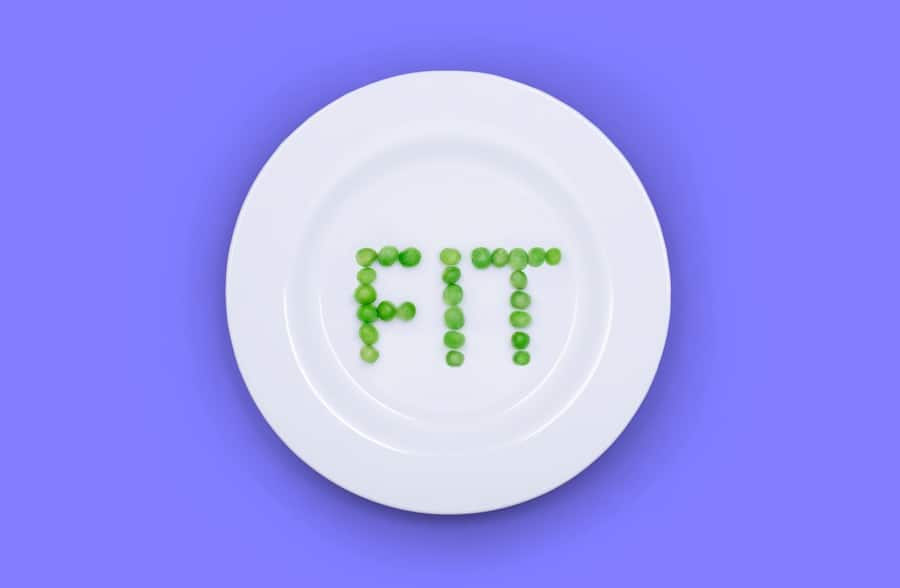
When you consult a weight loss dietician, you can expect a range of services designed to support your weight loss efforts. One of the primary services is personalized meal planning. Your dietician will work with you to create a meal plan that fits your lifestyle, preferences, and nutritional needs.
This plan will not only focus on calorie reduction but also emphasize the importance of balanced nutrition, ensuring you receive adequate vitamins and minerals while losing weight. In addition to meal planning, weight loss dieticians often provide ongoing support through regular check-ins and progress assessments. These sessions allow you to discuss challenges you may be facing and adjust your plan as needed.
Your dietician may also offer educational resources, such as workshops or cooking classes, to help you develop essential skills for maintaining a healthy lifestyle. By providing these comprehensive services, a weight loss dietician ensures that you have the tools and knowledge necessary for long-term success.
Benefits of Consulting a Weight Loss Dietician
Consulting a weight loss dietician offers numerous benefits that can significantly enhance your weight loss journey. One of the most notable advantages is the personalized approach they provide. Unlike generic diet plans found online or in magazines, a weight loss dietician tailors their recommendations specifically to you.
This individualized attention increases the likelihood of success, as the strategies implemented are designed to fit your unique circumstances. Another key benefit is the accountability that comes with working alongside a professional. A weight loss dietician helps you set realistic goals and provides regular check-ins to monitor your progress.
This accountability can be a powerful motivator, encouraging you to stay committed to your plan even when faced with challenges. Additionally, having someone knowledgeable by your side can help alleviate feelings of confusion or frustration that often accompany dietary changes.
Common Misconceptions About Weight Loss Dieticians
Despite their expertise, there are several misconceptions about weight loss dieticians that can deter individuals from seeking their help. One common myth is that dieticians only promote restrictive diets or extreme calorie cutting. In reality, most weight loss dieticians advocate for balanced eating patterns that prioritize whole foods and moderation rather than deprivation.
They understand that sustainable weight loss is about making healthier choices rather than following fad diets. Another misconception is that consulting a weight loss dietician is only necessary for those with significant weight issues. Many people believe that they can manage their weight independently without professional guidance.
However, even individuals with minor weight concerns can benefit from the expertise of a dietician. They can provide valuable insights into healthy eating habits and lifestyle changes that can prevent future weight gain and promote overall well-being.
How to Find a Reputable Weight Loss Dietician
Research and Referrals
Start by seeking recommendations from trusted sources, such as your primary care physician or friends who have had positive experiences with dieticians. Online directories and professional organizations can also be valuable resources for locating qualified professionals in your area.
Verifying Credentials and Approach
Once you have identified potential candidates, take the time to research their credentials and experience. Look for registered dietitians (RDs) who specialize in weight management or have additional certifications in nutrition counseling. It’s also important to consider their approach to weight loss; ensure they align with your values and preferences regarding dietary changes.
Initial Consultation and Comfort Level
Finally, don’t hesitate to schedule an initial consultation to gauge their communication style and determine if you feel comfortable working with them.
What to Expect During a Consultation with a Weight Loss Dietician
During your first consultation with a weight loss dietician, you can expect a comprehensive assessment of your dietary habits and lifestyle. The dietician will likely ask about your medical history, current eating patterns, physical activity levels, and any specific goals you have in mind. This information helps them create a tailored plan that addresses your unique needs.
Following the assessment, your dietician will discuss potential strategies for achieving your weight loss goals. This may include recommendations for meal planning, portion control, and incorporating physical activity into your routine. They may also provide educational materials or resources to help you better understand nutrition and make informed choices moving forward.
Overall, the consultation is designed to establish a foundation for your journey toward healthier living.
Tips for Maintaining Weight Loss Success with the Help of a Dietician
Maintaining weight loss success requires ongoing effort and commitment, but with the support of a weight loss dietician, you can navigate this process more effectively. One key tip is to continue regular check-ins with your dietician even after reaching your goal weight. These follow-up sessions can help you stay accountable and address any challenges that arise as you transition into maintenance mode.
Additionally, focus on developing healthy habits that go beyond just dieting. Your dietician can guide you in creating a balanced lifestyle that includes regular physical activity, mindful eating practices, and stress management techniques. By incorporating these elements into your daily routine, you’ll be better equipped to maintain your weight loss long-term while enjoying improved overall health and well-being.
In conclusion, working with a weight loss dietician can be an invaluable asset on your journey toward achieving and maintaining a healthy weight. Their expertise in nutrition, personalized approach, and ongoing support can make all the difference in helping you reach your goals sustainably and effectively.
If you’re looking to enhance your weight loss journey with the right gym equipment, check out this article on the best gym equipment for effective weight loss. This article provides valuable insights on the equipment that can help you achieve your fitness goals. Additionally, if you prefer working out at home, you may want to explore the best home gym equipment for weight loss. And for those considering hormone replacement therapy as part of their weight loss plan, you can learn about the best HRT options for weight loss. These resources can complement the guidance provided by a Weight Loss Dietician to help you reach your desired results.
FAQs
What is a weight loss dietician?
A weight loss dietician is a professional who specializes in creating personalized diet plans to help individuals achieve their weight loss goals. They provide guidance on nutrition, meal planning, and lifestyle changes to support healthy weight loss.
What does a weight loss dietician do?
A weight loss dietician assesses an individual’s current eating habits, health status, and weight loss goals to create a customized diet plan. They provide education on portion control, food choices, and meal timing to support weight loss. They also offer ongoing support and guidance to help individuals stay on track with their diet and lifestyle changes.
How can a weight loss dietician help with weight loss?
A weight loss dietician can help individuals achieve weight loss by providing personalized nutrition guidance and support. They can help individuals make healthier food choices, create balanced meal plans, and develop sustainable lifestyle habits that support long-term weight management.
What qualifications does a weight loss dietician have?
A weight loss dietician typically holds a bachelor’s degree in nutrition or dietetics, and may also have completed a dietetic internship and passed a national examination to become a registered dietitian. They may also have additional certifications or specialized training in weight management and nutrition counseling.
Is it necessary to consult a weight loss dietician for weight loss?
While it is not necessary to consult a weight loss dietician for weight loss, their expertise can be valuable for individuals who are struggling to achieve their weight loss goals on their own. A weight loss dietician can provide personalized guidance and support to help individuals make sustainable changes to their diet and lifestyle.