As a breastfeeding mother, you are not only nourishing your baby but also taking care of your own health. The importance of a healthy diet during this period cannot be overstated. Your body requires additional nutrients to produce milk, and the quality of your diet directly impacts the nutritional value of your breast milk.
A well-balanced diet ensures that you are providing your baby with essential vitamins and minerals necessary for their growth and development. It also helps you maintain your energy levels, which can be particularly challenging during the demanding early months of motherhood. Moreover, a healthy diet can play a significant role in your recovery after childbirth.
Your body has undergone immense changes, and it needs proper nutrition to heal and regain strength. By focusing on nutrient-dense foods, you can support your immune system, reduce the risk of postpartum complications, and promote overall well-being. This is not just about you; it’s about creating a healthy environment for your baby as well.
When you prioritize your nutrition, you set a positive example for your child, instilling healthy eating habits from an early age.
Key Takeaways
- A healthy diet while breastfeeding is crucial for both the mother’s and baby’s well-being.
- Nutrient-rich foods such as fruits, vegetables, lean proteins, and whole grains are essential for breastfeeding mothers.
- Balancing caloric intake is important for weight loss without compromising milk production.
- Safe and effective weight loss strategies for breastfeeding moms include gradual weight loss and staying hydrated.
- Incorporating exercise into a postpartum weight loss plan can help boost energy and mood.
Nutrient-Rich Foods for Breastfeeding Mothers
When it comes to selecting foods that will benefit both you and your baby, think variety and balance. Incorporating a wide range of nutrient-rich foods into your diet is essential. Leafy greens, such as spinach and kale, are packed with vitamins A, C, and K, as well as calcium and iron.
These nutrients are crucial for both your health and the development of your baby. Additionally, whole grains like brown rice, quinoa, and oats provide the necessary energy to keep you fueled throughout the day. Don’t forget about protein sources!
Lean meats, fish, eggs, beans, and legumes are excellent choices that help in tissue repair and milk production. Fatty fish like salmon are particularly beneficial due to their omega-3 fatty acids, which are vital for brain development in infants. Incorporating healthy fats from sources like avocados, nuts, and seeds can also support your energy levels and overall health.
By focusing on these nutrient-dense foods, you can ensure that both you and your baby receive the essential nutrients needed during this critical time.
Balancing Caloric Intake for Weight Loss and Milk Production
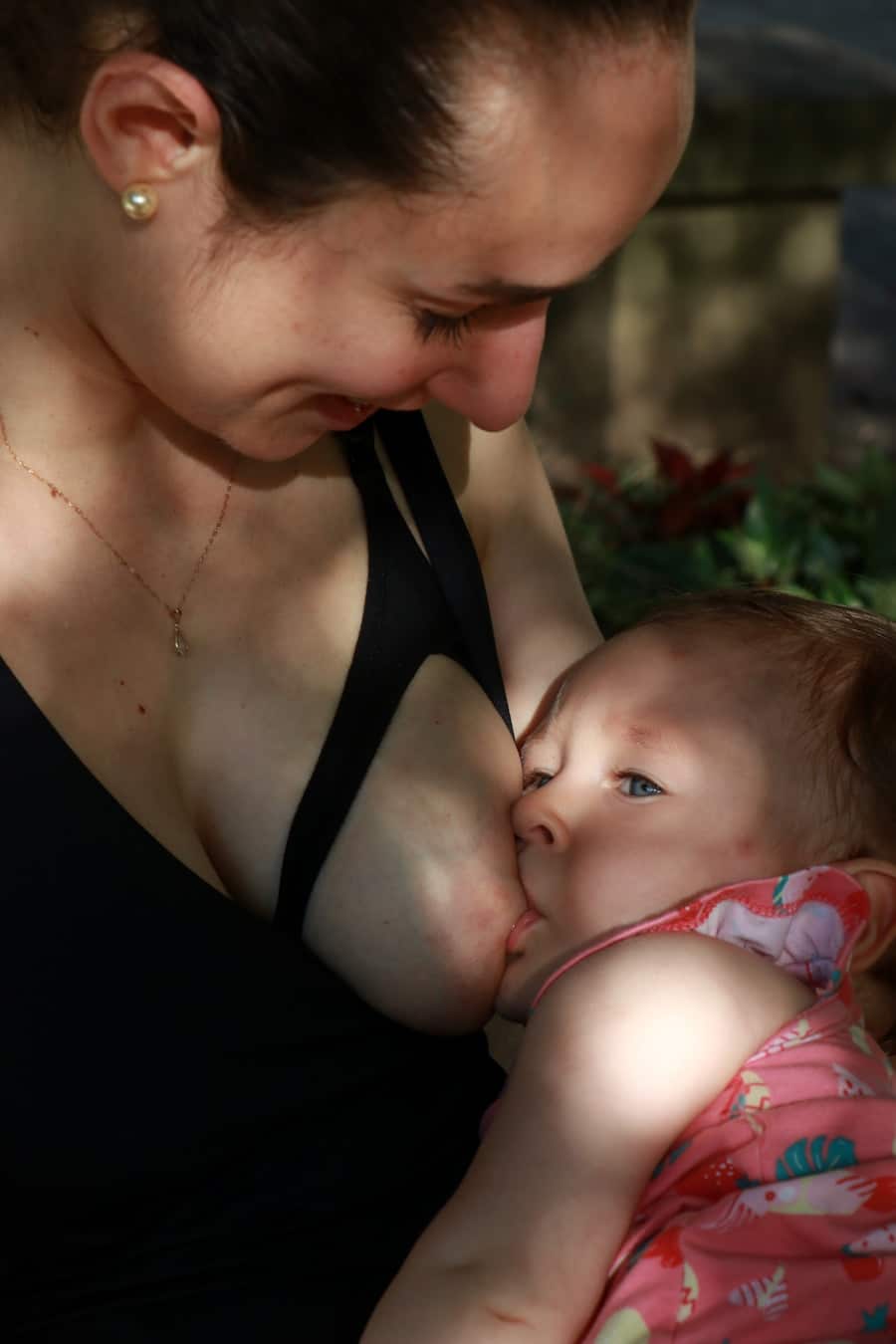
Finding the right balance between caloric intake and weight loss while breastfeeding can be a delicate dance. Your body requires extra calories to produce milk—typically around 300 to 500 additional calories per day. However, if you’re looking to shed some pregnancy weight, it’s important to approach this goal thoughtfully.
You don’t want to compromise your milk supply or your health in the process. To achieve this balance, consider tracking your caloric intake while ensuring that the calories you consume come from nutritious sources. Focus on whole foods that provide not just calories but also essential nutrients.
This way, you can create a slight caloric deficit without sacrificing the quality of your breast milk. It’s crucial to listen to your body; if you feel fatigued or notice a decrease in milk supply, it may be time to reassess your dietary choices and caloric intake.
Safe and Effective Weight Loss Strategies for Breastfeeding Moms
When it comes to losing weight while breastfeeding, safety should always be your top priority. Rapid weight loss can lead to a decrease in milk supply and may not be sustainable in the long run. Instead of resorting to fad diets or extreme calorie restrictions, aim for gradual weight loss—about one pound per week is generally considered safe.
This approach allows your body to adjust while still providing adequate nutrition for both you and your baby. Incorporating mindful eating practices can also be beneficial. Pay attention to hunger cues and eat when you’re hungry rather than out of habit or boredom.
Preparing meals at home allows you to control ingredients and portion sizes, making it easier to stick to healthier choices. Additionally, consider keeping healthy snacks on hand to avoid reaching for less nutritious options when hunger strikes. By adopting these strategies, you can create a sustainable weight loss plan that supports both your health and breastfeeding journey.
Incorporating Exercise into a Postpartum Weight Loss Plan
Exercise is an important component of any postpartum weight loss plan, but it’s essential to approach it with care. After giving birth, your body needs time to heal before diving into an intense workout routine. Start with gentle activities like walking or postpartum yoga to ease back into physical activity.
These low-impact exercises can help improve circulation, boost mood, and gradually build strength without overwhelming your body. As you gain confidence and strength, consider incorporating more structured workouts into your routine. Strength training can be particularly beneficial as it helps build muscle mass, which in turn boosts metabolism.
Aim for a mix of cardiovascular exercises and strength training sessions throughout the week. Remember to listen to your body; if something doesn’t feel right or if you experience pain, it’s important to adjust your routine accordingly. Finding an exercise regimen that you enjoy will make it easier to stay consistent while also benefiting your overall well-being.
Potential Pitfalls to Avoid When Trying to Lose Weight While Breastfeeding
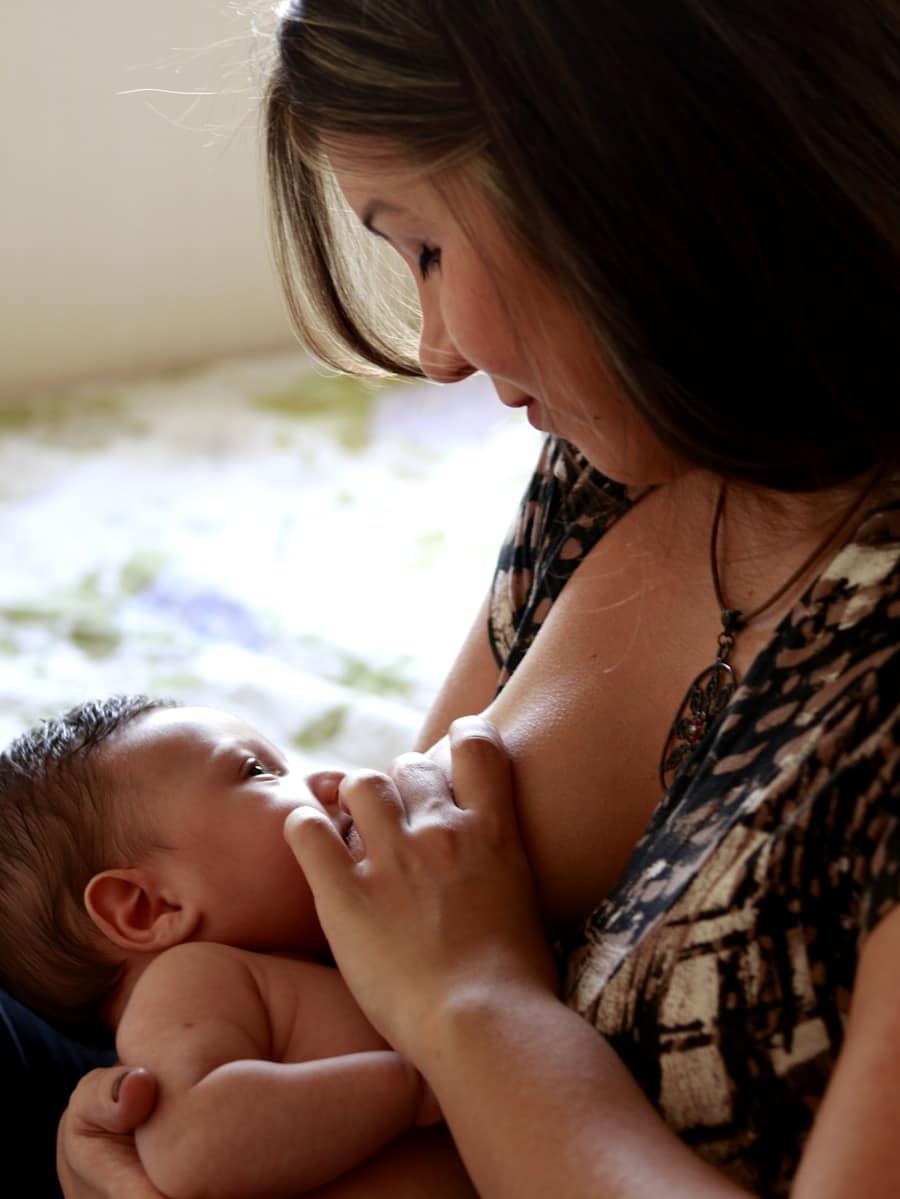
While the desire to lose weight after childbirth is common among new mothers, there are several pitfalls that you should be aware of as you navigate this journey. One major pitfall is setting unrealistic expectations for yourself. It’s easy to compare yourself to others or feel pressured by societal standards of beauty; however, every woman’s body is different, and recovery takes time.
Embrace the changes in your body and focus on gradual progress rather than immediate results. Another common mistake is neglecting self-care in favor of weight loss goals. It’s crucial to prioritize your mental health during this time; stress can negatively impact both milk production and weight loss efforts.
Make sure to carve out time for activities that bring you joy and relaxation, whether it’s reading a book, taking a warm bath, or spending time with friends. By avoiding these pitfalls and maintaining a balanced perspective on weight loss, you can create a healthier relationship with food and your body.
Seeking Support and Guidance from Healthcare Professionals
Navigating the complexities of postpartum weight loss while breastfeeding can be overwhelming at times. Seeking support from healthcare professionals can provide valuable guidance tailored specifically to your needs. A registered dietitian can help you create a personalized meal plan that meets both your caloric needs for milk production and your weight loss goals.
They can also offer insights into nutrient-rich foods that will benefit both you and your baby. Additionally, consulting with a lactation consultant can ensure that breastfeeding remains a positive experience for both you and your child. They can provide tips on maintaining milk supply while managing dietary changes or weight loss efforts.
Remember that asking for help is not a sign of weakness; rather, it’s an important step toward achieving a healthy balance during this transformative time in your life.
Maintaining a Positive Body Image and Self-Care While Nourishing a Baby
Amidst the challenges of motherhood and the desire to lose weight, maintaining a positive body image is crucial for your overall well-being. It’s easy to fall into negative self-talk or focus solely on perceived flaws; however, embracing self-love is essential during this period of change. Remind yourself that your body has accomplished something incredible by bringing new life into the world, and it deserves kindness and respect.
Incorporating self-care practices into your daily routine can also help foster a positive mindset. Whether it’s taking time for yourself each day or engaging in activities that make you feel good about yourself—like dressing up or practicing mindfulness—these moments are vital for nurturing both your mental health and self-esteem. By prioritizing self-care while nourishing your baby, you create a harmonious balance that benefits both you and your child in the long run.
In conclusion, navigating the journey of breastfeeding while managing weight loss requires careful consideration of nutrition, exercise, and self-care practices. By focusing on a healthy diet rich in nutrients, balancing caloric intake thoughtfully, incorporating exercise gradually, avoiding common pitfalls, seeking professional guidance when needed, and maintaining a positive body image, you can create a fulfilling experience for both yourself and your baby during this transformative time in your life.
If you are a breastfeeding mother looking to lose weight, it is important to do so in a safe and healthy way. One article that may be of interest is 800 Calories a Day Weight Loss Calculator, which discusses the potential risks and benefits of consuming such a low amount of calories. It is crucial to prioritize your health and the health of your baby while trying to lose weight, so be sure to consult with a healthcare professional before making any drastic changes to your diet.
FAQs
What is a weight loss diet for breastfeeding mothers?
A weight loss diet for breastfeeding mothers is a balanced and nutritious eating plan that helps them shed excess weight while ensuring they have enough energy and nutrients to support breastfeeding.
Is it safe to go on a weight loss diet while breastfeeding?
It is generally safe to go on a weight loss diet while breastfeeding, as long as it is done in a healthy and gradual manner. It is important to consult with a healthcare professional before starting any weight loss plan while breastfeeding.
What are some key components of a weight loss diet for breastfeeding mothers?
A weight loss diet for breastfeeding mothers should include a variety of nutrient-dense foods such as fruits, vegetables, whole grains, lean proteins, and healthy fats. It is important to stay hydrated and limit the intake of processed foods and sugary drinks.
How many calories should a breastfeeding mother consume while on a weight loss diet?
Breastfeeding mothers typically need an additional 300-500 calories per day to support milk production. When trying to lose weight, it is generally recommended to aim for a gradual weight loss of 1-2 pounds per week, which may require reducing daily calorie intake by 500-1000 calories.
What are some foods to avoid while on a weight loss diet for breastfeeding?
While on a weight loss diet for breastfeeding, it is important to avoid or limit the intake of highly processed foods, sugary snacks, and beverages, as well as foods high in saturated fats and added sugars. It is also recommended to limit caffeine intake and avoid alcohol.
Are there any specific nutrients that breastfeeding mothers should focus on while on a weight loss diet?
Breastfeeding mothers should focus on consuming adequate amounts of protein, calcium, iron, and omega-3 fatty acids while on a weight loss diet. These nutrients are important for both the mother’s health and the quality of breast milk.