When embarking on a weight loss journey, you may often hear about the significance of fiber. This essential nutrient plays a pivotal role in your overall health and can be a game-changer in your quest to shed those extra pounds. Fiber is a type of carbohydrate that your body cannot digest, which means it passes through your digestive system relatively intact.
This unique characteristic allows fiber to contribute to various bodily functions, particularly in regulating your weight. By understanding the importance of fiber, you can make informed dietary choices that support your weight loss goals. Incorporating fiber into your diet not only aids in weight loss but also promotes overall well-being.
It helps maintain healthy digestion, lowers cholesterol levels, and stabilizes blood sugar levels. When you consume fiber-rich foods, you may find that you feel fuller for longer periods, which can help curb unnecessary snacking and overeating. This satiety effect is crucial when trying to lose weight, as it allows you to manage your calorie intake more effectively.
By prioritizing fiber in your meals, you set the stage for a healthier lifestyle and a more successful weight loss journey.
Key Takeaways
- Fiber is important for weight loss as it helps to keep you feeling full and satisfied, leading to reduced calorie intake.
- Fiber aids in rapid weight loss by promoting a feeling of fullness, slowing down digestion, and regulating blood sugar levels.
- The best sources of fiber for weight loss include fruits, vegetables, whole grains, legumes, and nuts and seeds.
- To incorporate fiber into your diet for rapid weight loss, focus on consuming whole, unprocessed foods and gradually increasing fiber intake to avoid digestive discomfort.
- Fiber plays a crucial role in controlling hunger and appetite by slowing down the emptying of the stomach and promoting the release of satiety hormones.
How Fiber Aids in Rapid Weight Loss
Fiber aids in rapid weight loss through several mechanisms that work together to create a more efficient fat-burning process. One of the primary ways fiber contributes to weight loss is by increasing the volume of food in your diet without significantly increasing calorie intake. High-fiber foods tend to be more filling, which means you can enjoy larger portions while consuming fewer calories overall.
This can lead to a natural reduction in calorie consumption, making it easier for you to achieve a caloric deficit necessary for weight loss. Moreover, fiber slows down the digestion and absorption of nutrients, which helps regulate blood sugar levels. When your blood sugar remains stable, you are less likely to experience energy crashes or cravings for sugary snacks.
This stabilization can lead to better food choices and a more balanced diet, further supporting your weight loss efforts. Additionally, certain types of soluble fiber can bind to fat and cholesterol in the digestive tract, promoting their excretion from the body. This not only aids in weight loss but also contributes to improved heart health.
The Best Sources of Fiber for Weight Loss

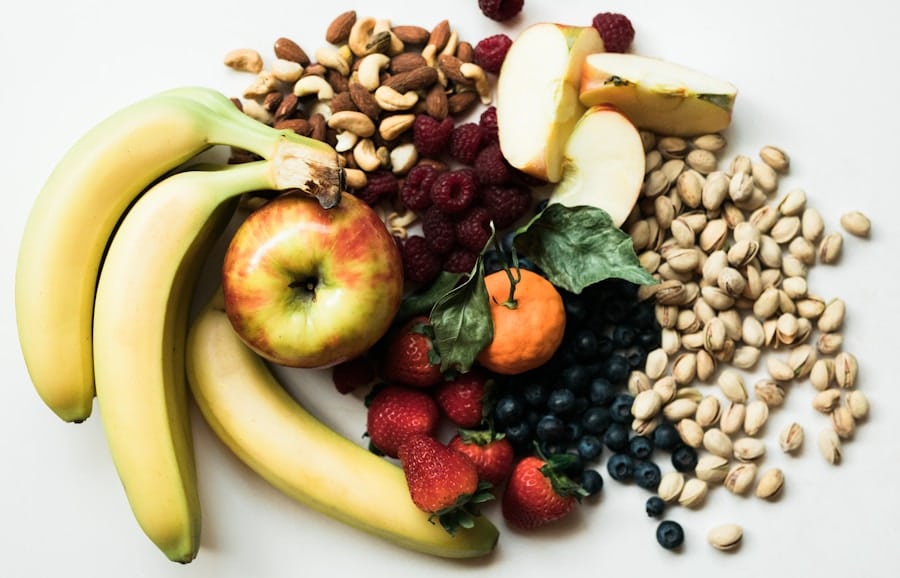
To maximize the benefits of fiber for weight loss, it’s essential to know which foods are rich in this nutrient. Fruits and vegetables are among the best sources of dietary fiber. For instance, berries, apples, pears, and leafy greens are not only delicious but also packed with fiber that can help you feel satisfied after meals.
Incorporating a variety of colorful fruits and vegetables into your diet ensures that you receive a wide range of nutrients while boosting your fiber intake. Whole grains are another excellent source of fiber that can aid in weight loss. Foods like quinoa, brown rice, oats, and whole-grain bread provide substantial amounts of fiber while also offering essential vitamins and minerals.
Legumes such as beans, lentils, and chickpeas are also fantastic options; they are not only high in fiber but also rich in protein, making them an ideal choice for those looking to lose weight. By focusing on these fiber-rich foods, you can create satisfying meals that support your weight loss goals.
Incorporating Fiber into Your Diet for Rapid Weight Loss
Incorporating fiber into your diet doesn’t have to be a daunting task; with a few simple strategies, you can easily boost your intake and enhance your weight loss efforts. Start by gradually adding more fruits and vegetables to your meals. Aim to fill half your plate with these nutrient-dense foods at every meal.
You might consider blending fruits into smoothies or adding vegetables to soups and stews for an easy way to increase fiber content. Another effective strategy is to swap out refined grains for whole grains. Instead of white bread or pasta, choose whole-grain alternatives that provide more fiber and nutrients.
You can also experiment with adding legumes to salads or using them as a base for hearty dishes. By making these small changes, you’ll not only increase your fiber intake but also enjoy a variety of flavors and textures in your meals.
The Role of Fiber in Controlling Hunger and Appetite
One of the most significant benefits of fiber is its ability to control hunger and appetite effectively. When you consume high-fiber foods, they expand in your stomach and create a feeling of fullness that can last for hours. This satiety is crucial when trying to lose weight because it helps prevent overeating and reduces the temptation to snack on unhealthy options between meals.
By choosing fiber-rich foods, you can naturally regulate your appetite without feeling deprived. Additionally, fiber influences the release of hormones related to hunger regulation. When you eat fiber, it stimulates the production of hormones that signal fullness to your brain while suppressing those that trigger hunger.
This hormonal balance can make it easier for you to stick to your dietary goals and resist cravings for high-calorie snacks. By understanding how fiber impacts hunger signals, you can make smarter food choices that align with your weight loss objectives.
The Connection Between Fiber and Metabolism
The relationship between fiber and metabolism is another critical aspect of weight loss that you should consider. While fiber itself does not directly increase metabolic rate, it plays an essential role in maintaining a healthy digestive system, which is vital for efficient metabolism. A well-functioning digestive system ensures that nutrients are absorbed effectively and waste is eliminated promptly, both of which are crucial for optimal metabolic function.
Moreover, certain types of fiber can promote the growth of beneficial gut bacteria, which have been linked to improved metabolic health. A diverse microbiome can enhance nutrient absorption and influence how your body processes food. By consuming a diet rich in fiber, you support the growth of these beneficial bacteria, which may help improve your metabolism over time.
This connection highlights the importance of incorporating fiber into your diet not just for immediate weight loss benefits but also for long-term metabolic health.
Fiber’s Impact on Gut Health and Weight Loss
Fiber plays a vital role in maintaining gut health, which is closely linked to successful weight loss efforts. A healthy gut microbiome is essential for proper digestion and nutrient absorption, both of which are crucial when trying to lose weight. When you consume adequate amounts of fiber, it acts as a prebiotic that feeds the beneficial bacteria in your gut, promoting their growth and diversity.
A balanced gut microbiome can help reduce inflammation and improve insulin sensitivity, both of which are important factors in weight management. Additionally, a healthy gut can enhance your body’s ability to process food efficiently, reducing the likelihood of weight gain. By prioritizing fiber-rich foods in your diet, you not only support your digestive health but also create an environment conducive to effective weight loss.
Tips for Increasing Fiber Intake for Rapid Weight Loss
To successfully increase your fiber intake for rapid weight loss, consider implementing some practical tips into your daily routine. Start by reading food labels; this will help you identify high-fiber options when shopping for groceries. Aim for foods that contain at least 3 grams of fiber per serving as a general guideline.
Another effective strategy is to plan your meals ahead of time. By preparing meals that include a variety of high-fiber foods, you’ll be less likely to reach for processed snacks or fast food when hunger strikes. Keep healthy snacks on hand, such as raw vegetables with hummus or whole-grain crackers with nut butter, to ensure you have nutritious options available throughout the day.
Lastly, remember to increase your fiber intake gradually to avoid digestive discomfort. Drinking plenty of water is also essential when consuming more fiber; it helps keep things moving smoothly through your digestive system. By following these tips and making conscious choices about the foods you eat, you can effectively boost your fiber intake and enhance your weight loss journey.
In conclusion, understanding the importance of fiber in weight loss is crucial for anyone looking to shed pounds effectively and sustainably. By incorporating high-fiber foods into your diet and recognizing their role in controlling hunger and supporting metabolism, you set yourself up for success on your weight loss journey. With dedication and mindful eating habits, you can harness the power of fiber to achieve your goals while enjoying delicious and satisfying meals along the way.
If you are interested in learning more about weight loss through surgical means, you may want to check out the article 20 Years After Roux-en-Y Gastric Bypass. This article discusses the long-term effects and outcomes of this popular weight loss surgery. It provides valuable insights into the benefits and challenges of undergoing such a procedure.
FAQs
What is fiber and why is it important for weight loss?
Fiber is a type of carbohydrate found in plant-based foods that the body cannot digest. It is important for weight loss because it helps to keep you feeling full, regulates blood sugar levels, and promotes healthy digestion.
How does fiber help with rapid weight loss?
Fiber helps with rapid weight loss by promoting feelings of fullness, which can lead to reduced calorie intake. It also slows down the digestion and absorption of nutrients, which can help control blood sugar levels and prevent overeating.
What are some good sources of fiber?
Good sources of fiber include fruits, vegetables, whole grains, legumes, nuts, and seeds. It is recommended to consume a variety of these foods to ensure an adequate intake of fiber.
How much fiber should I consume for weight loss?
The recommended daily intake of fiber is 25 grams for women and 38 grams for men. However, individual needs may vary based on age, sex, and activity level.
Are there different types of fiber and do they have different effects on weight loss?
There are two main types of fiber: soluble and insoluble. Soluble fiber dissolves in water and can help lower cholesterol and regulate blood sugar levels. Insoluble fiber does not dissolve in water and helps promote regular bowel movements. Both types of fiber can contribute to weight loss by promoting feelings of fullness and supporting healthy digestion.
Are there any potential side effects of consuming too much fiber?
Consuming too much fiber can lead to digestive discomfort, such as bloating, gas, and diarrhea. It is important to gradually increase fiber intake and drink plenty of water to help prevent these side effects.