When you think about processed foods, what comes to mind? Perhaps you envision brightly colored packages filled with snacks, frozen meals, or sugary drinks. Processed foods are typically defined as any food that has been altered from its original form through methods such as canning, freezing, or adding preservatives.
While some processing is necessary to ensure food safety and longevity, many products on the market today undergo extensive processing that strips them of their nutritional value. This transformation often involves the addition of artificial ingredients, sugars, and unhealthy fats, making them less beneficial for your health. As you navigate the grocery store aisles, it’s essential to recognize the difference between minimally processed foods and heavily processed ones.
For instance, frozen fruits and vegetables retain their nutrients and can be a convenient option for your meals. In contrast, a box of sugary breakfast cereal or a bag of chips is laden with additives that can contribute to various health issues. Understanding the spectrum of food processing can empower you to make informed choices that align with your health goals.
Key Takeaways
- Processed foods are foods that have been altered from their natural state through methods such as cooking, canning, or freezing.
- Processed foods can contribute to weight gain due to their high levels of added sugars, fats, and refined carbohydrates.
- Processed foods can negatively impact metabolism by causing insulin resistance and promoting fat storage.
- Processed foods can lead to increased hunger levels due to their low fiber content and high glycemic index.
- Processed foods can affect nutrient absorption by reducing the bioavailability of essential nutrients such as vitamins and minerals.
The Role of Processed Foods in Weight Gain
Processed foods play a significant role in the modern diet, and their impact on weight gain cannot be overlooked. These foods are often high in calories but low in essential nutrients, leading to an imbalance in your diet. When you consume items like sugary snacks or fast food, you may find yourself taking in more calories than your body needs, which can result in weight gain over time.
The convenience and palatability of these foods make them easy to overconsume, often without you even realizing it. Moreover, many processed foods are designed to be hyper-palatable, meaning they are engineered to taste exceptionally good. This can trigger cravings and lead to mindless eating, where you consume more than you intended.
As you indulge in these calorie-dense options, your body may struggle to regulate hunger signals effectively, making it challenging to maintain a healthy weight. Recognizing the role of processed foods in your diet is crucial for understanding how they can contribute to unwanted weight gain.
The Impact of Processed Foods on Metabolism

Your metabolism is a complex system that converts the food you eat into energy. Processed foods can disrupt this delicate balance in several ways. Many processed items are high in refined carbohydrates and sugars, which can lead to spikes in blood sugar levels.
When your blood sugar rises rapidly, your body releases insulin to help regulate it. However, frequent consumption of these foods can lead to insulin resistance over time, making it harder for your body to process glucose efficiently. Additionally, the lack of fiber in many processed foods can further hinder your metabolic health.
Fiber plays a vital role in digestion and helps regulate blood sugar levels by slowing down the absorption of sugar into your bloodstream. When you consume a diet high in processed foods and low in fiber, you may experience fluctuations in energy levels and increased cravings, making it difficult to maintain a stable metabolism. By understanding how processed foods affect your metabolism, you can take steps to support a healthier metabolic rate.
Processed Foods and Hunger Levels
Have you ever noticed that after eating a meal consisting mainly of processed foods, you still feel hungry shortly afterward? This phenomenon is not uncommon and can be attributed to the way these foods interact with your body’s hunger hormones. Processed foods often lack the essential nutrients that promote satiety, such as protein and fiber.
As a result, you may find yourself reaching for more snacks soon after eating because your body is still signaling that it needs nourishment. Furthermore, the rapid digestion of processed foods can lead to quick spikes and drops in blood sugar levels. When your blood sugar crashes after consuming these high-sugar items, it can trigger feelings of hunger again, prompting you to eat more than necessary.
This cycle can create a pattern of overeating that is difficult to break. By being mindful of how processed foods affect your hunger levels, you can make more conscious choices about what you eat and how it impacts your overall well-being.
How Processed Foods Affect Nutrient Absorption
The consumption of processed foods not only affects your weight and metabolism but also has implications for nutrient absorption. Many processed items are stripped of their natural nutrients during manufacturing, leaving behind empty calories that provide little benefit to your body. For instance, white bread is made from refined flour that has had most of its fiber and nutrients removed.
When you consume such products regularly, you may inadvertently deprive yourself of essential vitamins and minerals. Moreover, certain additives found in processed foods can interfere with nutrient absorption. For example, high levels of sugar can disrupt the balance of gut bacteria, which plays a crucial role in nutrient absorption.
A healthy gut microbiome is essential for breaking down food and extracting nutrients effectively. When you consume a diet high in processed foods, you may be setting yourself up for deficiencies that can impact your overall health. By prioritizing whole foods over processed options, you can enhance your nutrient intake and support better absorption.
Processed Foods and Inflammation
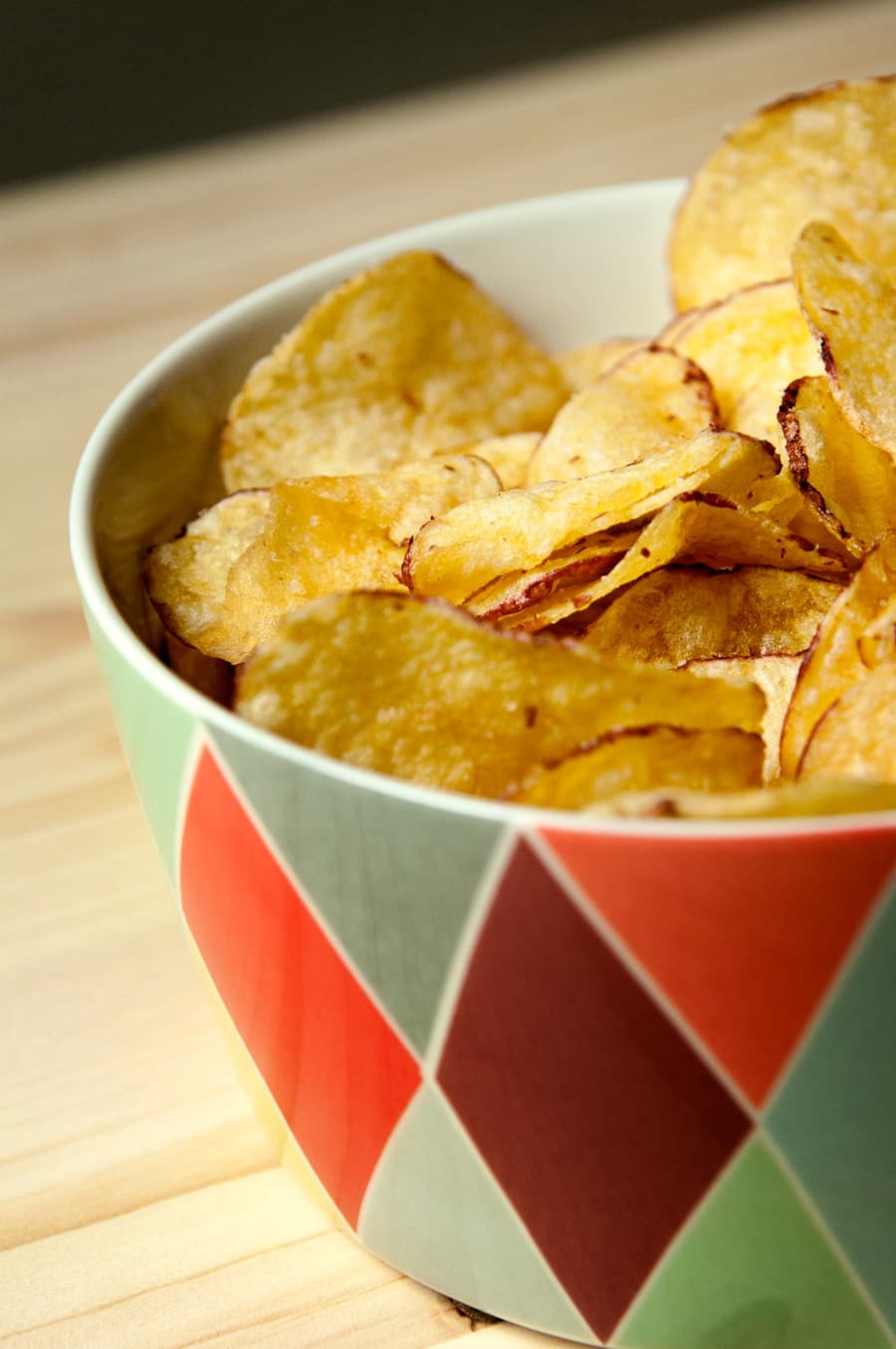
Processed Foods: A Recipe for Inflammation
Processed foods are often linked to increased inflammation due to their high content of unhealthy fats, sugars, and additives. For instance, trans fats found in many processed snacks have been shown to promote inflammatory responses in the body.
The Impact of Refined Carbs on Inflammation
Additionally, the excessive consumption of refined carbohydrates can lead to an imbalance in blood sugar levels, further contributing to inflammation. When your body experiences frequent spikes in blood sugar followed by crashes, it can trigger an inflammatory response as it works to restore balance.
A Healthier Approach to Reducing Inflammation
By reducing your intake of processed foods and focusing on whole, nutrient-dense options, you can help mitigate inflammation and support overall health.
Strategies for Limiting Processed Foods in Your Diet
If you’re looking to improve your diet by limiting processed foods, there are several strategies you can implement. First and foremost, start by reading labels carefully when shopping for groceries. Familiarize yourself with common additives and ingredients that indicate a product is heavily processed.
Aim for items with short ingredient lists that contain whole food components rather than artificial additives. Another effective strategy is meal planning and preparation. By dedicating time each week to plan your meals and prepare healthy options at home, you can reduce the temptation to reach for convenience foods when you’re hungry or pressed for time.
Stocking your pantry with whole grains, legumes, fresh fruits, and vegetables will provide you with nutritious options that are easy to prepare. Additionally, consider exploring new recipes that highlight whole ingredients; this can make healthy eating enjoyable rather than restrictive.
Incorporating Whole Foods into Your Weight Loss Plan
Incorporating whole foods into your weight loss plan is not only beneficial for shedding pounds but also for enhancing overall health. Whole foods—such as fruits, vegetables, whole grains, lean proteins, and healthy fats—are packed with nutrients that support your body’s functions while keeping you satiated. By focusing on these nutrient-dense options, you’ll likely find it easier to manage hunger levels and maintain energy throughout the day.
As you embark on this journey toward healthier eating habits, consider experimenting with new recipes that feature whole ingredients prominently. For example, try making a hearty vegetable stir-fry with brown rice or quinoa instead of opting for takeout meals laden with unhealthy additives. Additionally, incorporating snacks like nuts or fresh fruit instead of processed chips or candy can help keep cravings at bay while providing essential nutrients.
By making these small yet impactful changes in your diet, you’ll be well on your way to achieving your weight loss goals while nourishing your body effectively.
If you are looking to achieve your weight loss goals, it is important to consider the impact of processed foods on your diet. Processed foods are often high in unhealthy fats, sugars, and additives that can hinder your progress. In addition to watching what you eat, incorporating regular exercise into your routine can also help you reach your goals. Check out this article on the Acxion pills on Amazon or Adipex diet pills over the counter for more information.
FAQs
What are processed foods?
Processed foods are foods that have been altered from their natural state through methods such as canning, freezing, baking, and drying. They often contain added sugars, fats, and preservatives.
How do processed foods impact weight loss goals?
Processed foods are often high in calories, sugar, and unhealthy fats, which can lead to weight gain if consumed in excess. They are also typically low in fiber and nutrients, which can leave you feeling unsatisfied and lead to overeating.
What are some examples of processed foods?
Examples of processed foods include sugary cereals, packaged snacks, deli meats, frozen meals, and sugary drinks. These foods are often convenient but can be detrimental to weight loss goals.
Can processed foods be part of a healthy diet?
While it’s best to limit processed foods in a healthy diet, they can still be enjoyed in moderation. Opt for minimally processed options and be mindful of portion sizes to support your weight loss goals.
How can I reduce my consumption of processed foods?
To reduce your consumption of processed foods, focus on whole, unprocessed foods such as fruits, vegetables, lean proteins, and whole grains. Cooking at home and reading food labels can also help you make healthier choices.