Nutrition plays a pivotal role in the journey toward weight loss, serving as the foundation upon which successful dietary strategies are built. At its core, weight loss is fundamentally about creating a caloric deficit, which means consuming fewer calories than the body expends. However, the quality of those calories is equally important.
A diet rich in whole foods—such as fruits, vegetables, lean proteins, and whole grains—provides essential nutrients that not only support metabolic processes but also help maintain energy levels and reduce cravings. When individuals focus solely on calorie restriction without considering nutritional quality, they may find themselves lacking vital vitamins and minerals, leading to fatigue and a diminished ability to engage in physical activity. This can create a vicious cycle where poor nutrition hampers weight loss efforts, making it crucial to understand that effective weight management is as much about what you eat as it is about how much you eat.
Moreover, the psychological aspect of nutrition cannot be overlooked in the context of weight loss. Food choices are often influenced by emotional states, social situations, and cultural backgrounds. Understanding the role of nutrition involves recognizing these influences and developing a healthy relationship with food.
Mindful eating practices can help individuals become more aware of their hunger cues and emotional triggers, allowing them to make more informed choices that align with their weight loss goals. Additionally, incorporating a variety of foods can prevent feelings of deprivation that often accompany restrictive diets. By embracing a balanced approach to nutrition that prioritizes both caloric intake and nutrient density, individuals can foster sustainable habits that not only promote weight loss but also enhance overall well-being.
Key Takeaways
- Nutrition plays a crucial role in weight loss by providing the body with the necessary nutrients for energy and metabolism.
- Pre-workout nutrition should focus on consuming easily digestible carbohydrates and a small amount of protein 1-2 hours before exercise.
- Post-workout nutrition is essential for refueling the body with carbohydrates and protein to aid in muscle recovery and replenish glycogen stores.
- The best foods for pre-workout energy and performance include bananas, oatmeal, and Greek yogurt for their combination of carbohydrates and protein.
- Post-workout recovery requires key nutrients such as protein, carbohydrates, and electrolytes to support muscle repair and growth.
Pre-workout nutrition: what to eat and when
Pre-workout nutrition is a critical component of any fitness regimen, as it directly influences performance and energy levels during exercise. Consuming the right foods before a workout can provide the necessary fuel for optimal performance, allowing individuals to push their limits and achieve their fitness goals. Ideally, a pre-workout meal should be consumed about 30 minutes to two hours before exercising, depending on personal preferences and digestive comfort.
This meal should consist of easily digestible carbohydrates to provide quick energy, along with a moderate amount of protein to support muscle function. For instance, a banana with a scoop of nut butter or a small bowl of oatmeal topped with berries can serve as an excellent pre-workout snack that delivers both energy and nutrients. Timing is also crucial when it comes to pre-workout nutrition.
Eating too close to workout time may lead to discomfort or sluggishness, while waiting too long can result in low energy levels. Therefore, individuals should experiment with different foods and timing strategies to find what works best for their bodies. Additionally, hydration plays an equally important role in pre-workout preparation.
Dehydration can significantly impair performance and increase the risk of injury, so it’s essential to drink water before exercising. By carefully considering both the timing and composition of pre-workout meals, individuals can enhance their workout experience and maximize their results.
Post-workout nutrition: the importance of refueling

Post-workout nutrition is just as vital as pre-workout fueling, as it plays a significant role in recovery and muscle repair. After an intense workout, the body enters a state where it needs to replenish glycogen stores and repair damaged muscle tissues. Consuming a balanced meal or snack within 30 minutes to two hours post-exercise can significantly enhance recovery outcomes.
This meal should ideally include a combination of carbohydrates and protein; carbohydrates help restore glycogen levels while protein provides the amino acids necessary for muscle repair. For example, a smoothie made with protein powder, spinach, and a banana or a turkey sandwich on whole-grain bread can effectively meet these nutritional needs. In addition to carbohydrates and protein, hydration remains crucial during the post-workout phase.
During exercise, the body loses fluids through sweat, which must be replenished to maintain optimal physiological function. Drinking water or an electrolyte-rich beverage can help restore fluid balance and support recovery processes. Furthermore, incorporating micronutrients such as vitamins and minerals through fruits and vegetables can aid in reducing inflammation and promoting overall health.
By prioritizing post-workout nutrition, individuals not only enhance their recovery but also set the stage for improved performance in future workouts.
The best foods for pre-workout energy and performance
| Food | Nutrient | Benefits |
|---|---|---|
| Bananas | Carbohydrates, Potassium | Provides quick energy, prevents muscle cramps |
| Oats | Complex carbohydrates, Fiber | Sustained energy release, aids digestion |
| Greek Yogurt | Protein, Probiotics | Supports muscle repair, improves gut health |
| Whole Grain Bread | Carbohydrates, B Vitamins | Steady energy supply, supports metabolism |
| Chicken Breast | Protein, B Vitamins | Supports muscle growth, aids in energy production |
Selecting the right foods for pre-workout energy is essential for maximizing performance during exercise sessions. Carbohydrates are the primary source of energy for high-intensity workouts, making them a crucial component of any pre-exercise meal or snack. Foods such as whole-grain bread, brown rice, quinoa, and sweet potatoes provide complex carbohydrates that release energy gradually, ensuring sustained performance throughout the workout.
Additionally, fruits like bananas and apples offer quick-digesting sugars that can provide an immediate energy boost when consumed shortly before exercising. Pairing these carbohydrates with a small amount of protein—such as Greek yogurt or cottage cheese—can further enhance energy levels while supporting muscle function. Another important consideration is the inclusion of healthy fats in pre-workout nutrition.
While fats take longer to digest than carbohydrates, they can provide sustained energy for longer-duration workouts or endurance activities. Foods like avocados, nuts, and seeds can be beneficial when consumed in moderation before exercise. However, it’s essential to strike a balance; too much fat too close to workout time may lead to discomfort or sluggishness.
Ultimately, the best pre-workout foods are those that align with individual preferences and digestive comfort while providing the necessary fuel for optimal performance.
Post-workout recovery: the key nutrients for muscle repair and growth
Post-workout recovery hinges on the intake of key nutrients that facilitate muscle repair and growth after strenuous exercise. Protein stands out as one of the most critical components in this recovery phase; it provides the building blocks—amino acids—that are essential for repairing damaged muscle fibers and promoting hypertrophy. Research suggests that consuming approximately 20-30 grams of high-quality protein within the post-workout window can significantly enhance muscle recovery outcomes.
Sources such as lean meats, fish, eggs, dairy products, or plant-based proteins like legumes and tofu are excellent choices for meeting these protein needs. In addition to protein, carbohydrates play an equally vital role in post-workout recovery by replenishing glycogen stores depleted during exercise. Consuming carbohydrates alongside protein not only aids in glycogen restoration but also stimulates insulin release, which further promotes nutrient uptake by muscle cells.
Foods such as sweet potatoes, brown rice, or even a simple fruit smoothie can effectively provide this necessary carbohydrate boost after workouts. Furthermore, incorporating micronutrients—such as vitamins C and E—found in fruits and vegetables can help combat oxidative stress induced by intense physical activity. By focusing on these key nutrients during post-workout recovery, individuals can optimize their muscle repair processes and enhance overall performance.
Timing your meals for optimal weight loss results
Understanding the Impact of Meal Timing on Weight Loss
Meal timing is a crucial yet often-overlooked aspect of nutrition that can significantly impact weight loss results. While calorie intake remains paramount in achieving a caloric deficit, strategically timing meals can enhance metabolic efficiency and improve satiety levels throughout the day. Research indicates that spreading meals evenly across the day—rather than consuming large meals infrequently—can help regulate hunger hormones and prevent overeating later on.
Optimizing Meal Frequency and Timing for Weight Loss
For instance, individuals may benefit from consuming smaller meals or snacks every three to four hours to maintain steady energy levels and curb cravings. Moreover, aligning meal timing with physical activity can further optimize weight loss efforts. Consuming balanced meals before and after workouts ensures that the body has adequate fuel for exercise while also promoting recovery afterward.
The Benefits of Eating in Sync with Your Circadian Rhythms
Additionally, some studies suggest that eating earlier in the day may be more beneficial for weight loss than consuming larger meals later at night. This approach aligns with our natural circadian rhythms and may help regulate metabolism more effectively. By being mindful of meal timing in conjunction with overall caloric intake and nutritional quality, individuals can create a more effective strategy for achieving their weight loss goals.
Supplementing your nutrition for enhanced workout performance and weight loss
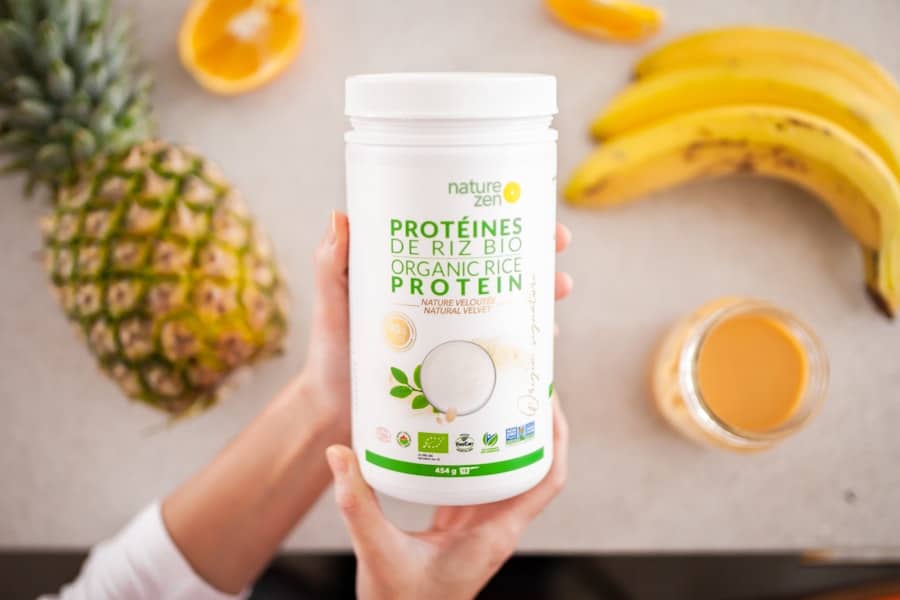
While whole foods should always be prioritized for optimal nutrition, certain supplements can complement dietary efforts to enhance workout performance and support weight loss goals. Protein powders are among the most popular supplements used by fitness enthusiasts; they provide a convenient way to increase protein intake without excessive calories or preparation time. Whey protein is particularly effective due to its rapid absorption rate post-exercise, making it an excellent choice for muscle recovery.
Plant-based protein powders are also available for those who prefer non-dairy options or have dietary restrictions. In addition to protein supplements, other products such as branched-chain amino acids (BCAAs), creatine, and pre-workout formulas may offer benefits for specific fitness goals. BCAAs can help reduce muscle soreness and fatigue during workouts while creatine has been shown to improve strength and power output during high-intensity training sessions.
Pre-workout supplements often contain ingredients like caffeine or beta-alanine that can enhance focus and endurance during exercise. However, it’s essential to approach supplementation with caution; individuals should consult healthcare professionals or registered dietitians before introducing new products into their routines to ensure safety and efficacy. By thoughtfully incorporating supplements into an already balanced diet, individuals can further enhance their workout performance while supporting their weight loss journey effectively.
For those interested in optimizing their fitness regimen with effective pre and post workout nutrition strategies for weight loss, it’s essential to understand the role of meal timing and composition. A related article that delves into sustainable weight loss rates can provide valuable insights into how to maintain a healthy weight loss pace while incorporating exercise and nutrition effectively. You can read more about this topic and get practical tips by visiting Sustainable Weight Loss Rate. This article offers guidance on how to achieve long-term success in your weight loss journey, which is crucial when planning your workout nutrition.
FAQs
What is pre-workout nutrition?
Pre-workout nutrition refers to the food and/or supplements consumed before a workout to provide the body with the necessary energy and nutrients to perform at its best. This can include a combination of carbohydrates, protein, and fats to fuel the body and support muscle function during exercise.
What is post-workout nutrition?
Post-workout nutrition involves consuming food and/or supplements after a workout to help the body recover, repair muscle tissue, and replenish glycogen stores. This typically includes a combination of carbohydrates and protein to aid in muscle recovery and growth.
How does pre-workout nutrition contribute to weight loss?
Proper pre-workout nutrition can help improve performance during exercise, allowing for a more effective workout. This can lead to increased calorie burn and improved fat loss over time. Additionally, consuming the right nutrients before a workout can help prevent muscle breakdown and support the body’s ability to use stored fat as fuel.
How does post-workout nutrition contribute to weight loss?
Post-workout nutrition plays a crucial role in supporting muscle recovery and growth, which can help increase overall muscle mass. This, in turn, can boost metabolism and calorie burn, ultimately aiding in weight loss. Additionally, replenishing glycogen stores and providing the body with essential nutrients after a workout can help reduce muscle soreness and fatigue, allowing for more consistent exercise and better weight management.
What are some examples of pre-workout nutrition for weight loss?
Examples of pre-workout nutrition for weight loss include a small meal or snack containing a balance of carbohydrates and protein, such as a banana with almond butter, Greek yogurt with berries, or a whole grain wrap with turkey and veggies. Additionally, some people may benefit from consuming a pre-workout supplement containing ingredients like caffeine, creatine, or beta-alanine to enhance performance and fat burning during exercise.
What are some examples of post-workout nutrition for weight loss?
Post-workout nutrition options for weight loss include a protein shake with added fruit, a chicken and quinoa salad, or a smoothie made with spinach, protein powder, and almond milk. It’s important to focus on consuming a combination of protein and carbohydrates to support muscle recovery and replenish energy stores after a workout. Some individuals may also benefit from using post-workout supplements like whey protein or branched-chain amino acids to aid in recovery and muscle building.