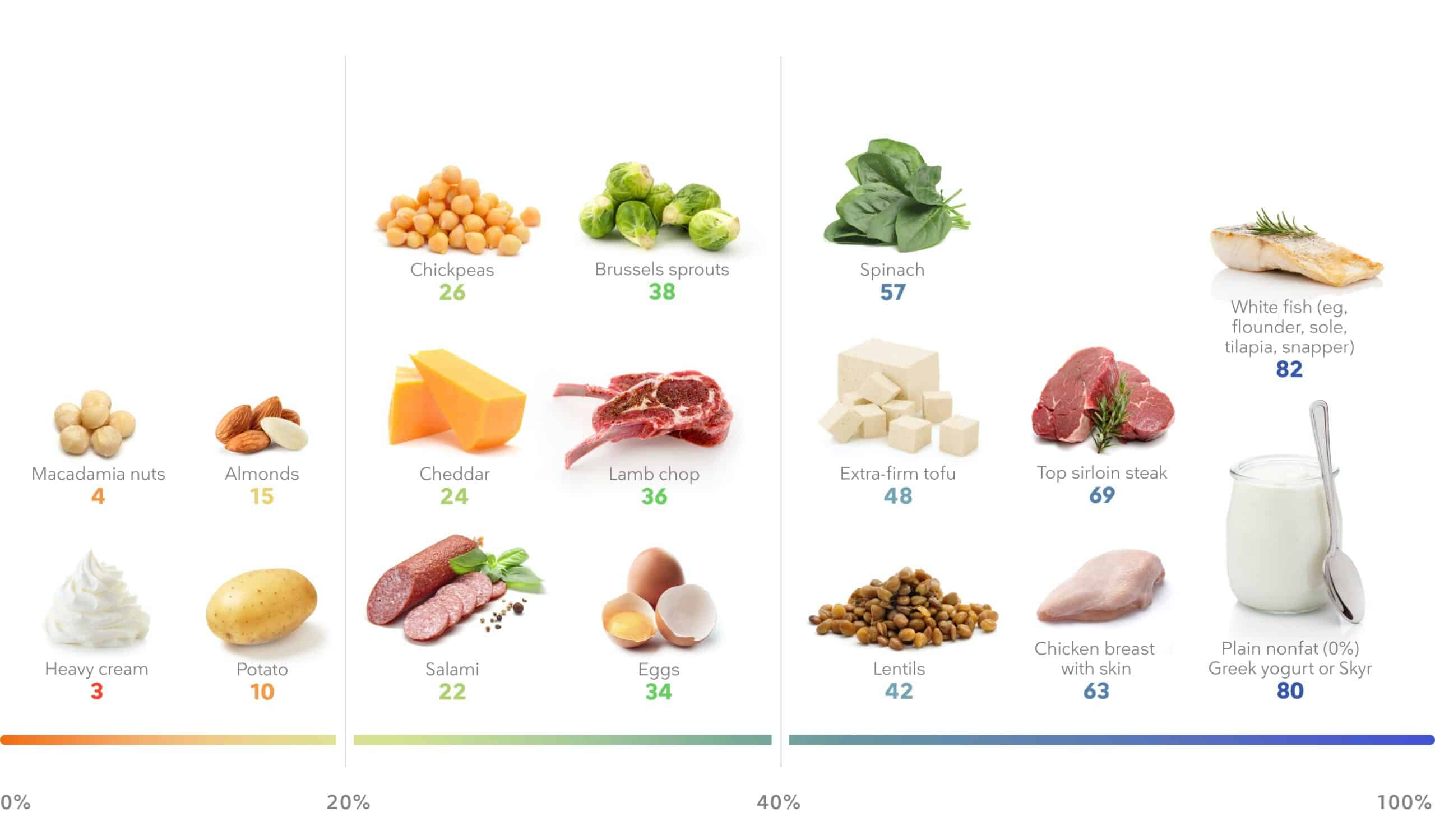
If you’re looking to shed some pounds, it might surprise you to know that protein could be your secret weapon. Not only does it keep you feeling fuller for longer, but it also helps build and repair tissues in your body. In this article, we’ll explore the incredible benefits of incorporating protein into your diet and how it can aid in your weight loss journey. So, get ready to learn how you can lose weight while still enjoying delicious protein-packed meals.
Benefits of Protein
Increases metabolism
Protein is known to increase metabolism because it is thermogenic, meaning it requires more energy to digest compared to fats and carbohydrates. By increasing your protein intake, you can boost your metabolism and burn more calories throughout the day. This can be especially beneficial for individuals looking to lose weight, as a higher metabolism helps to facilitate fat loss.
Reduces appetite
One of the major benefits of protein is its ability to reduce appetite. Protein-rich foods are known to be more satisfying and can help you feel fuller for longer periods of time. This can prevent overeating and snacking on unhealthy foods, ultimately leading to weight loss. Incorporating protein into your meals and snacks can help you control your hunger, making it easier to stick to your weight loss goals.
Preserves muscle mass
When you’re trying to lose weight, it’s important to preserve your muscle mass. Protein plays a crucial role in muscle maintenance and repair. By consuming an adequate amount of protein, you can preserve your muscle mass while losing fat. This is especially important for individuals who are engaging in regular exercise, as protein helps to fuel and repair muscles after intense workouts.
Recommended Protein Intake
Calculate your protein needs
Calculating your protein needs is essential in determining how much protein you should consume for weight loss. A general guideline is to consume 0.8 grams of protein per kilogram of body weight. However, this may need to be adjusted based on factors such as age, sex, activity level, and specific goals. Consulting with a registered dietitian or using online protein calculators can help you determine your specific protein needs.
Dietary Reference Intake (DRI)
The Dietary Reference Intake (DRI) is a set of nutrient-based reference values that are used to guide the intake of various nutrients, including protein. The DRI recommends that adults consume between 10% to 35% of their total daily calories from protein. This range allows for individual variation based on factors such as age, sex, and activity level.
Ideal protein intake for weight loss
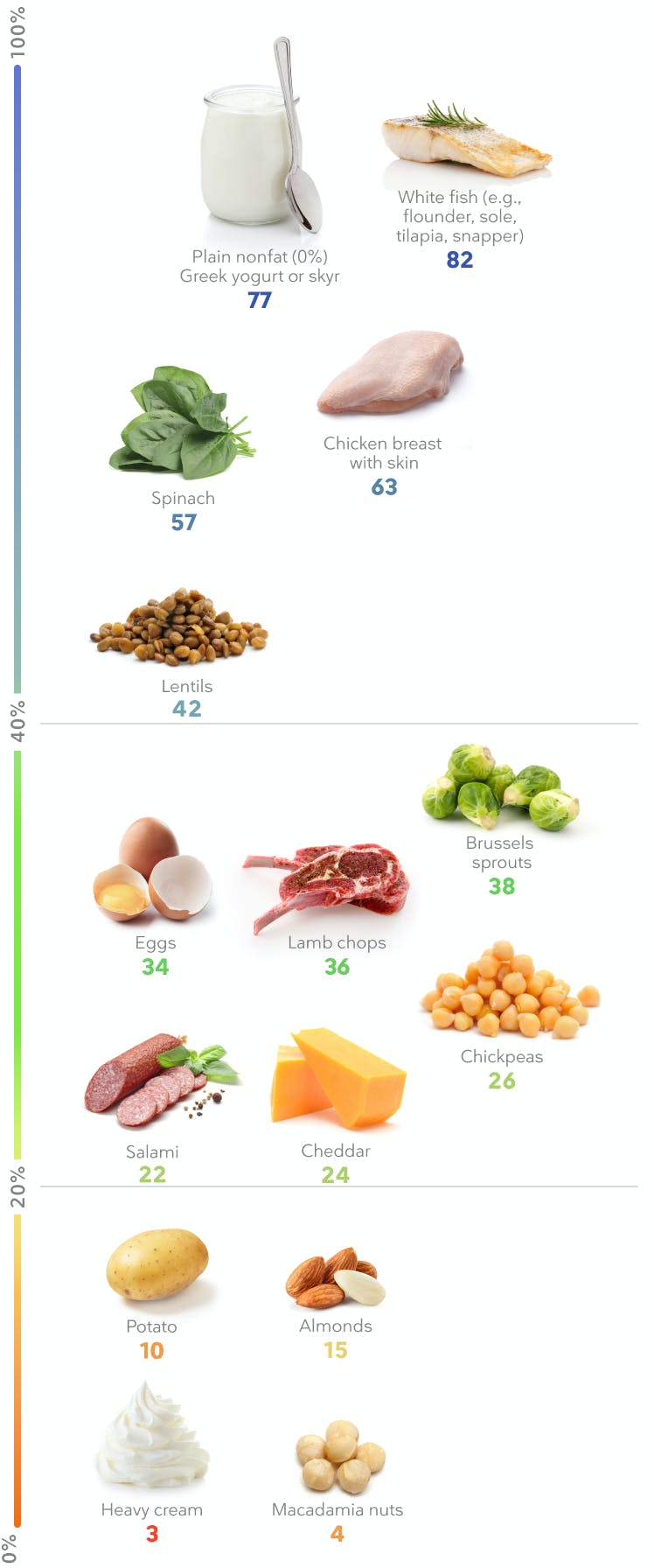
For weight loss purposes, it is generally recommended to increase protein intake. Consuming 25% to 30% of your total daily calories from protein can help you maintain muscle mass, increase satiety, and support fat loss. It’s important to note that excessive protein intake may not necessarily result in additional benefits and can contribute to an imbalance in overall nutrient intake.
Best Sources of Protein
Lean meats
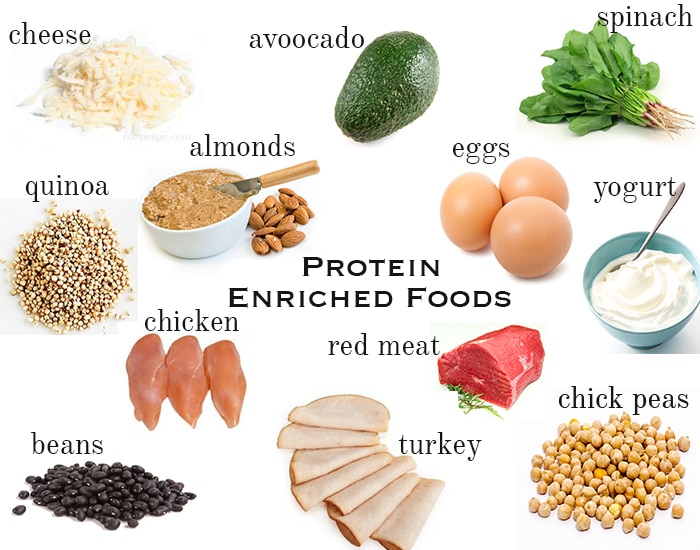
Lean meats such as chicken, turkey, and lean beef are excellent sources of protein. They are low in fat and provide essential amino acids that are necessary for muscle growth and repair. Including lean meats in your diet can help you meet your daily protein requirements while also providing a range of other important nutrients like iron and B vitamins.
Fish and seafood
Fish and seafood are not only rich in protein but also contain essential omega-3 fatty acids. These fatty acids are known for their numerous health benefits, including reducing inflammation and supporting heart health. Salmon, tuna, and shrimp are great options to incorporate into your diet to increase your protein intake while reaping the benefits of omega-3 fatty acids.
Eggs and dairy products
Eggs and dairy products, such as milk, yogurt, and cheese, are excellent sources of protein. They are versatile and can be incorporated into various meals and snacks. Eggs, in particular, are a complete protein source, meaning they contain all nine essential amino acids. Including eggs and dairy products in your diet can help increase your protein intake while also providing calcium and other important nutrients.
Beans and legumes
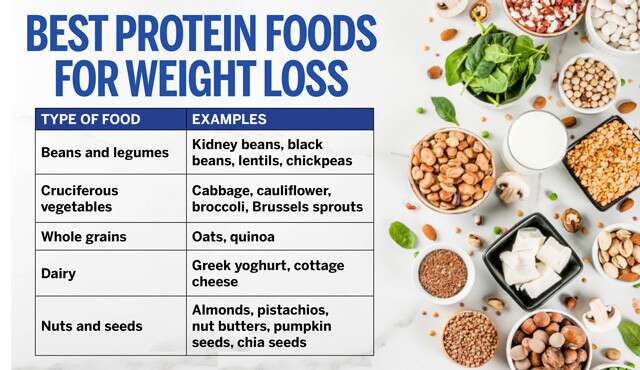
Beans and legumes, including chickpeas, lentils, and black beans, are plant-based sources of protein. They are also high in fiber, which further promotes satiety and aids in digestion. Adding beans and legumes to your meals or snacks can help you meet your protein needs while also increasing your intake of fiber, vitamins, and minerals.
Nuts and seeds
Nuts and seeds not only provide protein but also contain healthy fats and other beneficial nutrients. Almonds, walnuts, chia seeds, and flaxseeds are good examples of protein-rich nuts and seeds. They can be enjoyed as a snack, added to salads or smoothies, or used as a topping for yogurt or oatmeal. Incorporating nuts and seeds into your diet can provide a wide range of health benefits while increasing your protein intake.
Protein-Rich Meal Plans
Sample meal plan for weight loss
Here’s a sample meal plan that incorporates protein-rich foods and is suitable for weight loss:
- Breakfast: Spinach and mushroom omelet with whole-grain toast
- Snack: Greek yogurt with berries
- Lunch: Grilled chicken breast with steamed vegetables and quinoa
- Snack: Hard-boiled eggs
- Dinner: Baked salmon with roasted sweet potatoes and asparagus
- Snack: Almond and cashew mix
Protein smoothie recipes
Protein smoothies are a convenient and delicious way to increase your protein intake. Here are a few recipe ideas to try:
- Chocolate Banana Protein Smoothie: Blend together 1 scoop of chocolate protein powder, 1 ripe banana, 1 cup of almond milk, and a handful of ice.
- Berry Blast Protein Smoothie: Blend together 1 scoop of vanilla protein powder, a mix of berries (strawberries, blueberries, raspberries), 1 cup of Greek yogurt, and a splash of almond milk.
- Green Protein Smoothie: Blend together 1 scoop of plant-based protein powder, a handful of spinach or kale, 1 tablespoon of almond butter, 1 cup of coconut water, and ice.
High-protein snacks
Snacking on high-protein foods can help keep you satisfied between meals and prevent overeating. Here are some ideas for high-protein snacks:
- Greek yogurt with a sprinkle of nuts or seeds
- Cottage cheese with sliced veggies
- Hard-boiled eggs
- Protein bars or protein balls
- Roasted chickpeas
- Beef jerky
- Tuna or salmon packets
- Peanut butter or almond butter with apple slices
- Edamame
Combining Protein with other Nutrients
Protein and fiber
Combining protein with fiber can help enhance feelings of fullness and promote a healthy digestive system. High-fiber foods like fruits, vegetables, whole grains, and legumes can be paired with protein sources to create satisfying meals. For example, a salad with grilled chicken breast and a variety of colorful vegetables can provide a good balance of protein and fiber.
Protein and healthy fats
Including healthy fats in your meals along with protein can provide a balanced and nutrient-rich combination. Avocado, olive oil, nuts, and seeds are all examples of healthy fats. These can be incorporated into dishes like a spinach and feta cheese omelet cooked with olive oil or a grilled salmon with avocado salsa.
Protein and complex carbohydrates
Complex carbohydrates, such as whole grains, provide sustained energy and can be paired with protein to create balanced meals. Options include brown rice with grilled chicken, whole-grain toast with scrambled eggs, or a quinoa and black bean salad. Combining protein with complex carbohydrates can help maintain stable blood sugar levels and keep you full for longer periods.
Protein Supplements
Whey protein powder
Whey protein powder is one of the most popular and widely available protein supplements. It is derived from cow’s milk and is highly regarded for its high quality and bioavailability. Whey protein powder is easily absorbed by the body, making it an ideal choice for post-workout recovery. It comes in various flavors and can be easily mixed with water, milk, or added to smoothies.
Plant-based protein powders
Plant-based protein powders, such as pea, hemp, and brown rice protein, are suitable options for vegetarians and vegans. These protein powders are derived from plant sources and can provide similar benefits to whey protein. They are often hypoallergenic and free from common allergens like dairy and gluten. Plant-based protein powders can be incorporated into smoothies, baked goods, or mixed with non-dairy milk for a quick protein boost.
Protein bars
Protein bars are a convenient on-the-go option for increasing protein intake. They come in a variety of flavors and can be an excellent choice when you need a quick and easy snack. However, it’s important to read the labels and choose protein bars that are low in added sugars and contain a good balance of macronutrients. Homemade protein bars are also a great option, as they allow you to control the ingredients and customize flavors.
Protein Timing
Pre-workout protein
Consuming protein before a workout can help enhance muscle protein synthesis and provide fuel for your exercise session. Aim to consume a protein-rich snack or meal within 1-2 hours before your workout. Greek yogurt, a protein shake, or a small protein-packed meal with lean meats and vegetables can provide the necessary nutrients to support your workout performance.
Post-workout protein
Consuming protein after a workout is essential for muscle recovery and growth. The post-workout period is known as the “anabolic window” when your body is primed to utilize nutrients for muscle repair and growth. Consuming a combination of protein and carbohydrates within 30 minutes to an hour after your workout can optimize muscle recovery. Options include a protein shake, grilled chicken with sweet potatoes, or a smoothie with protein powder and fruits.
Protein before bed
Consuming a protein-rich snack before bed can help support overnight muscle repair and prevent muscle breakdown. Casein protein, which is a slow-digesting protein, is often recommended for pre-bedtime consumption. Greek yogurt, cottage cheese, or a protein shake made with casein protein powder can provide a slow and steady release of amino acids throughout the night, promoting muscle recovery and growth.
Overcoming Weight Loss Plateaus
Increase protein intake
When you hit a weight loss plateau, increasing your protein intake can help jumpstart your progress. Protein has a higher thermic effect compared to fats and carbohydrates, meaning it burns more calories during digestion. Increasing your protein intake can temporarily boost your metabolism and help you overcome a weight loss plateau.
Monitor calorie intake
Weight loss plateaus can often occur when you are unknowingly consuming more calories than you realize. It’s important to pay attention to portion sizes, track your food intake, and make sure you’re in a calorie deficit. Increasing your protein intake can also help you feel fuller and more satisfied on fewer calories, making it easier to control your overall calorie intake.
Adjust workout routine
Sometimes, changing up your workout routine can help you break through a weight loss plateau. Adding resistance training exercises to your routine can help build lean muscle mass, which can increase your basal metabolic rate and help you burn more calories throughout the day. Challenge yourself with new exercises, increase the intensity, or try different workout formats to keep your body and metabolism guessing.
Potential Risks and Considerations
Kidney function
There is a common myth that high protein intake can be detrimental to kidney function. However, research has shown that individuals with healthy kidney function can tolerate high protein diets without any adverse effects. It is important to note that individuals with existing kidney conditions should consult with a healthcare professional before significantly increasing protein intake.
Digestive discomfort
Some individuals may experience digestive discomfort when increasing protein intake. This can be due to factors such as inadequate fiber intake or insufficient hydration. To minimize digestive discomfort, gradually increase your protein intake and make sure to consume a variety of high-fiber foods and stay hydrated.
Balanced diet
While protein is important for weight loss, it’s essential to maintain a balanced diet that includes a variety of nutrients. Focusing solely on protein intake while neglecting other essential nutrients can lead to nutrient deficiencies. It is important to include a variety of fruits, vegetables, whole grains, and healthy fats to ensure a well-rounded and balanced diet.
Success Stories
Real-life examples of weight loss with protein-focused diets
There are countless success stories of individuals who have achieved weight loss goals by incorporating protein-focused diets into their lifestyle. These individuals often report increased satiety, reduced cravings, improved muscle tone, and sustainable weight loss. While each person’s journey is unique, the common thread among these success stories is the incorporation of protein-rich foods and a balanced approach to nutrition and exercise.