
If you’re looking to shed those extra pounds after your menstrual cycle, you’re in luck! In this article, we’ll explore effective strategies to help you lose weight after your period. From making simple dietary tweaks to incorporating regular exercise into your routine, we’ve got you covered. So, get ready to feel confident, healthy, and energized as we share some practical tips to help you achieve your weight loss goals post-period.
Understanding Weight Fluctuations during the Menstrual Cycle
Hormonal changes during the menstrual cycle
The menstrual cycle is a complex process that involves various hormonal changes in a woman’s body. These hormonal fluctuations can affect your weight and lead to temporary weight gain or water retention. During the first phase of your cycle, known as the follicular phase, estrogen levels gradually rise. This hormone can cause your body to retain water, leading to bloating and a potential increase in weight. As you near the end of your cycle, progesterone levels rise, which can also contribute to water retention.
Water retention and bloating
Water retention is a common issue that many women experience during their menstrual cycle. The hormonal changes mentioned earlier can cause your body to hold onto excess water, resulting in bloating and a feeling of discomfort. This water weight gain can lead to a temporary increase in the number on the scale. It’s essential to understand that this weight gain is not a true reflection of fat gain and will subside once your hormone levels stabilize.
Influence of cravings and appetite
Hormonal changes during the menstrual cycle can also influence your cravings and appetite. Many women experience increased hunger, particularly for carbohydrate-rich or sweet foods, in the days leading up to their period. This increased appetite can lead to consuming more calories than usual, contributing to temporary weight gain. It’s important to be aware of these cravings and try to make mindful choices when it comes to satisfying them.
Post-Period Weight Loss Tips
Focus on a balanced diet
After your period ends, focusing on a balanced diet is crucial for weight loss. Make sure to include a variety of nutrient-dense foods such as lean proteins, fruits and vegetables, whole grains, and healthy fats in your meals. Aim to consume a sufficient amount of calories to meet your body’s needs while creating a slight calorie deficit to promote weight loss.
Eat smaller, frequent meals
Eating smaller, frequent meals throughout the day can help stabilize your blood sugar levels and prevent excessive hunger or overeating. Aim to have three main meals and two to three snacks, ensuring that each meal includes a balance of protein, healthy carbohydrates, and vegetables. This approach can keep your energy levels stable and prevent spikes in hunger.
Choose healthy snacks
Opt for healthy snacks when hunger strikes between meals. Reach for options such as Greek yogurt, nuts and seeds, fresh fruit, or vegetable sticks with hummus. These snacks provide essential nutrients and can help keep you satisfied until your next meal.
Stay hydrated
Proper hydration is essential for overall health and weight management. It can also help alleviate bloating and water retention. Make sure to drink an adequate amount of water throughout the day and opt for hydrating options like herbal tea or infused water. Avoid excessive consumption of sugary drinks or beverages that can contribute to unnecessary calorie intake.
Incorporate regular physical activity
Engaging in regular physical activity is crucial for weight loss and overall well-being. Aim for at least 150 minutes of moderate-intensity aerobic activity or 75 minutes of vigorous-intensity aerobic activity per week. Incorporating activities such as brisk walking, cycling, swimming, or dancing can help burn calories, improve cardiovascular health, and support weight loss efforts.
Importance of Portion Control
Be mindful of portion sizes
Practicing portion control is vital for weight management. Be aware of recommended serving sizes and measure your food when needed. Overeating, even with healthy foods, can lead to consuming excess calories and hinder weight loss progress. Pay attention to how much you put on your plate and listen to your body’s cues of hunger and fullness.
Use smaller plates and bowls
Using smaller plates and bowls can trick your mind into thinking that you’re eating a full portion. It creates an optical illusion and can prevent overeating. By visually filling your plate with a smaller portion, you can maintain portion control and limit calorie intake.
Listen to your body’s hunger and fullness cues
Tuning in to your body’s hunger and fullness cues is essential for maintaining a healthy weight. Eat when you’re truly hungry and stop eating when you feel comfortably satisfied. Avoid eating out of boredom, stress, or emotional triggers. By listening to your body and stopping eating when you’re full, you can prevent unnecessary calorie intake and promote weight loss.
Avoid emotional or stress eating
Emotional or stress eating can sabotage your weight loss efforts. It’s important to find alternative ways to cope with emotions rather than turning to food for comfort. Engaging in activities like exercise, meditation, journaling, or talking to a trusted friend can help manage emotions in a healthy way and prevent overeating.
Foods to Include in Your Post-Period Diet
Lean proteins
Including lean proteins in your post-period diet is essential for weight loss and muscle maintenance. Lean proteins, such as chicken breast, fish, tofu, or beans, provide the necessary building blocks for muscle repair and growth while keeping you satiated. They also have a higher thermic effect, meaning they require more energy to digest, which can aid in calorie burning.
Fruits and vegetables
Fruits and vegetables are not only low in calories but also rich in vitamins, minerals, and dietary fiber. These nutrient-packed foods can help keep you full, support digestion, and provide essential antioxidants for overall health. Aim to include a variety of colorful fruits and vegetables in your meals and snacks.
Whole grains
Incorporating whole grains, such as quinoa, brown rice, oats, or whole wheat bread, can provide sustained energy and help keep you satisfied throughout the day. Whole grains are rich in fiber, which aids in digestion, promotes satiety, and can assist in weight loss efforts.
Healthy fats
Including healthy fats in your post-period diet is important for nutrient absorption and hormone regulation. Opt for sources such as avocados, olive oil, nuts, and seeds. These fats provide essential fatty acids and help keep you feeling satisfied. Remember to consume them in moderation, as they are calorie-dense.
Foods to Avoid or Limit
Processed and sugary foods
Processed and sugary foods should be avoided or limited in a post-period diet. These foods often provide empty calories, little to no nutrition, and can lead to spikes in blood sugar levels. Limit your intake of foods like soda, candy, processed snacks, and sugary desserts, as they can hinder weight loss progress.
Highly salty foods
Foods high in sodium can contribute to water retention and bloating. Avoid or limit the intake of processed foods, fast food, and canned goods that tend to be high in sodium. Opt for fresh, whole foods, and season your meals with herbs and spices instead of excessive salt.
Alcohol and sugary beverages
Alcoholic beverages and sugary drinks can be high in calories and contribute to weight gain. These beverages can also increase your appetite and lead to less mindful eating. Limit your alcohol consumption and opt for healthier alternatives like infused water, herbal tea, or sparkling water with a squeeze of lemon or lime.
Effective Post-Period Workouts
Cardiovascular exercises
Cardiovascular exercises are an effective way to burn calories and promote weight loss. Engaging in activities like jogging, cycling, swimming, or dancing can raise your heart rate, increase your metabolism, and help shed excess weight. Aim for at least 150 minutes of moderate-intensity aerobic activity or 75 minutes of vigorous-intensity aerobic activity per week.
Strength training
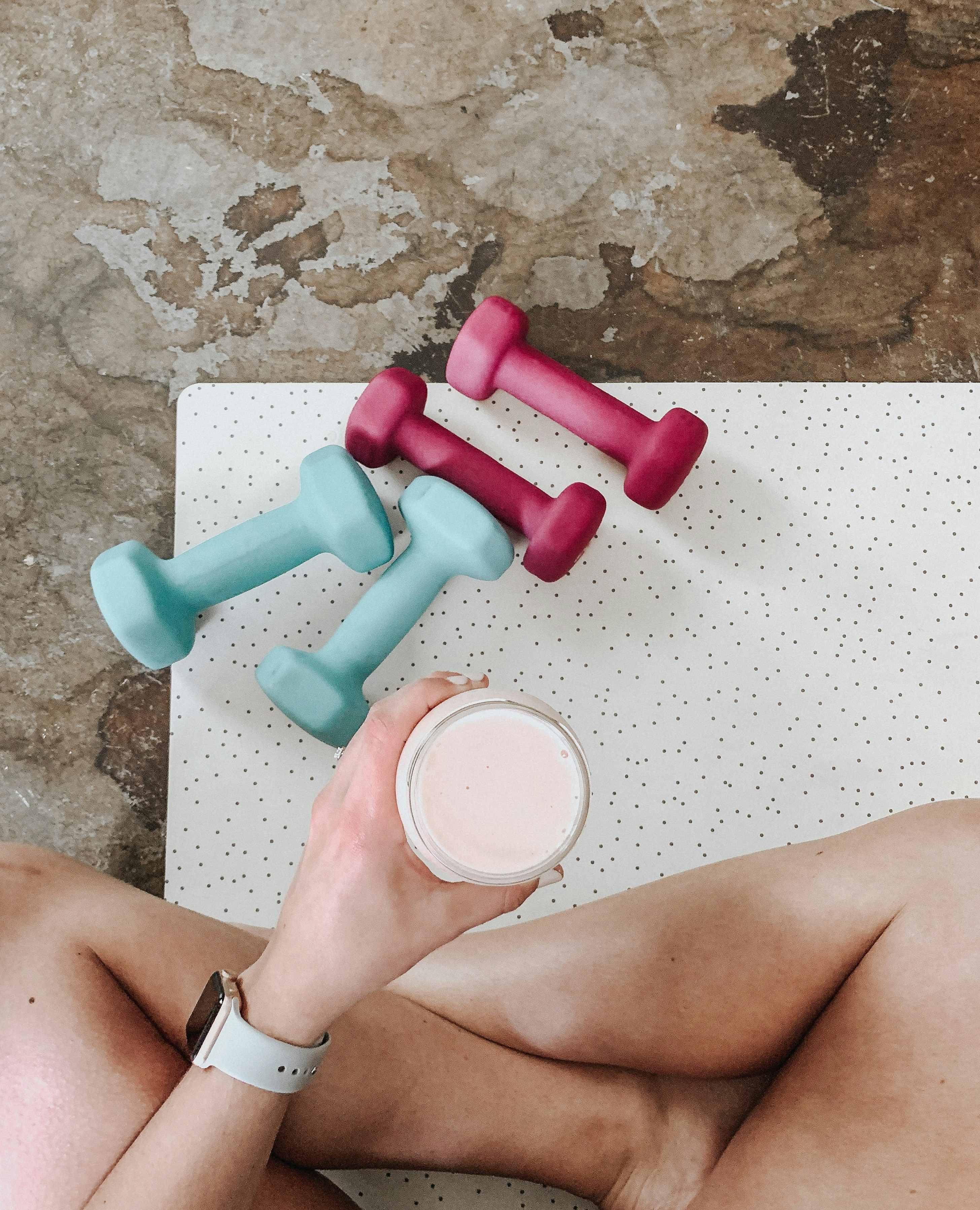
Incorporating strength training into your post-period workout routine can be beneficial for weight loss. Building lean muscle mass can increase your metabolism and help you burn more calories throughout the day. Include exercises such as weightlifting, bodyweight exercises, or resistance training to strengthen and tone your muscles.
High-intensity interval training (HIIT)
High-intensity interval training (HIIT) involves short bursts of intense exercise followed by active recovery. This type of workout can be highly effective for weight loss and can be done in a shorter amount of time compared to steady-state cardio. HIIT workouts can increase your calorie burn, improve cardiovascular fitness, and boost your metabolism.
The Role of Sleep in Weight Loss
Adequate sleep and its impact on metabolism
Getting adequate sleep is crucial for maintaining a healthy weight. Sleep deprivation can disrupt hormonal balance, including an increase in hunger hormones and a decrease in satiety hormones. This can lead to increased appetite, cravings, and a higher likelihood of overeating. Aim for seven to nine hours of quality sleep each night to support weight loss efforts.
Importance of a consistent sleep schedule
Maintaining a consistent sleep schedule can help regulate your body’s internal clock and improve the quality of your sleep. Try to go to bed and wake up at the same time every day, even on weekends. This consistency can optimize your sleep patterns, enhance metabolism, and support weight management.
Tips for improving sleep quality
To improve sleep quality, establish a relaxing bedtime routine that signals to your body it’s time to wind down. Avoid electronic devices, caffeine, and stimulating activities before bed. Create a sleep-friendly environment by keeping your bedroom cool, dark, and quiet. Consider incorporating relaxation techniques such as deep breathing, meditation, or listening to calming music to promote better sleep.
Managing Stress and Emotional Health
Effect of stress on weight gain
Stress can have a significant impact on weight gain and hinder weight loss efforts. When you’re stressed, your body releases cortisol, a hormone that can increase appetite, particularly for high-calorie foods. Additionally, stress can lead to emotional eating as a coping mechanism, which can result in consuming excess calories. Managing stress is essential for maintaining a healthy weight.
Practicing stress-reducing techniques
Incorporating stress-reducing techniques into your daily routine can help manage stress and prevent emotional eating. Find activities that help you relax and unwind, such as yoga, meditation, deep breathing exercises, or engaging in hobbies you enjoy. Prioritize self-care and make time for activities that promote relaxation and well-being.
Seeking support and professional help when needed
If you find that stress is overwhelming and negatively impacting your weight loss journey, don’t hesitate to seek support from friends, family, or a professional. Talking to a therapist or counselor can provide guidance and strategies for managing stress and emotional health. Remember that you are not alone, and reaching out for help is a sign of strength.
Tracking Progress and Setting Realistic Goals
Weighing yourself regularly
Weighing yourself regularly can help track your progress and provide motivation on your weight loss journey. However, it’s important to keep in mind that weight fluctuates due to various factors, including water retention and hormonal changes. Focus on the overall trend rather than day-to-day fluctuations and use the scale as one tool among many to measure progress.
Taking measurements and progress photos
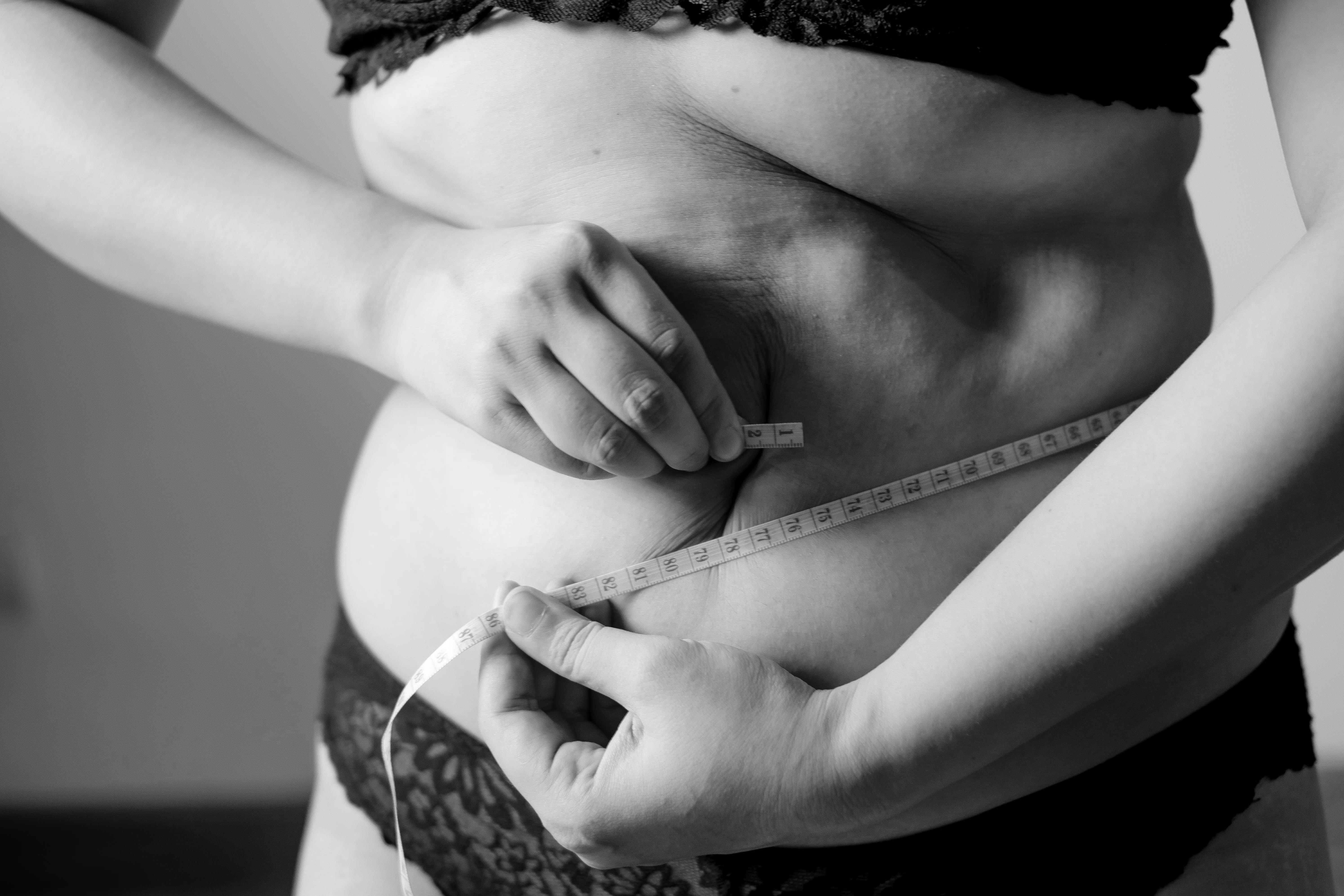
In addition to stepping on the scale, taking measurements and progress photos can provide a more comprehensive view of your progress. Measure your waist, hips, and other areas of interest and take photos to compare over time. Sometimes, changes in body composition may not be reflected on the scale, but measurements and photos can showcase progress.
Setting achievable goals
Setting realistic and achievable goals is crucial for long-term success. Instead of focusing solely on the number on the scale, consider setting goals related to physical fitness, strength, or overall well-being. Celebrate non-scale victories like improved energy levels, increased endurance, or better sleep. Remember that sustainable weight loss is a gradual process, and small, consistent changes lead to long-lasting results.
Sustainable Lifestyle Changes for Long-Term Weight Management
Adopting healthy habits beyond the post-period phase
While focusing on weight loss after your period is important, it’s crucial to adopt healthy habits beyond this phase. Aim to make sustainable lifestyle changes that you can maintain for the long term. Consistency in healthy eating, regular physical activity, and stress management throughout your entire menstrual cycle can contribute to overall well-being and weight management.
Creating a balanced and sustainable meal plan
Instead of relying on restrictive diets or short-term fixes, create a balanced and sustainable meal plan that suits your lifestyle. Aim to include a variety of foods from all food groups, focusing on nutrient-dense options. Allow for flexibility and occasional treats, as an all-or-nothing mindset tends to be unsustainable. Seek guidance from a registered dietitian or nutritionist if needed.
Making physical activity a part of daily routine
Regular physical activity is essential not just for weight loss but also for overall health and well-being. Make it a habit to engage in some form of exercise every day, even if it’s just a short walk or stretching session. Find activities you enjoy to make it easier to stick to a routine, whether that’s dancing, swimming, hiking, or joining a fitness class.
In conclusion, understanding weight fluctuations during the menstrual cycle is essential for effective weight management. By following post-period weight loss tips, practicing portion control, including the right foods in your diet, engaging in effective workouts, prioritizing sleep, managing stress, tracking progress, and adopting sustainable lifestyle changes, you can achieve your weight loss goals and maintain a healthy weight in the long term. Give yourself grace and remember that every woman’s journey is unique. Listen to your body, be consistent, and embrace the process of creating a healthier, happier you.


