When you think about weight loss, your mind might immediately jump to calorie counting or cutting out certain food groups. However, one of the most effective yet often overlooked components of a successful weight loss strategy is fiber. Fiber is a type of carbohydrate that your body cannot digest, and it plays a crucial role in how you feel and function.
By incorporating fiber into your diet, you can enhance your weight loss efforts significantly. It helps you feel fuller for longer periods, which can reduce the temptation to snack on unhealthy foods. Moreover, fiber can help regulate your blood sugar levels, preventing spikes and crashes that often lead to cravings.
When you consume fiber-rich foods, they slow down the digestion process, allowing for a more gradual release of glucose into your bloodstream. This steady energy release not only keeps you feeling satisfied but also helps maintain your energy levels throughout the day. Understanding how fiber works can empower you to make better dietary choices that align with your weight loss goals.
Key Takeaways
- Fiber helps with weight loss by promoting feelings of fullness and reducing overall calorie intake
- Fiber aids in weight management by regulating blood sugar levels and reducing the risk of overeating
- Fiber aids in digestion and metabolism by promoting regular bowel movements and supporting a healthy gut microbiome
- The best sources of fiber for weight loss include fruits, vegetables, whole grains, and legumes
- Incorporating fiber-rich foods into your diet can be done by adding them to meals and snacks, and choosing whole, unprocessed foods
The Benefits of Fiber for Weight Management
Fiber offers a multitude of benefits that extend beyond just aiding in weight loss. One of the most significant advantages is its ability to promote satiety. When you eat foods high in fiber, they expand in your stomach, creating a feeling of fullness that can last for hours.
This means you are less likely to reach for unhealthy snacks or overeat during meals. Additionally, fiber-rich foods often require more chewing, which can slow down your eating pace and give your brain time to register that you are full. Another benefit of fiber is its role in regulating bowel movements.
A healthy digestive system is essential for effective weight management. When your digestive system is functioning optimally, it can help eliminate waste efficiently, preventing bloating and discomfort that can arise from constipation. Furthermore, some types of fiber can help lower cholesterol levels and improve heart health, making it a vital component of an overall healthy lifestyle.
By focusing on fiber intake, you are not only working towards weight loss but also enhancing your overall well-being.
How Fiber Aids in Digestion and Metabolism
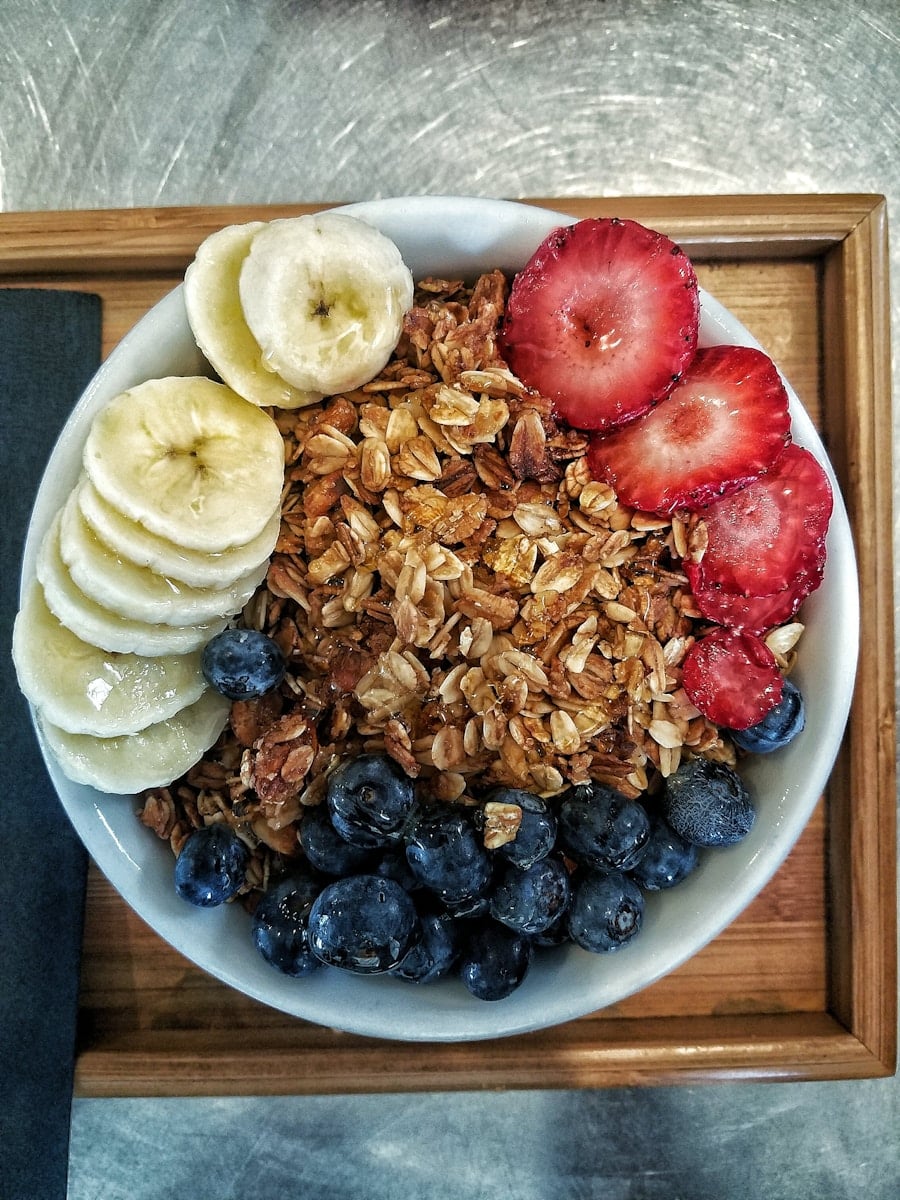
Fiber plays a pivotal role in digestion and metabolism, acting as a natural regulator for your body’s processes. When you consume fiber, it adds bulk to your stool, making it easier for your intestines to move waste through your digestive tract. This can help prevent issues such as constipation and promote regular bowel movements.
A well-functioning digestive system is essential for weight loss because it ensures that your body is efficiently processing the nutrients from the foods you eat. In addition to aiding digestion, fiber can also influence your metabolism. Certain types of soluble fiber can slow down the absorption of sugar, which helps maintain stable blood sugar levels.
This stabilization is crucial for preventing insulin spikes that can lead to fat storage. Moreover, some studies suggest that a high-fiber diet may increase the number of calories your body burns during digestion, known as the thermic effect of food. By incorporating more fiber into your meals, you may be able to enhance your metabolic rate and support your weight loss journey.
The Best Sources of Fiber for Weight Loss
When it comes to selecting fiber-rich foods for weight loss, variety is key. Fruits and vegetables are excellent sources of dietary fiber and should be staples in your diet. For instance, berries, apples, and pears are not only delicious but also packed with fiber that can help keep you full.
Leafy greens like spinach and kale are also great options that provide essential nutrients along with their fiber content. Whole grains are another fantastic source of fiber that can aid in weight loss. Foods such as quinoa, brown rice, and whole-grain bread offer more fiber than their refined counterparts.
Legumes like lentils, chickpeas, and black beans are also high in fiber and protein, making them perfect for satisfying meals that support weight management. Nuts and seeds are additional sources of fiber that can be easily incorporated into snacks or meals. By diversifying your fiber sources, you can enjoy a range of flavors and textures while working towards your weight loss goals.
Incorporating Fiber-Rich Foods into Your Diet
Incorporating fiber-rich foods into your diet doesn’t have to be a daunting task; it can be both enjoyable and rewarding. Start by gradually adding more fruits and vegetables to your meals. You might consider adding berries to your morning oatmeal or tossing a handful of spinach into your smoothie for an extra nutrient boost.
Experimenting with different cooking methods can also make these foods more appealing; roasting vegetables can enhance their natural sweetness and flavor. Another effective strategy is to swap out refined grains for whole grains in your meals. For example, choose whole-grain pasta instead of white pasta or opt for brown rice instead of white rice.
You can also explore new recipes that feature legumes as the main ingredient; soups and stews are excellent ways to incorporate beans while keeping meals hearty and satisfying. By making small changes to your meals and snacks, you can easily increase your fiber intake without feeling overwhelmed.
Tips for Increasing Fiber Intake for Weight Loss

Make Informed Choices with Food Labels
When shopping for groceries, read them carefully and look for products that contain 3 grams of fiber per serving. This will help you make informed choices while selecting snacks and meals.
Track Your Progress and Make Gradual Changes
Consider keeping a food diary to track your daily fiber intake, which can help you identify where you may need to make adjustments. Another helpful approach is to gradually increase your fiber consumption rather than making drastic changes overnight. This will allow your digestive system to adjust without causing discomfort such as bloating or gas.
Balance Portion Sizes for Weight Loss and Overall Health
Start by adding one or two servings of high-fiber foods each day and slowly increase from there. Lastly, don’t forget about portion sizes; even healthy foods can contribute to excess calorie intake if consumed in large amounts. Balancing portion sizes with increased fiber intake will support both weight loss and overall health.
The Importance of Hydration with a High-Fiber Diet
As you increase your fiber intake, it’s essential to pay attention to hydration as well. Fiber absorbs water in the digestive tract, which helps it function effectively in promoting regular bowel movements and preventing constipation. If you don’t drink enough water while consuming a high-fiber diet, you may experience discomfort or digestive issues instead of the benefits you’re aiming for.
Aim to drink plenty of water throughout the day—generally around eight 8-ounce glasses—but adjust this based on your activity level and individual needs. Herbal teas or infused water with fruits can also be refreshing alternatives that encourage hydration while adding flavor to your routine. By prioritizing hydration alongside increased fiber intake, you’ll create an optimal environment for digestion and support your weight loss efforts more effectively.
How to Monitor and Track Fiber Intake for Weight Loss Success
Monitoring and tracking your fiber intake can be an invaluable tool in achieving weight loss success. One effective method is using mobile apps designed for tracking nutrition; these apps often allow you to log food items and automatically calculate their fiber content. This not only helps you stay accountable but also provides insights into how well you’re meeting your daily goals.
Alternatively, you could keep a simple journal where you jot down everything you eat throughout the day along with their respective fiber content. This method encourages mindfulness about what you’re consuming and allows you to identify patterns or areas where you may need improvement. Remember that the recommended daily intake of fiber is about 25 grams for women and 38 grams for men; keeping this target in mind will help guide your choices as you work towards effective weight management.
In conclusion, understanding the role of fiber in weight loss is essential for anyone looking to improve their health and achieve their weight goals. By recognizing its benefits for digestion, metabolism, and satiety, you can make informed choices about incorporating more fiber-rich foods into your diet. With practical tips for increasing intake and monitoring progress, you’re well on your way to harnessing the power of fiber in your weight loss journey.
If you are looking to lose weight quickly by incorporating more fiber into your diet, you may also be interested in learning about the Alpilean Diet. This diet focuses on incorporating specific foods that can help boost metabolism and aid in weight loss. To further enhance your weight loss journey, you may want to consider the best weight loss supplement for PCOS. This supplement can help regulate hormones and support weight loss efforts, especially for individuals with Polycystic Ovary Syndrome. For more information on these topics, check out Alpilean Diet and Best Weight Loss Supplement for PCOS.
FAQs
What is fiber and how does it help with weight loss?
Fiber is a type of carbohydrate found in plant-based foods that the body cannot digest. It helps with weight loss by promoting feelings of fullness, slowing down digestion, and regulating blood sugar levels.
How does fiber aid in quick weight loss?
Fiber aids in quick weight loss by promoting satiety, reducing overall calorie intake, and supporting a healthy digestive system. It also helps to prevent overeating and cravings.
What are some high-fiber foods that can help with weight loss?
High-fiber foods that can aid in weight loss include fruits, vegetables, whole grains, legumes, nuts, and seeds. These foods are not only rich in fiber but also provide essential nutrients for overall health.
What is the recommended daily intake of fiber for weight loss?
The recommended daily intake of fiber for adults is 25 grams for women and 38 grams for men. Increasing fiber intake gradually and staying hydrated can help prevent digestive discomfort.
Are there any potential side effects of consuming too much fiber for weight loss?
Consuming too much fiber can lead to digestive issues such as bloating, gas, and diarrhea. It is important to increase fiber intake gradually and drink plenty of water to help prevent these side effects.