In today’s fast-paced world, where convenience often trumps nutrition, understanding food labels has become more crucial than ever. You may find yourself standing in the grocery aisle, surrounded by a myriad of products, each boasting health claims and enticing packaging. It can be overwhelming, but taking the time to decode these labels can empower you to make healthier choices.
Food labels are not just a collection of numbers and ingredients; they are a roadmap to understanding what you are putting into your body. By familiarizing yourself with these labels, you can take control of your diet and overall health. Food labels provide essential information about the nutritional content of a product, including calories, fats, sugars, and vitamins.
However, they can also be misleading if you don’t know how to interpret them correctly. Many products are marketed as “healthy” or “low-fat,” but these claims can often mask unhealthy ingredients or excessive calories. By learning how to read food labels effectively, you can navigate the grocery store with confidence and make choices that align with your health goals.
This article will guide you through the various components of food labels, helping you become a more informed consumer.
Key Takeaways
- Understanding food labels is essential for making informed decisions about the food we consume.
- Reading and interpreting nutrition facts can help us understand the nutritional value of a product and make healthier choices.
- Identifying serving sizes and portions can prevent overeating and help manage calorie intake.
- Understanding ingredient lists can help us avoid hidden additives and make healthier choices.
- Recognizing hidden sugars and fats can help us reduce our intake of unhealthy ingredients.
Reading and Interpreting Nutrition Facts
Focus on the Serving Size
As you delve into this panel, it’s important to focus on the serving size listed at the top. This figure is crucial because all the nutritional information that follows is based on that specific amount. If you consume more than the stated serving size, you’ll need to adjust the numbers accordingly.
Understanding Daily Value Percentages
As you examine the various components of the Nutrition Facts panel, pay particular attention to the percentages of Daily Value (%DV) listed next to each nutrient. These percentages indicate how much a serving contributes to your daily diet based on a 2,000-calorie daily intake. For instance, if a product contains 20% DV of fiber, it means that one serving provides 20% of the fiber you should aim for in a day.
Making Informed Choices
This can help you gauge whether a product is high or low in specific nutrients. A general rule of thumb is that 5% DV or less is considered low, while 20% DV or more is high. By using this information wisely, you can make choices that better support your nutritional needs.
Identifying Serving Sizes and Portions

Understanding serving sizes is one of the most critical aspects of reading food labels effectively. You might be surprised to learn that what you consider a “normal” portion may differ significantly from the serving size indicated on the label. For example, a bag of chips may list a serving size as just 10 chips, while you might typically consume a handful or more.
This discrepancy can lead to unintentional overeating and skewed perceptions of how many calories and nutrients you are actually consuming. To make informed decisions about portion control, it’s essential to measure out serving sizes when possible. Using measuring cups or a food scale can help you visualize what a true serving looks like.
Additionally, be mindful of how many servings are in a package. If a product contains multiple servings and you consume the entire package, you’ll need to multiply the nutritional values by the number of servings to get an accurate picture of your intake. By being aware of serving sizes and practicing portion control, you can better manage your calorie intake and work towards your health goals.
Understanding Ingredient Lists
The ingredient list on a food label is another vital component that deserves your attention. This list provides insight into what exactly is in the product you’re considering purchasing. Ingredients are typically listed in descending order by weight, meaning that the first few items on the list make up the majority of the product.
If sugar or unhealthy fats appear near the top of the list, it’s a red flag that the product may not be as healthy as it claims to be. As you read through the ingredient list, look for whole foods and recognizable ingredients. The fewer processed ingredients there are, the better.
Ingredients like whole grains, fruits, vegetables, and lean proteins should be prioritized over artificial additives and preservatives. Additionally, be cautious of products that contain multiple names for sugar (such as high fructose corn syrup, cane sugar, or agave nectar) or unhealthy fats (like partially hydrogenated oils). By scrutinizing ingredient lists carefully, you can avoid hidden additives that may undermine your health efforts.
Recognizing Hidden Sugars and Fats
In your quest for healthier eating habits, it’s essential to recognize hidden sugars and fats that may lurk in seemingly innocent products. Many foods marketed as “healthy” can still contain significant amounts of added sugars and unhealthy fats that contribute to weight gain and other health issues. For instance, yogurt may be labeled as low-fat but could contain high levels of added sugars to enhance flavor.
Similarly, salad dressings often contain hidden sugars and unhealthy oils that can turn a nutritious meal into a calorie-laden dish. To identify these hidden ingredients, familiarize yourself with common names for sugars and fats found on ingredient lists. Sugars can appear under various names such as sucrose, glucose, or maltose, making it easy to overlook their presence.
Likewise, unhealthy fats may be listed as trans fats or partially hydrogenated oils. By being vigilant about these hidden ingredients, you can make more informed choices and select products that align with your health goals.
Comparing Nutritional Values of Different Products
Comparing Nutritional Values
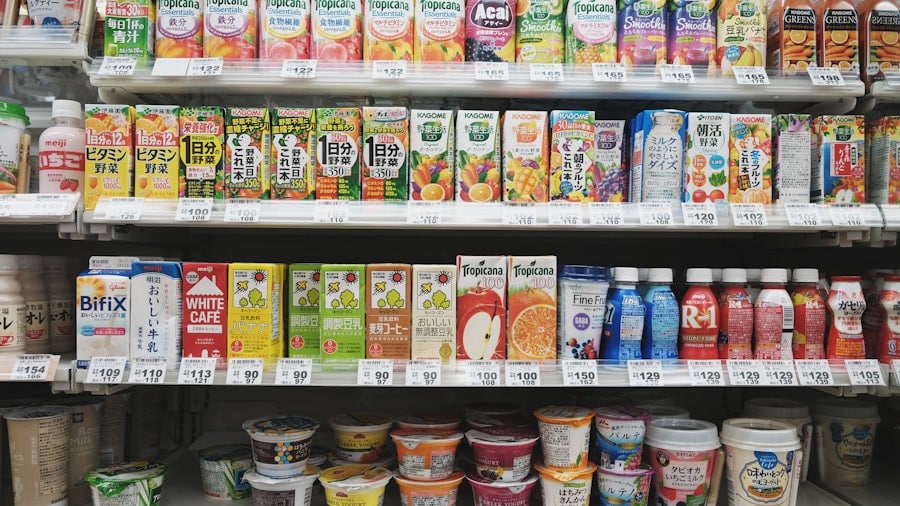
Once you have a grasp on reading food labels, comparing nutritional values between different products becomes an invaluable skill. When faced with multiple options for similar items—such as cereals or snack bars—taking the time to compare their nutritional profiles can lead to healthier choices.
Looking Beyond Calories
Look beyond just calories; consider factors like fiber content, protein levels, and added sugars when making comparisons. For example, two brands of granola bars may have similar calorie counts but vastly different amounts of sugar and fiber.
The Impact of Sugar and Fiber
One bar might contain 10 grams of sugar while another has only 3 grams; this difference can significantly impact your overall health if consumed regularly.
Making Informed Choices
By comparing products side by side using their Nutrition Facts panels and ingredient lists, you can identify which options are truly healthier and better suited for your dietary needs.
Making Informed Decisions for Weight Loss
If weight loss is one of your goals, understanding food labels is essential for making informed decisions about what you eat. By paying attention to calorie counts and nutrient densities—how many nutrients are packed into each calorie—you can create meals that support your weight loss journey without sacrificing satisfaction or nutrition. Opting for foods that are high in fiber and protein can help keep you feeling full longer while providing essential nutrients.
Additionally, being mindful of added sugars and unhealthy fats will help you avoid empty calories that contribute little to your overall health. When shopping for snacks or meals, prioritize whole foods like fruits, vegetables, lean proteins, and whole grains over processed options that often contain hidden sugars and unhealthy fats. By making conscious choices based on food labels, you can create a balanced diet that supports your weight loss goals while promoting overall well-being.
Tips for Using Food Labels to Support a Healthy Diet
To maximize the benefits of food labels in supporting a healthy diet, consider implementing some practical tips into your shopping routine. First and foremost, take your time when grocery shopping; don’t rush through the aisles. Use this time to read labels carefully and compare products before making decisions.
It’s also helpful to create a shopping list based on healthy foods before heading out—this will keep you focused on nutritious options rather than getting sidetracked by tempting marketing claims. Another effective strategy is to educate yourself about specific nutrients that are important for your health goals. For instance, if you’re looking to increase your fiber intake for digestive health or weight management, seek out products with higher fiber content on their labels.
Similarly, if you’re trying to reduce sodium intake for heart health reasons, look for low-sodium options when selecting canned goods or sauces. By being proactive in your approach to reading food labels and understanding their significance in relation to your health goals, you can cultivate healthier eating habits that last a lifetime. In conclusion, understanding food labels is an essential skill that empowers you to make informed dietary choices.
By learning how to read Nutrition Facts panels, identify serving sizes, scrutinize ingredient lists, recognize hidden sugars and fats, compare products effectively, and apply this knowledge towards weight loss goals or overall health improvement strategies, you can take charge of your nutrition journey with confidence. With practice and awareness, navigating food labels will become second nature—leading you toward healthier eating habits and better well-being overall.
If you are looking for more tips on how women can lose weight and keep it off, check out this article for some helpful advice. Additionally, if you are interested in a non-surgical weight loss option, you may want to learn more about the Allurion Balloon by visiting this article.
FAQs
What are food labels?
Food labels are the information found on the packaging of food products that provide details about the nutritional content, ingredients, serving size, and other important information about the product.
Why is it important to understand food labels when trying to lose weight?
Understanding food labels is important when trying to lose weight because it allows you to make informed decisions about the foods you consume. By reading and understanding food labels, you can better control your calorie intake, monitor your macronutrient consumption, and make healthier food choices.
What should I look for on a food label when trying to lose weight?
When trying to lose weight, it’s important to look for the serving size, calorie content, macronutrient breakdown (such as fat, protein, and carbohydrates), and the ingredient list on a food label. Paying attention to these details can help you make healthier choices and manage your weight effectively.
How can food labels help me make healthier food choices?
Food labels can help you make healthier food choices by providing information about the nutritional content of the product. By comparing different food labels, you can choose foods that are lower in calories, saturated fat, and added sugars, and higher in essential nutrients like fiber, vitamins, and minerals.
Are there any specific terms or claims on food labels that I should be aware of when trying to lose weight?
When trying to lose weight, it’s important to be aware of terms and claims such as “low-fat,” “reduced-sugar,” “light,” and “natural,” as these can sometimes be misleading. It’s important to read the entire food label and not just rely on these terms to make healthy choices.