Gluten is a protein found in wheat, barley, and rye, which gives dough its elasticity and helps it rise and maintain its shape. For many people, gluten is a harmless component of their diet, but for those with celiac disease or gluten sensitivity, consuming gluten can lead to serious health issues. If you fall into this category, you may have already explored the world of gluten-free products, which have surged in popularity over the past decade.
These products are designed to provide alternatives for those who need to avoid gluten while still enjoying a variety of foods. When you venture into the realm of gluten-free products, you’ll find an array of options, from gluten-free bread and pasta to snacks and baked goods. Many of these items are made from alternative grains such as rice, quinoa, or almond flour.
However, it’s essential to recognize that not all gluten-free products are created equal. Some may be highly processed and contain added sugars or unhealthy fats, which can detract from their health benefits. As you navigate this landscape, understanding the ingredients and nutritional content of these products will be crucial in making informed choices.
Key Takeaways
- Gluten is a protein found in wheat, barley, and rye, and is commonly found in breads, pastas, and baked goods.
- Going gluten-free does not guarantee weight loss, as many gluten-free products are high in sugar, fat, and calories.
- To choose the right gluten-free products for weight loss, look for options that are high in fiber, protein, and low in added sugars and unhealthy fats.
- Incorporating gluten-free products into a balanced diet for weight loss can be beneficial, but it’s important to focus on whole, unprocessed foods as well.
- Portion control is crucial when consuming gluten-free products, as they can still contribute to weight gain if eaten in excess.
- Potential pitfalls of gluten-free products for weight loss include relying too heavily on processed gluten-free foods and missing out on important nutrients found in whole grains.
- It’s important to consult a professional, such as a registered dietitian, for personalized advice on gluten-free weight loss, as individual needs and goals vary.
The Myth of Gluten-free for Weight Loss
It’s Not Just About Gluten
While some individuals may experience weight loss after eliminating gluten due to a reduction in processed foods or increased awareness of their eating habits, this is not a universal outcome. It’s essential to approach weight loss with a holistic mindset rather than relying solely on dietary restrictions.
A Holistic Approach to Weight Loss
Weight loss requires a comprehensive approach that takes into account multiple factors, including diet, exercise, and individual metabolism. Simply eliminating gluten from your diet is not a guarantee of success.
Don’t Rely on Misconceptions
It’s time to reassess the notion that going gluten-free is a surefire way to slim down. Instead, focus on making sustainable lifestyle changes that promote overall health and well-being.
The Truth About Gluten-free Products and Weight Loss

When you delve deeper into the relationship between gluten-free products and weight loss, you may discover that many gluten-free alternatives are not necessarily lower in calories or healthier than their gluten-containing counterparts. In fact, some gluten-free products can be higher in calories and sugar due to the use of alternative flours and additives designed to mimic the texture and taste of traditional foods. As you explore these options, it’s vital to read labels carefully and consider the overall nutritional profile rather than focusing solely on the absence of gluten.
Moreover, many gluten-free products are marketed as “health foods,” which can lead to overconsumption. Just because a product is labeled gluten-free doesn’t mean it’s automatically a better choice for your weight loss goals. You might find yourself reaching for gluten-free cookies or chips under the impression that they are healthier options, only to realize later that they contain just as many calories and unhealthy ingredients as their gluten-filled counterparts.
Being mindful of what you consume is key to achieving your weight loss objectives.
How to Choose the Right Gluten-free Products for Weight Loss
As you embark on your journey toward healthier eating while avoiding gluten, selecting the right products becomes paramount. Start by prioritizing whole foods that are naturally gluten-free, such as fruits, vegetables, lean proteins, and legumes. These foods not only provide essential nutrients but also help keep you satiated without unnecessary calories.
When you do opt for packaged gluten-free products, look for those made with whole grains or high-fiber ingredients that can contribute to your overall health. Reading labels is another critical step in choosing the right gluten-free products. Pay attention to the ingredient list and nutritional information.
Aim for options that are low in added sugars and unhealthy fats while being rich in fiber and protein. You might also want to consider portion sizes; just because a product is gluten-free doesn’t mean you should indulge without restraint. By making informed choices and focusing on nutrient-dense foods, you can better align your diet with your weight loss goals.
Incorporating Gluten-free Products into a Balanced Diet for Weight Loss
Incorporating gluten-free products into your diet can be done effectively while still maintaining balance and variety. Start by integrating these products into meals where they can replace traditional options without compromising nutrition. For instance, you might enjoy gluten-free pasta made from chickpeas or lentils instead of regular pasta; these alternatives often provide more protein and fiber, which can help keep you full longer.
Additionally, consider using gluten-free grains like quinoa or brown rice as bases for salads or bowls. These grains not only add texture but also contribute essential nutrients that support your overall health. By combining gluten-free products with plenty of vegetables and lean proteins, you can create satisfying meals that align with your weight loss goals while still enjoying the flavors you love.
The Importance of Portion Control with Gluten-free Products
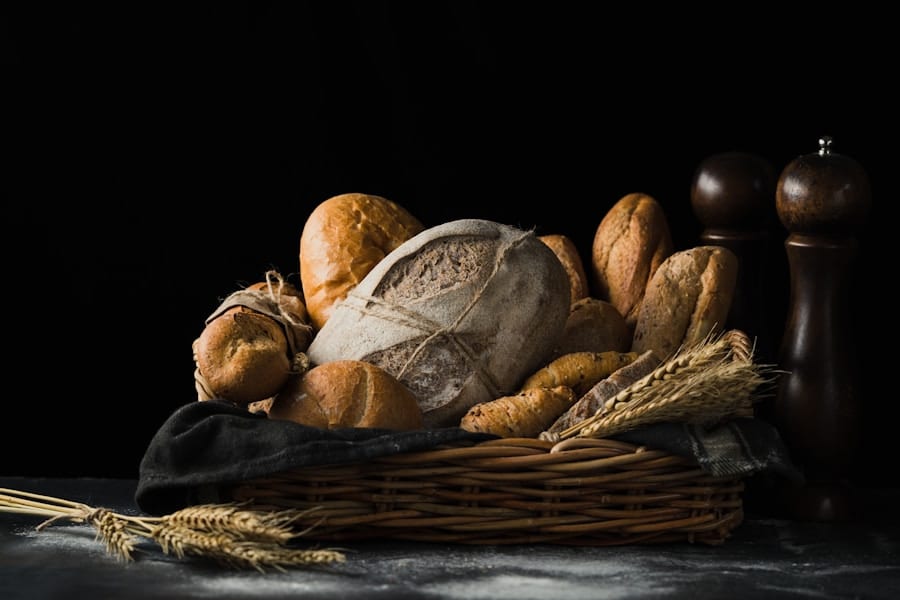
While gluten-free products can be part of a healthy diet, portion control remains crucial in your weight loss journey. It’s easy to overindulge in gluten-free snacks or treats simply because they are labeled as “healthier” options. You might find yourself reaching for multiple servings of gluten-free crackers or cookies without realizing how quickly the calories can add up.
To avoid this pitfall, practice mindful eating by measuring out portions and being aware of how much you consume. Incorporating portion control strategies can help you enjoy your favorite gluten-free foods without derailing your weight loss efforts. Consider using smaller plates or bowls when serving yourself meals or snacks; this simple trick can help create the illusion of a fuller plate while keeping your portions in check.
Additionally, take time to savor each bite and listen to your body’s hunger cues; this mindfulness can prevent overeating and promote a healthier relationship with food.
Potential Pitfalls of Gluten-free Products for Weight Loss
As you navigate the world of gluten-free eating, it’s essential to be aware of potential pitfalls that could hinder your weight loss progress. One significant concern is the tendency to rely heavily on processed gluten-free foods, which can be high in calories and low in nutritional value. Many people mistakenly believe that all gluten-free products are healthy, leading them to consume more than they should without realizing it.
Another pitfall is the psychological aspect of labeling foods as “forbidden” or “off-limits.” When you restrict certain foods from your diet, it can lead to cravings and binge eating when those foods are eventually consumed. Instead of viewing gluten-containing foods as entirely off-limits, consider adopting a balanced approach that allows for occasional indulgences while focusing on overall health and well-being.
Consulting a Professional for Personalized Advice on Gluten-free Weight Loss
If you’re serious about losing weight while following a gluten-free diet, consulting a healthcare professional or registered dietitian can provide invaluable guidance tailored to your individual needs. These experts can help you navigate the complexities of gluten-free eating while ensuring that you meet your nutritional requirements. They can also assist in creating a personalized meal plan that aligns with your weight loss goals while considering any specific dietary restrictions or preferences you may have.
Working with a professional can also help you identify any potential deficiencies in your diet that may arise from eliminating gluten-containing foods. They can recommend appropriate supplements or alternative food sources to ensure you’re getting all the essential nutrients your body needs to thrive. By seeking personalized advice, you’ll be better equipped to make informed choices that support both your health and weight loss journey.
In conclusion, understanding the nuances of gluten and gluten-free products is essential for anyone looking to lose weight while adhering to a gluten-free diet. By dispelling myths surrounding gluten-free eating and focusing on whole foods, portion control, and balanced meals, you can achieve your weight loss goals without sacrificing flavor or satisfaction. Remember that consulting a professional can provide additional support and guidance tailored specifically to your needs, helping you navigate this journey with confidence and success.
If you are looking to lose weight fast, you may also be interested in learning about the benefits of Alli weight loss pills. These pills can help boost your weight loss efforts when combined with a healthy diet and exercise routine. To maximize your results, consider incorporating the best exercises to lose weight and gain muscle into your fitness regimen. Additionally, a 3-day cleanse to lose belly fat can jumpstart your weight loss journey and help you achieve your goals more quickly. Check out these articles for more information on how to achieve your weight loss goals effectively. Alli weight loss pills, best exercises to lose weight and gain muscle, 3-day cleanse to lose belly fat.
FAQs
What are gluten-free products?
Gluten-free products are foods that do not contain gluten, a protein found in wheat, barley, and rye. These products are often marketed to individuals with celiac disease, gluten sensitivity, or those looking to reduce their gluten intake for other health reasons.
Do gluten-free products help with weight loss?
There is no direct evidence to suggest that gluten-free products specifically aid in weight loss. Weight loss is primarily achieved through a caloric deficit, where the number of calories consumed is less than the number of calories expended. It is important to note that some gluten-free products may actually be higher in calories and sugar to compensate for the lack of gluten.
Are gluten-free products healthier than regular products?
Gluten-free products are not inherently healthier than regular products. In fact, some gluten-free products may be lower in nutrients such as fiber, iron, and B vitamins compared to their gluten-containing counterparts. It is important to read labels and choose gluten-free products that are also nutritious and well-balanced.
Can gluten-free products be part of a healthy weight loss plan?
Gluten-free products can be part of a healthy weight loss plan if chosen wisely and consumed in moderation. It is important to focus on whole, unprocessed foods such as fruits, vegetables, lean proteins, and healthy fats, while incorporating gluten-free products as part of a balanced diet.
What are some common misconceptions about gluten-free products and weight loss?
One common misconception is that all gluten-free products are lower in calories and healthier than their gluten-containing counterparts. Another misconception is that going gluten-free will automatically lead to weight loss, when in reality, weight loss is dependent on overall caloric intake and expenditure.