High-Intensity Interval Training, commonly referred to as HIIT, is a dynamic and efficient workout strategy that alternates between short bursts of intense exercise and periods of rest or lower-intensity activity. This training method is designed to push your body to its limits in a short amount of time, making it an appealing option for those with busy schedules. You might find yourself sprinting for 30 seconds, followed by a minute of walking or light jogging, and then repeating this cycle several times.
The beauty of HIIT lies in its versatility; you can perform it with various exercises, including running, cycling, bodyweight movements, or even strength training. The appeal of HIIT extends beyond just its time efficiency. It allows you to maximize your workout in a fraction of the time compared to traditional steady-state cardio.
You can achieve significant fitness gains and fat loss without spending hours at the gym. As you engage in these high-intensity intervals, your heart rate spikes, and your body begins to burn calories at an accelerated rate. This method not only enhances cardiovascular fitness but also builds strength and endurance, making it a comprehensive approach to fitness.
Key Takeaways
- HIIT involves short bursts of intense exercise followed by periods of rest or lower-intensity exercise.
- HIIT can increase metabolism, burn more calories, and promote fat loss compared to steady-state cardio.
- Benefits of HIIT for weight loss include improved cardiovascular health, increased muscle mass, and reduced insulin resistance.
- Incorporate HIIT into your fitness routine by starting with a warm-up, choosing exercises that target major muscle groups, and gradually increasing intensity.
- Sample HIIT workouts for fast weight loss include Tabata, 30-20-10, and ladder workouts.
The Science Behind HIIT and Weight Loss
The science behind HIIT and its effectiveness for weight loss is rooted in the concept of excess post-exercise oxygen consumption (EPOC), often referred to as the “afterburn effect.” When you engage in high-intensity workouts, your body requires more oxygen to recover from the exertion. This increased demand for oxygen leads to a higher metabolic rate even after you’ve finished exercising. As a result, you continue to burn calories long after your workout has ended.
This phenomenon can significantly contribute to weight loss over time, especially when combined with a balanced diet. Moreover, HIIT has been shown to improve insulin sensitivity and glucose metabolism, which are crucial factors in weight management. By incorporating short bursts of intense activity into your routine, you can enhance your body’s ability to utilize carbohydrates for energy rather than storing them as fat.
This metabolic boost is particularly beneficial for those looking to shed pounds or maintain a healthy weight. Research indicates that individuals who engage in HIIT may experience greater fat loss compared to those who perform moderate-intensity steady-state cardio, making it a powerful tool in your weight loss arsenal.
Benefits of HIIT for Weight Loss

One of the most significant benefits of HIIT for weight loss is its efficiency. You can achieve substantial results in a shorter amount of time compared to traditional workouts. If you’re pressed for time but still want to see progress, HIIT allows you to maximize your efforts within a 20-30 minute session.
This time-saving aspect makes it easier for you to stick with your fitness routine, as you can fit it into your busy schedule without sacrificing effectiveness. In addition to saving time, HIIT also keeps your workouts engaging and varied. The constant change in intensity and exercise types prevents boredom and keeps you motivated.
You might find yourself looking forward to your workouts instead of dreading them. Furthermore, the adaptability of HIIT means you can tailor your sessions to suit your fitness level and preferences. Whether you’re a beginner or an experienced athlete, you can modify the intensity and duration of intervals to create a workout that challenges you while remaining enjoyable.
How to Incorporate HIIT into Your Fitness Routine
Incorporating HIIT into your fitness routine can be straightforward and enjoyable. Start by determining how many days a week you want to dedicate to HIIT workouts. For beginners, two to three sessions per week can be effective, allowing your body time to recover between workouts.
As you become more comfortable with the intensity, you can gradually increase the frequency or duration of your sessions. When planning your HIIT workouts, consider mixing different types of exercises to keep things fresh and exciting. You might alternate between cardio-focused intervals like sprinting or cycling and strength-based movements such as burpees or kettlebell swings.
This variety not only helps prevent plateaus but also ensures that you’re engaging multiple muscle groups, leading to a more balanced fitness regimen. Additionally, be sure to include a proper warm-up before diving into high-intensity intervals and a cool-down afterward to aid recovery.
Sample HIIT Workouts for Fast Weight Loss
To get you started on your HIIT journey, here are a few sample workouts that can help accelerate your weight loss efforts. One effective routine could involve alternating between 30 seconds of high-intensity exercise and 30 seconds of rest for a total of 15-20 minutes. For example, you might begin with 30 seconds of jumping jacks followed by 30 seconds of rest, then move on to squat jumps, mountain climbers, and push-ups, repeating the circuit until you’ve completed the desired time.
Another option is to incorporate cardio intervals into your routine. You could sprint for 20 seconds at maximum effort followed by 40 seconds of walking or jogging. Repeat this cycle for 15-20 minutes.
This type of workout not only boosts your cardiovascular fitness but also helps torch calories effectively. Remember that the key to successful HIIT workouts is maintaining high intensity during the work intervals while allowing adequate recovery during rest periods.
Precautions and Safety Tips for HIIT
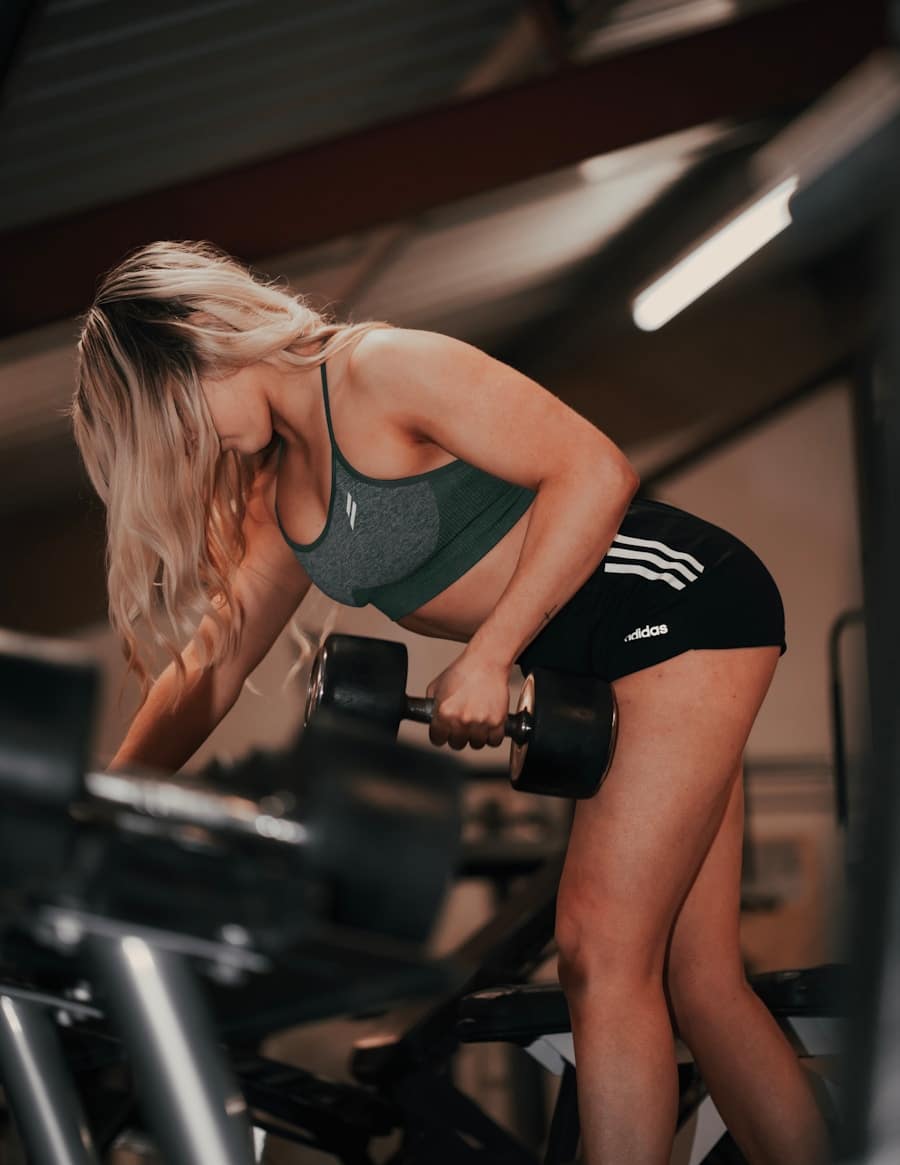
Here is the rewritten text with 3-4 Getting Started with HIIT: Safety First
————————————-
Before diving into HIIT, it’s crucial to approach it with caution, especially if you’re new to exercise or have any pre-existing health conditions. Consult with a healthcare professional or fitness expert to ensure HIIT is suitable for you. Listen to your body and recognize when you need to take breaks or modify exercises.
Proper Form Over Speed and Intensity
————————————
As you engage in HIIT, prioritize proper form over speed or intensity. Poor technique can lead to injuries, which may set back your progress significantly. Start with lower-intensity exercises if you’re unsure about your form or if you’re just beginning your fitness journey.
Gradual Progression and Hydration
———————————
Gradually increase the intensity as you build strength and confidence in your abilities. Additionally, ensure you’re adequately hydrated before and during your workouts, as dehydration can hinder performance and recovery.
Combining HIIT with a Healthy Diet for Maximum Weight Loss
To achieve optimal weight loss results through HIIT, it’s essential to complement your workouts with a healthy diet. Focus on consuming whole foods rich in nutrients, such as fruits, vegetables, lean proteins, whole grains, and healthy fats. These foods will provide the energy needed for intense workouts while supporting overall health and recovery.
Consider tracking your food intake and exercise routines using apps or journals to help maintain accountability and identify areas for improvement. Pay attention to portion sizes and aim for balanced meals that fuel your body without leading to excess calorie consumption. Combining a well-rounded diet with regular HIIT sessions will create a synergistic effect that enhances fat loss and promotes sustainable weight management.
Success Stories and Testimonials from HIIT Enthusiasts
Many individuals have experienced transformative results through their commitment to HIIT training. You might find inspiration in stories from people who have successfully lost weight and improved their overall fitness levels by incorporating this training method into their lives. For instance, one individual may share how they shed significant pounds within just a few months by dedicating themselves to three weekly HIIT sessions combined with mindful eating habits.
Another success story could highlight someone who initially struggled with motivation but found renewed enthusiasm through the variety and challenge that HIIT offers. They may describe how they went from feeling overwhelmed by traditional workouts to eagerly anticipating their next session because of the excitement that comes with pushing their limits in short bursts. These testimonials serve as powerful reminders that with dedication and the right approach, anyone can achieve their fitness goals through HIIT training.
In conclusion, High-Intensity Interval Training presents an effective and efficient way for you to achieve weight loss while enhancing overall fitness levels. By understanding the science behind it, recognizing its benefits, incorporating it into your routine safely, and combining it with healthy eating habits, you can embark on a successful journey toward better health and well-being. With countless success stories from those who have embraced this training method, it’s clear that HIIT can be a game-changer in your fitness journey.
If you are looking to incorporate meal planning into your weight loss journey, you may want to check out the article on the best meal planning apps to help you stay on track. These apps can provide you with recipes, grocery lists, and even track your calorie intake to ensure you are meeting your weight loss goals. Meal planning can be a great complement to High-Intensity Interval Training for fast weight loss.
FAQs
What is High-Intensity Interval Training (HIIT)?
High-Intensity Interval Training (HIIT) is a form of cardiovascular exercise that alternates between short bursts of intense anaerobic exercise and periods of lower-intensity recovery or rest. This type of training is known for its effectiveness in burning calories and improving cardiovascular fitness.
How does HIIT help with weight loss?
HIIT is effective for weight loss because it increases the body’s need for oxygen during the workout and creates an oxygen shortage, causing the body to ask for more oxygen during recovery. This process is called excess post-exercise oxygen consumption (EPOC) and it helps burn more calories and fat in a shorter amount of time compared to steady-state cardio exercises.
What are the benefits of HIIT for weight loss?
Some benefits of HIIT for weight loss include increased calorie burn, improved metabolism, reduced insulin resistance, and the preservation of lean muscle mass. Additionally, HIIT workouts can be done in a shorter amount of time compared to traditional cardio workouts, making it a time-efficient option for those looking to lose weight.
Is HIIT suitable for everyone?
While HIIT can be effective for weight loss, it may not be suitable for everyone. Individuals with certain health conditions or injuries should consult with a healthcare professional before starting a HIIT program. It is important to start with low-impact exercises and gradually increase the intensity to avoid injury.
How often should HIIT workouts be done for weight loss?
For weight loss, it is recommended to do HIIT workouts 2-3 times per week, allowing for adequate rest and recovery between sessions. It is important to listen to your body and not overdo it, as HIIT workouts are intense and require proper recovery time.