Swimming is often hailed as one of the most effective forms of exercise, particularly when it comes to weight loss. One of the primary benefits you will experience is the low-impact nature of this activity. Unlike running or high-impact aerobics, swimming places minimal stress on your joints, making it an ideal choice for individuals of all fitness levels.
Whether you are recovering from an injury or simply looking for a way to stay active without the risk of strain, swimming provides a safe and enjoyable alternative. As you glide through the water, you engage multiple muscle groups, which not only helps in burning calories but also tones your body. Moreover, swimming is a full-body workout that can significantly enhance your cardiovascular health.
As you swim, your heart rate increases, improving circulation and promoting better oxygen delivery throughout your body. This increased cardiovascular efficiency not only aids in weight loss but also boosts your overall stamina and endurance. You may find that regular swimming sessions lead to improved energy levels in your daily life, allowing you to engage in other activities with greater ease.
The combination of low-impact exercise and cardiovascular benefits makes swimming a powerful ally in your weight loss journey.
Key Takeaways
- Swimming is an effective form of exercise for weight loss due to its full-body workout and low-impact nature.
- Swimming burns a significant amount of calories, making it an ideal exercise for those looking to lose weight.
- Incorporating interval training and various swimming techniques can maximize weight loss results.
- Creating a structured swimming workout plan can help individuals achieve fast and sustainable weight loss.
- Proper nutrition is essential for weight loss and should be combined with swimming for optimal results.
How Swimming Burns Calories
When it comes to burning calories, swimming is a powerhouse. The number of calories you burn while swimming depends on various factors, including your weight, swimming speed, and the stroke you choose. On average, a person weighing around 160 pounds can burn approximately 400 calories per hour while swimming at a moderate pace.
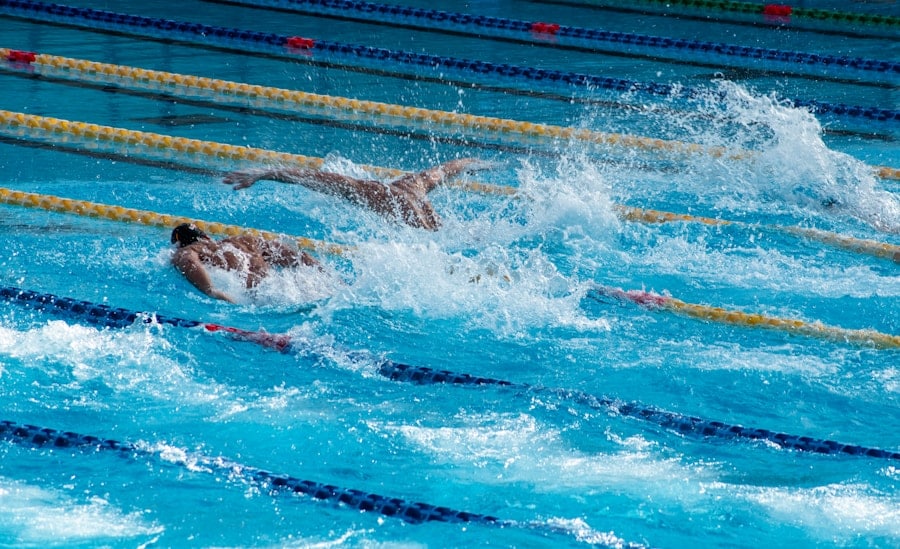
If you increase your intensity or opt for more challenging strokes like butterfly or freestyle, that number can rise significantly. This means that with just a few hours of swimming each week, you can create a substantial calorie deficit that contributes to weight loss. Additionally, the water’s resistance plays a crucial role in calorie expenditure.
Unlike exercising on land, where gravity is the primary force at play, swimming requires you to work against the buoyancy of water. This added resistance means that your muscles are constantly engaged, leading to higher energy expenditure. As you swim, your body must also regulate its temperature in the cool water, which further increases calorie burn.
By understanding how swimming burns calories, you can tailor your workouts to maximize your weight loss efforts effectively.
Swimming Techniques for Maximum Weight Loss

To achieve maximum weight loss through swimming, it’s essential to focus on proper techniques and strokes. Each stroke engages different muscle groups and can vary in intensity. For instance, the freestyle stroke is one of the fastest and most efficient ways to cover distance in the pool.
It engages your core, arms, and legs while promoting a steady heart rate. By mastering this stroke and incorporating it into your routine, you can enhance your endurance and calorie burn. On the other hand, incorporating strokes like breaststroke or backstroke can provide variety and target different muscle groups.
Breaststroke is particularly effective for building strength in your legs and arms while maintaining a moderate pace that allows for longer swim sessions. Backstroke can help improve flexibility and posture while still providing a solid workout. By mixing up your strokes and focusing on technique, you can keep your workouts fresh and challenging, ultimately leading to better results in your weight loss journey.
Creating a Swimming Workout Plan for Fast Results
To see fast results from your swimming routine, it’s crucial to create a structured workout plan that aligns with your weight loss goals. Start by determining how many days a week you can realistically commit to swimming. Aim for at least three to four sessions per week to establish consistency.
Each session should include a warm-up, main workout, and cool-down period. A well-rounded plan might consist of 10-15 minutes of warm-up laps at an easy pace followed by 30-40 minutes of more intense swimming. Incorporate different strokes and drills into your main workout to keep things interesting and challenging.
For example, you could alternate between sprinting laps and slower recovery laps or focus on specific techniques like kickboard drills or pull buoy exercises. Additionally, consider setting specific goals for each session, such as increasing your distance or improving your lap times. By tracking your progress and adjusting your plan as needed, you’ll stay motivated and see faster results in your weight loss journey.
Incorporating Interval Training into Your Swimming Routine
Interval training is a highly effective method for maximizing calorie burn during your swimming workouts. This technique involves alternating between periods of high-intensity effort and lower-intensity recovery periods. For instance, you might swim one lap at full speed followed by a lap at a slower pace to recover.
This approach not only boosts your metabolism but also improves your cardiovascular fitness more efficiently than steady-state swimming alone. To incorporate interval training into your routine, start by determining the intervals that work best for you. A common approach is to swim at high intensity for 30 seconds to one minute, followed by a recovery period of equal length or slightly longer.
As you become more comfortable with this method, you can adjust the intensity and duration of both the work and recovery intervals to continue challenging yourself. By integrating interval training into your swimming sessions, you’ll not only enhance your weight loss efforts but also keep your workouts engaging and dynamic.
The Importance of Nutrition for Weight Loss and Swimming
Nutrition: The Key to Unlocking Your Swimming Potential
While swimming is an excellent way to burn calories and lose weight, nutrition plays an equally vital role in achieving your goals. To support your swimming routine and maximize weight loss, focus on consuming a balanced diet rich in whole foods. Prioritize lean proteins, whole grains, fruits, vegetables, and healthy fats to fuel your body effectively.
Fueling Your Body for Optimal Performance
Proper nutrition will not only provide the energy needed for intense swim sessions but also aid in recovery and muscle repair. Additionally, pay attention to hydration before, during, and after your swims. Water is essential for optimal performance and recovery; being even slightly dehydrated can hinder your ability to swim effectively.
Electrolytes: The Secret to Longer Swim Sessions
Consider incorporating electrolyte-rich beverages if you’re engaging in longer swim sessions or training in warmer conditions. By combining a nutritious diet with your swimming routine, you’ll create a solid foundation for successful weight loss while enhancing overall health.
Avoiding Common Mistakes in Swimming for Weight Loss
As you embark on your swimming journey for weight loss, it’s essential to be aware of common mistakes that could hinder your progress. One frequent pitfall is underestimating the importance of consistency. While occasional swims can be enjoyable, committing to a regular schedule is crucial for seeing results over time.
Aim for consistency in both frequency and duration; sporadic workouts will not yield the same benefits as a structured routine. Another mistake is neglecting proper technique in favor of speed or distance. While it may be tempting to push yourself to swim faster or longer right away, focusing on form will ultimately lead to better results and reduce the risk of injury.
Take the time to refine your strokes and breathing techniques; this will not only enhance efficiency but also make your workouts more enjoyable. By avoiding these common mistakes and prioritizing consistency and technique, you’ll set yourself up for success in achieving your weight loss goals through swimming.
Combining Swimming with Other Forms of Exercise for Optimal Weight Loss
To achieve optimal weight loss results, consider combining swimming with other forms of exercise. While swimming offers numerous benefits on its own, integrating activities like strength training or cycling can enhance overall fitness and accelerate weight loss. Strength training helps build lean muscle mass, which increases metabolism even at rest; this means you’ll continue burning calories long after you’ve finished exercising.
Additionally, cross-training with other activities can prevent boredom and reduce the risk of overuse injuries associated with repetitive movements in swimming alone. For example, incorporating cycling or running into your weekly routine can provide variety while still supporting cardiovascular fitness. By diversifying your exercise regimen and combining swimming with other forms of physical activity, you’ll create a well-rounded approach that maximizes weight loss potential while keeping things fresh and exciting.
In conclusion, swimming is an incredibly effective way to lose weight while enjoying numerous health benefits. By understanding how swimming burns calories, focusing on proper techniques, creating structured workout plans, incorporating interval training, prioritizing nutrition, avoiding common mistakes, and combining it with other exercises, you can set yourself up for success on your weight loss journey. Embrace the water as your ally in achieving not just weight loss but also improved overall health and well-being.
If you are looking to supplement your weight loss journey, you may want to consider trying the best weight loss supplement for PCOS. This article provides valuable information on how certain supplements can aid in weight loss for individuals with Polycystic Ovary Syndrome. Pairing these supplements with a regular swimming routine can help you achieve your weight loss goals even faster.
FAQs
What are the benefits of swimming for weight loss?
Swimming is a full-body workout that can help burn a significant amount of calories. It also helps to improve cardiovascular health, build muscle strength, and increase endurance, making it an effective exercise for weight loss.
How often should I swim to see weight loss results?
To see weight loss results from swimming, it is recommended to swim at least 3-4 times per week for 30-60 minutes each session. Consistency and regularity are key to achieving weight loss goals.
Is swimming a low-impact exercise for weight loss?
Yes, swimming is a low-impact exercise, which means it puts less stress on the joints compared to high-impact exercises like running. This makes it a suitable option for individuals with joint pain or mobility issues who are looking to lose weight.
Can swimming help to reduce body fat?
Yes, swimming can help to reduce body fat as it is an effective cardiovascular exercise that burns calories and promotes muscle toning. When combined with a healthy diet, swimming can contribute to overall fat loss.
What are some tips for maximizing weight loss through swimming?
To maximize weight loss through swimming, it is important to vary your swimming workouts, incorporate interval training, and focus on proper technique to engage different muscle groups. Additionally, maintaining a balanced and nutritious diet is essential for achieving weight loss goals.