When you think about weight loss, you might envision rigorous workouts and strict diets. However, the science behind green tea suggests that a simple beverage can play a significant role in your weight management journey. Green tea has been consumed for centuries, particularly in Asian cultures, not just for its refreshing taste but also for its myriad health benefits.
The primary reason green tea is often associated with weight loss is due to its unique composition, which includes a variety of bioactive compounds that can influence your metabolism and fat storage. The key to understanding how green tea aids in weight loss lies in its rich content of antioxidants, particularly catechins. These compounds are known to enhance metabolic rates and promote fat oxidation.
When you consume green tea, the catechins work synergistically with caffeine to stimulate your body’s energy expenditure. This means that by simply enjoying a cup of green tea, you may be giving your metabolism a gentle nudge, helping your body burn calories more efficiently throughout the day.
Key Takeaways
- Green tea contains compounds that can aid in weight loss, such as catechins and caffeine.
- Catechins in green tea have been shown to increase fat oxidation and improve metabolism.
- Studies have shown that green tea can contribute to weight loss when combined with a healthy diet and exercise.
- Green tea can be incorporated into a weight loss plan by replacing sugary drinks and incorporating it into a balanced diet.
- When choosing green tea for weight loss, opt for high-quality loose leaf tea and brew it properly to maximize its benefits.
The Role of Catechins and Caffeine in Green Tea
The Role of EGCG in Weight Loss
This powerful antioxidant not only helps in reducing body fat but also plays a role in preventing the accumulation of fat in the body. When you drink green tea, the EGCG can enhance your body’s ability to burn fat, especially during exercise.
The Synergistic Effects of Catechins and Caffeine
Caffeine, another key component of green tea, complements the effects of catechins. While caffeine is often associated with increased alertness and energy levels, it also has thermogenic properties that can boost your metabolism. This means that when you consume green tea, the combination of caffeine and catechins can lead to a more significant increase in energy expenditure compared to consuming caffeine alone.
A Unique Beverage for Weight Loss and Energy Boost
This dual action makes green tea a unique beverage that can support your weight loss efforts while also providing a gentle energy boost.
Studies and Research on Green Tea and Weight Loss

Numerous studies have explored the relationship between green tea consumption and weight loss, providing compelling evidence for its effectiveness. One notable study published in the American Journal of Clinical Nutrition found that participants who consumed green tea extract experienced a significant reduction in body weight and body fat compared to those who did not. This research highlights the potential of green tea as a natural aid for those looking to shed extra pounds.
Another study conducted by the University of California found that individuals who consumed green tea regularly had lower body mass indexes (BMIs) than those who did not include it in their diets. The researchers concluded that the catechins in green tea could play a crucial role in weight management by promoting fat oxidation and improving metabolic rates. These findings suggest that incorporating green tea into your daily routine could be a simple yet effective strategy for achieving your weight loss goals.
How Green Tea Affects Metabolism and Fat Oxidation
Understanding how green tea affects metabolism is essential for anyone looking to lose weight. When you drink green tea, the catechins and caffeine work together to increase your metabolic rate temporarily. This means that your body burns more calories at rest than it would without the influence of these compounds.
This effect can be particularly beneficial if you are trying to create a calorie deficit for weight loss. Moreover, green tea has been shown to enhance fat oxidation during exercise. When you engage in physical activity after consuming green tea, your body is more likely to utilize fat as a source of energy rather than carbohydrates.
This shift can lead to more effective workouts and improved fat loss over time. By incorporating green tea into your pre-workout routine, you may find that you can maximize your efforts at the gym while also enjoying the refreshing taste of this ancient beverage.
Potential Benefits and Drawbacks of Green Tea for Weight Loss
While green tea offers numerous benefits for weight loss, it is essential to consider both its advantages and potential drawbacks. On the positive side, green tea is a low-calorie beverage that can easily fit into most diets. Its rich antioxidant content not only supports weight loss but also promotes overall health by reducing inflammation and protecting against chronic diseases.
Additionally, drinking green tea can help curb appetite, making it easier for you to stick to your dietary goals. However, there are some drawbacks to be aware of as well. For instance, excessive consumption of green tea can lead to side effects such as insomnia or digestive issues due to its caffeine content.
It’s important to find a balance that works for you; moderation is key when incorporating any new element into your diet. Furthermore, while green tea can support weight loss efforts, it should not be viewed as a miracle solution. Sustainable weight loss typically requires a combination of healthy eating habits and regular physical activity.
Incorporating Green Tea into a Weight Loss Plan
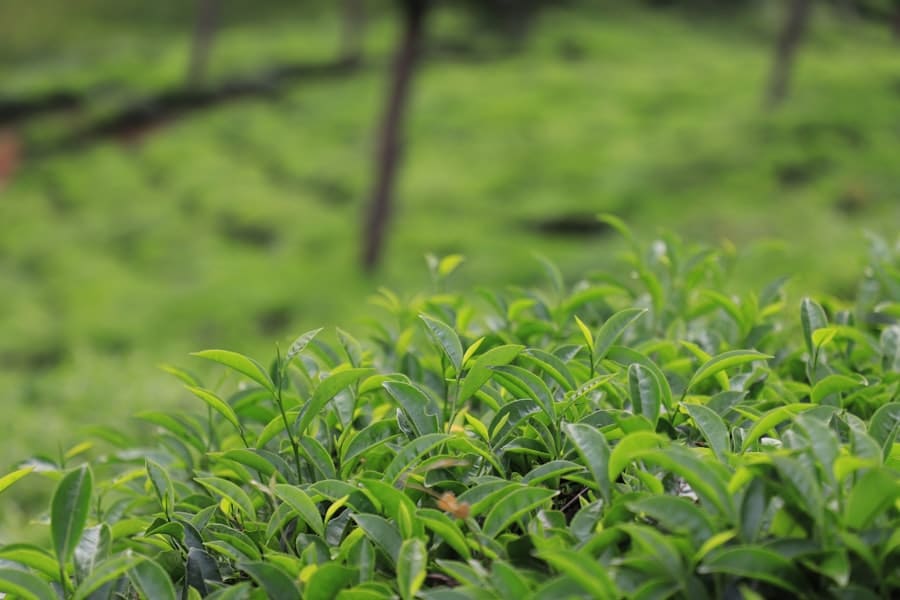
If you’re considering adding green tea to your weight loss plan, there are several ways to do so effectively. One simple method is to replace sugary beverages with green tea throughout your day. Instead of reaching for soda or high-calorie coffee drinks, opt for a refreshing cup of green tea.
You can enjoy it hot or iced, depending on your preference and the season. Another effective strategy is to pair green tea with meals or snacks. Drinking a cup before or after meals may help enhance digestion and promote feelings of fullness, which can prevent overeating.
Additionally, consider experimenting with different varieties of green tea—such as matcha or sencha—to find the flavor profile that you enjoy most. By making green tea a regular part of your routine, you can harness its benefits while also enjoying its unique taste.
Other Health Benefits of Green Tea
Beyond its potential for aiding weight loss, green tea is packed with other health benefits that make it an excellent addition to your diet. For instance, its high antioxidant content helps combat oxidative stress in the body, which can reduce the risk of chronic diseases such as heart disease and diabetes. Regular consumption of green tea has also been linked to improved brain function due to its ability to enhance cognitive performance and protect against neurodegenerative diseases.
Moreover, studies have suggested that green tea may support heart health by improving cholesterol levels and promoting healthy blood pressure. The anti-inflammatory properties of catechins can also contribute to overall wellness by reducing inflammation throughout the body. By incorporating green tea into your daily routine, you’re not only supporting your weight loss goals but also investing in your long-term health.
Tips for Choosing and Brewing Green Tea for Weight Loss
When it comes to choosing the right green tea for weight loss, quality matters. Look for high-quality loose-leaf teas or reputable brands that offer organic options free from additives or artificial flavors. Matcha is an excellent choice as well; since it involves consuming the whole leaf in powdered form, it provides a higher concentration of catechins compared to traditional brewed teas.
Brewing your green tea correctly is equally important for maximizing its benefits. Start by using fresh, filtered water heated to around 175°F (80°C) rather than boiling water, which can scorch the leaves and diminish their flavor and health properties. Steep the leaves for about 2-3 minutes; this allows the catechins and caffeine to infuse into the water without becoming bitter.
Experiment with different steeping times and amounts until you find the perfect balance that suits your taste preferences. In conclusion, incorporating green tea into your weight loss plan can be an enjoyable and beneficial experience. With its unique blend of catechins and caffeine, this ancient beverage offers a natural way to boost metabolism and support fat oxidation while providing numerous other health benefits.
By choosing high-quality teas and brewing them correctly, you can make the most out of this powerful drink on your journey toward better health and wellness.
There is a lot of buzz around the potential weight loss benefits of green tea, but does it actually work? According to a recent article on how-to-loseweightfast.com, green tea may indeed help with weight loss due to its metabolism-boosting properties. However, it is important to note that green tea alone is not a magic solution for shedding pounds. It should be combined with a healthy diet and regular exercise for best results.
FAQs
What is green tea?
Green tea is a type of tea that is made from the leaves of the Camellia sinensis plant. It is known for its high concentration of antioxidants and other beneficial compounds.
Does green tea help with weight loss?
Some studies have suggested that the catechins in green tea, particularly one called epigallocatechin gallate (EGCG), may help boost metabolism and increase fat burning. However, the evidence is not conclusive and more research is needed to confirm the effects of green tea on weight loss.
How should green tea be consumed for weight loss?
To potentially benefit from the weight loss properties of green tea, it is recommended to drink several cups a day, ideally before meals. It is important to note that adding sugar or high-calorie sweeteners to green tea can negate any potential weight loss benefits.
Are there any risks or side effects associated with consuming green tea for weight loss?
While green tea is generally safe for most people when consumed in moderate amounts, excessive intake can lead to side effects such as insomnia, anxiety, and digestive issues. It may also interact with certain medications, so it is important to consult with a healthcare professional before using green tea for weight loss.