
Contrave is a prescription medication designed to assist individuals in their weight loss journey. It is a combination of two active ingredients: naltrexone and bupropion. Naltrexone is primarily used to treat alcohol and opioid dependence, while bupropion is an antidepressant that can also help with smoking cessation.
When combined, these two medications work synergistically to help you manage your appetite and cravings, making it easier for you to adhere to a weight loss plan. Approved by the FDA in 2014, Contrave has gained attention as a viable option for those struggling with obesity or overweight issues. As you consider Contrave, it’s essential to understand that it is not a magic pill.
Instead, it is intended to be used alongside a reduced-calorie diet and increased physical activity. This means that while Contrave can help you manage your weight, it should be part of a comprehensive lifestyle change. The medication is typically prescribed for adults with a body mass index (BMI) of 30 or greater, or for those with a BMI of 27 or greater who also have weight-related health conditions such as hypertension or type 2 diabetes.
Key Takeaways
- Contrave is a prescription weight-loss medication that combines two drugs, bupropion and naltrexone, to help manage weight in adults with obesity or overweight with weight-related medical problems.
- Contrave works by targeting the brain’s hunger center and reward system to reduce cravings and overeating, while also increasing metabolism and energy expenditure.
- The benefits of taking Contrave include significant weight loss, improved control over eating habits, and reduction in weight-related health risks such as high blood pressure and diabetes.
- Potential side effects of Contrave may include nausea, constipation, headache, vomiting, dizziness, insomnia, and dry mouth, among others.
- Good candidates for Contrave are adults with a body mass index (BMI) of 30 or higher, or a BMI of 27 or higher with at least one weight-related medical condition, who have struggled to lose weight through diet and exercise alone.
How does Contrave work?
Contrave operates through a unique mechanism that targets the brain’s reward system and appetite regulation. The combination of naltrexone and bupropion works on different neurotransmitters in the brain, which helps to reduce hunger and control cravings. Naltrexone blocks the receptors that are responsible for the pleasurable feelings associated with eating, while bupropion increases the levels of dopamine and norepinephrine, neurotransmitters that play a role in mood and motivation.
This dual action can help you feel more satisfied with smaller portions and less inclined to indulge in unhealthy snacks. By addressing both the psychological and physiological aspects of eating, Contrave can help you develop healthier eating habits over time. You may find that you are less driven by emotional eating or cravings for high-calorie foods.
This can lead to more mindful eating practices, allowing you to enjoy your meals without overindulging. As you begin to experience these changes, you may also notice improvements in your overall mood and energy levels, further supporting your weight loss efforts.
The benefits of taking Contrave

One of the primary benefits of taking Contrave is its potential for significant weight loss. Clinical studies have shown that individuals using Contrave, in conjunction with lifestyle changes, can lose more weight than those who rely solely on diet and exercise. This can be particularly motivating for you if you’ve struggled with weight loss in the past.
The medication can help jumpstart your journey, making it easier to achieve your goals and maintain a healthier weight over time. In addition to weight loss, Contrave may also lead to improvements in various health markers associated with obesity. For instance, many users report reductions in blood pressure, cholesterol levels, and blood sugar levels.
These changes can significantly lower your risk of developing serious health conditions such as heart disease, diabetes, and stroke. Furthermore, as you lose weight and improve your overall health, you may experience enhanced self-esteem and body image, contributing to a more positive outlook on life.
The potential side effects of Contrave
| Side Effect | Percentage of Patients |
|---|---|
| Nausea | 31% |
| Headache | 23% |
| Constipation | 19% |
| Dry mouth | 17% |
| Vomiting | 9% |
While Contrave offers numerous benefits, it is essential to be aware of the potential side effects associated with its use. Common side effects include nausea, constipation, headache, dizziness, and insomnia. These side effects are generally mild and tend to diminish over time as your body adjusts to the medication.
However, if you experience severe or persistent side effects, it is crucial to consult your healthcare provider for guidance. In rare cases, more serious side effects may occur. These can include an increased risk of seizures, particularly in individuals with a history of seizures or eating disorders.
Additionally, there may be concerns regarding mood changes or suicidal thoughts in some users due to the bupropion component. It’s vital to monitor your mental health while taking Contrave and communicate any concerning symptoms to your doctor promptly. Understanding these potential risks will help you make an informed decision about whether Contrave is the right choice for you.
Who is a good candidate for Contrave?
Contrave is not suitable for everyone; therefore, identifying good candidates for this medication is crucial. Generally, individuals who are overweight or obese—defined as having a BMI of 27 or higher—may benefit from Contrave if they also have weight-related health issues such as type 2 diabetes or hypertension. Additionally, if you’ve struggled with weight loss through traditional methods like diet and exercise alone, Contrave might be an appropriate option for you.
However, certain individuals should avoid using Contrave due to potential risks. Those with a history of seizures, eating disorders, or alcohol/substance abuse should not take this medication. Furthermore, if you are pregnant or breastfeeding, it’s essential to discuss alternative weight management strategies with your healthcare provider.
By evaluating your medical history and current health status, your doctor can help determine if Contrave is a suitable option for your weight loss journey.
How to take Contrave
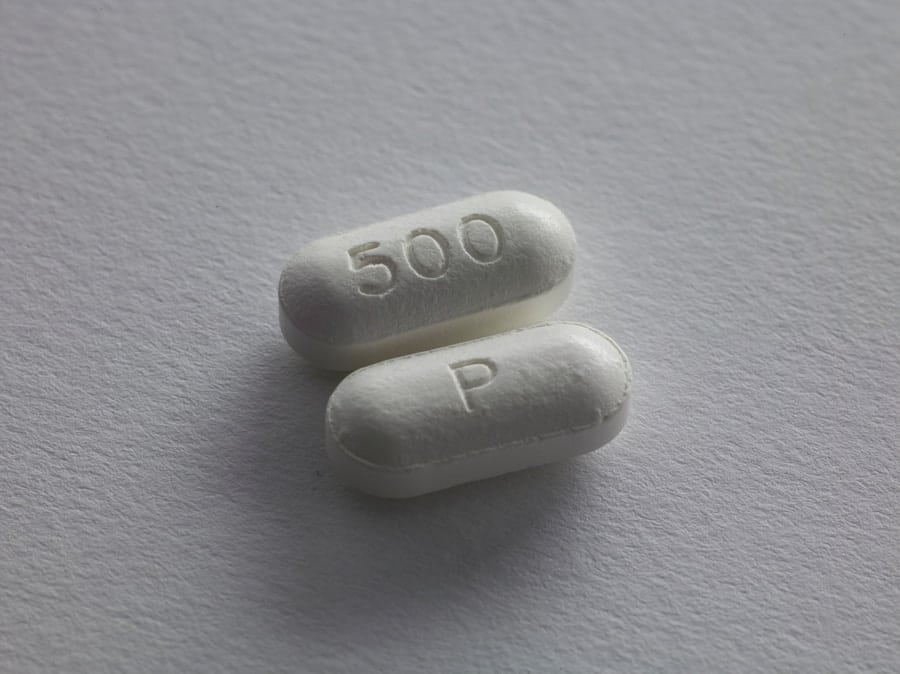
Gradual Dose Adjustment and Consistency
Your healthcare provider will likely start you on a low dose and gradually increase it over several weeks to help your body adjust. Consistency is key when taking Contrave; therefore, establishing a routine can be beneficial. You might find it helpful to set reminders on your phone or keep the medication in a visible location as a prompt.
Maintaining Open Communication with Your Healthcare Provider
Additionally, maintaining open communication with your healthcare provider throughout your treatment is vital. Regular check-ins can help monitor your progress and address any concerns or side effects that may arise during your journey.
Monitoring Progress and Addressing Concerns
Contrave success stories
Many individuals have experienced remarkable success while using Contrave as part of their weight loss journey. For instance, one user shared how they had struggled with their weight for years before starting Contrave. After just a few months on the medication combined with dietary changes and increased physical activity, they lost over 30 pounds and felt more energetic than ever before.
This transformation not only improved their physical health but also boosted their confidence and self-esteem. Another success story highlights how Contrave helped someone overcome emotional eating habits that had plagued them for years. By reducing cravings and helping them feel satisfied with smaller portions, they were able to break free from the cycle of binge eating.
As they continued their journey with Contrave, they discovered new ways to cope with stress and emotions without turning to food for comfort. These stories illustrate the potential impact of Contrave on individuals’ lives and how it can serve as a valuable tool in achieving lasting weight loss.
The future of Contrave: What’s next?
As research continues into the effectiveness of weight loss medications like Contrave, there is hope for even more advancements in this field. Ongoing studies aim to explore the long-term effects of Contrave on weight maintenance and overall health outcomes. Additionally, researchers are investigating how this medication can be integrated into personalized weight management plans tailored to individual needs.
The future may also bring new formulations or combinations of existing medications that could enhance the efficacy of weight loss treatments like Contrave. As healthcare providers gain more insights into the complexities of obesity and its underlying causes, they will be better equipped to offer comprehensive solutions that address both physical and psychological aspects of weight management. For those considering Contrave or similar medications, staying informed about these developments will be essential in making empowered decisions about your health journey moving forward.
If you are considering weight loss pills like Contrave, you may also be interested in exploring the benefits of amino acid shots for weight loss. According to a recent article on how-to-loseweightfast.com, amino acid shots can help boost metabolism and aid in fat burning. Additionally, if you are looking for alternative weight loss options, you may want to read up on the benefits of Adipex diet pills or the best supplements for PCOS weight loss, as discussed in articles on the same website. These resources can provide valuable information to help you make informed decisions about your weight loss journey.
FAQs
What is Contrave?
Contrave is a prescription weight loss medication that combines two drugs, bupropion and naltrexone, to help control appetite and cravings.
How does Contrave work?
Bupropion is an antidepressant that also helps reduce appetite, while naltrexone is used to treat addiction and dependence on alcohol and opioids. Together, these drugs work to reduce food cravings and control the brain’s reward system.
Who is Contrave for?
Contrave is approved for use in adults with a body mass index (BMI) of 30 or higher (obese) or a BMI of 27 or higher (overweight) with at least one weight-related condition, such as high blood pressure, type 2 diabetes, or high cholesterol.
What are the potential side effects of Contrave?
Common side effects of Contrave include nausea, constipation, headache, vomiting, dizziness, insomnia, and dry mouth. It may also increase the risk of seizures and suicidal thoughts, especially in people with a history of these conditions.
How effective is Contrave for weight loss?
Clinical trials have shown that people taking Contrave along with diet and exercise lost more weight than those taking a placebo. However, individual results may vary, and it is not a magic solution for weight loss.
Is Contrave safe to use?
Contrave is approved by the FDA for weight loss, but it is not suitable for everyone. It may interact with other medications and can have serious side effects, so it should only be used under the supervision of a healthcare provider.


