
When you think about weight loss, coffee might not be the first thing that comes to mind. However, this beloved beverage can play a significant role in your weight management journey. One of the primary benefits of coffee is its ability to boost your metabolism.
When you consume coffee, the caffeine it contains stimulates your central nervous system, which can lead to an increase in energy expenditure. This means that your body burns more calories, even when you are at rest. If you’re looking to shed some pounds, incorporating coffee into your daily routine could give you that extra edge.
Moreover, coffee can also help suppress your appetite. Many people find that drinking a cup of coffee before meals can reduce their hunger pangs, leading to smaller portion sizes and fewer calories consumed overall. This appetite-suppressing effect can be particularly beneficial if you struggle with cravings or find it challenging to stick to a calorie deficit.
By enjoying a cup of coffee strategically throughout the day, you may find it easier to manage your food intake and stay on track with your weight loss goals.
Key Takeaways
- Drinking coffee can aid in weight loss by boosting metabolism and increasing fat burning.
- Caffeine in coffee can help to increase metabolic rate and improve fat oxidation, leading to potential weight loss benefits.
- Chlorogenic acid in coffee may help to reduce the absorption of carbohydrates, leading to lower blood sugar levels and potential weight loss.
- Choosing black coffee or adding minimal low-calorie ingredients can maximize the weight loss benefits of coffee.
- Incorporating coffee into a healthy diet and exercise routine can enhance the weight loss effects of coffee.
How Caffeine Affects Metabolism
Caffeine is one of the most widely consumed psychoactive substances in the world, and its effects on metabolism are well-documented. When you drink coffee, the caffeine enters your bloodstream and travels to your brain, where it blocks the inhibitory neurotransmitter adenosine. This action leads to an increase in the release of other neurotransmitters like dopamine and norepinephrine, which can enhance your mood and energy levels.
But beyond just making you feel more alert, caffeine also has a direct impact on your metabolic rate. Research has shown that caffeine can increase your metabolic rate by 3-11%, depending on individual factors such as body composition and tolerance levels. This means that by simply enjoying a cup of coffee, you could be burning more calories throughout the day without any additional effort.
If you’re looking to maximize your weight loss efforts, understanding how caffeine affects your metabolism can help you make informed choices about when and how much coffee to consume.
The Role of Chlorogenic Acid in Weight Loss
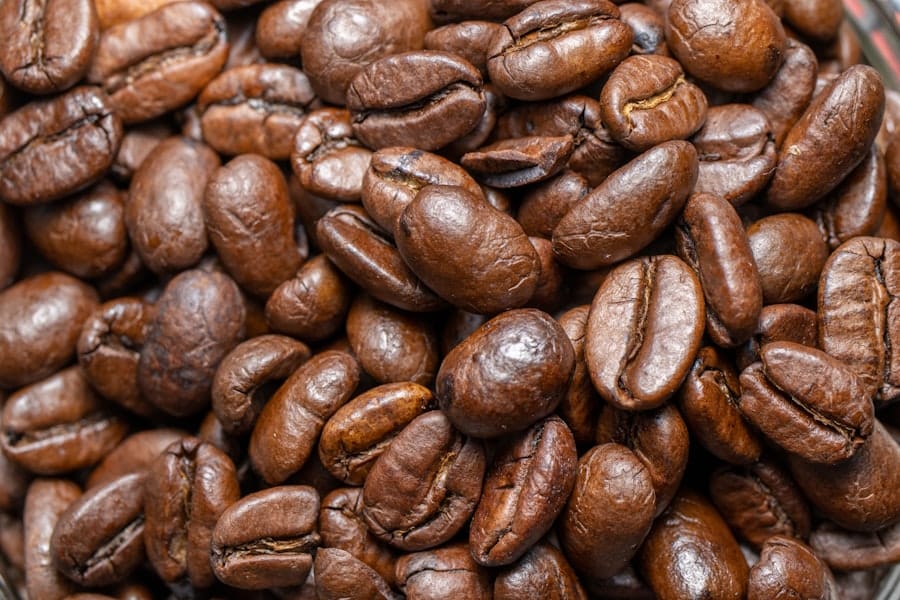
In addition to caffeine, coffee contains a compound known as chlorogenic acid, which has garnered attention for its potential weight loss benefits. Chlorogenic acid is a type of antioxidant that may help regulate blood sugar levels and improve insulin sensitivity. When your blood sugar levels are stable, you are less likely to experience sudden cravings or energy crashes that can lead to overeating.
By incorporating coffee into your diet, you may be able to harness the power of chlorogenic acid to support your weight loss efforts. Furthermore, chlorogenic acid has been shown to influence fat metabolism. Some studies suggest that it may inhibit the absorption of carbohydrates from the digestive tract, leading to lower calorie intake and reduced fat accumulation.
This dual action—regulating blood sugar and promoting fat metabolism—makes chlorogenic acid a valuable ally in your weight loss journey. By choosing coffee as part of your daily routine, you can take advantage of this natural compound while enjoying a delicious beverage.
Choosing the Right Type of Coffee for Weight Loss
Not all coffee is created equal when it comes to weight loss. The type of coffee you choose can significantly impact its effectiveness as a weight loss aid. For instance, opting for black coffee is often recommended because it is low in calories and free from added sugars and fats that can contribute to weight gain.
If you enjoy flavored coffees or lattes, be mindful of the ingredients and portion sizes, as these can quickly add up in calories. Additionally, consider the brewing method you use. Cold brew coffee tends to have a smoother taste and lower acidity than traditional hot brewed coffee, making it a popular choice for many.
However, it’s essential to check if any additional sweeteners or creamers are added during preparation. If you’re looking for maximum weight loss benefits, sticking to plain black coffee or using minimal additives will help keep your calorie intake in check while still allowing you to enjoy your favorite beverage.
Incorporating Coffee into a Healthy Diet and Exercise Routine
To truly harness the weight loss benefits of coffee, it’s essential to incorporate it into a balanced diet and exercise routine. Coffee can serve as an excellent pre-workout drink due to its ability to enhance physical performance. The caffeine in coffee can increase adrenaline levels, which may improve endurance and strength during workouts.
By consuming a cup of coffee about 30 minutes before exercising, you may find that you have more energy and stamina to push through challenging workouts. In addition to its pre-workout benefits, coffee can also be part of a healthy breakfast or snack. Pairing your morning cup with protein-rich foods like eggs or Greek yogurt can help keep you full longer and provide sustained energy throughout the day.
Remember that while coffee can be a helpful tool in your weight loss journey, it should complement a well-rounded diet filled with whole foods, fruits, vegetables, lean proteins, and healthy fats.
Potential Risks and Side Effects of Using Coffee for Weight Loss
While coffee has numerous benefits for weight loss, it’s essential to be aware of potential risks and side effects associated with excessive consumption. One common issue is caffeine sensitivity; some individuals may experience jitters, anxiety, or insomnia when consuming too much caffeine. If you find that coffee makes you feel anxious or disrupts your sleep patterns, it may be wise to limit your intake or switch to decaffeinated options.
Additionally, relying solely on coffee for weight loss is not advisable. While it can support your efforts, it should not replace healthy eating habits or regular physical activity. Overconsumption of coffee can lead to dehydration and digestive issues as well.
Therefore, it’s crucial to strike a balance and listen to your body’s signals when incorporating coffee into your weight loss strategy.
Tips for Maximizing the Weight Loss Benefits of Coffee
To get the most out of your coffee consumption for weight loss, consider implementing some practical tips into your routine. First and foremost, timing is key; consuming coffee strategically before workouts can enhance performance and calorie burn. Additionally, try experimenting with different brewing methods or types of beans to find what works best for you in terms of taste and energy levels.
Another effective strategy is to stay mindful of what you add to your coffee. While creamers and sweeteners can enhance flavor, they also add calories that may counteract the benefits you’re seeking. Instead, consider using spices like cinnamon or vanilla extract for flavor without the extra calories.
By being intentional about how you enjoy your coffee, you can maximize its weight loss potential while still savoring each cup.
The Importance of Moderation and Balance in Using Coffee for Weight Loss
As with any dietary strategy, moderation is crucial when using coffee as a tool for weight loss. While it offers several benefits, overindulgence can lead to negative side effects that may hinder your progress rather than help it. Aim for a balanced approach by limiting yourself to a moderate amount of coffee each day—generally around 3-4 cups for most adults is considered safe.
Ultimately, remember that weight loss is a multifaceted journey that requires a combination of healthy eating habits, regular exercise, and lifestyle choices. Coffee can be an excellent addition to this equation but should not be viewed as a magic solution on its own. By maintaining balance and moderation in all aspects of your diet and lifestyle, you’ll be better equipped to achieve sustainable weight loss results while enjoying the many pleasures that coffee has to offer.
If you’re looking to incorporate meal replacement shakes into your weight loss journey, you may want to check out this article on Amazon Meal Replacement Shakes. These shakes can be a convenient and effective way to manage your calorie intake while still getting the nutrients you need. Additionally, focusing on gut health can also play a significant role in weight loss. To learn more about this connection, be sure to read the article on Gut Health and Weight Loss. And if you’re trying to determine the right calorie deficit for your weight loss goals, check out the article on Accurate Calorie Deficit Calculator for helpful tips and tools.
FAQs
What is the relationship between coffee and weight loss?
Coffee contains caffeine, which is a natural stimulant that can increase metabolism and help the body burn more fat. It can also suppress appetite, leading to reduced calorie intake.
How does caffeine in coffee help with weight loss?
Caffeine can increase the release of adrenaline in the body, which can help to break down fat cells and release them into the bloodstream as free fatty acids, making them available as fuel.
What is the recommended amount of coffee for weight loss?
Moderate coffee consumption is generally considered to be 3-4 cups per day, which can provide the benefits of caffeine for weight loss without causing negative side effects.
Are there any potential risks or side effects of using coffee for weight loss?
Excessive caffeine consumption can lead to side effects such as anxiety, insomnia, digestive issues, and increased heart rate. It is important to consume coffee in moderation and be mindful of individual tolerance levels.
Can adding sugar or cream to coffee negate its weight loss benefits?
Adding sugar, cream, or other high-calorie ingredients to coffee can increase its calorie content and potentially negate its weight loss benefits. It is best to consume coffee without added sugars or high-calorie additives.