
Gastric sleeve surgery, also known as sleeve gastrectomy, is a popular weight-loss procedure that has gained traction in recent years. If you are considering this option, it’s essential to understand what the surgery entails. During the procedure, a significant portion of your stomach is removed, leaving behind a small, sleeve-shaped stomach that resembles a banana.
This reduction in stomach size limits the amount of food you can consume, which can lead to substantial weight loss. The surgery is typically performed laparoscopically, meaning it involves smaller incisions and generally results in quicker recovery times compared to traditional open surgery. The primary goal of gastric sleeve surgery is to help individuals who struggle with obesity achieve a healthier weight and improve their overall quality of life.
By reducing the stomach’s capacity, the surgery not only restricts food intake but also alters hormonal signals that regulate hunger and satiety. This dual effect can lead to a more sustainable weight loss journey. However, it’s crucial to recognize that this procedure is not a quick fix; it requires commitment and lifestyle changes to maximize its benefits.
Key Takeaways
- Gastric sleeve surgery involves reducing the size of the stomach to promote weight loss.
- On average, patients can expect to lose 60-70% of their excess body weight within the first year after surgery.
- Factors such as diet, exercise, and individual metabolism can affect weight loss after gastric sleeve surgery.
- Following a healthy diet and regular exercise routine is crucial for successful weight loss and maintenance post-surgery.
- Patients may face common challenges and plateaus during their weight loss journey, requiring support and resources for long-term success.
Average Weight Loss Expectations
When you undergo gastric sleeve surgery, you may wonder what kind of weight loss you can realistically expect. On average, patients can lose between 50% to 70% of their excess body weight within the first year following the procedure. This means that if you have 100 pounds to lose, you could potentially shed 50 to 70 pounds in that timeframe.
However, individual results can vary significantly based on several factors, including your starting weight, adherence to post-operative guidelines, and lifestyle changes. It’s important to set realistic expectations for your weight loss journey. While many people experience rapid initial weight loss, it often slows down after the first few months.
You might find that your body reaches a plateau where weight loss becomes more challenging. Understanding this process can help you stay motivated and focused on your long-term goals rather than getting discouraged by temporary setbacks. Remember, the journey is not just about the numbers on the scale; it’s also about improving your health and well-being.
Factors Affecting Weight Loss After Gastric Sleeve
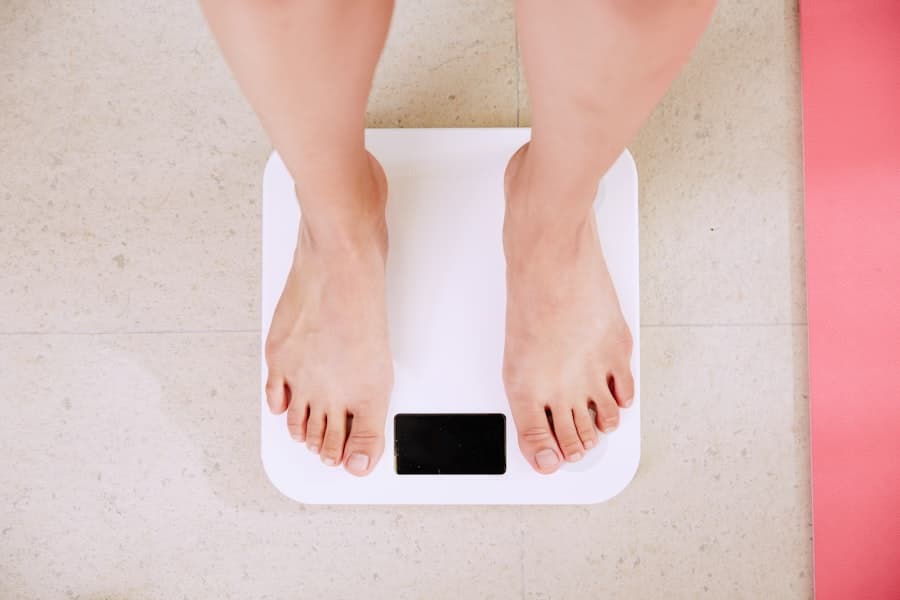
Several factors can influence your weight loss success after gastric sleeve surgery. One of the most significant factors is your adherence to dietary guidelines and lifestyle changes recommended by your healthcare team. After surgery, you will need to follow a specific diet that gradually progresses from liquids to soft foods and eventually to solid foods.
Sticking to these guidelines is crucial for maximizing weight loss and ensuring your body receives the necessary nutrients. Another important factor is your level of physical activity. Incorporating regular exercise into your routine can significantly enhance your weight loss efforts and improve your overall health.
Engaging in both cardiovascular exercises and strength training can help you build muscle mass, which in turn boosts your metabolism. Additionally, psychological factors such as motivation, support systems, and emotional well-being play a vital role in your ability to maintain healthy habits post-surgery. Recognizing these influences can empower you to take control of your weight loss journey.
Importance of Diet and Exercise
After gastric sleeve surgery, diet and exercise become cornerstones of your weight loss success. The surgery itself provides a tool for weight loss, but it’s your commitment to healthy eating and physical activity that will ultimately determine how much weight you lose and how well you maintain it over time. Following a balanced diet rich in protein, fruits, vegetables, and whole grains is essential for fueling your body and promoting healing after surgery.
Incorporating regular exercise into your routine is equally important. Not only does physical activity help burn calories, but it also improves cardiovascular health, boosts mood, and enhances overall well-being. You might find that starting with low-impact activities such as walking or swimming is beneficial as you recover from surgery.
As you progress, gradually increasing the intensity and duration of your workouts can help you achieve better results. Remember that consistency is key; making exercise a regular part of your life will yield long-term benefits.
Common Challenges and Plateaus
As you embark on your weight loss journey after gastric sleeve surgery, it’s essential to be aware of common challenges you may face along the way. One of the most frustrating experiences for many individuals is hitting a plateau where weight loss stalls despite continued efforts in diet and exercise. Plateaus are a normal part of the weight loss process and can occur for various reasons, including metabolic adaptations or changes in body composition.
To overcome these challenges, it’s crucial to stay patient and persistent. Reassessing your dietary habits and exercise routine can provide insights into potential adjustments that may reignite your progress. You might consider consulting with a nutritionist or personal trainer who specializes in post-bariatric care for tailored advice.
Additionally, focusing on non-scale victories—such as improved energy levels or increased physical fitness—can help maintain motivation during these challenging times.
Psychological and Emotional Changes
Undergoing gastric sleeve surgery can lead to significant psychological and emotional changes as you navigate your new relationship with food and body image. Many individuals experience a sense of empowerment as they begin to lose weight and gain confidence in their appearance. However, it’s also common to encounter emotional challenges during this transition.
You may find yourself grappling with feelings of anxiety or sadness as you adjust to new eating habits or confront past emotional triggers related to food. Recognizing these emotional shifts is vital for maintaining mental well-being throughout your journey. Seeking support from mental health professionals or joining support groups can provide valuable coping strategies and foster connections with others who understand your experiences.
Engaging in mindfulness practices or journaling can also help you process your feelings and develop healthier coping mechanisms when faced with stress or emotional eating triggers.
Long-Term Success and Maintenance
Achieving long-term success after gastric sleeve surgery requires ongoing commitment to healthy habits and lifestyle changes. While the initial weight loss may be significant, maintaining that weight loss over time can be challenging without continued effort. Establishing a routine that includes regular physical activity and balanced nutrition is essential for preventing weight regain.
Additionally, regular follow-up appointments with your healthcare team can help monitor your progress and address any concerns that may arise. These check-ins provide an opportunity to reassess your goals and make necessary adjustments to your diet or exercise plan. Remember that long-term success is not solely defined by the number on the scale; it encompasses overall health improvements, increased energy levels, and enhanced quality of life.
Seeking Support and Resources
As you navigate the journey following gastric sleeve surgery, seeking support and utilizing available resources can significantly enhance your experience. Connecting with others who have undergone similar procedures can provide encouragement and motivation during challenging times. Support groups—whether in-person or online—offer a safe space to share experiences, exchange tips, and celebrate successes together.
In addition to peer support, consider leveraging professional resources such as dietitians specializing in bariatric care or personal trainers experienced in post-surgery fitness regimens. These experts can provide tailored guidance that aligns with your unique needs and goals. Remember that you don’t have to go through this journey alone; reaching out for support can make all the difference in achieving lasting success after gastric sleeve surgery.
If you are considering weight loss surgery like the gastric sleeve, it is important to also focus on long-term weight management. One helpful resource for this is this article on finding your sustainable weight loss rate. Understanding how to maintain a healthy weight after surgery is crucial for long-term success. It is also beneficial to seek support from weight management programs or professionals, which you can find through resources like this directory of weight management services near you. Additionally, some individuals may benefit from alternative weight loss methods, such as the shot discussed in this article. By combining various strategies and resources, you can achieve and maintain your weight loss goals.
FAQs
What is gastric sleeve surgery?
Gastric sleeve surgery, also known as sleeve gastrectomy, is a surgical weight-loss procedure in which a large portion of the stomach is removed, leaving a smaller, banana-shaped stomach.
How much weight can be lost after gastric sleeve surgery?
On average, patients can expect to lose 60-70% of their excess body weight within the first 6 months after gastric sleeve surgery.
What is the average weight loss 6 months after gastric sleeve surgery?
The average weight loss 6 months after gastric sleeve surgery is around 50-60 pounds.
What factors can affect weight loss after gastric sleeve surgery?
Factors such as adherence to post-surgery dietary and exercise guidelines, individual metabolism, and overall health can affect weight loss after gastric sleeve surgery.
Is the weight loss after gastric sleeve surgery sustainable in the long term?
Studies have shown that the weight loss achieved after gastric sleeve surgery can be sustained in the long term, especially when combined with healthy lifestyle choices.



