
Welcome to the world of Alli Pills! If you’re looking to kickstart your weight loss journey, these pills may be just what you need. Alli Pills offer a helping hand in managing your weight by blocking a portion of the fat you eat. With the right diet and exercise plan, you can enhance your progress and reach your wellness goals faster with Alli Pills by your side. Let’s explore how these pills can support you on your path to a healthier lifestyle. Have you ever considered taking Alli pills to help with weight loss but want to know more about them before making a decision? You’re in the right place! In this article, we’ll go over everything you need to know about Alli pills, including how they work, their potential side effects, and whether they might be a good fit for you. Let’s dive in!
What are Alli Pills?
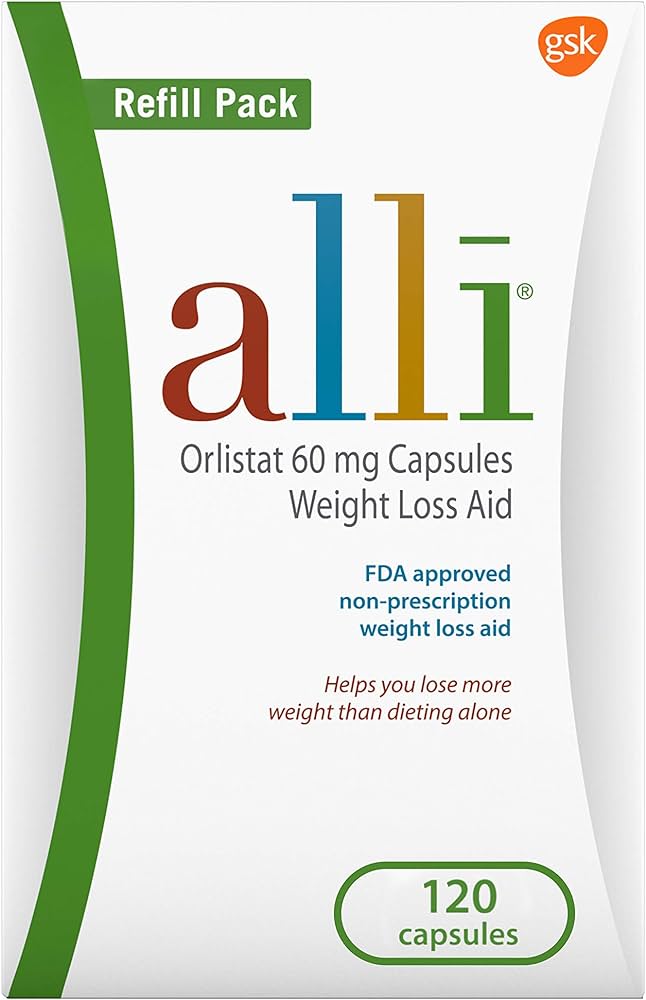
If you’re looking to lose weight, you may have come across Alli pills. But what exactly are they? Alli is the over-the-counter (OTC) version of the prescription weight loss drug Orlistat. It works by blocking the absorption of fat in the intestines, which can help you lose weight when combined with a healthy diet and exercise.
How do Alli Pills work?
Alli pills work by blocking the enzyme lipase, which is responsible for breaking down fat in your digestive system. By inhibiting this enzyme, Alli reduces the amount of fat that is absorbed by your body, leading to weight loss over time. It’s important to note that Alli should be used in conjunction with a reduced-calorie diet and regular physical activity for best results.
Potential Side Effects of Alli Pills
Like all medications, Alli pills can come with potential side effects. It’s essential to be aware of these before starting any new medication. Some common side effects of Alli pills include:
- Oily spotting
- Gas with discharge
- Fatty or oily stools
- Urgent need to have a bowel movement
- Loose stools
Managing Side Effects
If you experience any of these side effects while taking Alli pills, there are a few things you can do to help manage them. Firstly, make sure to follow a low-fat diet while taking Alli, as high-fat meals can increase the likelihood of experiencing gastrointestinal side effects. Drinking plenty of water and staying hydrated can also help to reduce the severity of these side effects.

Is Alli Right for You?
Now that you know how Alli pills work and what potential side effects to look out for, you may be wondering if they are the right choice for you. Here are a few factors to consider:
Weight Loss Goals
If you have a significant amount of weight to lose, Alli pills may be a useful tool to add to your weight loss plan. They can help to kickstart your weight loss journey and provide extra support along the way. However, if you only have a few pounds to lose, Alli may not be necessary.
Dietary Habits
Alli pills are most effective when combined with a low-fat diet. If you find it challenging to stick to a low-fat eating plan, Alli may not be the best option for you. It’s essential to be honest with yourself about your dietary habits and consider whether you can make the necessary changes to support Alli’s effectiveness.
Lifestyle Factors
In addition to a healthy diet, regular physical activity is essential for successful weight loss. If you have a sedentary lifestyle and are not willing to incorporate exercise into your routine, Alli pills may not be as effective for you. Consider whether you are ready to make lifestyle changes to support your weight loss goals.
How to Take Alli Pills
If you’ve decided that Alli pills are the right choice for you, it’s essential to know how to take them correctly for optimal results. Here are some tips for taking Alli pills:
Dosage
The typical dosage for Alli is one 60mg capsule with each main meal that contains fat, up to three times a day. It’s essential to follow the recommended dosing instructions to ensure that Alli is effective and safe for you to use.
Diet
As mentioned earlier, Alli is most effective when combined with a low-fat diet. Aim to consume no more than 15g of fat per meal to reduce the risk of gastrointestinal side effects. Incorporate lean proteins, fruits, vegetables, and whole grains into your meals to support your weight loss efforts.
Exercise
Regular physical activity is crucial for overall health and weight management. Aim for at least 150 minutes of moderate-intensity exercise each week, such as brisk walking, cycling, or swimming. Find activities that you enjoy and make them a regular part of your routine to support your weight loss goals.
Monitoring Progress
Keep track of your progress while taking Alli pills by weighing yourself regularly and recording your measurements. This can help you stay motivated and make adjustments to your diet and exercise plan as needed. Celebrate your successes, no matter how small, and stay committed to your weight loss journey.

Potential Interactions with Other Medications
If you are taking other medications, it’s essential to be aware of any potential interactions with Alli pills. Some medications may not work as effectively when taken with Alli, while others may pose a risk of increased side effects. Be sure to speak with your healthcare provider before starting Alli if you are currently taking any other medications.
Common Medications to Be Cautious With:
- Warfarin
- Thyroid medications
- Diabetes medications
- Seizure medications
Speak with Your Healthcare Provider
Before starting any new weight loss medication, including Alli pills, it’s crucial to consult with your healthcare provider. They can help you determine if Alli is the right choice for you based on your medical history, current medications, and weight loss goals. Your healthcare provider can also monitor your progress and make recommendations for adjustments as needed.
In Conclusion
Alli pills can be a valuable tool for weight loss when used correctly and in conjunction with a healthy diet and regular exercise. By understanding how Alli works, what potential side effects to look out for, and whether it’s a good fit for you, you can make an informed decision about incorporating Alli into your weight loss plan. Remember to consult with your healthcare provider before starting any new weight loss medication to ensure that it’s safe and effective for you. Good luck on your weight loss journey!
