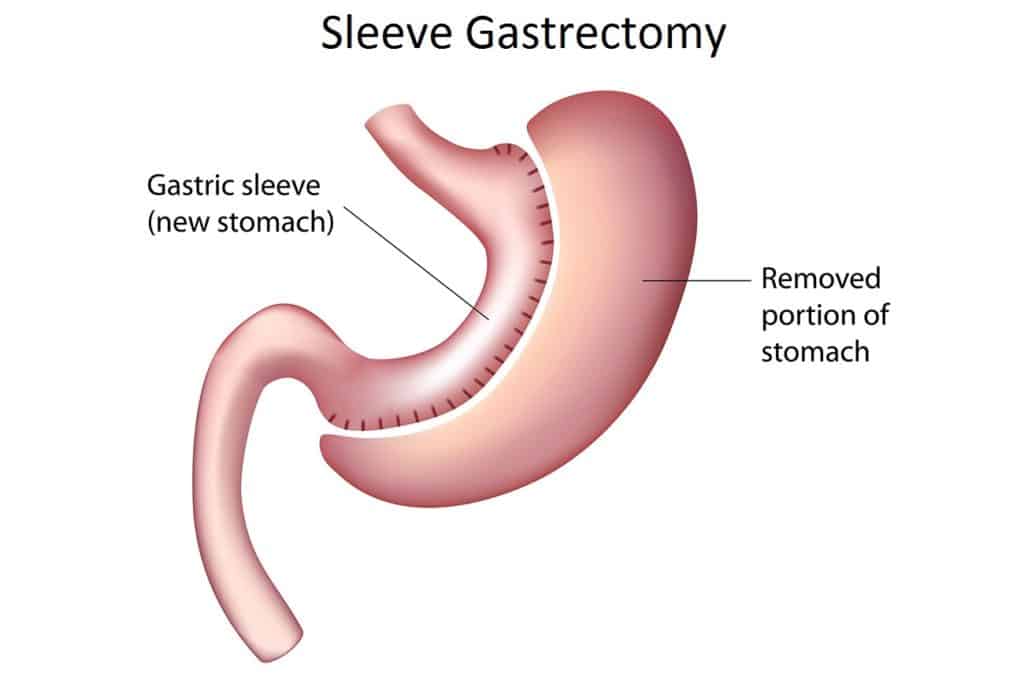
After Sleeve Surgery, there are a few key things to keep in mind to ensure a successful recovery and long-term weight loss. Remember to follow your doctor’s post-operative instructions, stay hydrated, eat nutrient-dense foods, and incorporate regular exercise into your routine. By staying committed to a healthy lifestyle, you can maximize the benefits of your sleeve surgery and achieve your weight loss goals. Have you recently undergone sleeve surgery or are seriously considering it? If so, you may have many questions about what to expect after the procedure and how to take care of yourself during the recovery process. This article will guide you through the important steps to follow in the weeks and months following sleeve surgery, helping you achieve the best possible results and maintain a healthy lifestyle.
What to Expect After Sleeve Surgery
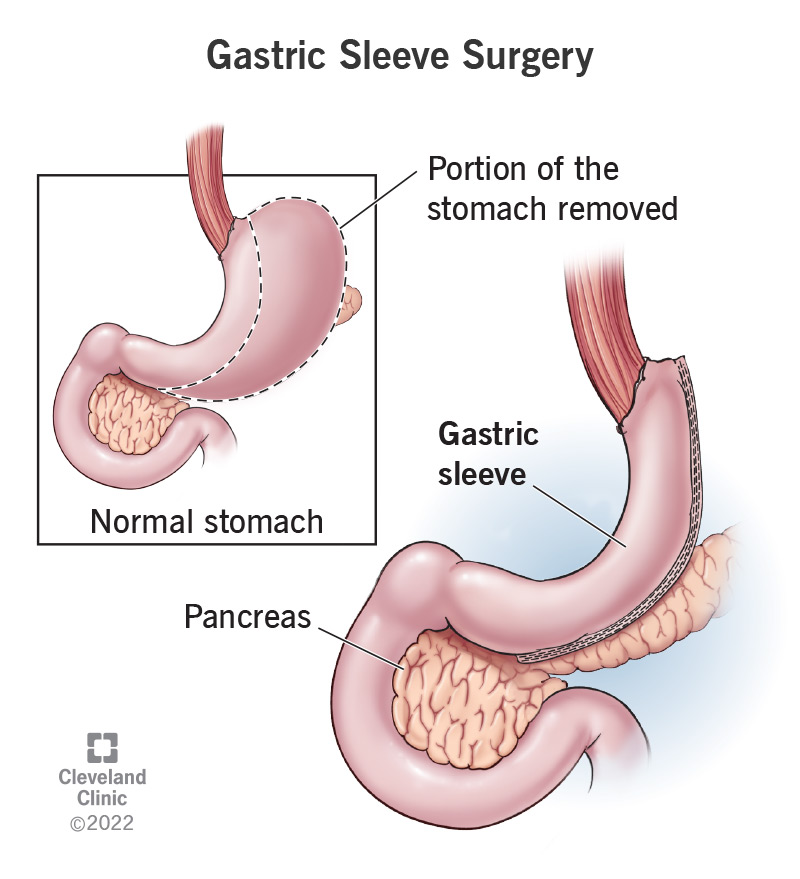
After sleeve surgery, it’s normal to experience some discomfort, fatigue, and various changes in your daily routine. However, knowing what to expect can help you prepare both physically and mentally for the recovery process. Here are some common things you may experience in the days and weeks following sleeve surgery:
- Pain and discomfort: It’s common to experience some pain and discomfort around the incision site and in the abdominal area after sleeve surgery. Your healthcare team will provide you with pain medication to help manage any discomfort.
- Changes in diet: Following sleeve surgery, you will need to adjust your diet to accommodate the changes in your stomach size. Your healthcare provider will provide you with specific guidelines on what to eat and how much to eat.
- Fatigue: Your body will need time to heal after sleeve surgery, so it’s normal to feel fatigued and tired during the recovery process. Make sure to get plenty of rest and listen to your body.
- Follow-up appointments: It’s important to attend all follow-up appointments with your healthcare provider to monitor your progress and address any concerns you may have.
- Emotional changes: It’s common to experience a range of emotions after sleeve surgery, including excitement, anxiety, and even sadness. Remember to take care of your mental health and seek support if needed.
Managing Pain and Discomfort
Managing pain and discomfort after sleeve surgery is crucial for a smooth recovery process. Here are some tips to help you cope with any discomfort you may experience:
- Take pain medication as prescribed: Your healthcare provider will prescribe pain medication to help you manage any discomfort after sleeve surgery. Make sure to take the medication as directed to stay ahead of the pain.
- Use warm compresses: Applying warm compresses to the incision site can help alleviate pain and promote healing. Make sure to follow your healthcare provider’s instructions on when and how to use warm compresses.
- Practice deep breathing exercises: Deep breathing exercises can help relax your body and reduce pain and discomfort after sleeve surgery. Take slow, deep breaths and focus on relaxing your muscles.
- Stay hydrated: Drinking plenty of water is essential for promoting healing after sleeve surgery. Make sure to stay hydrated to support your recovery process.
Adjusting Your Diet
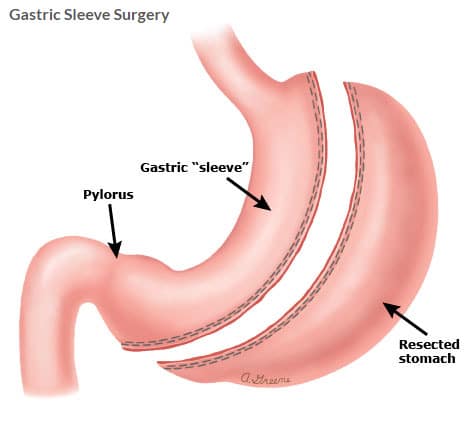
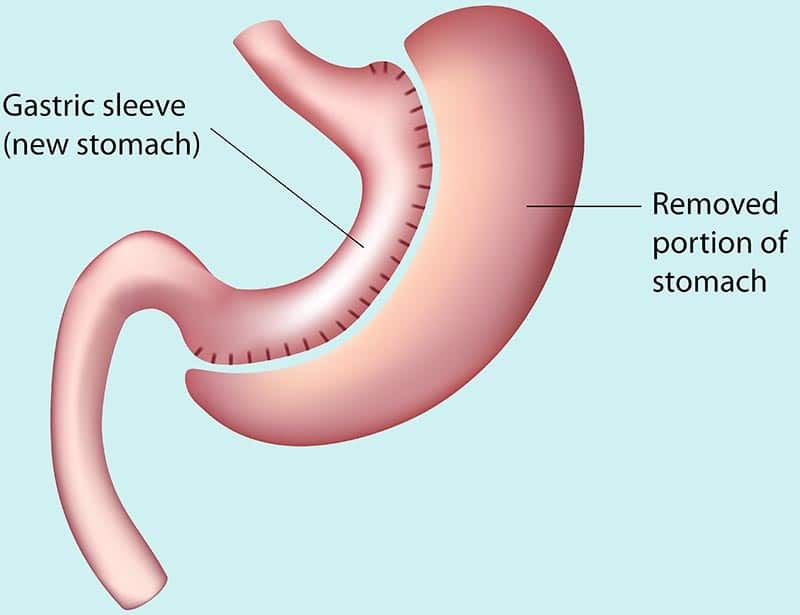
Following sleeve surgery, you will need to make significant changes to your diet to accommodate your smaller stomach size. Here are some tips to help you adjust your diet after sleeve surgery:
- Start with liquids: In the first few days after sleeve surgery, you will need to stick to a liquid diet to allow your stomach to heal. Your healthcare provider will provide you with specific guidelines on what liquids to consume.
- Progress to pureed foods: After the initial liquid phase, you can progress to pureed foods to help ease your stomach back into eating solid foods. Make sure to blend foods thoroughly to avoid any digestion issues.
- Introduce soft foods: Once you are comfortable with pureed foods, you can start introducing soft foods into your diet. Make sure to chew your food thoroughly and eat slowly to prevent any discomfort.
- Focus on protein: Protein is essential for healing after sleeve surgery, so make sure to incorporate lean protein sources into your diet. This can include lean meats, fish, eggs, and dairy products.
- Monitor portion sizes: With your smaller stomach size, it’s important to monitor your portion sizes and avoid overeating. Aim to eat small, frequent meals throughout the day to ensure you are getting the nutrients you need.
Managing Fatigue
Fatigue is common after sleeve surgery as your body needs time to heal and adjust to the changes. Here are some tips to help you manage fatigue during the recovery process:
- Get plenty of rest: Rest is essential for promoting healing after sleeve surgery, so make sure to get plenty of rest and listen to your body. Take naps throughout the day if needed.
- Stay active: While rest is important, it’s also crucial to stay active and engage in light activities such as walking to prevent muscle weakness and promote circulation.
- Stay hydrated: Dehydration can contribute to fatigue, so make sure to drink plenty of water throughout the day to stay hydrated and energized.
- Eat a balanced diet: Eating a balanced diet with plenty of nutrients can help combat fatigue and provide your body with the energy it needs to heal. Make sure to follow your healthcare provider’s dietary guidelines.
Attending Follow-Up Appointments
Attending follow-up appointments with your healthcare provider is essential for monitoring your progress and addressing any concerns you may have. Here are some tips to help you make the most of your follow-up appointments:
- Prepare questions: Before your follow-up appointment, take some time to prepare any questions or concerns you may have for your healthcare provider. This can help ensure that you get the information you need.
- Track your progress: Keep a journal of your symptoms, diet, and activity levels to help you track your progress and identify any patterns that may be affecting your recovery.
- Bring a support person: Having a support person with you during your follow-up appointment can help provide emotional support and help you remember any important information discussed.
- Ask for clarification: If you don’t understand something your healthcare provider is telling you, don’t be afraid to ask for clarification. It’s important to have a clear understanding of your recovery process.
Supporting Your Emotional Health
Supporting your emotional health is just as important as taking care of your physical health after sleeve surgery. Here are some tips to help you support your emotional well-being during the recovery process:
- Seek support: Reach out to friends, family, or a support group for emotional support during the recovery process. It’s important to have a strong support system to lean on.
- Practice self-care: Take time for yourself to practice self-care activities that you enjoy, such as reading, taking a bath, or going for a walk. This can help reduce stress and promote relaxation.
- Consider therapy: If you are struggling with the emotional changes after sleeve surgery, consider seeking therapy to help you process your feelings and develop coping strategies.
- Stay positive: Focus on the positive aspects of your recovery journey and celebrate small victories along the way. Maintaining a positive attitude can help you stay motivated and resilient.
In conclusion, the recovery process after sleeve surgery can be challenging, but with the right support and resources, you can achieve the best possible results and maintain a healthy lifestyle. Remember to follow your healthcare provider’s guidelines, listen to your body, and reach out for support when needed. By taking care of both your physical and emotional health, you can navigate the recovery process with confidence and resilience.