Congratulations on taking the important step to improve your health and well-being with gastric sleeve surgery! After the procedure, you may experience significant weight loss, improved mobility, and increased energy levels. It’s important to follow your surgeon’s post-operative guidelines, incorporate healthy eating habits, and stay active to maximize the benefits of the surgery. With dedication and perseverance, you can achieve your weight loss goals and live a healthier, happier life after gastric sleeve surgery. Hey there! How are you feeling after your recent gastric sleeve surgery? Are you ready to embark on this new chapter in your life and take charge of your health and well-being? In this article, we will discuss what to expect after gastric sleeve surgery and provide you with tips and information to help you navigate this journey successfully. Let’s dive in!
Recovery Period
The recovery period after gastric sleeve surgery can vary from person to person, but typically, you can expect to stay in the hospital for 1-2 days after the procedure. During this time, you will be closely monitored by medical professionals to ensure that you are healing properly. Once you are discharged from the hospital, it is essential to follow your surgeon’s post-operative care instructions carefully to promote healing and reduce the risk of complications.
Taking Care of Yourself
During the initial stages of your recovery, you may experience some discomfort, including pain, swelling, and fatigue. It is crucial to listen to your body and rest as needed, but also remember to stay active and incorporate light walking into your daily routine to aid in the healing process. Make sure to stay hydrated by drinking plenty of water and follow a clear liquid diet as recommended by your healthcare provider.
Nutrition and Diet
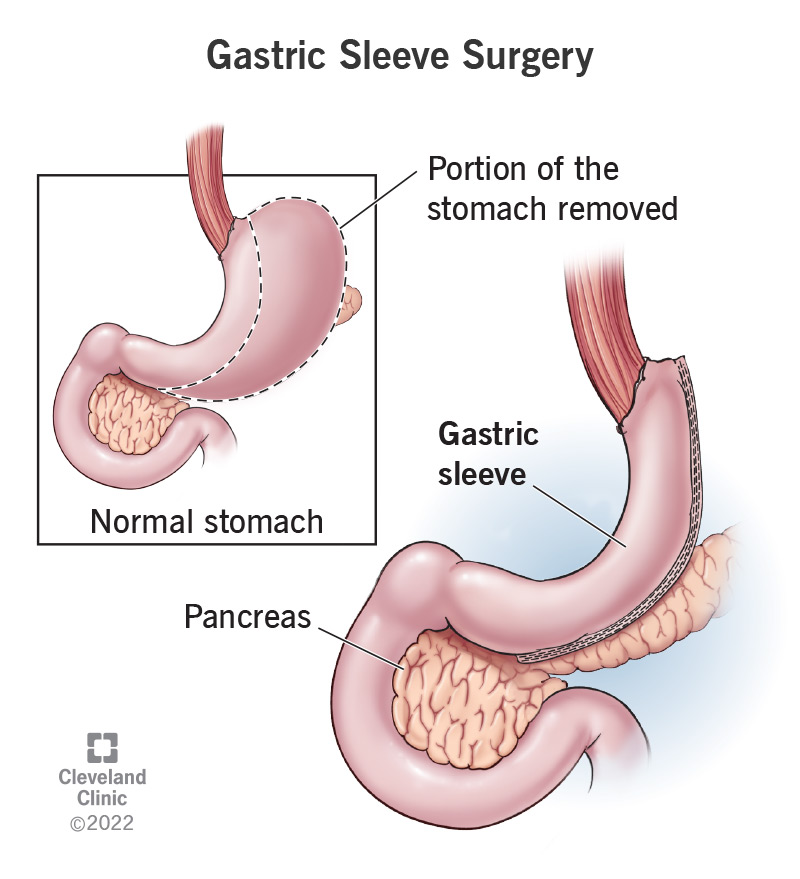
After gastric sleeve surgery, your stomach capacity will be significantly reduced, and you will need to make some changes to your diet to accommodate this. It is essential to follow a strict post-operative diet plan that progresses from clear liquids to pureed foods and then to solid foods in small portions. You will need to focus on consuming protein-rich foods, such as lean meats, eggs, and dairy products, to meet your nutritional needs while avoiding high-fat and high-sugar foods that can cause discomfort and hinder weight loss.
Meal Planning Tips
To make meal planning easier after gastric sleeve surgery, consider incorporating a variety of nutrient-dense foods into your diet, such as fruits, vegetables, whole grains, and legumes. Plan your meals in advance and portion them out to avoid overeating and grazing throughout the day. Remember to listen to your body’s hunger and fullness cues and eat slowly to prevent discomfort and ensure proper digestion.

Exercise and Physical Activity
In addition to following a healthy diet, incorporating regular exercise and physical activity into your daily routine is crucial for long-term weight loss and overall well-being. Start slowly with low-impact exercises, such as walking, swimming, or cycling, and gradually increase the intensity and duration as your fitness level improves. Aim for at least 150 minutes of moderate-intensity exercise per week, and don’t forget to include strength training exercises to build muscle and boost your metabolism.
Finding an Exercise Routine That Works for You
Finding an exercise routine that works for you and fits into your lifestyle is key to staying motivated and committed to your fitness goals. Whether you prefer going to the gym, taking fitness classes, or working out at home, find activities that you enjoy and that challenge you physically. Consider enlisting the help of a personal trainer or fitness coach to create a customized exercise plan that suits your needs and helps you achieve your weight loss goals.
Support and Accountability
Embarking on a weight loss journey can be challenging, but having a strong support system in place can make all the difference in your success. Surround yourself with friends, family members, or support groups who understand your goals and can provide encouragement, motivation, and accountability along the way. Share your progress, celebrate your victories, and lean on others for guidance and support when you need it most.
Seeking Professional Help
If you find yourself struggling with emotional eating, body image issues, or other psychological challenges related to weight loss, don’t be afraid to seek professional help from a therapist, counselor, or psychologist. Talking to a mental health professional can provide you with the tools and resources you need to address underlying issues, develop coping strategies, and achieve long-term success in your weight loss journey.

Managing Expectations
It is essential to manage your expectations and approach your weight loss journey with patience, persistence, and a positive mindset. Remember that weight loss takes time, and progress may not always be linear. Be kind to yourself, celebrate small victories, and stay focused on your long-term health and well-being goals. Set realistic and achievable goals for yourself, track your progress, and make adjustments to your plan as needed to stay on track and motivated.
Celebrating Non-Scale Victories
In addition to tracking your weight loss progress on the scale, don’t forget to celebrate non-scale victories, such as improved energy levels, better sleep, increased physical fitness, and improved self-confidence. Focus on the positive changes you are experiencing in your health and well-being, and use these victories as motivation to keep pushing forward and reaching your goals.
Follow-Up Care and Monitoring
After gastric sleeve surgery, it is essential to attend regular follow-up appointments with your healthcare provider to monitor your progress, address any concerns or issues, and make adjustments to your treatment plan as needed. Your healthcare team will track your weight loss, assess your nutritional status, and provide you with ongoing support and guidance to help you achieve your weight loss and health goals.
Importance of Follow-Up Care
Regular follow-up care is essential for long-term success after gastric sleeve surgery, as it allows your healthcare provider to monitor your progress, identify any potential issues or complications early on, and make recommendations to optimize your weight loss and health outcomes. Be proactive in scheduling and attending your follow-up appointments, and don’t hesitate to reach out to your healthcare provider if you have any questions or concerns about your recovery or progress.

Conclusion
Congratulations on taking the step to improve your health and well-being through gastric sleeve surgery! Remember that this journey is a marathon, not a sprint, and it is essential to be patient, persistent, and committed to your goals. Focus on making small, sustainable changes to your diet, exercise, and lifestyle habits, and remember to celebrate your victories along the way. Surround yourself with a supportive network of friends, family, and healthcare professionals who can help guide you through this process and keep you motivated and accountable. Stay positive, stay focused, and stay dedicated to becoming the best version of yourself. You’ve got this!