Congratulations on taking the brave step to undergo gastric bypass surgery! Now that you’ve completed the procedure, it’s important to understand what comes next in your weight loss journey. From managing your new diet and exercise routine to coping with potential side effects, this article will provide guidance and support as you navigate life after gastric bypass. Remember, you’re not alone on this path to a healthier and happier you! Have you recently undergone gastric bypass surgery and are now navigating life after this major procedure? You may have many questions about what to expect in terms of diet, lifestyle changes, weight loss, and potential challenges. In this comprehensive guide, we will walk you through the post-gastric bypass journey, providing you with valuable information, tips, and support as you adjust to your new life.
Understanding Gastric Bypass Surgery
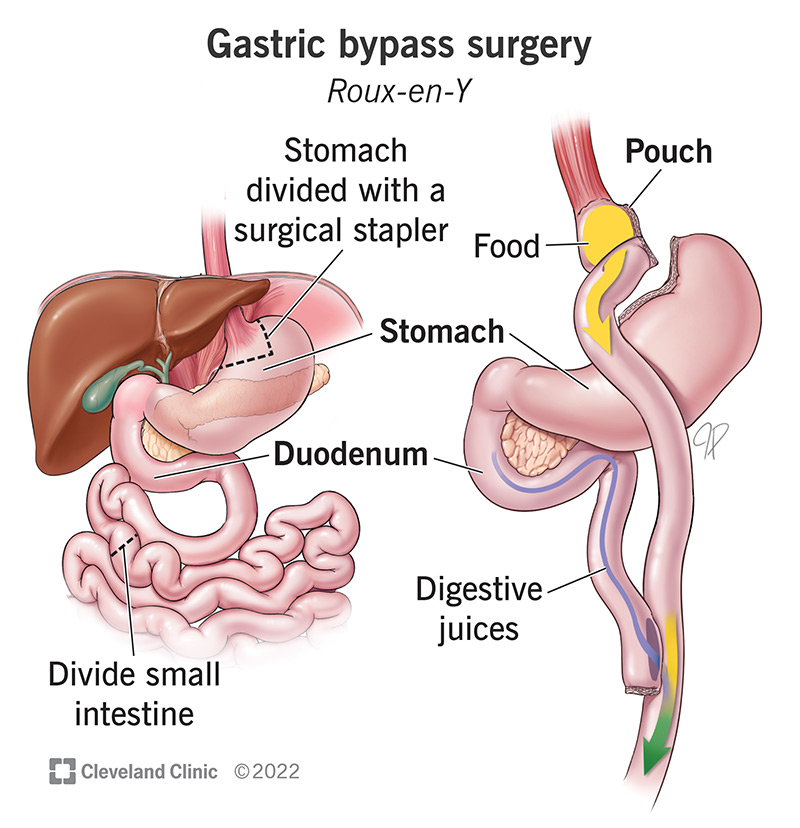
Gastric bypass surgery, also known as Roux-en-Y gastric bypass, is a surgical procedure that involves reducing the size of the stomach and rerouting the digestive system to promote weight loss. This surgery is typically recommended for individuals with severe obesity who have not been successful with other weight loss methods.
What Happens During Gastric Bypass Surgery
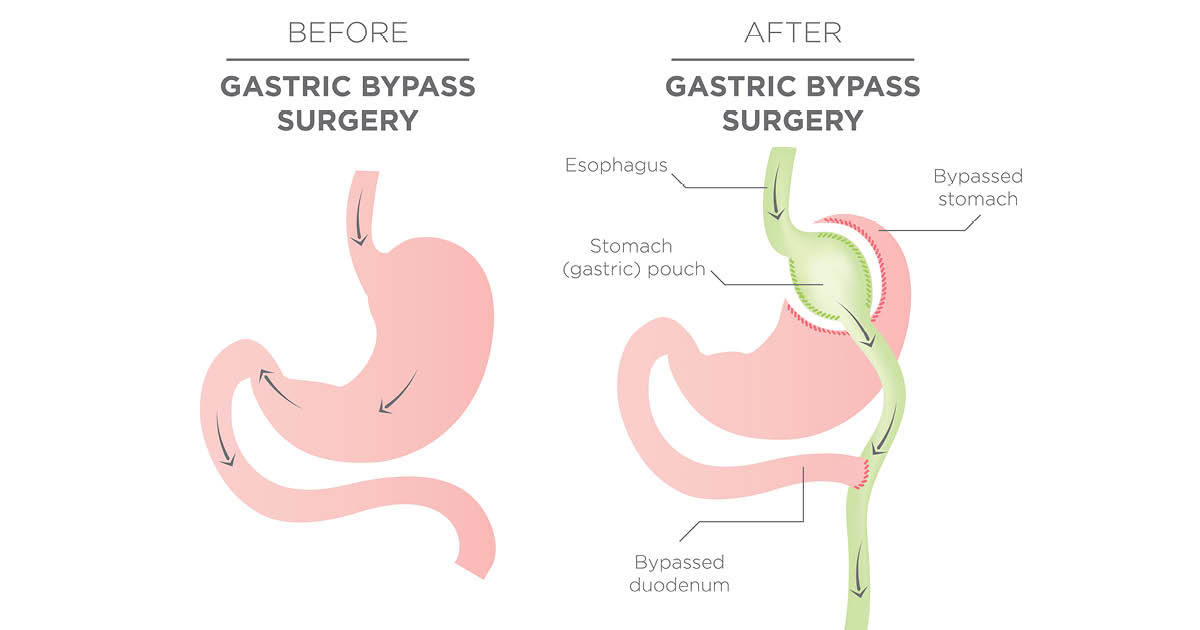
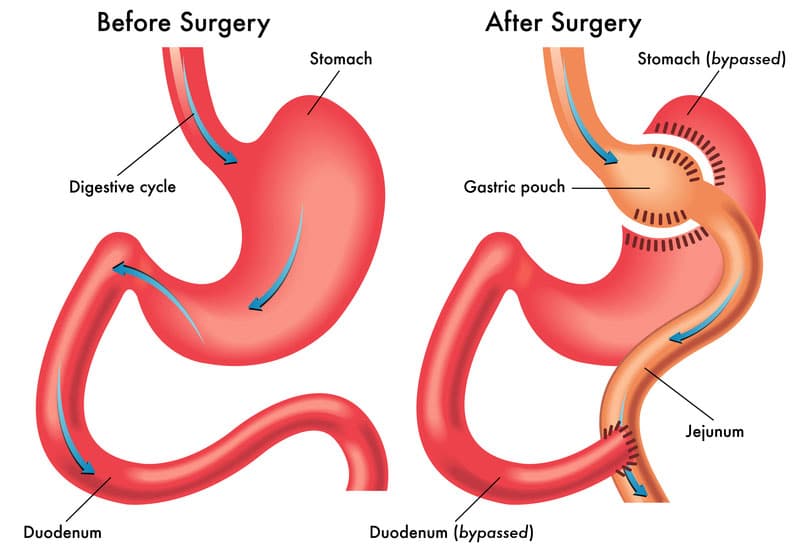
During the surgery, the surgeon will create a smaller stomach pouch by dividing the stomach and sealing it off from the rest of the stomach. This pouch is then connected directly to the small intestine, bypassing a large portion of the stomach and the first section of the small intestine.
Benefits of Gastric Bypass Surgery
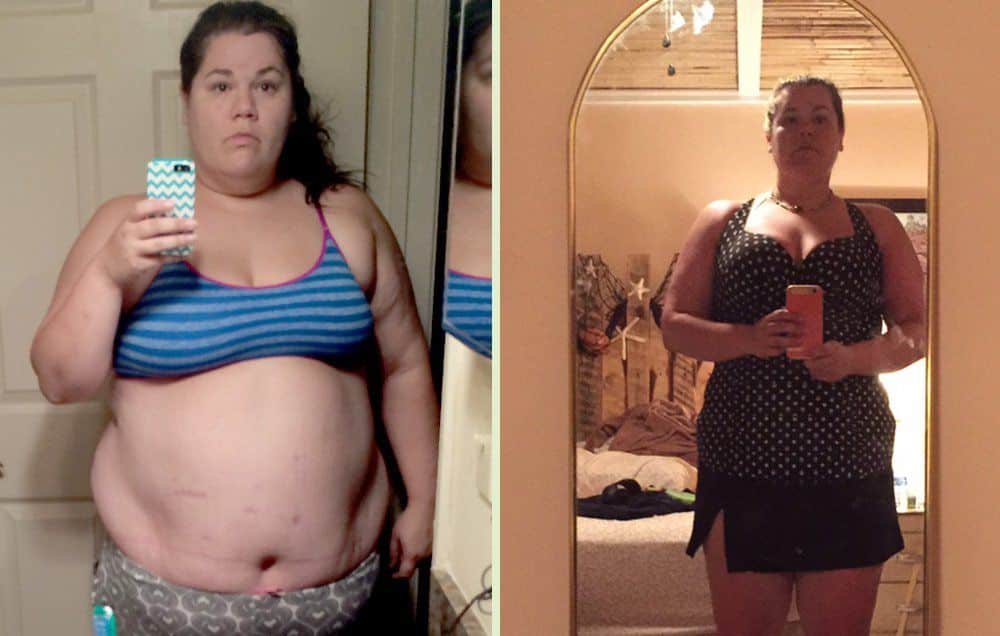
The primary goal of gastric bypass surgery is to help individuals lose weight and improve or resolve obesity-related health conditions such as type 2 diabetes, hypertension, sleep apnea, and joint pain. Many patients experience significant weight loss in the months following the surgery, leading to improved quality of life and overall health.
Life After Gastric Bypass Surgery
Adjusting to life after gastric bypass surgery involves significant changes in terms of diet, physical activity, and overall lifestyle. It’s essential to follow your healthcare team’s recommendations to ensure a safe and successful recovery.
Post-Surgery Diet
Immediately after gastric bypass surgery, you will be placed on a strict liquid diet to allow your stomach to heal. Over time, you will progress to pureed foods, soft foods, and eventually solid foods. It’s crucial to follow the dietary guidelines provided by your healthcare team to promote proper healing and weight loss.
Vitamin and Mineral Supplementation
After gastric bypass surgery, your body may have difficulty absorbing essential nutrients from food, leading to potential deficiencies. To prevent nutritional deficiencies, your healthcare team will recommend vitamin and mineral supplements such as iron, calcium, vitamin D, and B vitamins. It’s important to take these supplements as directed to support your overall health.
Physical Activity
Regular physical activity is essential for maintaining weight loss, improving health outcomes, and promoting overall well-being after gastric bypass surgery. Start with low-impact exercises such as walking or swimming and gradually increase the intensity and duration of your workouts. Consult with your healthcare team before starting any new exercise regimen.
Monitoring Weight Loss
Weight loss is a significant goal of gastric bypass surgery, but it’s essential to remember that everyone’s weight loss journey is different. Keep track of your weight loss progress by regularly weighing yourself and discussing any concerns or challenges with your healthcare team. Celebrate your successes and stay motivated to reach your weight loss goals.

Managing Potential Challenges
While gastric bypass surgery can lead to significant weight loss and health improvements, there may be challenges along the way. It’s important to be aware of these challenges and develop strategies to overcome them effectively.
Dumping Syndrome
Dumping syndrome is a common side effect of gastric bypass surgery that occurs when food moves too quickly from the stomach to the small intestine. Symptoms may include abdominal pain, diarrhea, sweating, dizziness, and nausea. To manage dumping syndrome, eat small, frequent meals, avoid sugary or high-fat foods, and stay hydrated throughout the day.
Food Intolerances
After gastric bypass surgery, you may develop food intolerances to certain foods due to changes in your digestive system. Common trigger foods include high-fat, sugary, or spicy foods. Keep a food diary to track any symptoms or discomfort after eating and avoid foods that cause digestive issues.
Psychological Challenges
Adjusting to life after gastric bypass surgery can be emotionally challenging, as you navigate changes in your body, lifestyle, and relationships. It’s normal to experience feelings of anxiety, depression, or body image concerns. Seek support from a therapist, counselor, or support group to address these psychological challenges and maintain a positive mental outlook.
Long-Term Success and Maintenance
Achieving long-term success and maintaining weight loss after gastric bypass surgery requires ongoing commitment, support, and lifestyle changes. Here are some tips to help you stay on track and make the most of your weight loss journey.
Establishing Healthy Habits
Focus on building healthy habits that support your weight loss goals, such as eating balanced meals, staying active, getting an adequate amount of sleep, and managing stress effectively. Small, sustainable changes over time can lead to significant improvements in your overall health and well-being.
Regular Follow-Up Visits
Stay connected with your healthcare team through regular follow-up visits to monitor your progress, address any concerns, and make adjustments to your treatment plan as needed. These visits are essential for tracking your weight loss, managing any health conditions, and ensuring long-term success after gastric bypass surgery.
Support Systems
Seek support from family, friends, or support groups to stay motivated, accountable, and connected throughout your weight loss journey. Having a strong support system can provide encouragement, guidance, and understanding as you navigate the challenges and triumphs of life after gastric bypass surgery.
Celebrate Your Success
Celebrate your achievements, milestones, and progress along the way to your weight loss goals. Whether it’s fitting into smaller clothes, reaching a new fitness milestone, or improving your health markers, take time to acknowledge and reward yourself for your hard work and dedication.
Conclusion
Life after gastric bypass surgery is a transformative journey that requires dedication, commitment, and support. By understanding the challenges, making lifestyle changes, and seeking support, you can navigate the post-surgery experience with confidence and success. Remember that you are not alone in this journey, and your healthcare team is there to guide and support you every step of the way. Stay positive, stay motivated, and embrace the new possibilities that await you on your path to health and well-being.