Welcome to life after gastric bypass surgery! Making the decision to undergo this life-changing procedure was not easy, but now that it’s behind you, it’s time to focus on the exciting journey ahead. With proper diet, exercise, and support from your healthcare team, you can look forward to improved health, increased energy, and a whole new perspective on life. Stay positive, stay motivated, and embrace this new chapter with open arms – you’ve got this! Have you recently had gastric bypass surgery and are not sure what to expect in the coming days, weeks, and months? Don’t worry, we’re here to help guide you through the post-surgery process and provide you with all the information you need to make the most of this life-changing procedure. Whether you’re looking for dietary advice, exercise tips, or emotional support, we’ve got you covered. Keep reading to learn more about what to expect after gastric bypass surgery.
Recovery Period
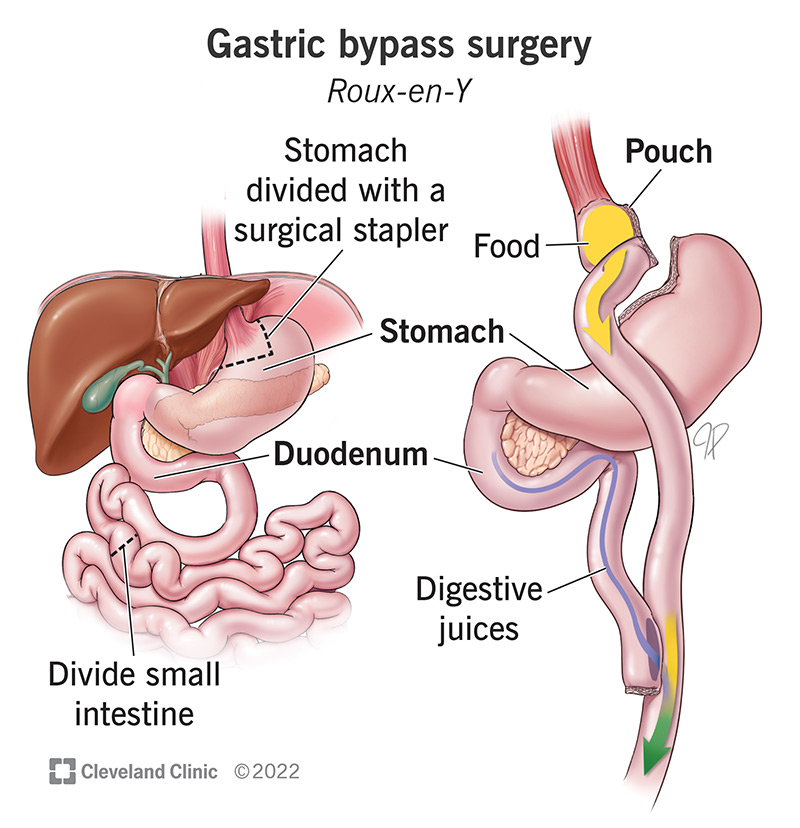
Congratulations on successfully making it through your gastric bypass surgery! The recovery period is a crucial time for your body to heal and adjust to the changes that have been made. During this time, it’s important to follow your healthcare provider’s instructions carefully and be patient with yourself as you recover.
Taking Care of Yourself
Remember to take it easy during the recovery period and listen to your body. Make sure to get plenty of rest, stay hydrated, and eat small, frequent meals to help your body heal. If you experience any pain or discomfort, don’t hesitate to contact your healthcare provider for guidance.
Follow-Up Appointments
It’s essential to attend all follow-up appointments with your healthcare provider after gastric bypass surgery. These appointments are an opportunity to track your progress, address any concerns or issues you may have, and receive guidance on your recovery journey. Be sure to ask any questions you have during these appointments, as your healthcare provider is there to help you every step of the way.
Dietary Guidelines
Following gastric bypass surgery, your dietary habits will need to undergo significant changes to support your weight loss and overall health goals. It’s crucial to follow the dietary guidelines provided by your healthcare provider to ensure a successful recovery and long-term weight loss.
Liquid Diet
In the immediate post-surgery period, you will likely be placed on a liquid diet to give your stomach time to heal. This diet will consist of clear liquids such as broth, sugar-free gelatin, and water. It’s essential to follow this diet carefully to prevent complications and help your body adjust to the changes made during surgery.
Soft Foods
As you progress through the recovery period, you will transition to a soft foods diet. This diet includes foods that are easy to digest, such as yogurt, scrambled eggs, and pureed fruits and vegetables. Be sure to chew your food thoroughly and take your time when eating to avoid discomfort and ensure proper digestion.
Solid Foods
Eventually, you will be able to reintroduce solid foods into your diet, but it’s essential to do so gradually and carefully. Focus on eating lean protein, fruits, vegetables, and whole grains to support your weight loss and overall health goals. Be mindful of portion sizes and avoid high-calorie, low-nutrient foods to maintain your progress.
Physical Activity
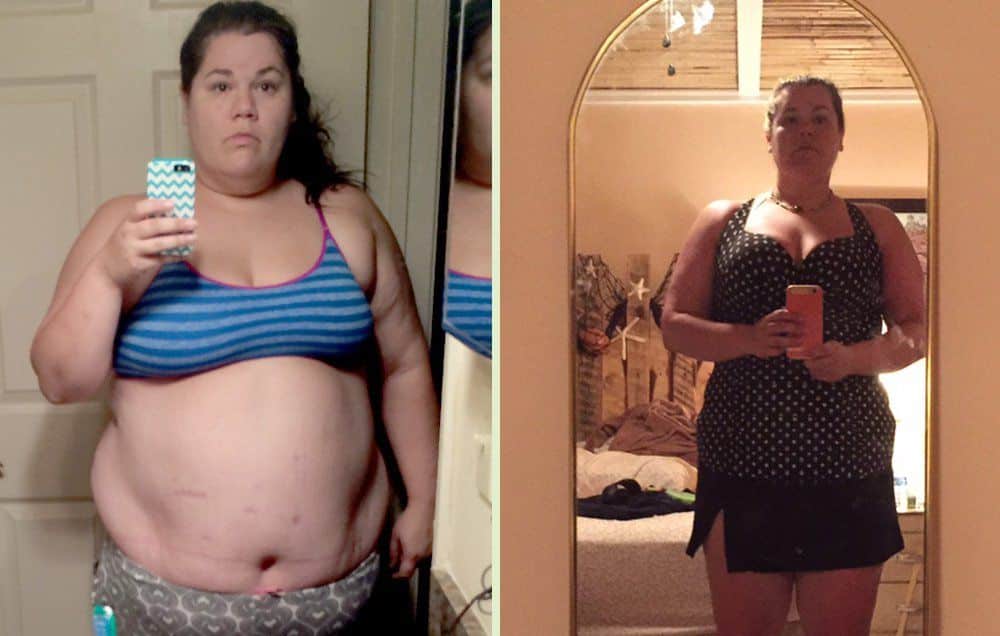
In addition to following a healthy diet, incorporating physical activity into your routine is crucial for successful weight loss and overall health after gastric bypass surgery. Start slow and gradually increase the intensity and duration of your workouts as your body adjusts to the changes made during surgery.
Walking
Walking is an excellent low-impact exercise that can help you increase your physical activity levels after gastric bypass surgery. Start with short, gentle walks around your neighborhood or a nearby park, and gradually increase the distance and speed as you build your strength and endurance. Aim for at least 30 minutes of walking per day to support your weight loss goals.
Strength Training
Incorporating strength training exercises into your routine can help you build muscle mass, increase your metabolism, and improve your overall fitness levels. Start with light weights or resistance bands and focus on major muscle groups such as your legs, arms, back, and core. Consult with a fitness professional or physical therapist for guidance on safe and effective strength training exercises after gastric bypass surgery.
Cardiovascular Exercise
Cardiovascular exercise, such as cycling, swimming, or dancing, can help you burn calories, improve your cardiovascular health, and boost your mood after gastric bypass surgery. Start with low-impact activities that are gentle on your joints and gradually increase the intensity and duration of your workouts. Aim for at least 150 minutes of moderate-intensity cardiovascular exercise per week to support your weight loss and overall health goals.
Emotional Support
Going through gastric bypass surgery can be a life-changing experience that comes with a range of emotions, including excitement, fear, and uncertainty. It’s essential to seek out emotional support from friends, family members, healthcare providers, or support groups to help you navigate the emotional ups and downs of the post-surgery period.
Support Groups
Joining a support group for individuals who have undergone gastric bypass surgery can provide you with a sense of community, understanding, and encouragement during your recovery journey. These groups often meet in person or online and offer a safe space to share your experiences, ask questions, and connect with others who are going through similar challenges.
Counseling
If you find yourself struggling with the emotional aspects of gastric bypass surgery, consider seeking individual or group counseling to help you process your feelings and develop coping strategies. A mental health professional can provide you with the tools and support you need to navigate the emotional challenges of the post-surgery period and maintain your mental well-being.
Self-Care
Practicing self-care is essential for maintaining your emotional well-being after gastric bypass surgery. Take time for yourself each day to relax, unwind, and focus on activities that bring you joy and comfort. Whether it’s reading a book, taking a bubble bath, or practicing mindfulness meditation, make self-care a priority to support your mental health throughout the recovery process.

Monitoring Your Progress
After gastric bypass surgery, it’s essential to monitor your progress closely to ensure that you are on track with your weight loss and overall health goals. Keep track of your food intake, physical activity levels, and emotional well-being to identify any areas that may need adjustment or improvement.
Food Diary
Keeping a food diary can help you track your daily meals, snacks, and beverages to ensure that you are meeting your nutritional needs and making healthy choices. Write down everything you eat and drink, including portion sizes and calorie counts, to identify any patterns or habits that may be hindering your progress. Share your food diary with your healthcare provider or a registered dietitian for feedback and guidance.
Weight Loss Tracker
Maintaining a weight loss tracker can help you monitor your progress over time and celebrate your achievements along the way. Weigh yourself regularly and record your weight in a journal or online app to track your weight loss journey and identify any trends or fluctuations. Set realistic goals for yourself and celebrate each milestone to stay motivated and focused on your long-term success.
Physical Activity Log
Keeping a physical activity log can help you stay accountable for your exercise routine and identify opportunities for improvement or adjustment. Record the type, duration, and intensity of your workouts, as well as any challenges or successes you experience during your workouts. Review your physical activity log regularly to track your progress, set new goals, and make adjustments to your routine as needed.
Conclusion
Congratulations on taking the first step towards a healthier, happier life with gastric bypass surgery. Remember to be patient with yourself during the recovery process, follow your healthcare provider’s guidelines carefully, and seek out the support you need to navigate the emotional challenges of this life-changing procedure. By following a healthy diet, incorporating regular physical activity, and monitoring your progress closely, you can achieve successful weight loss and overall health after gastric bypass surgery. We wish you all the best on your recovery journey and look forward to celebrating your achievements along the way.