Welcome to the world of adjustable gastric bands! These innovative medical devices are designed to help you lose weight by restricting the amount of food you can eat. Placing a band around the upper part of your stomach creates a small pouch that fills up quickly, making you feel full faster and eat less.
The best part is that the band can be adjusted to fit your needs, allowing for personalized weight loss goals. Say goodbye to fad diets and welcome a healthier, more sustainable lifestyle with an adjustable gastric band. Have you been struggling with your weight for years and feeling like you’ve tried every diet and exercise plan out there without success?
Have you considered weight loss surgery but feel overwhelmed by all the different options available? If so, the adjustable gastric band might be the solution you’ve been looking for. In this article, we will explore the adjustable gastric band, how it works, who is a good candidate for the procedure, what to expect before and after surgery, and the pros and cons of this weight loss option. So please grab a cup of tea or coffee, get comfortable, and dive in together!
What is an Adjustable Gastric Band?
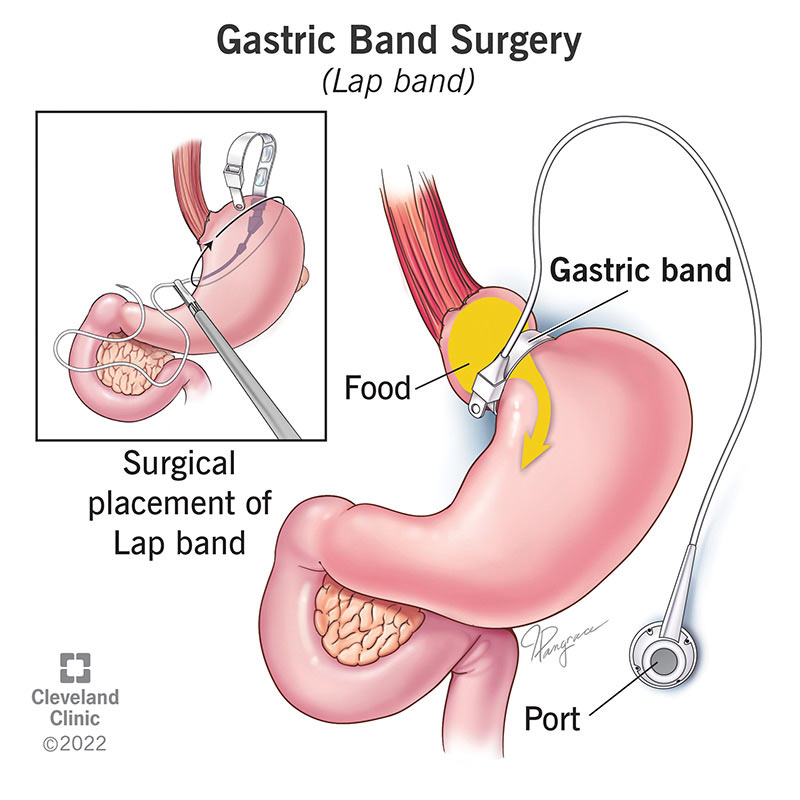
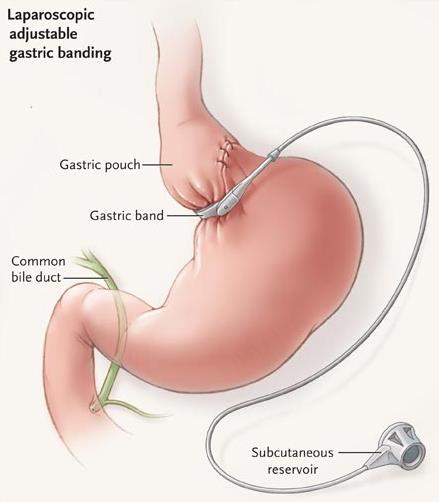
An adjustable gastric band is a type of weight loss surgery that involves placing a silicone band around the upper part of the stomach to create a smaller stomach pouch. This restricts the amount of food consumed at once, leading to feelings of fullness and satiety with smaller portions. The band is connected to a port placed just under the skin, allowing for adjustments to be made to the band’s tightness over time.
If you’ve struggled with portion control and overeating in the past, the adjustable gastric band can help you regain control and make healthier diet choices.
How Does an Adjustable Gastric Band Work?
The adjustable gastric band works by limiting the amount of food consumed once and slowing down the digestion process. The band creates a smaller stomach pouch at the top of the stomach, which can only hold a small amount of food. This results in feelings of fullness and satiety with smaller portions, helping you reduce your caloric intake and lose weight.
The band can be adjusted by adding or removing saline solution through the port under the skin. This allows the band to be tightened or loosened as needed to help you continue to lose weight or maintain it over time.
Who is a Good Candidate for an Adjustable Gastric Band?
Only some people are good candidates for an adjustable gastric band. The procedure is typically recommended for individuals with a body mass index (BMI) of 40 or higher or a BMI of 35 or higher with obesity-related health conditions such as type 2 diabetes, hypertension, or sleep apnea.
If you have struggled with obesity for years and have been unable to lose weight through diet and exercise alone, the adjustable gastric band may be a good option for you. It is essential to consult with a healthcare provider or weight loss surgeon to determine if you are a good candidate for the procedure.
Who is Not a Good Candidate for an Adjustable Gastric Band?
While the adjustable gastric band is a safe and effective weight loss option for many individuals, it may not suit everyone. Suppose you have certain medical conditions that could increase the risks of surgery or make it more difficult to follow the necessary dietary and lifestyle changes after surgery. In that case, someone other than you may be a good candidate for the procedure.
Some contraindications for the adjustable gastric band include previous gastric surgery, inflammatory diseases of the gastrointestinal tract, severe heart or lung disease, untreated psychiatric disorders, and drug or alcohol addiction. It is essential to discuss your medical history and any health concerns with your healthcare provider before deciding if the adjustable gastric band is right for you.
What to Expect Before Surgery
Before undergoing adjustable gastric band surgery, you must complete several pre-operative tests and evaluations to ensure you are physically and mentally prepared. These may include blood tests, imaging studies, consultations with a dietitian and psychologist, and meetings with your surgical team.
You will also be required to follow a pre-operative diet to help reduce the size of your liver and make the surgery safer and more effective. This diet typically involves consuming high-protein, low-calorie shakes, and clear liquids in the days leading up to surgery.
Pre-Operative Diet
The pre-operative diet for adjustable gastric band surgery typically starts 1-2 weeks before the scheduled surgery date. It is designed to reduce the size of your liver and the risks of surgery complications. This diet usually involves consuming high-protein, low-calorie shakes, and clear liquids and avoiding certain foods that can increase the risk of complications during surgery.
Your healthcare provider or dietitian will provide specific guidelines and instructions on what foods and beverages to consume and which ones to avoid in the days before surgery. It is essential to follow these guidelines closely to ensure the success of your surgery and reduce the risks of post-operative complications.
Psychological Evaluation
In addition to the physical evaluations and tests, you will also undergo a psychological evaluation to assess your readiness for surgery, including your motivation, understanding of the procedure, and ability to follow the necessary dietary and lifestyle changes after surgery. This evaluation is essential to help identify potential barriers to success and provide the support you need to achieve your weight loss goals.
What to Expect After Surgery
After adjustable gastric band surgery, you must follow a strict postoperative diet and lifestyle plan to achieve the best results and maintain your weight loss over time. This plan typically involves a gradual progression from liquids to soft foods to solid foods, making healthy food choices, and incorporating regular physical activity into your daily routine.
Post-Operative Diet
The post-operative diet for adjustable gastric band surgery typically starts with a liquid-only diet for the first 1-2 weeks after surgery, followed by a gradual progression to soft foods and solid foods over the next several weeks. This helps your stomach heal and adjust to the changes made during surgery and reduces the risks of complications and weight regain.
Your healthcare provider or dietitian will provide specific guidelines and instructions on what foods and beverages to consume at each stage of your post-operative diet, how to monitor your progress, and how to make adjustments as needed. It is essential to follow these guidelines closely to ensure the success of your surgery and achieve your weight loss goals.
Lifestyle Changes
In addition to following a healthy post-operative diet, you will also need to make significant lifestyle changes to support your weight loss and health goals after adjustable gastric band surgery. This may include incorporating regular physical activity into your daily routine, managing stress and emotions healthily, getting enough sleep, and avoiding harmful behaviors such as smoking or excessive drinking.
These changes can help you lose weight and improve your overall health and well-being. It is essential to work closely with your healthcare provider, dietitian, and other weight loss team members to develop a personalized plan that meets your needs and supports your goals.

Pros and Cons of Adjustable Gastric Band
Like any weight loss surgery, the adjustable gastric band has pros and cons to consider before deciding if this procedure is correct for you. Understanding these potential benefits and risks can help you make an informed decision and feel confident about pursuing weight loss surgery.
Pros
- Reversible: Unlike other weight loss surgeries, the adjustable gastric band is reversible, meaning that the band can be removed if necessary without irreversible changes to the stomach or digestive tract.
- Adjustable: The band can be tightened or loosened as needed to help you continue to lose weight or maintain weight loss over time, providing flexibility and customization.
- Low risk of malnutrition: Because the digestive tract remains intact, the risk of malnutrition and vitamin deficiencies is lower than with other weight loss surgeries.
- Less invasive: Adjustable gastric band surgery is minimally invasive, with smaller incisions and a shorter recovery time than other weight loss procedures.
Cons
- Slower weight loss: The adjustable gastric band typically results in slower weight loss than other weight loss surgeries, which may be frustrating for some patients.
- Band adjustments: Regular band adjustments are required to ensure the band is appropriately tightened or loosened as needed, which may require additional office visits and procedures.
- Potential for band-related complications: The band may slip out of place, erode into the stomach, or cause other complications requiring surgical intervention.
- Dependence on lifestyle changes: To achieve long-term weight loss success, you must make significant dietary and lifestyle changes and adhere to a strict post-operative plan.
Suppose you are considering adjustable gastric band surgery. In that case, you must consult with a healthcare provider or weight loss surgeon to determine if you are a good candidate for the procedure and understand the potential risks and benefits involved. By following a pre-operative and post-operative plan, making lifestyle changes, and working closely with your weight loss team, you can achieve long-lasting weight loss and improve your life.
Remember, weight loss surgery is just one tool in your weight loss journey. To achieve the best results and maintain weight loss over time, combining surgery with healthy eating, regular physical activity, and positive lifestyle changes is essential. You are not alone on this journey, and with the proper support and resources, you can achieve your weight loss goals and live a happier, healthier life.

Related Topics About Adjustable Gastric Band
Adjustable Gastric Band,
Adjustable Gastric Band Cost,
Adjustable Gastric Band Erosion,
Adjustable Gastric Band Mechanism Of Action,
Adjustable Gastric Band Procedure,
Adjustable Gastric Band Removal,
Adjustable Gastric Band Simple Definition,
Adjustable Gastric Band Surgery Price,
Adjustable Gastric Banding En Francais,
Advantages Of Adjustable Gastric Band,
Cons To Adjustable Gastric Band,
Disadvantages Of Adjustable Gastric Band,
How Does A Adjustable Gastric Band Work,
Placement Of An Adjustable Gastric Band,
Types Of Adjustable Gastric Band,
Why Do Adjustable Gastric Band
Content 10/10/G