
Sustainable weight loss involves making long-term lifestyle changes to maintain a healthy weight indefinitely. This approach emphasizes gradual progress through patience and commitment, rather than rapid weight loss achieved through crash diets or extreme exercise regimens, which can be unsustainable and potentially harmful. The concept of energy balance is fundamental to sustainable weight loss.
To lose weight, one must consume fewer calories than they burn. This should be achieved through a balanced approach of making informed food choices and incorporating regular physical activity into daily routines. It’s important to note that sustainable weight loss is not solely focused on reducing the number on a scale.
Instead, it aims to improve overall health and well-being. By developing and maintaining healthy habits, individuals can achieve long-term success in their weight management efforts.
Key Takeaways
- Sustainable weight loss involves making gradual, long-term changes to your diet and exercise habits.
- Setting realistic goals is important for sustainable weight loss, focusing on progress rather than perfection.
- Making long-term lifestyle changes, such as incorporating regular physical activity and choosing whole, nutrient-dense foods, is key to maintaining weight loss.
- Balancing diet and exercise is essential for sustainable weight loss, emphasizing portion control and a mix of cardiovascular and strength training exercises.
- Managing stress and emotional eating is crucial for sustainable weight loss, utilizing techniques such as mindfulness and seeking professional support when needed.
- Seeking support and accountability from friends, family, or a support group can help maintain motivation and adherence to healthy habits.
- Celebrating non-scale victories, such as increased energy levels and improved mood, is important for maintaining motivation and a positive mindset during the weight loss journey.
Setting Realistic Goals
When it comes to sustainable weight loss, setting realistic goals is crucial for long-term success. Instead of aiming for a drastic weight loss in a short period of time, focus on setting achievable goals that you can work towards gradually. For example, instead of aiming to lose 20 pounds in a month, set a goal to lose 1-2 pounds per week.
This approach is not only more realistic, but it’s also healthier and more sustainable in the long run. In addition to setting realistic weight loss goals, it’s also important to set non-scale goals that focus on other aspects of your health and well-being. For example, you could set a goal to exercise for 30 minutes a day, or to incorporate more fruits and vegetables into your diet.
By setting non-scale goals, you can focus on building healthy habits that will contribute to your overall well-being, regardless of what the scale says. Remember that sustainable weight loss is not just about reaching a certain number on the scale, but about making lasting changes to your lifestyle that will help you maintain a healthy weight for the rest of your life.
Making Long-Term Lifestyle Changes
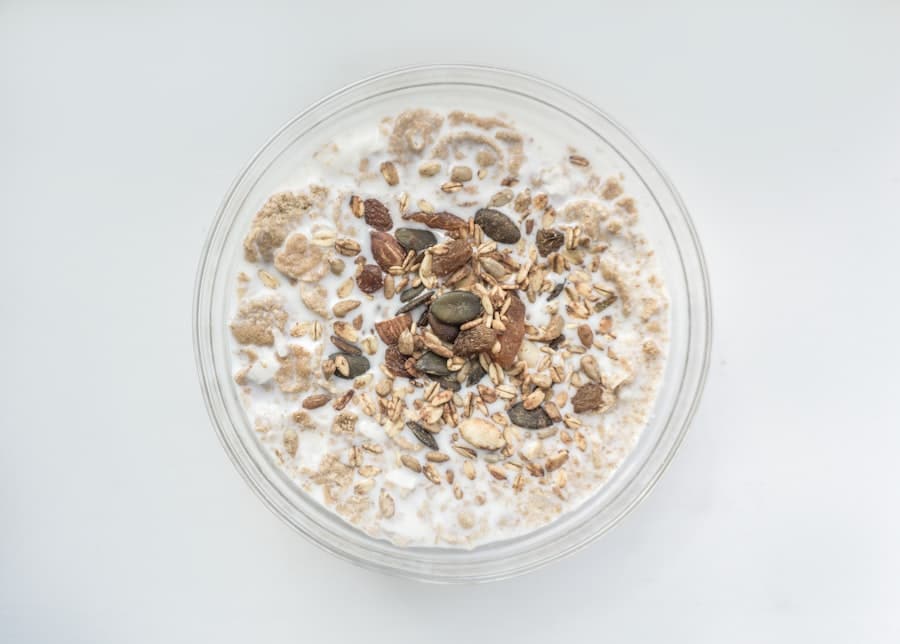
Making long-term lifestyle changes is essential for sustainable weight loss. Instead of relying on short-term fixes or fad diets, focus on making permanent changes to your diet and exercise routine that you can maintain over time. This could include incorporating more whole foods into your diet, such as fruits, vegetables, lean proteins, and whole grains, and reducing your intake of processed foods and sugary drinks.
It could also involve finding physical activities that you enjoy and can stick with, whether it’s walking, swimming, dancing, or playing a sport. In addition to making changes to your diet and exercise routine, it’s also important to focus on other aspects of your lifestyle that can impact your weight and overall health. This could include getting enough sleep each night, managing stress levels, and finding healthy ways to cope with emotions and cravings.
By making long-term lifestyle changes that address all aspects of your health and well-being, you can set yourself up for sustainable weight loss success.
Balancing Diet and Exercise
| Metrics | Diet | Exercise |
|---|---|---|
| Calories intake | 2000 per day | – |
| Types of food | Vegetables, fruits, lean proteins | Cardio, strength training, flexibility exercises |
| Water intake | 8 glasses per day | – |
| Duration | – | 30 minutes to 1 hour per day |
| Rest days | 1-2 days per week | – |
Balancing diet and exercise is key to sustainable weight loss. While both diet and exercise play important roles in achieving and maintaining a healthy weight, it’s important to find a balance that works for you and that you can maintain over time. When it comes to diet, focus on making healthy food choices that provide your body with the nutrients it needs to function at its best.
This could include incorporating more fruits and vegetables into your meals, choosing lean proteins, and reducing your intake of processed foods and added sugars. In addition to making healthy food choices, regular physical activity is also essential for sustainable weight loss. Find activities that you enjoy and that you can incorporate into your daily routine, whether it’s going for a walk, taking a fitness class, or playing a sport.
Aim for at least 150 minutes of moderate-intensity exercise per week, such as brisk walking or cycling, or 75 minutes of vigorous-intensity exercise, such as running or swimming. By finding a balance between healthy eating and regular physical activity, you can achieve sustainable weight loss and improve your overall health.
Managing Stress and Emotional Eating
Managing stress and emotional eating is an important aspect of sustainable weight loss. Many people turn to food for comfort when they are stressed or dealing with difficult emotions, which can lead to overeating and weight gain. It’s important to find healthy ways to manage stress and cope with emotions without turning to food.
This could include practicing relaxation techniques such as deep breathing or meditation, finding physical activities that help reduce stress such as yoga or tai chi, or seeking support from friends, family, or a therapist. In addition to finding healthy ways to manage stress, it’s also important to be mindful of emotional eating triggers and find alternative coping strategies. For example, instead of reaching for a bag of chips when you’re feeling stressed or upset, try going for a walk or calling a friend for support.
By being mindful of your emotions and finding healthy ways to cope with them, you can avoid turning to food for comfort and achieve sustainable weight loss.
Seeking Support and Accountability

Seeking support and accountability is crucial for sustainable weight loss. Trying to lose weight on your own can be challenging, so it’s important to reach out for support from friends, family, or a support group. Having someone to share your successes and challenges with can help keep you motivated and accountable.
You could also consider working with a professional such as a registered dietitian or personal trainer who can provide guidance and support as you work towards your weight loss goals. In addition to seeking support from others, it’s also important to hold yourself accountable for your actions and choices. Keep track of your progress by setting specific goals and monitoring your food intake and physical activity.
This could include keeping a food diary, using a fitness tracker, or setting regular check-ins with yourself or a support person. By seeking support from others and holding yourself accountable for your actions, you can stay on track with your weight loss journey and achieve long-term success.
Celebrating Non-Scale Victories
Celebrating non-scale victories is an important part of sustainable weight loss. While reaching a certain number on the scale is often the main focus of weight loss efforts, it’s important to celebrate other achievements along the way. This could include things like fitting into a pair of jeans that didn’t fit before, having more energy throughout the day, or noticing improvements in your strength and endurance during physical activity.
By celebrating non-scale victories, you can stay motivated and focused on the positive changes you are making in your life, regardless of what the scale says. This can help boost your confidence and self-esteem, which are important for maintaining long-term success in your weight loss journey. Remember that sustainable weight loss is not just about reaching a certain number on the scale, but about improving your overall health and well-being in a way that you can maintain for the rest of your life.
If you’re looking for sustainable weight loss, it’s important to consider the best exercise and diet strategies. One article on how-to-loseweightfast.com discusses whether running is the best exercise to lose weight. It’s important to find an exercise routine that you enjoy and can stick to in the long term, as well as incorporating a balanced diet and healthy habits.
FAQs
What is sustainable weight loss?
Sustainable weight loss refers to the process of losing weight in a healthy and maintainable way, without resorting to extreme or unsustainable measures. It involves making long-term lifestyle changes that promote a healthy weight and overall well-being.
How is sustainable weight loss different from fad diets or quick fixes?
Sustainable weight loss focuses on making gradual, realistic changes to one’s diet and exercise habits, leading to steady and maintainable progress. Fad diets and quick fixes often promise rapid results through extreme or unbalanced approaches, which are not sustainable in the long run.
What are the key components of sustainable weight loss?
The key components of sustainable weight loss include a balanced and nutritious diet, regular physical activity, adequate sleep, stress management, and a supportive environment. These factors contribute to long-term success in achieving and maintaining a healthy weight.
Why is sustainable weight loss important for overall health?
Sustainable weight loss is important for overall health because it reduces the risk of chronic diseases such as heart disease, diabetes, and certain cancers. It also promotes physical and mental well-being, improves energy levels, and enhances quality of life.
How can one achieve sustainable weight loss?
Achieving sustainable weight loss involves setting realistic goals, making gradual changes to eating and exercise habits, seeking support from healthcare professionals or a support network, and staying consistent with healthy behaviors over time. It’s also important to focus on overall health and well-being, rather than just the number on the scale.


