Paying attention to your daily calorie intake is essential to maintain a healthy weight and overall well-being. The calories you need to consume vary depending on your weight, activity level, and metabolism.
By understanding how many calories you should eat based on weight, you can make informed decisions about your diet and lifestyle to support your health goals. It’s all about finding the right balance to fuel your body and keep yourself feeling great.
Let’s explore determining the ideal calorie intake for your weight. Have you ever wondered how many calories you should consume based on weight? Understanding this can be vital to achieving your health and fitness goals. Let’s explore the details so you can make informed decisions about your diet.

Understanding Calories and Weight
Calories are units of energy that we obtain from the food we eat. The number of calories needed varies from person to person based on factors such as age, gender, activity level, and, of course, weight.
Knowing how many calories your body requires can help you effectively maintain, lose, or gain weight.
How Calories Relate to Weight
The relationship between calories and weight is simple: consuming more calories than your body needs will cause weight gain. On the other hand, consuming fewer calories than your body needs will cause weight loss. Finding the right balance is crucial for achieving your desired weight goals.
Factors Influencing Caloric Needs
Several factors influence how many calories your body needs, including:
- Basal Metabolic Rate (BMR): The number of calories your body needs to function at rest.
- Physical activity level: The more active you are, the more calories you require.
- Body composition: Muscle burns more calories than fat, so muscle mass plays a role.
- Age: As we age, our metabolism tends to slow, requiring fewer calories.
- Gender: Men generally have higher muscle mass and require more calories than women.
- Genetics: Some people have faster or slower metabolisms based on genetics.
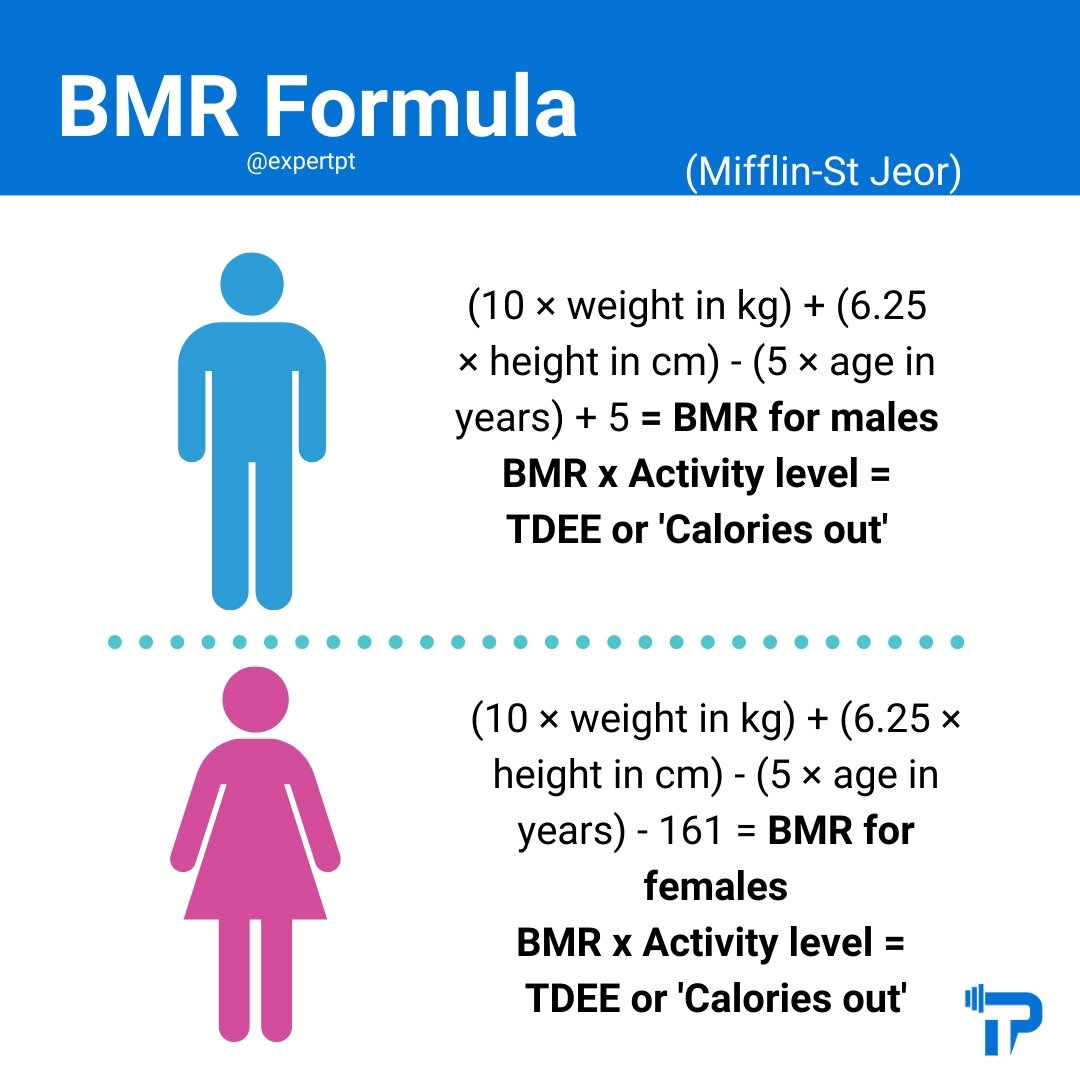
Calculating Caloric Needs by Weight
The following formulas can help you determine how many calories you should eat based on your weight. Remember that these are estimates and may need to be adjusted based on your personal goals and lifestyle.
Calculating Basal Metabolic Rate (BMR)
Your Basal Metabolic Rate (BMR) is the calories your body needs to maintain basic physiological functions at rest. One common formula to calculate BMR is the Harris-Benedict equation:
- For men: BMR = 88.362 + (13.397 x weight in kg) + (4.799 x height in cm) – (5.677 x age in years)
- For women: BMR = 447.593 + (9.247 x weight in kg) + (3.098 x height in cm) – (4.330 x age in years)
After calculating your BMR, you can determine your Total Daily Energy Expenditure (TDEE) by factoring in your activity level:
- Sedentary (little to no exercise): TDEE = BMR x 1.2
- Lightly active (light exercise/sports 1-3 days/week): TDEE = BMR x 1.375
- Moderately active (moderate exercise/sports 3-5 days/week): TDEE = BMR x 1.55
- Very active (hard exercise/sports 6-7 days a week): TDEE = BMR x 1.725
- Super active (very hard exercise & physical job or 2x training): TDEE = BMR x 1.9
Example:
Let’s say you are a 30-year-old woman who is 160 cm tall and weighs 65 kg. Your BMR would be calculated as follows:
BMR = 447.593 + (9.247 x 65) + (3.098 x 160) – (4.330 x 30) BMR = 447.593 + 601.655 + 494.88 – 129.9 BMR = 1414.223 calories
If you are moderately active, your TDEE would be:
TDEE = 1414.223 x 1.55 TDEE = 2192.865 calories
This means that you should consume approximately 2193 calories per day to maintain your current weight.

Adjusting Caloric Intake for Weight Goals
Once you have calculated your daily caloric needs, you can adjust your intake based on your weight goals. Here’s a general guide:
To Lose Weight:
To lose weight, you need to create a calorie deficit, meaning you consume fewer calories than your body needs to maintain its current weight. A safe and sustainable rate of weight loss is about 0.5-1 kg per week, which requires a deficit of around 500-1000 calories per day.
To Gain Weight:
To gain weight, it would be best to create a calorie surplus, meaning you consume more calories than your body needs to maintain its current weight. A safe rate of weight gain is about 0.25-0.5 kg per week, which requires a surplus of around 250-500 calories per day.
To Maintain Weight:
You must consume the same calories as your body needs to maintain your current weight. Monitor your weight regularly and adjust your intake to stay within a healthy range.

Strategies for Managing Caloric Intake
Managing your caloric intake effectively is essential for achieving your weight goals. Here are some strategies to help you stay on track:
Keep a Food Diary:
Tracking your daily food intake can help you become more aware of your eating habits and make healthier choices. Many apps are available that can help you track calories and nutritional information.
Plan Your Meals:
Planning meals can prevent impulsive eating and help you stay within your calorie goals. Prepare healthy snacks and meals in advance to avoid options that may be high in calories.
Focus on Nutrient-Dense Foods:
Choose foods high in nutrients but lower in calories, such as fruits, vegetables, whole grains, lean proteins, and healthy fats. These foods will keep you full and satisfied while providing essential vitamins and minerals.
Watch Portion Sizes:
Please be aware of portion sizes, especially when eating or snacking. Measuring your portions or using smaller plates can help prevent overeating and keep your caloric intake in check.

The Importance of Listening to Your Body
While calculating caloric needs based on weight is a helpful starting point, it is crucial to listen to your body’s cues and adjust your intake accordingly. Pay attention to how certain foods make you feel, stay hydrated, and prioritize overall health and well-being.
Everyone’s caloric needs are unique, and what works for one person may not work for another. For personalized advice tailored to your needs and goals, consult a healthcare provider or a registered dietitian.
By understanding how many calories you should eat based on your weight and making informed choices, you can take control of your health and work towards a healthier, balanced lifestyle. Take the time to educate yourself and make small, sustainable changes that will benefit you in the long run. Your body will thank you for it!
Related Topics About According To Weight How Much Calories Should I Eat
According To Weight How Much Calories Should I Eat,
Calories Intake According To Weight And Height,
How Many Calories Should A Woman Eat Per Day,
How Many Calories Should I Eat A Day To Maintain Weight,
How Many Calories Should I Eat To Be In A Calorie Deficit,
How Many Calories Should I Eat To Maintain Weight,
Ideal Calorie Intake For Weight Loss, Required Calories For Weight Loss
Content 10/10/G