When you think about your diet, protein is likely one of the first macronutrients that comes to mind. It plays a crucial role in your overall health and well-being. Protein is made up of amino acids, which are the building blocks of your body.
These amino acids are essential for various bodily functions, including muscle repair, hormone production, and immune system support. Protein intake is vital for anyone looking to improve their health or achieve specific fitness goals. Incorporating adequate protein into your daily meals can significantly impact your energy levels and satiety.
Consuming protein takes longer to digest than carbohydrates, meaning you feel fuller for extended periods. This can help you resist the temptation to snack on unhealthy foods throughout the day. Additionally, protein has a higher thermic effect than fats or carbohydrates, meaning your body burns more calories digesting it.
By grasping the significance of protein in your diet, you can make informed choices that align with your health objectives.
Key Takeaways
- Protein is essential for muscle repair and growth, as well as for the overall health and functioning of the body.
- Protein can aid in weight loss by increasing feelings of fullness, boosting metabolism, and preserving lean muscle mass.
- The protein needed varies based on age, gender, activity level, and overall health.
- Lean protein sources, such as chicken, fish, tofu, and legumes, are ideal for weight loss due to their low calories and high protein content.
- Timing protein intake around workouts can maximize muscle protein synthesis and aid recovery.
The Role of Protein in Weight Loss
If you’re on a weight loss journey, understanding the role of protein can be a game-changer. Protein helps you maintain muscle mass while losing fat and plays a significant role in regulating your appetite. Consuming a protein-rich meal triggers the release of hormones that promote feelings of fullness, helping you eat less overall.
This can be particularly beneficial if you’re trying to create a calorie deficit for weight loss. Moreover, protein can enhance your metabolism. As mentioned earlier, the thermic effect of food means that your body expends more energy processing protein than it does with other macronutrients.
This increased energy expenditure can contribute to weight loss over time.
How Much Protein Do You Need?

Determining how much protein you need can vary based on several factors, including age, sex, activity level, and specific health goals. For sedentary adults, a standard recommendation is to consume about 0.8 grams of protein per kilogram of body weight. However, your protein needs may increase significantly if you’re active or looking to lose weight.
Many experts suggest aiming for 1.2 to 2.0 grams per kilogram of body weight for those engaged in regular exercise or strength training. To calculate your protein needs accurately, consider keeping a weekly food diary to track your intake and assess how it aligns with your goals. This can help you identify any gaps in your diet and make necessary adjustments.
Remember that while meeting your protein requirements is essential, balance is key. Incorporating various protein sources will ensure you get all the essential amino acids your body needs for optimal function.
Best Sources of Protein for Weight Loss
Quality matters as much as quantity when selecting protein sources for weight loss. Lean meats such as chicken breast and turkey are excellent options because they provide high-quality protein with minimal fat content. Fish, particularly fatty varieties like salmon and mackerel, are also excellent choices due to their omega-3 fatty acids linked to numerous health benefits.
Plant-based proteins can be equally effective for weight loss. Foods like lentils, chickpeas, quinoa, and tofu are rich in protein and fiber, making them filling options to help curb hunger. Incorporating a mix of animal and plant-based proteins into your diet can provide diverse nutrients while keeping your meals enjoyable and satisfying.
Focusing on these high-quality protein sources can support your weight loss efforts while nourishing your body.
Timing Your Protein Intake
The timing of your protein intake can also influence your weight loss journey. Consuming protein regularly throughout the day can help maintain steady energy levels and prevent excessive hunger. Aim to include a source of protein in each meal and snack to keep your metabolism active and support muscle repair after workouts.
Post-workout nutrition is vital for those engaged in regular exercise. Consuming protein shortly after exercising can aid in muscle recovery and growth. A combination of protein and carbohydrates is often recommended during this window to replenish glycogen stores and promote optimal recovery.
Being mindful of when you consume protein can maximize its benefits and more effectively support your weight loss goals.
Protein Shakes and Weight Loss
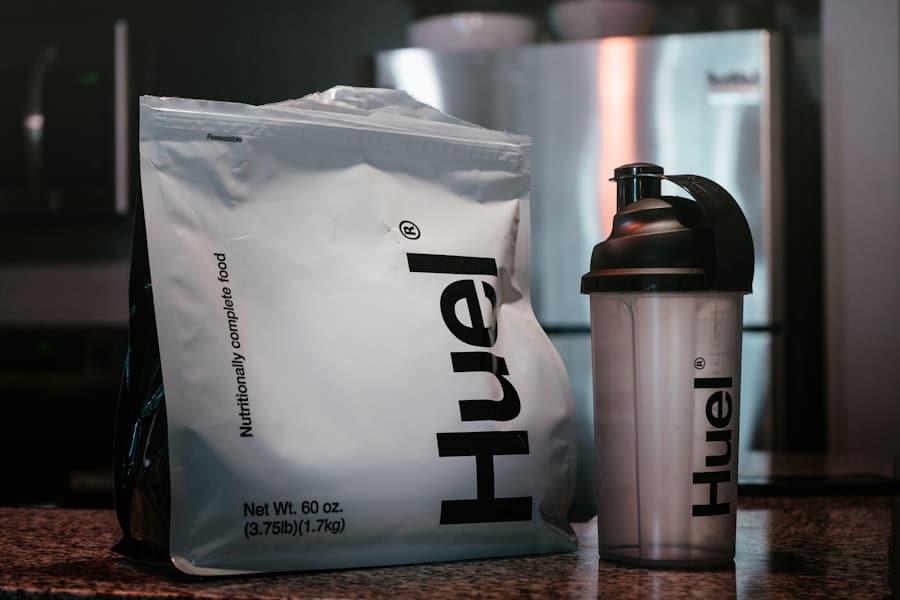
Protein shakes have gained popularity as a convenient way to boost protein intake, especially for those with busy lifestyles. When used appropriately, they can be an effective tool for weight loss. A well-balanced protein shake can be a meal replacement or a post-workout snack, providing essential nutrients without excessive calories.
However, choosing high-quality protein powders that are low in added sugars and artificial ingredients is essential. Commercial protein shakes are loaded with unnecessary additives that can hinder weight loss efforts rather than support them. Additionally, relying solely on shakes without incorporating whole foods into your diet may lead to nutrient deficiencies over time.
Strive for a balanced approach by using protein shakes as a supplement rather than a replacement for whole food sources.
Potential Pitfalls of High Protein Diets
While high-protein diets can offer numerous benefits for weight loss and muscle maintenance, there are potential pitfalls to be aware of. One common concern is the risk of nutrient imbalances if you focus too heavily on protein at the expense of other essential nutrients. A protein-rich diet may lead to an insufficient intake of fruits, vegetables, and whole grains, which are vital for overall health.
Additionally, some individuals may experience digestive issues when consuming excessive amounts of protein, particularly from animal sources. Symptoms such as bloating or constipation can arise if fiber intake is neglected in favor of high-protein foods. It’s crucial to strike a balance by incorporating a variety of food groups into your diet while ensuring you’re meeting your protein needs.
Consultation with a Nutritionist or Dietitian
Consulting with a nutritionist or dietitian can be incredibly beneficial if you’re unsure how to incorporate protein into your diet effectively or have specific health goals. These professionals can provide personalized guidance based on your unique needs and preferences.
Working with a nutritionist or dietitian can also help you navigate any challenges you may face during your weight loss journey. Whether you’re struggling with portion control or need assistance selecting the right foods for your lifestyle, their expertise can provide valuable insights and support. By investing in professional guidance, you can set yourself up for success and make informed choices that align with your health goals.
In conclusion, understanding the role of protein in your diet is essential for achieving weight loss and overall health goals. By recognizing how much protein you need, selecting the best sources, timing your intake effectively, and being mindful of potential pitfalls, you can create a sustainable approach to nutrition that supports your journey toward better health. Don’t hesitate to seek professional advice if needed; it could be the key to unlocking your full potential on this path.
To enhance your weight loss journey through supplements, consider checking out Acxion Diet Pills. These pills can help boost your metabolism and curb your appetite, making it easier to stick to your weight loss goals. Pairing these supplements with a high-protein diet can further accelerate your results. Additionally, if you want to incorporate other weight loss products into your routine, you should explore the options available on Amazon Weight Loss Products. Consistency and dedication are key to achieving your desired results, so consider taking on the 21-Day Challenge to Lose Weight to kickstart your journey.
FAQs
What is protein intake?
Protein intake refers to the amount of protein consumed through food and beverages in a person’s diet. Protein is an essential macronutrient for building and repairing tissues and bodily functions.
How does protein intake help with weight loss?
Protein intake can help with weight loss in several ways. It can increase feelings of fullness and satiety, leading to reduced calorie intake. Additionally, protein has a higher thermic effect compared to carbohydrates and fats, meaning that the body burns more calories during the digestion and metabolism of protein.
What is the recommended protein intake for weight loss?
The recommended dietary allowance (RDA) for protein is 0.8 grams per kilogram of body weight. However, higher protein intake may be beneficial for weight loss. Some studies suggest that consuming 1.2-2.2 grams of protein per kilogram of body weight may be helpful for weight loss and weight maintenance.
What are good sources of protein for weight loss?
Lean meats, poultry, fish, eggs, dairy products, legumes, nuts, and seeds are good protein sources for weight loss. These foods are rich in protein, provide essential nutrients, and can be part of a balanced diet.
Can consuming too much protein be harmful for weight loss?
Consuming too much protein can be harmful for weight loss and overall health. High protein intake may lead to an excess intake of calories, which can hinder weight loss efforts. Additionally, excessive protein intake may strain the kidneys and lead to dehydration. Consuming protein in moderation and as part of a balanced diet is essential.
===========
10/10 G