When it comes to understanding thigh fat, it’s essential to recognize that fat distribution in the body is influenced by a variety of factors, including genetics, hormones, and lifestyle choices. You may have noticed that some individuals store more fat in their thighs than others, and this can be attributed to genetic predispositions. Hormones, particularly estrogen, play a significant role in how fat is distributed in women’s bodies.
This means that even if you are following a healthy diet and exercise regimen, your body may still prefer to store fat in your thighs. Moreover, the accumulation of fat in the thigh area can be linked to lifestyle factors such as diet and physical activity levels. If you lead a sedentary lifestyle or consume a diet high in processed foods and sugars, you may find that your body tends to store excess calories as fat in your thighs.
Understanding these underlying factors can empower you to make informed decisions about your health and fitness journey. By recognizing that thigh fat is not solely a result of personal choices but also influenced by biological factors, you can approach your goals with a more balanced perspective.
Key Takeaways
- Thigh fat is influenced by genetics and hormones, and targeted exercises alone may not reduce it significantly.
- Creating a calorie deficit through diet is essential for overall fat loss, including in the thigh area.
- High-Intensity Interval Training (HIIT) workouts can help burn calories and reduce overall body fat, including in the thighs.
- Strength training exercises targeting the thigh muscles can help tone and define the area.
- Cardiovascular exercises, such as running or cycling, can help burn fat and slim down the thighs.
Creating a Calorie Deficit through Diet
To effectively reduce thigh fat, creating a calorie deficit is crucial. This means that you need to consume fewer calories than your body burns in a day. You can achieve this by making mindful dietary choices.
Start by assessing your current eating habits and identifying areas where you can make healthier substitutions. For instance, swapping out sugary snacks for fruits or opting for whole grains instead of refined carbohydrates can significantly impact your overall caloric intake. In addition to making healthier food choices, portion control is another vital aspect of creating a calorie deficit.
You might find it helpful to use smaller plates or measure out serving sizes to avoid overeating. Keeping a food diary can also be beneficial; tracking what you eat allows you to identify patterns and make necessary adjustments. Remember, the goal is not to deprive yourself but to cultivate a sustainable eating pattern that supports your weight loss efforts while still providing the nutrients your body needs.
Incorporating High-Intensity Interval Training (HIIT) Workouts
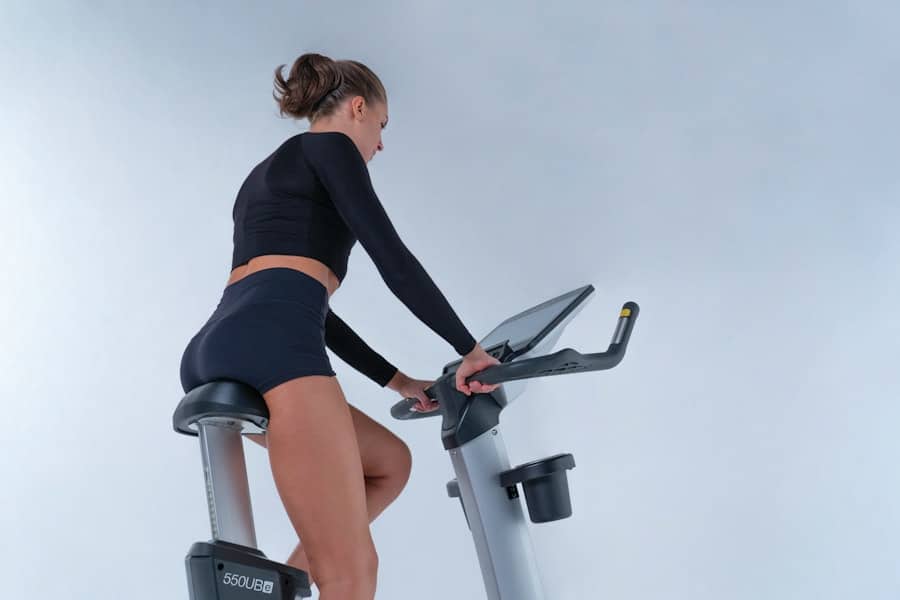
High-Intensity Interval Training (HIIT) has gained popularity for its effectiveness in burning calories and improving cardiovascular fitness in a short amount of time. If you’re looking to shed thigh fat, incorporating HIIT workouts into your routine can be a game-changer. These workouts typically involve short bursts of intense exercise followed by brief recovery periods, allowing you to maximize calorie burn even after the workout is over.
You might consider starting with simple exercises like sprinting, jumping jacks, or burpees, alternating between high-intensity efforts and rest intervals. Not only does HIIT help in burning fat, but it also boosts your metabolism, which can aid in long-term weight management. As you become more comfortable with HIIT, you can gradually increase the intensity or duration of your workouts to continue challenging yourself and promoting fat loss.
Targeting Thigh Muscles with Strength Training Exercises
While creating a calorie deficit is essential for losing fat, incorporating strength training exercises specifically targeting the thigh muscles can help tone and sculpt your legs. Exercises such as squats, lunges, and leg presses are excellent for building muscle in the thighs while also enhancing overall strength. By increasing muscle mass, you can elevate your resting metabolic rate, which means you’ll burn more calories even when at rest.
You may want to consider varying your strength training routine to keep things interesting and prevent plateaus. For instance, try incorporating resistance bands or weights into your workouts for added challenge. Additionally, focusing on proper form during these exercises is crucial; not only does this help prevent injury, but it also ensures that you’re effectively targeting the right muscle groups.
As you progress, you’ll likely notice improvements in both strength and muscle definition in your thighs.
Adding Cardiovascular Exercises to Burn Fat
In addition to strength training and HIIT workouts, incorporating cardiovascular exercises into your routine is vital for burning fat effectively. Activities such as running, cycling, swimming, or even brisk walking can elevate your heart rate and contribute to overall calorie expenditure. You might find that mixing different forms of cardio keeps your workouts fresh and enjoyable while also preventing boredom.
Aim for at least 150 minutes of moderate-intensity aerobic activity each week, or 75 minutes of vigorous-intensity activity. You can break this down into manageable sessions throughout the week. For example, consider scheduling three 30-minute sessions of moderate-intensity cardio or two 30-minute sessions of high-intensity cardio.
The key is consistency; by making cardiovascular exercise a regular part of your routine, you’ll enhance your ability to burn fat and improve your overall fitness level.
Incorporating Yoga and Pilates for Toning and Flexibility
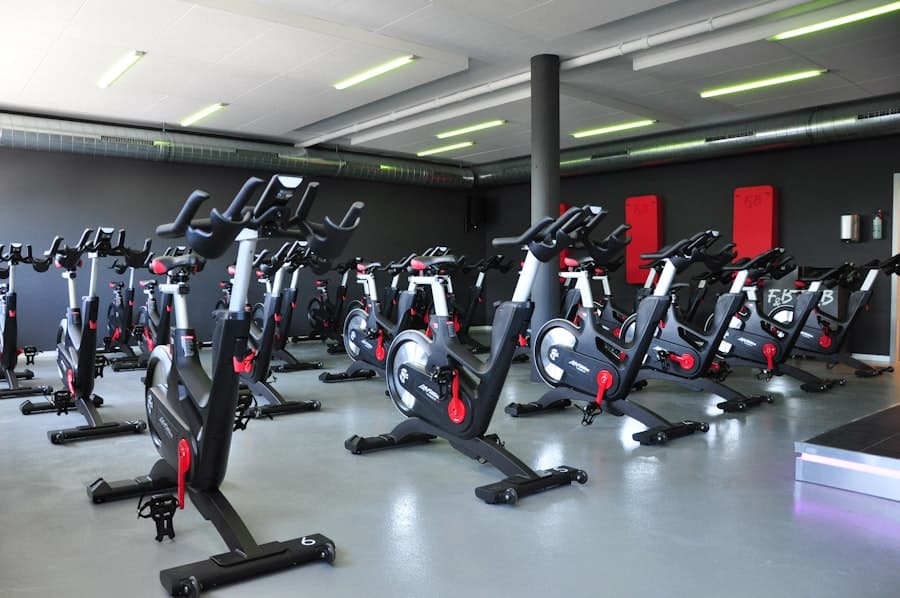
While high-intensity workouts are excellent for burning calories, incorporating practices like yoga and Pilates can provide additional benefits for toning and flexibility. These low-impact exercises focus on core strength, balance, and flexibility while also promoting mindfulness and relaxation. You may find that adding yoga or Pilates sessions to your weekly routine helps alleviate stress and improve your overall well-being.
Yoga poses such as Warrior II and Chair Pose can specifically target the thighs while enhancing flexibility and stability.
By integrating these practices into your fitness regimen, you’ll not only work on reducing thigh fat but also cultivate a sense of balance and harmony within your body.
Monitoring Progress and Making Adjustments
As you embark on your journey to reduce thigh fat, monitoring your progress is essential for staying motivated and making necessary adjustments along the way. Consider keeping track of various metrics such as weight, measurements, or how your clothes fit. However, remember that progress isn’t solely defined by numbers; improvements in strength, endurance, and overall well-being are equally important indicators of success.
This could involve adjusting your caloric intake, changing up your workout routine, or seeking additional support from fitness professionals or nutritionists. Being open to change and willing to adapt will help you stay on track toward achieving your goals.
Seeking Professional Guidance and Support
Finally, don’t hesitate to seek professional guidance if you feel overwhelmed or unsure about how to proceed on your journey to reduce thigh fat. A certified personal trainer can provide personalized workout plans tailored to your specific needs and goals while ensuring that you’re using proper form during exercises. Additionally, consulting with a registered dietitian can help you create a balanced meal plan that aligns with your calorie deficit goals.
Surrounding yourself with a supportive community can also make a significant difference in your journey. Whether it’s joining a fitness class or finding an online support group, connecting with others who share similar goals can provide motivation and encouragement when challenges arise. Remember that achieving lasting change takes time and effort; having professional guidance and support can make the process more manageable and enjoyable as you work toward reducing thigh fat and improving your overall health.
If you are looking for effective weight loss management near you, check out this article on Discover Effective Weight Loss Management Near Me. This article provides tips and resources for finding the right weight loss program or professional to help you achieve your goals. Whether you are looking to lose weight in your thighs or overall, having the right support and guidance can make a big difference in your success.
FAQs
What are some effective exercises to lose weight in the thighs?
Some effective exercises to lose weight in the thighs include squats, lunges, leg lifts, and cycling. These exercises target the muscles in the thighs and can help to reduce fat in that area.
Is spot reduction possible for losing weight in the thighs?
Spot reduction, or targeting weight loss in a specific area of the body, is not scientifically proven. To lose weight in the thighs, it is important to focus on overall weight loss through a combination of diet and exercise.
What are some dietary changes that can help in losing weight in the thighs?
Incorporating a balanced diet that is low in processed foods and high in fruits, vegetables, lean proteins, and whole grains can help in losing weight in the thighs. It is also important to watch portion sizes and limit the intake of sugary and high-fat foods.
How long does it take to see results in thigh weight loss?
The time it takes to see results in thigh weight loss varies for each individual and depends on factors such as diet, exercise, and metabolism. Generally, with a consistent and balanced approach, it may take a few weeks to start seeing noticeable changes in the thighs.
Are there any specific lifestyle changes that can aid in losing weight in the thighs?
In addition to regular exercise and a balanced diet, lifestyle changes such as staying hydrated, getting enough sleep, and managing stress can aid in losing weight in the thighs. These factors can contribute to overall health and weight loss.