As you navigate the journey of motherhood, it’s essential to recognize the profound changes your body undergoes during and after pregnancy. The postpartum body is a remarkable testament to the life you’ve nurtured, but it can also bring about feelings of confusion and frustration. You may notice that your body doesn’t look or feel the same as it did before pregnancy, and that’s completely normal.
Hormonal fluctuations, physical changes, and the demands of caring for a newborn can all contribute to how you perceive your body during this time. Your body has gone through an incredible transformation, and understanding these changes is crucial for your mental and physical well-being. You might find that your skin has changed, your weight has fluctuated, and your muscles may feel weaker or tighter than before.
It’s important to embrace these changes with compassion and patience. Acknowledging that your body has accomplished something extraordinary can help you foster a positive relationship with yourself as you embark on the journey of recovery and self-care.
Key Takeaways
- The postpartum body goes through significant changes and it’s important to be patient and kind to yourself during this time.
- Setting realistic weight loss goals is crucial to avoid putting unnecessary pressure on yourself and to ensure long-term success.
- Incorporating gentle exercise into your routine, such as walking or postnatal yoga, can help improve mood and energy levels.
- Making healthy food choices, such as including plenty of fruits, vegetables, and lean proteins, is essential for postpartum recovery and weight loss.
- Managing stress and getting enough sleep are important for overall well-being and can support weight loss efforts.
Setting realistic weight loss goals
When it comes to postpartum weight loss, setting realistic goals is key to maintaining motivation and avoiding disappointment. It’s easy to fall into the trap of comparing yourself to others or to the idealized images often portrayed in media. However, it’s crucial to remember that every woman’s body is unique, and the timeline for returning to pre-pregnancy weight can vary significantly.
Instead of focusing solely on numbers, consider setting goals that emphasize overall health and well-being. Start by assessing your current lifestyle and identifying small, achievable milestones. For instance, rather than aiming to lose a specific amount of weight within a short timeframe, you might set a goal to incorporate more fruits and vegetables into your diet or to engage in physical activity a few times a week.
These types of goals are not only more attainable but also contribute to a healthier lifestyle in the long run. By focusing on gradual progress rather than immediate results, you’ll cultivate a more sustainable approach to weight loss that aligns with your new role as a mother.
Incorporating gentle exercise into your routine
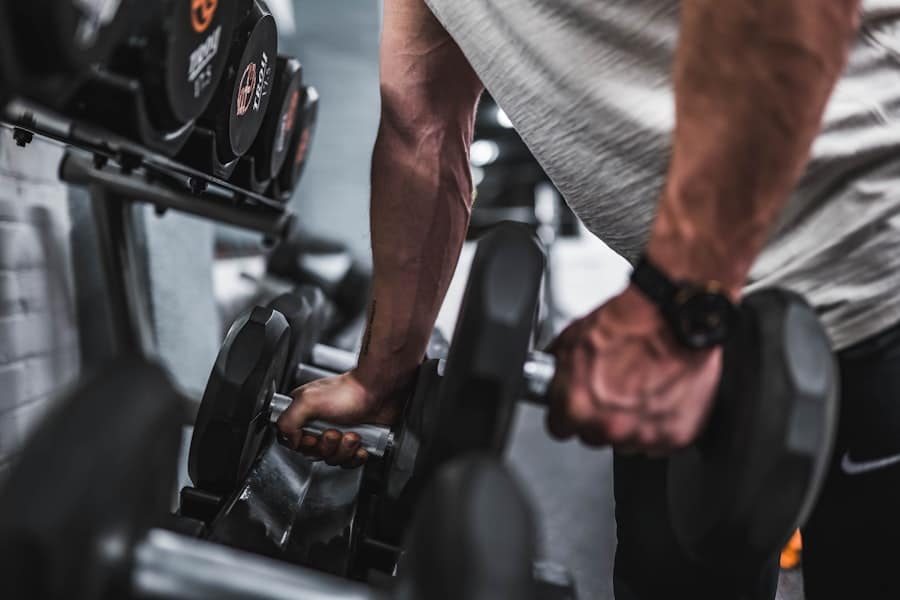
As you begin to feel more like yourself postpartum, incorporating gentle exercise into your routine can be incredibly beneficial for both your physical and mental health. Engaging in light activities such as walking, stretching, or postpartum yoga can help you regain strength and flexibility while also providing a much-needed break from the demands of motherhood. These activities can be done at your own pace and can easily fit into your busy schedule.
Consider finding ways to make exercise enjoyable and manageable. You might take your baby for a stroll in the park or join a local mom-and-baby fitness class. Not only will this allow you to bond with your little one, but it will also provide an opportunity to connect with other mothers who are navigating similar experiences.
Remember that the goal is not to push yourself too hard but rather to listen to your body and honor its needs as you gradually build up your strength and endurance.
Making healthy food choices
Nutrition plays a vital role in your postpartum recovery, and making healthy food choices can significantly impact how you feel both physically and emotionally. As you adjust to life with a newborn, it’s easy to prioritize convenience over nutrition, but taking the time to prepare wholesome meals can provide you with the energy you need to care for yourself and your baby. Focus on incorporating a variety of nutrient-dense foods into your diet, such as whole grains, lean proteins, fruits, and vegetables.
Meal planning can be an effective strategy for ensuring that you have healthy options readily available. Consider preparing meals in advance or batch-cooking on weekends so that you have nutritious choices throughout the week. Additionally, don’t hesitate to ask for help from family or friends who may be willing to lend a hand in the kitchen.
Remember that nourishing your body is not just about weight loss; it’s about fueling yourself for the demanding yet rewarding journey of motherhood.
Managing stress and getting enough sleep
The postpartum period can be overwhelming, filled with new responsibilities and emotional challenges. Managing stress is crucial for your overall well-being during this time. Finding effective coping strategies can help you navigate the ups and downs of motherhood while also promoting a healthier mindset.
Consider incorporating mindfulness practices such as meditation or deep breathing exercises into your daily routine. These techniques can help ground you in the present moment and alleviate feelings of anxiety. Sleep is another critical component of postpartum recovery that often gets overlooked.
With a newborn’s unpredictable sleep patterns, it can be challenging to prioritize rest.
Whenever possible, try to nap when your baby sleeps or enlist the support of your partner or family members to allow for uninterrupted rest periods.
Remember that taking care of yourself is not selfish; it’s necessary for being the best mother you can be.
Seeking professional guidance if needed
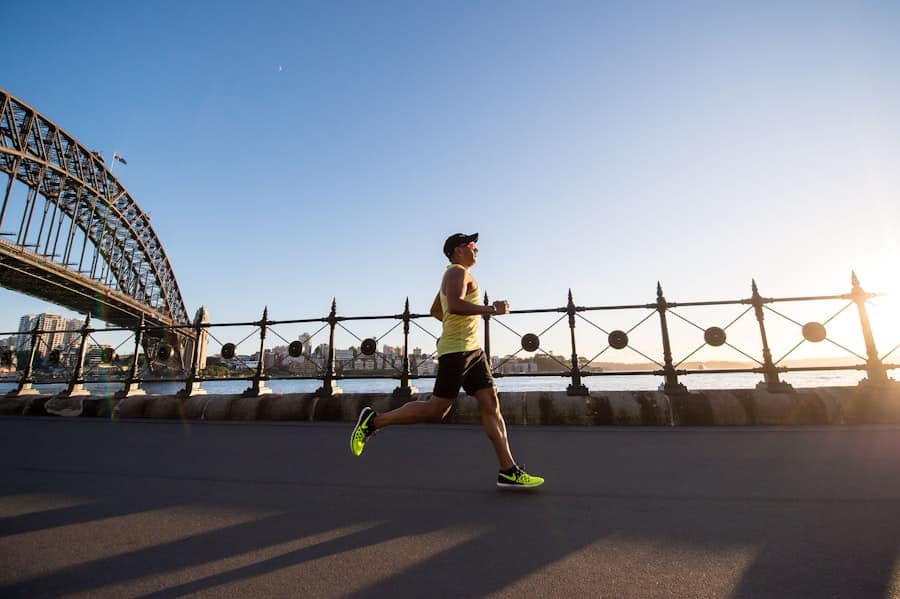
While many women find their way through postpartum recovery on their own, there’s no shame in seeking professional guidance if you feel overwhelmed or uncertain about your journey. Healthcare providers, nutritionists, or personal trainers specializing in postpartum care can offer valuable insights tailored to your unique needs. They can help you develop a personalized plan that addresses both physical recovery and emotional well-being.
If you’re experiencing persistent feelings of sadness or anxiety, consider reaching out to a mental health professional who specializes in postpartum issues. They can provide support and coping strategies that empower you during this transitional phase of life. Remember that asking for help is a sign of strength, not weakness; it demonstrates your commitment to prioritizing your health and well-being as you navigate motherhood.
Staying patient and persistent
Patience is perhaps one of the most important virtues you’ll need as you embark on your postpartum journey.
It’s essential to remind yourself that progress may not always be linear; there will be good days and challenging ones along the way.
Embracing this reality can help you cultivate resilience as you work toward your goals. Persistence is equally important in this process. There may be moments when you feel discouraged or tempted to give up on your efforts toward health and wellness.
During these times, remind yourself of why you started this journey in the first place: for yourself, for your baby, and for the life you envision moving forward. Celebrate each small step forward, whether it’s choosing a healthy meal or completing a workout session, as these moments contribute to your overall progress.
Celebrating small victories and staying motivated
As you navigate the complexities of postpartum recovery, it’s vital to celebrate small victories along the way. Each achievement—no matter how minor—deserves recognition because it signifies progress on your journey toward health and wellness. Whether it’s fitting into an old pair of jeans or simply feeling more energetic after a week of healthy eating, acknowledging these moments can boost your motivation and reinforce positive habits.
Staying motivated can sometimes be challenging amidst the demands of motherhood, but finding ways to keep your spirits high is essential. Consider creating a vision board filled with images and quotes that inspire you or joining online communities where other mothers share their experiences and successes. Surrounding yourself with positivity can help remind you that you’re not alone in this journey and that every step forward is worth celebrating as you embrace this new chapter of life with confidence and joy.
If you are looking to lose weight fast after a C-section, you may want to consider incorporating some gym machines into your workout routine. According to a recent article on here, can help you track your progress and set realistic goals. And if you are considering using weight loss pills, it’s important to do your research and consult with a healthcare professional, as outlined in the article on how-to-loseweightfast.com.
FAQs
What is a C-Section?
A C-section, or cesarean section, is a surgical procedure in which a baby is delivered through an incision in the mother’s abdomen and uterus.
Is it safe to try to lose weight fast after a C-Section?
It is important to consult with a healthcare professional before attempting to lose weight quickly after a C-section. Rapid weight loss can affect the body’s ability to heal properly after surgery and may also impact milk supply for breastfeeding mothers.
How soon can I start trying to lose weight after a C-Section?
It is generally recommended to wait until the postpartum check-up, which usually occurs around 6 weeks after a C-section, before starting any weight loss efforts. This allows the body time to heal and recover from the surgery.
What are some safe ways to lose weight after a C-Section?
Safe ways to lose weight after a C-section include eating a balanced diet, staying hydrated, engaging in gentle exercise, and getting enough rest. It is important to focus on gradual and sustainable weight loss rather than rapid or extreme methods.
Are there any specific exercises that can help with weight loss after a C-Section?
Exercises such as walking, pelvic tilts, and gentle abdominal exercises can help strengthen the core muscles and aid in weight loss after a C-section. It is important to start slowly and gradually increase intensity as the body heals.
What are some dietary considerations for weight loss after a C-Section?
Eating a balanced diet that includes plenty of fruits, vegetables, lean proteins, and whole grains can support weight loss after a C-section. It is important to avoid crash diets or extreme restrictions, as these can negatively impact healing and overall health.