Gastric sleeve surgery, also known as sleeve gastrectomy, is a popular weight-loss procedure that has gained traction in recent years. If you are considering this option, it’s essential to understand what the surgery entails. During the procedure, a significant portion of your stomach is removed, leaving behind a tube-like structure that resembles a banana or sleeve.
This reduction in stomach size limits the amount of food you can consume at one time, which can lead to substantial weight loss. The surgery is typically performed laparoscopically, meaning it involves smaller incisions and generally results in quicker recovery times compared to traditional open surgery. The primary goal of gastric sleeve surgery is to help individuals who struggle with obesity achieve a healthier weight and improve their overall quality of life.
By reducing the stomach’s capacity, the surgery not only restricts food intake but also alters hormonal signals related to hunger and satiety. This dual effect can significantly change your relationship with food, making it easier to adhere to a healthier lifestyle post-surgery. However, it’s crucial to recognize that this procedure is not a quick fix; it requires commitment and lifestyle changes to achieve lasting results.
Key Takeaways
- Gastric sleeve surgery involves reducing the size of the stomach to promote weight loss.
- On average, patients can expect to lose 60-70% of their excess body weight within the first year after surgery.
- Factors such as age, starting weight, and adherence to post-surgery guidelines can affect weight loss outcomes.
- Following a healthy diet and regular exercise are crucial for long-term success after gastric sleeve surgery.
- Potential risks and complications of the surgery include infection, blood clots, and vitamin deficiencies.
Average Weight Loss Expectations
When contemplating gastric sleeve surgery, you may wonder about the average weight loss you can expect after the procedure. Generally, patients can anticipate losing between 50% to 70% of their excess weight within the first year following surgery. This means that if you have 100 pounds to lose, you could potentially shed 50 to 70 pounds in that timeframe.
However, individual results can vary widely based on several factors, including your starting weight, adherence to post-operative guidelines, and overall health. It’s important to set realistic expectations for your weight loss journey. While many people experience significant initial weight loss, the rate may slow down after the first year.
You might find that your body reaches a plateau as it adjusts to the new lifestyle and dietary changes. Understanding this can help you maintain motivation and focus on long-term health rather than just the numbers on the scale. Remember, the goal is not only to lose weight but also to develop sustainable habits that promote overall well-being.
Factors Affecting Weight Loss
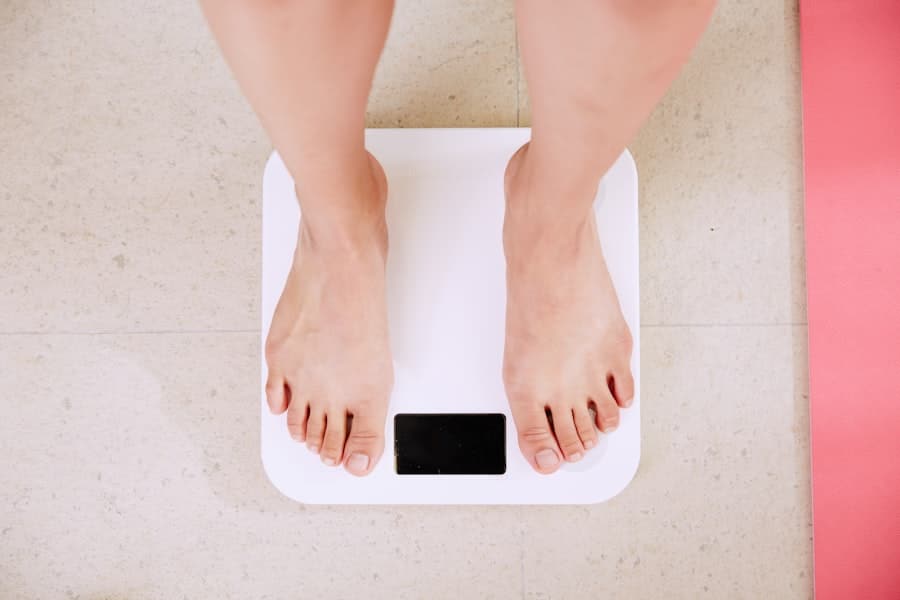
Several factors can influence your weight loss journey after gastric sleeve surgery. One of the most significant factors is your adherence to dietary guidelines provided by your healthcare team. After surgery, you will need to follow a specific diet that gradually progresses from liquids to soft foods and eventually to solid foods.
Sticking to these guidelines is crucial for maximizing weight loss and ensuring your body receives the necessary nutrients. Another important factor is your level of physical activity. Incorporating regular exercise into your routine can enhance your weight loss results and improve your overall health.
Engaging in both cardiovascular and strength-training exercises can help you build muscle mass, which in turn boosts your metabolism. Additionally, psychological factors such as motivation, support systems, and emotional well-being play a vital role in your ability to maintain healthy habits post-surgery. Surrounding yourself with supportive friends and family can make a significant difference in your journey.
Importance of Diet and Exercise
After undergoing gastric sleeve surgery, the importance of diet and exercise cannot be overstated. Your new stomach size will limit how much you can eat at one time, but it’s essential to focus on the quality of the food you consume. A balanced diet rich in protein, vitamins, and minerals will not only aid in weight loss but also support your overall health.
You may need to work closely with a nutritionist to develop a meal plan that meets your specific needs and helps you avoid nutritional deficiencies. In addition to dietary changes, incorporating regular physical activity into your routine is crucial for long-term success. Exercise helps burn calories, builds muscle, and improves cardiovascular health.
It can also enhance your mood and reduce stress levels, which are important factors in maintaining a healthy lifestyle. Aim for a combination of aerobic exercises, such as walking or cycling, and strength training exercises at least a few times a week. Finding activities you enjoy will make it easier to stay committed to an active lifestyle.
Potential Risks and Complications
Like any surgical procedure, gastric sleeve surgery carries potential risks and complications that you should be aware of before making a decision. Some common risks include infection, bleeding, and adverse reactions to anesthesia. Additionally, there are specific complications related to the surgery itself, such as leaks from the staple line or strictures that can cause blockages in the digestive tract.
While these risks may sound concerning, it’s important to remember that many patients undergo this procedure without experiencing significant complications. Your healthcare team will conduct thorough evaluations before surgery to ensure you are a suitable candidate and minimize potential risks. Open communication with your surgeon about any concerns or pre-existing conditions can help you make an informed decision about whether gastric sleeve surgery is right for you.
Long-Term Success and Maintenance
Achieving long-term success after gastric sleeve surgery requires ongoing commitment and lifestyle changes. While many individuals experience significant weight loss in the first year, maintaining that weight loss over time can be challenging. It’s essential to continue following dietary guidelines and engaging in regular physical activity even after reaching your goal weight.
Developing healthy habits early on will set the foundation for long-term success. Regular follow-up appointments with your healthcare team are also crucial for monitoring your progress and addressing any concerns that may arise. These check-ins provide an opportunity for you to discuss any challenges you face and receive guidance on how to overcome them.
Additionally, participating in support groups or connecting with others who have undergone similar procedures can provide motivation and encouragement as you navigate your weight loss journey.
Psychological and Emotional Impact
The psychological and emotional impact of gastric sleeve surgery is an often-overlooked aspect of the journey. While many individuals experience positive changes in their physical health, they may also face emotional challenges as they adjust to their new bodies and lifestyles. It’s common to experience feelings of anxiety or depression during this transition period, especially if food has been a source of comfort or coping in the past.
Recognizing these emotional challenges is essential for maintaining overall well-being post-surgery. Seeking support from mental health professionals or joining support groups can provide valuable resources for coping with these feelings. Additionally, developing healthy coping mechanisms—such as journaling, meditation, or engaging in hobbies—can help you navigate the emotional ups and downs that may arise during your weight loss journey.
Consultation and Decision-Making Process
Before undergoing gastric sleeve surgery, it’s crucial to engage in a thorough consultation process with your healthcare team. This initial meeting will allow you to discuss your medical history, weight loss goals, and any concerns you may have about the procedure. Your surgeon will evaluate whether you are a suitable candidate for surgery based on various factors such as your body mass index (BMI), overall health status, and previous weight loss attempts.
The decision-making process should not be rushed; take the time to gather information and weigh the pros and cons of the surgery. Consider seeking second opinions or talking with individuals who have undergone the procedure to gain insight into their experiences. Ultimately, making an informed decision will empower you as you embark on this transformative journey toward better health and well-being.
Remember that gastric sleeve surgery is just one tool in your weight loss arsenal; your commitment to lifestyle changes will play a significant role in achieving lasting success.
If you are interested in exploring the psychology behind sustainable eating habits, you may want to check out the article The Psychology of Sustainable Eating. Understanding the mental aspects of weight loss can be just as important as the physical changes that come with procedures like gastric sleeve surgery. Developing a healthy relationship with food and maintaining a positive mindset are key components to achieving long-term success in your weight loss journey.
FAQs
What is gastric sleeve surgery?
Gastric sleeve surgery, also known as sleeve gastrectomy, is a surgical weight-loss procedure in which a large portion of the stomach is removed, resulting in a smaller, sleeve-shaped stomach.
How much weight can be lost with gastric sleeve surgery?
On average, patients can expect to lose 60-70% of their excess body weight within the first 12-18 months after gastric sleeve surgery.
What factors can affect weight loss after gastric sleeve surgery?
Factors such as adherence to post-surgery dietary and exercise guidelines, individual metabolism, and overall health can affect the amount of weight lost after gastric sleeve surgery.
What are the potential risks and complications of gastric sleeve surgery?
Potential risks and complications of gastric sleeve surgery include infection, blood clots, leaks from the surgical site, and nutritional deficiencies. It’s important for patients to discuss these risks with their healthcare provider before undergoing the procedure.
Is gastric sleeve surgery a permanent solution for weight loss?
Gastric sleeve surgery is considered a permanent procedure, as the portion of the stomach that is removed does not grow back. However, it is important for patients to maintain a healthy lifestyle and follow their healthcare provider’s recommendations to ensure long-term success.