The concept of the target heart rate zone is pivotal for anyone looking to optimize their cardiovascular fitness and overall health. This zone represents a specific range of heart rates that is considered ideal for achieving maximum benefits from aerobic exercise. Typically expressed as a percentage of your maximum heart rate, this zone is where your body can efficiently burn fat, improve endurance, and enhance cardiovascular health.
Understanding this concept is crucial because exercising outside of this range can lead to suboptimal results or even potential health risks. For instance, working out at too low an intensity may not provide sufficient stimulus for improvement, while excessively high intensities can lead to fatigue or injury. To grasp the significance of the target heart rate zone, one must first appreciate how the heart functions during physical activity.
As you engage in exercise, your heart rate increases to supply more oxygen-rich blood to your muscles. The target heart rate zone typically falls between 50% to 85% of your maximum heart rate, which varies based on age and fitness level. This range is not merely a guideline; it serves as a benchmark for gauging exercise intensity.
By staying within this zone, individuals can ensure they are working hard enough to reap the benefits of their workouts without overexerting themselves. Thus, understanding the target heart rate zone is essential for anyone serious about improving their fitness and health.
Key Takeaways
- Understanding the Target Heart Rate Zone:
- The target heart rate zone is the range of heartbeats per minute that is ideal for maximizing the benefits of exercise.
- Calculating Your Target Heart Rate Zone:
- To calculate your target heart rate zone, subtract your age from 220 to find your maximum heart rate, then multiply that number by 0.6 and 0.8 to find the lower and upper limits of your target heart rate zone.
- Benefits of Exercising in Your Target Heart Rate Zone:
- Exercising in your target heart rate zone can improve cardiovascular health, increase endurance, and burn more calories.
- Tips for Reaching and Maintaining Your Target Heart Rate Zone:
- Engage in activities such as brisk walking, cycling, or swimming to reach and maintain your target heart rate zone. Use a heart rate monitor to track your heart rate during exercise.
- Monitoring Your Heart Rate During Exercise:
- Use a heart rate monitor or check your pulse regularly during exercise to ensure you are staying within your target heart rate zone.
- Adjusting Your Exercise Routine to Stay in Your Target Heart Rate Zone:
- Increase or decrease the intensity of your workout to stay within your target heart rate zone. Incorporate interval training to challenge your heart and improve fitness.
- Consultation with a Fitness Professional for Target Heart Rate Zone Optimization:
- Consult with a fitness professional to create a personalized exercise plan that optimizes your target heart rate zone for maximum results.
Calculating Your Target Heart Rate Zone
Understanding Your Target Heart Rate Zone
Calculating your target heart rate zone is a straightforward process that can empower you to tailor your workouts effectively. The first step involves determining your maximum heart rate, which can be estimated using the formula: 220 minus your age. For example, if you are 30 years old, your estimated maximum heart rate would be 190 beats per minute (bpm).
Calculating Your Target Heart Rate Zone
Once you have this figure, you can calculate your target heart rate zone by applying the percentages that define moderate and vigorous intensity levels. For moderate exercise, aim for 50% to 70% of your maximum heart rate, while vigorous exercise should fall between 70% and 85%. To illustrate this further, let’s consider our 30-year-old individual with a maximum heart rate of 190 bpm.
Applying the Calculations to Your Workout
For moderate intensity, the target heart rate zone would range from 95 bpm (50% of 190) to 133 bpm (70% of 190). For vigorous intensity, the range would extend from 133 bpm to 162 bpm (85% of 190). This calculation not only provides a clear framework for structuring workouts but also allows individuals to monitor their progress over time.
Monitoring Progress and Improving Fitness Levels
As fitness levels improve, one may find that they can sustain higher intensities within their target heart rate zone, indicating enhanced cardiovascular efficiency and endurance.
Benefits of Exercising in Your Target Heart Rate Zone
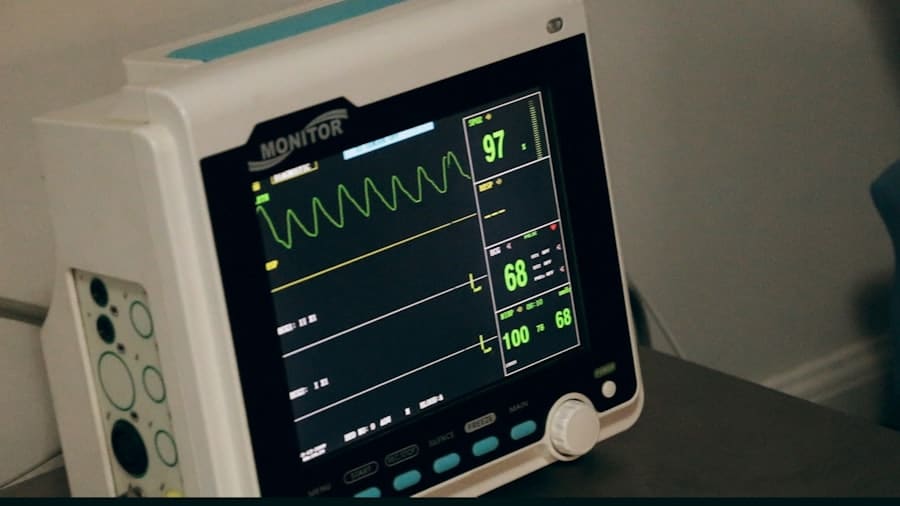
Exercising within your target heart rate zone offers a multitude of benefits that extend beyond mere calorie burning. One of the primary advantages is improved cardiovascular health. When you consistently work out within this optimal range, your heart becomes more efficient at pumping blood, which can lead to lower resting heart rates and reduced blood pressure over time.
This physiological adaptation not only enhances overall heart function but also decreases the risk of cardiovascular diseases such as hypertension and coronary artery disease. Furthermore, regular engagement in this zone promotes better circulation and oxygen delivery throughout the body, which is essential for overall health. In addition to cardiovascular benefits, exercising in your target heart rate zone can significantly enhance your metabolic efficiency.
When you maintain an elevated heart rate during workouts, your body shifts from burning primarily carbohydrates to utilizing fat as a fuel source. This shift is particularly beneficial for those looking to lose weight or maintain a healthy body composition. Moreover, workouts conducted within this zone can lead to improved endurance and stamina, allowing individuals to perform daily activities with greater ease and less fatigue.
The cumulative effect of these benefits contributes not only to physical well-being but also to mental health, as regular exercise has been shown to reduce symptoms of anxiety and depression while boosting overall mood.
Tips for Reaching and Maintaining Your Target Heart Rate Zone
| Activity | Intensity Level | Heart Rate Range |
|---|---|---|
| Walking | Low | 50-70% of max heart rate |
| Jogging/Running | Moderate to High | 70-85% of max heart rate |
| Cycling | Moderate | 60-80% of max heart rate |
| Swimming | Moderate to High | 70-85% of max heart rate |
| Dancing | Moderate | 60-80% of max heart rate |
Achieving and maintaining your target heart rate zone during exercise requires a combination of strategy and awareness. One effective approach is to incorporate interval training into your routine. This method alternates periods of high-intensity effort with lower-intensity recovery phases, allowing you to push your heart rate into the desired zone while also providing necessary rest intervals.
For instance, during a running session, you might sprint for one minute followed by two minutes of walking or jogging. This not only keeps your workout engaging but also maximizes the time spent in your target heart rate zone. Another crucial tip is to pay attention to your body’s signals and adjust your workout intensity accordingly.
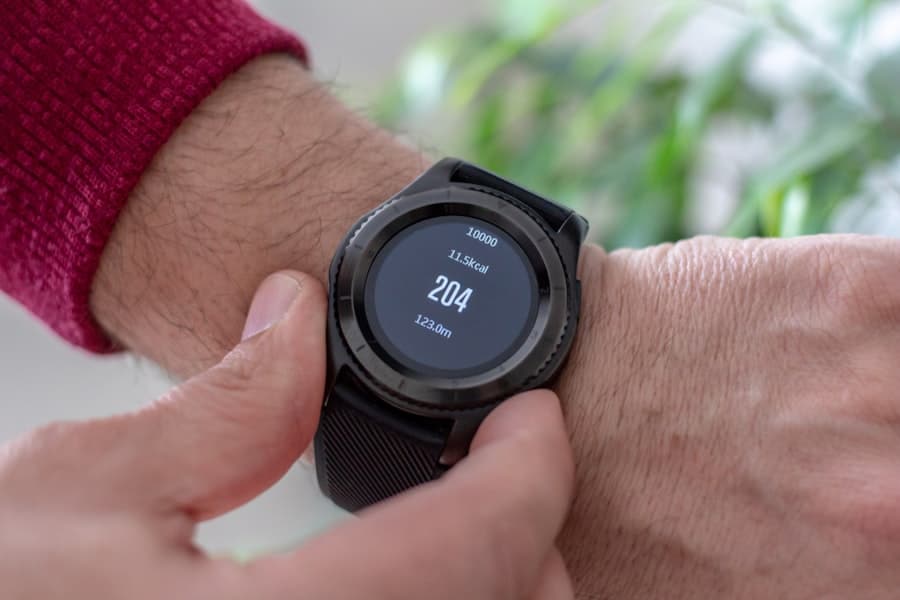
Utilizing tools such as heart rate monitors or fitness trackers can provide real-time feedback on your heart rate, helping you stay within the desired range. Additionally, being mindful of how you feel during exercise can guide you in making necessary adjustments; if you find yourself struggling to maintain a conversation or feeling excessively fatigued, it may be an indication that you need to dial back the intensity. Conversely, if you feel capable of pushing harder without compromising form or safety, consider increasing your effort to reach the upper limits of your target heart rate zone.
Monitoring Your Heart Rate During Exercise
Monitoring your heart rate during exercise is an essential practice for anyone aiming to optimize their workouts and achieve specific fitness goals. Various methods exist for tracking heart rate, ranging from manual pulse checks to advanced wearable technology like smartwatches and chest strap monitors. Each method has its advantages; for instance, manual checks are cost-effective and straightforward but may not provide real-time data during high-intensity workouts.
In contrast, wearable devices offer continuous monitoring and can alert users when they enter or exit their target heart rate zones, making them invaluable tools for serious athletes and fitness enthusiasts alike. Incorporating regular heart rate monitoring into your exercise routine not only helps ensure that you are working within your target zone but also allows for more informed decision-making regarding workout intensity and duration. By analyzing trends in your heart rate data over time, you can gain insights into your cardiovascular fitness levels and make necessary adjustments to your training regimen.
For example, if you notice that it takes longer than usual for your heart rate to return to baseline after a workout, it may indicate that you need to incorporate more recovery days or adjust the intensity of your sessions. Ultimately, consistent monitoring fosters a deeper understanding of how your body responds to exercise and empowers you to make choices that align with your fitness objectives.
Adjusting Your Exercise Routine to Stay in Your Target Heart Rate Zone
As fitness levels evolve and personal goals shift, it becomes essential to adjust your exercise routine to remain within your target heart rate zone effectively. One way to achieve this is by varying the types of exercises you engage in. For instance, if you typically run at a steady pace but find that it no longer elevates your heart rate sufficiently, consider incorporating different forms of cardio such as cycling or swimming.
These activities can provide new challenges for your cardiovascular system and help maintain engagement while ensuring that you continue to work within the desired intensity range. Additionally, modifying the duration and frequency of workouts can also play a significant role in staying within your target heart rate zone. If you find that longer sessions lead to fatigue or decreased performance, consider shorter but more intense workouts that allow you to reach higher heart rates in a shorter time frame.
High-Intensity Interval Training (HIIT) is an excellent example of this approach; it combines short bursts of intense activity with brief recovery periods, effectively elevating the heart rate while minimizing overall workout time. By being flexible with your routine and open to experimentation, you can continually challenge yourself while ensuring that you remain within the optimal range for cardiovascular benefits.
Consultation with a Fitness Professional for Target Heart Rate Zone Optimization
Consulting with a fitness professional can be an invaluable step toward optimizing your exercise routine around your target heart rate zone. Personal trainers or exercise physiologists possess specialized knowledge about cardiovascular training and can provide tailored guidance based on individual fitness levels and goals. They can help assess your current fitness status through various tests and measurements, including determining your maximum heart rate more accurately than standard formulas might allow.
This personalized approach ensures that the target heart rate zones established are both realistic and effective for achieving desired outcomes. Moreover, working with a fitness professional offers ongoing support and accountability as you navigate your fitness journey. They can assist in designing a comprehensive workout plan that incorporates various modalities while keeping you engaged and motivated.
Additionally, they can teach proper techniques for monitoring heart rates during exercise and help troubleshoot any challenges you may encounter along the way. Ultimately, enlisting the expertise of a fitness professional not only enhances the effectiveness of your training but also fosters a deeper understanding of how to work within your target heart rate zone for long-term success in achieving health and fitness goals.
If you’re looking to optimize your workout for fat burning, understanding your target heart rate is crucial. A related article that might interest you discusses the best machines in the gym for weight loss, which can help you choose the right equipment to use once you know your target heart rate zone. You can read more about it and how to effectively use gym machines to maximize fat loss by visiting this link: Best Machine in the Gym for Weight Loss. This guide will help you make informed decisions about your workout routines.
FAQs
What is target heart rate for fat burning?
Target heart rate for fat burning is the range of heartbeats per minute that is believed to be most effective for burning fat. It is often used as a guide for individuals looking to optimize their workouts for fat loss.
How is target heart rate for fat burning calculated?
The target heart rate for fat burning is typically calculated using a formula based on a person’s age and resting heart rate. One common formula is the Karvonen method, which takes into account resting heart rate to determine target heart rate zones.
What is the ideal target heart rate for fat burning?
The ideal target heart rate for fat burning is generally considered to be around 70-85% of your maximum heart rate. This range is believed to be the most effective for burning fat during exercise.
Is target heart rate for fat burning the same for everyone?
No, the target heart rate for fat burning can vary from person to person based on factors such as age, fitness level, and overall health. It is important for individuals to consult with a healthcare professional or fitness expert to determine their specific target heart rate range.
What are the benefits of exercising within the target heart rate for fat burning?
Exercising within the target heart rate for fat burning is believed to help the body utilize fat as a primary energy source, leading to potential fat loss and improved body composition. It can also improve cardiovascular fitness and overall health.
Can exercising above the target heart rate for fat burning still be beneficial?
Exercising above the target heart rate for fat burning can still be beneficial for overall fitness and calorie burning. High-intensity exercise can lead to increased calorie expenditure and improved cardiovascular fitness, even if the primary energy source shifts from fat to carbohydrates.