Welcome to the world of intermittent fasting with the 48 Hour Fast! This article will explain the benefits of fasting for 48 hours straight, including improved mental clarity, weight loss, and overall health. You’ll learn how to properly prepare for and break your fast, as well as tips for staying hydrated and energized during this extended period without food. So grab a glass of water and get ready to embark on this journey towards a healthier you with the 48 Hour Fast! Have you ever considered trying a 48-hour fast? Let’s dive into the ins and outs of this popular fasting method and explore the benefits and challenges you may encounter along the way.
What is a 48-Hour Fast?
A 48-hour fast involves abstaining from food and calorie-containing beverages for a full two-day period. It can be done for a variety of reasons, including weight loss, enhancing overall health, and promoting mental clarity and focus. During a 48-hour fast, your body shifts from using glucose as its primary source of energy to burning stored fats for fuel.
Is a 48-Hour Fast Safe?
When done correctly, a 48-hour fast can be perfectly safe for most individuals. It is essential to listen to your body and seek medical advice before attempting an extended fast, especially if you have underlying health conditions. It’s crucial to stay hydrated and ensure you are consuming essential electrolytes during the fast to prevent dehydration and maintain proper bodily functions.
Benefits of a 48-Hour Fast
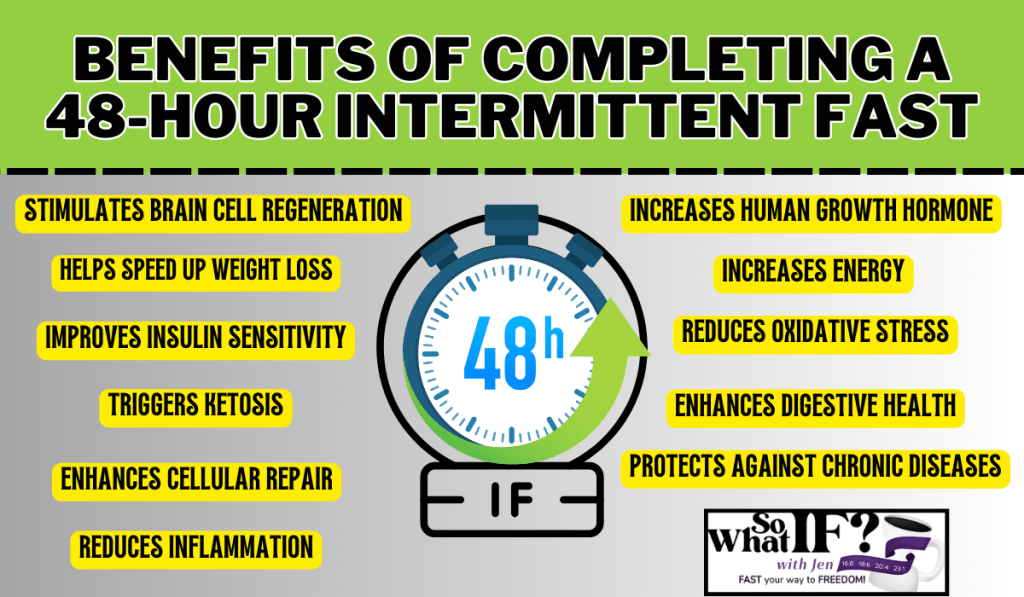
Fasting for 48 hours can offer a range of benefits, both physically and mentally. Some potential benefits of a 48-hour fast include:
- Weight loss: By restricting caloric intake for an extended period, the body turns to its fat stores for energy, leading to weight loss.
- Improved insulin sensitivity: Fasting can help regulate blood sugar levels and improve insulin sensitivity, reducing the risk of type 2 diabetes.
- Cellular repair: During fasting, the body initiates a process called autophagy, where it removes damaged cells and regenerates new ones, promoting overall cellular health.
- Mental clarity: Many individuals report feeling more focused and mentally sharp during a fast, as the body produces ketones, a byproduct of fat metabolism that can fuel the brain.
- Enhanced detoxification: Fasting allows the body to naturally detoxify by eliminating toxins and waste products accumulated in the body.
How to Prepare for a 48-Hour Fast
Before embarking on a 48-hour fast, it is crucial to prepare your body to minimize potential side effects and maximize the benefits of fasting. Here are some tips to help you prepare for a successful 48-hour fast:
- Start with shorter fasts: If you are new to fasting, consider starting with shorter fasting windows, such as 16:8 or 20:4 intermittent fasting, to acclimate your body to fasting.
- Stay hydrated: Drink plenty of water leading up to your fast to ensure you are adequately hydrated. Dehydration can exacerbate the side effects of fasting.
- Eat a balanced diet: Focus on consuming nutrient-dense foods in the days leading up to your fast to ensure your body has the necessary vitamins and minerals for optimal function.
- Manage stress: High levels of stress can impact your body’s ability to adapt to fasting. Practice stress-reducing techniques such as meditation, deep breathing, or yoga.
- Consult with a healthcare professional: If you have any medical conditions or concerns, it is essential to consult with a healthcare professional before starting a 48-hour fast to ensure it is safe for you.
What to Expect During a 48-Hour Fast
Embarking on a 48-hour fast can be a challenging experience, both physically and mentally. Here are some common side effects and tips to help you navigate through a 48-hour fast:
- Hunger pangs: It is normal to experience hunger pangs during a fast, especially in the first 24 hours. Drink herbal tea, black coffee, or sparkling water to help curb hunger.
- Fatigue: Your energy levels may dip during a fast as your body adjusts to using stored fat for fuel. Take it easy and listen to your body’s cues to rest when needed.
- Mental fog: Some individuals may experience brain fog or difficulty concentrating, especially during the initial stages of a fast. Stay hydrated and prioritize quality sleep to help alleviate mental fog.
- Headaches: Dehydration or fluctuations in blood sugar levels can trigger headaches during a fast. Ensure you are drinking enough water and consuming electrolytes to prevent headaches.
- Irritability: Fasting can impact your mood and emotions, leading to irritability or mood swings. Practice self-care, such as journaling, mindfulness, or going for a walk, to manage stress and emotions during a fast.
Breaking Your 48-Hour Fast
Breaking your 48-hour fast is just as crucial as the fast itself to ensure a smooth transition back to eating. Here are some guidelines to help you break your fast safely and effectively:
- Start slowly: Begin by consuming small, easily digestible foods, such as bone broth, steamed vegetables, or a small salad. Avoid heavy or processed foods that may cause digestive upset.
- Include protein and healthy fats: Incorporate protein-rich foods, such as lean meats, fish, eggs, or legumes, along with healthy fats like avocado, nuts, and seeds to nourish your body post-fast.
- Hydrate: Drink plenty of water and herbal teas to rehydrate your body after a fast. Avoid sugary beverages or alcohol, which can disrupt your body’s hydration levels.
- Listen to your body: Pay attention to how different foods make you feel after breaking your fast. Gradually reintroduce foods back into your diet and note any reactions or sensitivities.

48-Hour Fast vs. Other Fasting Methods
There are various fasting methods to choose from, each with its unique benefits and considerations. Here’s how a 48-hour fast compares to other popular fasting methods:
- Intermittent fasting: Involves cycling between periods of eating and fasting, such as 16:8, 20:4, or alternate-day fasting. Intermittent fasting is more flexible and easier to incorporate into daily life compared to a 48-hour fast.
- One meal a day (OMAD): OMAD involves consuming all your daily calories within a one-hour window, typically during dinner. It can be challenging to meet nutrient needs with only one meal a day, compared to a 48-hour fast.
- Extended fasts: Extended fasts typically last longer than 48 hours, ranging from 3 days to several weeks. Extended fasts can be more challenging to sustain and may require medical supervision for safety.
How Often Should You Do a 48-Hour Fast?
The frequency of a 48-hour fast depends on your individual goals, health status, and lifestyle. It is essential to listen to your body and adjust your fasting regimen accordingly. Here are some considerations to keep in mind when determining how often to do a 48-hour fast:
- Weight loss: If your primary goal is weight loss, you may benefit from incorporating a 48-hour fast once or twice a month to kickstart fat loss and maintain metabolic health.
- Health benefits: For general health benefits, such as improved insulin sensitivity and cellular repair, a 48-hour fast every 4-6 weeks may be sufficient to reap the benefits of fasting.
- Lifestyle factors: Consider your schedule, stress levels, and overall well-being when deciding how often to do a 48-hour fast. It’s important to prioritize consistency and sustainability in your fasting routine.

A 48-hour fast can be a powerful tool for weight loss, improved health, mental clarity, and overall well-being. By following proper preparation, guidance, and breaking your fast thoughtfully, you can experience the benefits of a 48-hour fast safely and effectively. Remember to listen to your body, seek medical advice when needed, and approach fasting with a balanced and mindful mindset. Happy fasting!
Related Topics About 48 Hour Fast
48 H Of Fasting,
48 Hour Fast After Binge,
48 Hour Fast And Still Not In Ketosis,
48 Hour Fast And Working Out,
48 Hour Fast Calculator,
48 Hour Fast Calories Burned,
48 Hour Fast Carnivore Diet,
48 Hour Fast Challenge,
48 Hour Fast Every Other Day,
48 Hour Fast Every Other Week,
48 Hour Fast Every Weekend,
48 Hour Fast Exercise,
48 Hour Fast How Often,
48 Hour Fast Instructions,
48 Hour Fast On Period,
48 Hour Fast One Meal A Day,
48 Hour Fast Side Effects,
48 Hour Fast Weight Loss,
48 Hours Of Fasting Benefits,
Is 48 Hour Fast Long Enough