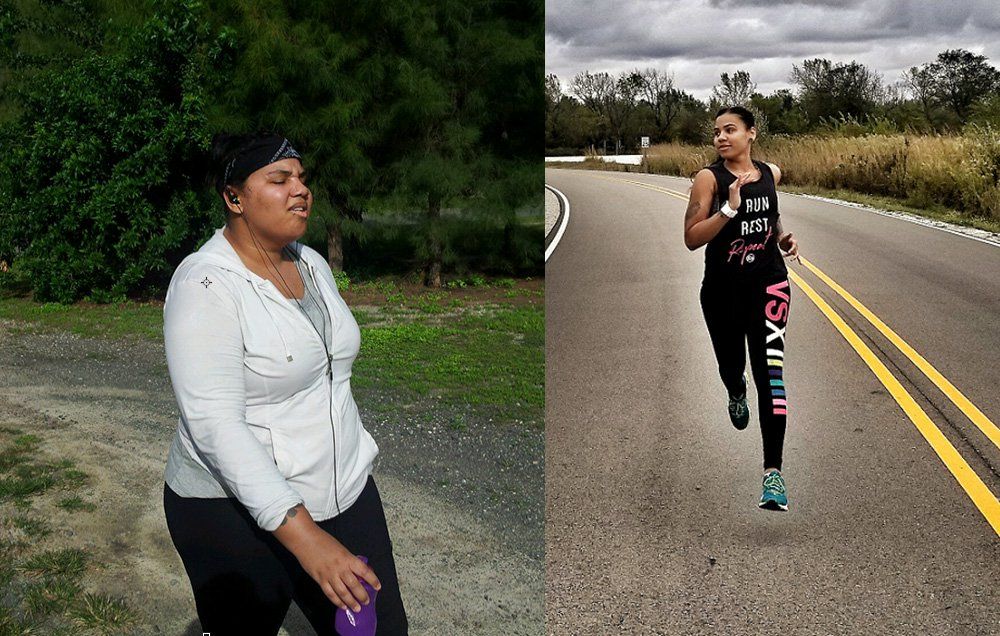
Losing weight can sometimes feel like an uphill battle, but with numerous workout options available, it can be challenging to determine the most effective approach. While many people turn to running as a means to shed those unwanted pounds, the question arises: is running truly the best way to lose weight? With its ability to burn calories and promote cardiovascular health, running certainly has its merits. However, before lacing up your sneakers and hitting the pavement, it’s essential to explore all aspects of this popular exercise and consider whether it aligns with your weight loss goals.

Benefits of Running for Weight Loss
Burns Calories
Running is a highly effective way to burn calories and shed excess pounds. When you run, your body utilizes a significant amount of energy, leading to increased calorie expenditure. This calorie-burning effect helps create the calorie deficit needed for weight loss. In fact, running can burn up to 600 calories per hour, depending on factors such as your weight, intensity, and duration of the run.
Boosts Metabolism
Regular running can also boost your metabolism, allowing you to burn more calories throughout the day. As you engage in this aerobic exercise, your metabolic rate increases, resulting in a faster rate of calorie burning even when you’re at rest. This metabolic boost can provide long-term benefits for weight management and make it easier to maintain a healthy weight.
Improves Cardiovascular Health
Running is a fantastic way to improve cardiovascular health and strengthen your heart and lungs. When you run, your heart rate increases, promoting blood circulation and enhancing the efficiency of oxygen delivery to your muscles and organs. This improved cardiovascular health not only helps with weight loss but also reduces the risk of heart disease, stroke, and other chronic conditions.
Increases Muscle Tone
Running engages various muscle groups, leading to increased muscle tone and definition. The repetitive motion of running activates the muscles in your legs, including the quadriceps, hamstrings, calves, and glutes. Additionally, your core muscles, such as the abdominals and back muscles, help stabilize and support your body as you run. The development of lean muscle mass through running can improve overall body composition and contribute to a more toned appearance.
Reduces Body Fat
Regular running has been shown to effectively reduce body fat, especially when combined with a healthy diet. Running is a form of aerobic exercise that primarily burns fat for fuel, thus helping to decrease overall body fat percentage. Additionally, the calorie-burning and metabolism-boosting effects of running contribute to fat loss, particularly in stubborn areas such as the abdominal region. Incorporating running into your weight loss journey can result in significant reductions in body fat and a leaner, more sculpted physique.
Factors to Consider Before Starting a Running Routine
Physical Fitness Level
Before embarking on a running routine, it is crucial to assess your physical fitness level. Running can be a high-impact activity that places stress on your joints and muscles, so it’s important to ensure that your body is ready for the demands of running. If you are new to exercise or have any pre-existing health conditions, it may be beneficial to consult with a healthcare professional before starting a running program.
Pre-existing Injuries or Conditions
If you have any pre-existing injuries or health conditions, it’s essential to take them into account when considering running for weight loss. Certain conditions, such as knee or back problems, may require modifications to your running technique or the incorporation of cross-training activities. Always listen to your body, and if you experience pain or discomfort while running, it’s crucial to address any underlying issues and take the necessary precautions.
Proper Running Form
Having proper running form is vital to prevent injuries and optimize your running performance. Maintaining an upright posture, landing lightly on your feet, and engaging your core are key components of good running form. If you are new to running, consider consulting a running coach or joining a beginner’s running group to learn proper form and avoid common running-related injuries.
Appropriate Footwear
Choosing the right footwear is essential for a comfortable and injury-free running experience. Invest in a pair of running shoes that are specifically designed for your foot type and running style. Properly fitted shoes with adequate cushioning and support can help absorb shock, reduce the risk of injuries, and improve overall running efficiency.
Setting Realistic Goals
Setting realistic and achievable goals is an important factor to consider before starting a running routine for weight loss. Determine what you want to achieve through running, whether it’s a certain amount of weight loss, improved endurance, or completing a specific race distance. By setting realistic goals, you can maintain motivation and track your progress effectively.

Running vs. Other Forms of Exercise for Weight Loss
Comparison with Walking
While both walking and running are effective forms of exercise for weight loss, running generally burns more calories due to its higher intensity. Running activates more muscles and requires greater effort, resulting in a higher energy expenditure. However, walking can still be beneficial, especially for those who are new to exercise or have joint issues. It is important to choose the activity that aligns with your current fitness level and personal preferences.
Comparison with Cycling
Cycling is a low-impact exercise that offers cardiovascular benefits and can aid in weight loss. However, running generally burns more calories per unit of time compared to cycling, making it a more efficient weight loss activity. Cycling may be a suitable alternative for individuals with joint problems or those looking for a less intense form of exercise. Incorporating both running and cycling into your fitness routine can provide variety and help you achieve your weight loss goals.
Comparison with Strength Training
Strength training is an essential component of any weight loss program as it helps build lean muscle mass, which in turn increases metabolism. While running primarily focuses on cardiovascular fitness and calorie burning, strength training helps shape and tone the body, leading to improvements in overall body composition. Combining running with strength training exercises, such as bodyweight exercises or weightlifting, can provide a well-rounded fitness routine that maximizes weight loss and improves overall fitness.
Effective Combinations of Exercises
The most effective weight loss results are often achieved by incorporating a combination of exercises into your routine. By combining running with other forms of exercise, such as strength training, swimming, or yoga, you can target different muscle groups and prevent plateaus. Cross-training not only adds variety to your workouts but also provides a well-balanced fitness program that supports weight loss and overall health.
Tips for Effective Weight Loss through Running
Create a Training Plan
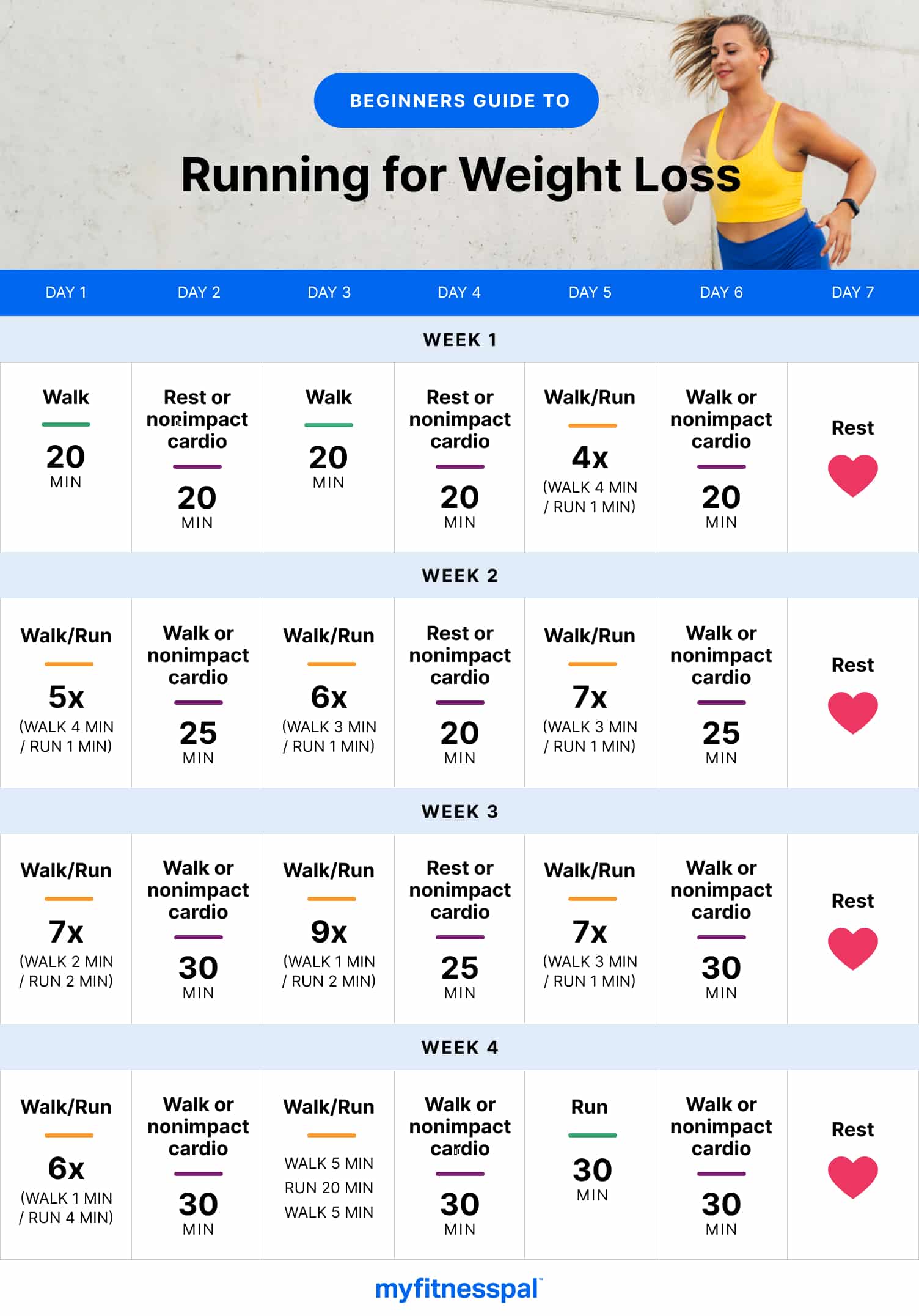
To maximize the benefits of running for weight loss, it is essential to create a training plan that outlines your goals, schedule, and progression. A training plan allows you to structure your workouts, gradually increase mileage and intensity, and track your progress. By following a well-designed plan, you can avoid burnout, prevent injury, and ensure consistent progress towards your weight loss goals.
Gradually Increase Intensity
When starting a running routine, it’s crucial to gradually increase the intensity of your workouts to prevent overexertion and reduce the risk of injury. Begin with shorter distances and slower paces, gradually increasing both speed and distance as your fitness level improves. This gradual progression allows your body to adapt to the demands of running and helps build endurance over time.
Include Interval Training
Interval training involves alternating between high-intensity bouts of running and periods of active recovery. This type of training is an effective way to boost calorie burning, increase cardiovascular fitness, and improve running performance. Incorporate interval workouts into your running routine by alternating between sprinting and jogging or walking for set time intervals.
Mix Different Types of Runs
To prevent boredom and stimulate further weight loss, incorporate a variety of running workouts into your routine. Mix up your runs by including tempo runs, hill repeats, long runs, and shorter, faster runs. Each type of run targets different energy systems and muscle fibers, offering a well-rounded training stimulus and enhancing your overall fitness and weight loss results.
Monitor Caloric Intake
While running can promote weight loss, it’s important to monitor your caloric intake to ensure a healthy and sustainable approach to weight loss. Running alone may not lead to weight loss if you consume more calories than you burn. It’s recommended to maintain a balanced diet that includes whole, nutrient-dense foods and to be mindful of portion sizes. Consulting with a registered dietitian can provide personalized guidance on optimizing nutrition for weight loss and running performance.
Stay Hydrated
Proper hydration is crucial for optimal performance and weight loss. When running, you lose fluids through sweat, so it’s essential to replenish them by drinking enough water before, during, and after your runs. Aim to drink at least 8-10 cups of water per day and adjust your intake based on factors like temperature, humidity, and exercise duration.
Get Adequate Rest
Rest and recovery are just as important as the actual running itself. Make sure to include regular rest days in your training plan to allow your body to repair and rejuvenate. Overtraining can lead to decreased performance, increased risk of injury, and hindered weight loss results. Listen to your body’s signals and prioritize ample rest to optimize your running and weight loss journey.
Strength Training
Incorporating strength training exercises alongside your running routine can enhance weight loss and overall body composition. Strength training helps build lean muscle mass, which increases metabolism and promotes fat burning even at rest. Aim to include two to three strength training sessions per week, focusing on exercises that target major muscle groups such as squats, lunges, push-ups, and planks.
Track Progress and Adjust
To stay motivated and ensure ongoing progress, track your running and weight loss goals. Keep a record of your mileage, pace, and how you feel during and after runs. This tracking can help identify patterns, monitor improvements, and make necessary adjustments to your training plan. Celebrate your milestones along the way to maintain motivation and enjoy the journey towards your weight loss goals.

Possible Challenges and How to Overcome Them
Injury Prevention
One of the common challenges of running is the risk of injury, particularly if proper precautions are not taken. To prevent injuries, it is crucial to prioritize proper warm-up and cool-down routines, wear suitable footwear, gradually increase intensity and mileage, and listen to your body’s signals. Implementing strength training exercises that target weak areas and cross-training activities can also help prevent imbalances and reduce the risk of injury.
Boredom and Motivation
Maintaining motivation and combating boredom are common challenges when it comes to any exercise routine, including running. To stay motivated, set goals, celebrate milestones, and consider joining a running group or finding a running buddy for added accountability and companionship. Varying your routes, listening to music or podcasts, and participating in virtual races or challenges can also help keep your running routine exciting and enjoyable.
Weather Conditions
Unfavorable weather conditions can pose a challenge to your running routine. Extreme heat, cold temperatures, rain, or snow may make it difficult to run safely and comfortably outside. In such cases, consider alternatives like running indoors on a treadmill or exploring local indoor tracks or gyms. Investing in appropriate gear, such as moisture-wicking clothing and protective layers, can also make running in different weather conditions more manageable.
Time Constraints
Finding time to incorporate running into a busy schedule can be a challenge for many individuals. However, even short bursts of running can be beneficial for weight loss. Prioritize and plan your workouts in advance, consider waking up earlier or utilizing breaks during the day for quick runs, and explore time-efficient training techniques like interval training. Remember that consistency is key, and even small amounts of running can contribute to overall weight loss progress.
Plateaus and Weight Loss
Weight loss plateaus are a common challenge that many people encounter during their fitness journey. After an initial period of significant weight loss, it is common for progress to slow down or temporarily stall. To overcome plateaus, consider adjusting your running routine by increasing intensity, adding strength training, varying your types of runs, or seeking guidance from a fitness professional. Monitor your caloric intake, ensure adequate hydration, and focus on overall lifestyle factors such as sleep, stress management, and dietary adjustments to break through plateaus and continue making progress.
Potential Side Effects and Precautions to Take
Impact on Joints
Running is a high-impact activity that can put stress on your joints, especially if you have existing joint issues or excessive weight. To minimize the impact on your joints, it’s important to maintain proper running form, wear appropriate footwear with cushioning and support, and choose running surfaces that are less harsh on your joints, such as grass or tracks. If you experience joint pain or discomfort, it’s advisable to consult with a healthcare professional or a physical therapist.
Overtraining Syndrome
Overtraining can occur when you push yourself too hard without allowing sufficient recovery time. This can lead to decreased performance, increased fatigue, mood disturbances, and an increased risk of injuries. To avoid overtraining, incorporate rest days into your routine, listen to your body’s signals, and be aware of any signs of excessive fatigue or burnout. Balancing intensity with adequate rest and recovery is crucial for long-term progress and overall well-being.
Heat-Related Illnesses
Running in high temperatures or humid conditions can increase the risk of heat-related illnesses such as heat exhaustion or heatstroke. To prevent heat-related illnesses, it’s important to stay hydrated, dress appropriately for the weather, run during cooler times of the day, and listen to your body’s signals of overheating or excessive fatigue. If you experience symptoms such as dizziness, nausea, or confusion, seek shade, hydrate, and seek medical attention if necessary.
Consult a Healthcare Professional
Before starting any new exercise program, including running for weight loss, it is always advisable to consult with a healthcare professional, especially if you have any pre-existing health conditions or concerns. They can provide personalized recommendations, assess your fitness level, and guide you towards safe and effective practices. Working with a certified running coach or personal trainer can also provide valuable guidance and support for achieving your weight loss goals.
Additional Strategies to Enhance Weight Loss Results
Dietary Adjustments
While running can contribute to weight loss, it is essential to incorporate dietary adjustments to optimize your results. Focus on consuming a balanced and nutritious diet that includes plenty of fruits, vegetables, lean proteins, whole grains, and healthy fats. Be mindful of portion sizes, practice mindful eating, and avoid excessive consumption of sugary or processed foods. Consulting with a registered dietitian can provide personalized guidance on nutrition strategies that support weight loss and fuel your running routine.
Strength and Resistance Training
In addition to running, incorporating strength and resistance training exercises into your routine can enhance weight loss results. Strength training helps build lean muscle mass, increases metabolism, and promotes fat burning. Include exercises that target major muscle groups at least two to three times per week, using resistance bands, dumbbells, or bodyweight exercises. A well-rounded fitness routine that combines running with strength training will maximize weight loss potential and improve overall body composition.
High-Intensity Interval Training (HIIT)
High-intensity interval training (HIIT) is a form of exercise that alternates short bursts of intense effort with periods of active recovery. Incorporating HIIT workouts into your running routine can help accelerate calorie burning, increase cardiovascular fitness, and stimulate weight loss. Integrate intervals of sprinting or high-intensity running into your workouts, alternating with slower jogging or walking to create a challenging and effective routine.
Incorporating Cross-Training
Cross-training involves incorporating different types of exercise into your fitness routine to target different muscle groups and prevent overuse injuries. In addition to running, consider activities such as swimming, cycling, yoga, or Pilates. Cross-training not only adds variety to your workouts but also provides a well-rounded approach to weight loss and overall fitness.
Mindful Eating
Practicing mindful eating can be a powerful strategy for weight loss. Pay attention to your hunger and fullness cues, eat slowly and enjoy your meals, and savor the flavors of your food. By being present and mindful during meal times, you can develop a healthier relationship with food, avoid overeating, and make more conscious choices that align with your weight loss goals.
Sleep and Stress Management
Adequate sleep and effective stress management play significant roles in weight loss and overall well-being. Aim for at least seven to eight hours of quality sleep each night to support proper recovery and hormone regulation. Additionally, find healthy ways to manage stress, such as practicing mindfulness, engaging in relaxation techniques, or participating in activities that bring you joy. Addressing these aspects of your lifestyle can positively impact your weight loss journey and overall health.
Conclusion
Running is undeniably an effective tool for weight loss, offering numerous benefits such as calorie burning, metabolism boosting, cardiovascular health improvement, muscle toning, and body fat reduction. However, it is important to consider factors such as physical fitness level, pre-existing injuries or conditions, running form, appropriate footwear, and setting realistic goals before starting a running routine. While running is effective for weight loss, it is also essential to explore other forms of exercise, such as walking, cycling, and strength training, to enhance weight loss results and overall fitness. By following tips for effective weight loss through running, overcoming challenges such as injury prevention, boredom, weather conditions, and time constraints, and taking necessary precautions, you can optimize your running experience. Remember to monitor progress, adjust your training plan as needed, and seek guidance from healthcare professionals when necessary. Finally, incorporating additional strategies such as dietary adjustments, strength training, HIIT, cross-training, mindful eating, sleep, and stress management can further enhance weight loss outcomes. Ultimately, individual preference and variation play a significant role in determining the effectiveness of running as a weight loss tool. Choose activities that you enjoy and that align with your goals to create a sustainable and rewarding weight loss journey.