Comfort foods are more than just meals; they are a source of solace and nostalgia, often evoking memories of home and family. When you think of comfort food, what comes to mind? Perhaps it’s a warm bowl of mac and cheese, a slice of rich chocolate cake, or a steaming bowl of chicken soup.
These dishes often carry emotional weight, reminding you of simpler times or cherished moments spent with loved ones. The appeal of comfort foods lies in their ability to provide not just sustenance but also emotional satisfaction, making them a staple in many cultures around the world. In today’s fast-paced society, the allure of comfort foods can be particularly strong.
You may find yourself reaching for these familiar dishes during stressful times or when you seek a moment of joy. However, while comfort foods can provide temporary relief, they can also pose challenges, especially when it comes to maintaining a healthy lifestyle. Understanding the role these foods play in your life is crucial for navigating the complexities of emotional eating and weight management.
Key Takeaways
- Comfort foods are often associated with feelings of nostalgia and emotional well-being, providing a sense of comfort and satisfaction.
- Comfort foods can be a source of emotional eating, leading to weight gain and difficulty in achieving weight loss goals.
- Emotional eating is often triggered by stress, boredom, or other emotional factors, leading to the consumption of comfort foods.
- Comfort foods can lead to cravings and overeating, contributing to weight gain and making it challenging to achieve weight loss goals.
- Strategies for managing comfort food cravings include mindful eating, finding healthier alternatives, and addressing underlying emotional triggers.
The Relationship Between Comfort Foods and Weight Loss
The relationship between comfort foods and weight loss is intricate and often contradictory. On one hand, indulging in your favorite comfort foods can lead to feelings of guilt and frustration, especially if you are trying to shed pounds. On the other hand, completely eliminating these foods from your diet can create a sense of deprivation that may ultimately lead to binge eating or emotional distress.
It’s essential to recognize that comfort foods do not inherently sabotage your weight loss efforts; rather, it’s how you incorporate them into your overall eating habits that matters. When you allow yourself to enjoy comfort foods in moderation, you may find that it becomes easier to stick to your weight loss goals. By acknowledging the emotional connection you have with these foods, you can create a healthier relationship with them.
Instead of viewing comfort foods as forbidden or off-limits, consider them as part of a balanced diet. This shift in perspective can help you enjoy your favorite dishes without the accompanying guilt, making it easier to maintain a sustainable approach to weight loss.
Understanding Emotional Eating and Comfort Foods

Emotional eating is a common phenomenon that many people experience, often triggered by stress, sadness, or even boredom. When faced with challenging emotions, you might find yourself gravitating toward comfort foods as a way to cope. This behavior is rooted in the brain’s reward system, where the consumption of certain foods releases feel-good hormones like dopamine.
While this can provide temporary relief, it can also lead to unhealthy eating patterns if not managed properly. Understanding the reasons behind your emotional eating can empower you to make more mindful choices. Are you reaching for that pint of ice cream because you had a tough day at work?
Or are you indulging in pizza because it reminds you of family gatherings? By identifying the triggers that lead you to seek comfort foods, you can develop healthier coping mechanisms. This might involve finding alternative activities that bring you joy or practicing mindfulness techniques to help you navigate your emotions without turning to food.
The Role of Comfort Foods in Cravings and Overeating
Cravings for comfort foods can be intense and difficult to resist, especially when they are tied to emotional states. You may find yourself craving specific dishes that provide a sense of familiarity and security during times of stress or uncertainty. This connection can lead to overeating, as the desire for comfort can overshadow your body’s natural hunger cues.
Recognizing this pattern is crucial for developing healthier eating habits. To combat cravings effectively, it’s important to understand the difference between physical hunger and emotional hunger. Physical hunger develops gradually and is often accompanied by physical signs like stomach growling or fatigue.
In contrast, emotional hunger tends to come on suddenly and is often linked to specific feelings or situations. By learning to differentiate between these two types of hunger, you can make more informed choices about when and what to eat, ultimately reducing the likelihood of overeating.
Strategies for Managing Comfort Food Cravings
Managing cravings for comfort foods requires a proactive approach that combines self-awareness with practical strategies. One effective method is to practice mindful eating, which involves paying full attention to the experience of eating. This means savoring each bite, appreciating the flavors and textures, and being aware of your body’s hunger signals.
By slowing down and truly enjoying your food, you may find that you feel satisfied with smaller portions. Another strategy is to create healthier versions of your favorite comfort foods. For instance, if mac and cheese is your go-to dish, consider making it with whole grain pasta and adding vegetables for extra nutrition.
This way, you can still enjoy the flavors you love while making choices that align with your health goals. Additionally, having healthier snacks on hand can help curb cravings before they escalate into full-blown binges. When you feel the urge for something comforting, reach for a piece of fruit or a handful of nuts instead.
Balancing Comfort Foods with Healthy Eating for Weight Loss
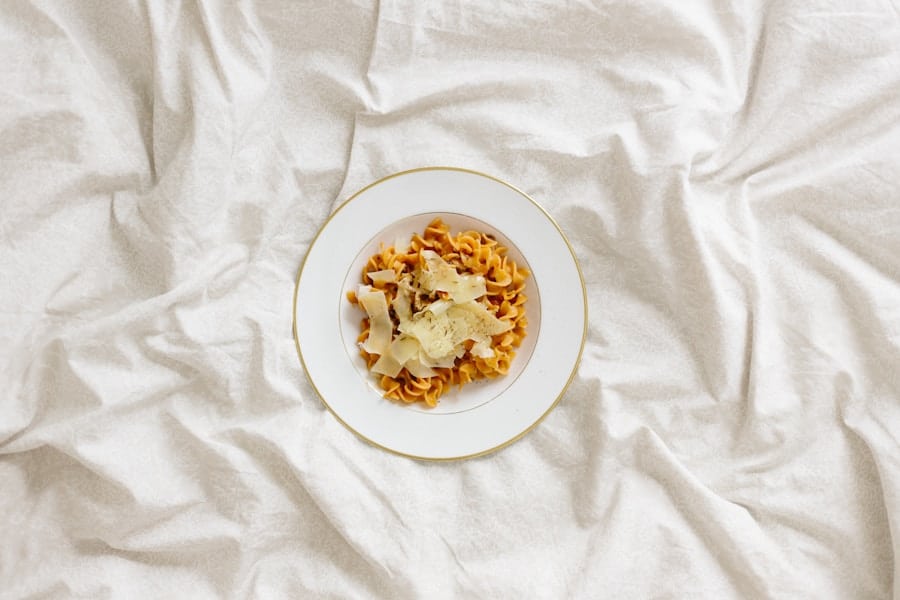
Finding balance in your diet is key to achieving sustainable weight loss while still enjoying comfort foods. It’s essential to incorporate a variety of nutrient-dense foods into your meals while allowing yourself occasional indulgences. This approach not only supports your physical health but also helps maintain your mental well-being by preventing feelings of deprivation.
One effective way to achieve this balance is through meal planning. By preparing healthy meals in advance, you can ensure that you have nutritious options readily available when cravings strike. This doesn’t mean you have to eliminate comfort foods entirely; rather, aim to include them in moderation alongside healthier choices.
For example, if you plan a cozy movie night with friends, consider serving homemade popcorn seasoned with herbs instead of buttered popcorn or pairing pizza with a fresh salad. This way, you can enjoy the experience without compromising your health goals.
The Psychological Impact of Comfort Foods on Weight Loss Goals
The psychological impact of comfort foods on your weight loss journey cannot be underestimated. When you associate certain foods with positive emotions or memories, it can create a strong attachment that makes it challenging to let go of those foods entirely. This attachment can lead to feelings of guilt or shame when indulging in comfort foods while trying to lose weight.
To navigate this psychological landscape effectively, it’s important to cultivate self-compassion. Recognize that it’s okay to enjoy comfort foods occasionally without derailing your progress. Instead of viewing these moments as failures, consider them as part of a balanced approach to eating.
By reframing your mindset around comfort foods, you can reduce the emotional burden associated with them and focus on making choices that align with your overall health goals.
Finding a Healthy Balance with Comfort Foods for Successful Weight Loss
In conclusion, finding a healthy balance with comfort foods is essential for successful weight loss and overall well-being. By understanding the emotional connections you have with these foods and implementing strategies for managing cravings, you can create a more positive relationship with food. Remember that it’s not about deprivation but rather about moderation and mindfulness.
As you embark on your weight loss journey, embrace the idea that comfort foods can coexist with healthy eating habits. Allow yourself the freedom to enjoy your favorite dishes while also prioritizing nutrition and balance in your diet. With time and practice, you’ll discover that it’s possible to savor the joy of comfort foods without compromising your health goals—ultimately leading to a more fulfilling and sustainable approach to eating.
If you are looking to accelerate your weight loss goals, you may want to consider incorporating abdominal injections for weight loss. According to a recent article on how-to-loseweightfast.com, these injections can help target stubborn belly fat and boost your metabolism. Pairing this method with a mindful approach to comfort foods, as discussed in “The Impact of Comfort Foods on Your Weight Loss Goals,” could provide a comprehensive strategy for achieving your desired results. Additionally, you may want to explore the benefits of a 3-day fast with the help of a weight loss calculator or participate in a 21-day weight loss challenge app to stay motivated and on track.
FAQs
What are comfort foods?
Comfort foods are typically high in carbohydrates, fats, and sugar, and are often associated with feelings of nostalgia or emotional comfort. Examples include macaroni and cheese, ice cream, and mashed potatoes.
How do comfort foods impact weight loss goals?
Comfort foods can impact weight loss goals by contributing to overeating and consuming excess calories. They are often high in calories and can lead to weight gain if consumed in large quantities or frequently.
Can comfort foods be included in a weight loss plan?
In moderation, some comfort foods can be included in a weight loss plan. It’s important to practice portion control and balance comfort foods with healthier, nutrient-dense options to stay within calorie goals.
Are there healthier alternatives to traditional comfort foods?
Yes, there are healthier alternatives to traditional comfort foods that can satisfy cravings while supporting weight loss goals. For example, using whole grain pasta and adding vegetables to macaroni and cheese, or opting for frozen yogurt instead of ice cream.
How can one manage cravings for comfort foods while trying to lose weight?
Managing cravings for comfort foods while trying to lose weight can be achieved by practicing mindful eating, finding healthier alternatives, and addressing the underlying emotional triggers for the cravings. It’s also important to plan indulgences in moderation.