Walking is one of the simplest yet most effective forms of exercise you can engage in, especially when it comes to weight loss. As you lace up your shoes and step outside, you may not realize that this low-impact activity can yield significant results. One of the primary benefits of walking is that it burns calories.
Depending on your weight and walking speed, you can burn anywhere from 200 to 400 calories in just an hour. This calorie deficit is crucial for weight loss, as it helps you create the necessary imbalance between calories consumed and calories burned. Moreover, walking is an accessible form of exercise that requires no special equipment or gym membership.
You can do it almost anywhere—whether in your neighborhood, at a park, or even on a treadmill at home. This flexibility makes it easier for you to stick to a walking routine. Additionally, walking has been shown to improve mood and reduce stress levels, which can be particularly beneficial when you’re trying to lose weight.
When you feel good mentally, you’re more likely to make healthier choices in your diet and lifestyle, further supporting your weight loss journey.
Key Takeaways
- Walking helps in weight loss by burning calories and increasing metabolism
- Incorporate walking into your daily routine by walking to work, taking the stairs, or walking during lunch breaks
- Intensity and duration of walking are important for weight loss, aim for at least 30 minutes of brisk walking
- Combine walking with a healthy diet for maximum weight loss results
- Overcome common obstacles to walking for weight loss by finding a walking buddy or using a pedometer to track steps
How to Incorporate Walking into Your Daily Routine
Incorporating walking into your daily routine doesn’t have to be a daunting task. Start by identifying opportunities throughout your day where you can add a few extra steps. For instance, consider parking farther away from your destination or taking the stairs instead of the elevator.
These small changes can accumulate over time, leading to significant increases in your daily step count. You might also find it helpful to schedule specific walking times into your calendar, treating them as appointments that you cannot miss. Another effective strategy is to combine walking with other activities you already do.
For example, if you enjoy socializing with friends or family, suggest a walking meeting or a stroll in the park instead of sitting at a café. You could also listen to audiobooks or podcasts while walking, making the experience more enjoyable and engaging. By finding ways to blend walking with your existing lifestyle, you’ll be more likely to stick with it and make it a regular part of your day.
The Importance of Intensity and Duration in Walking for Weight Loss
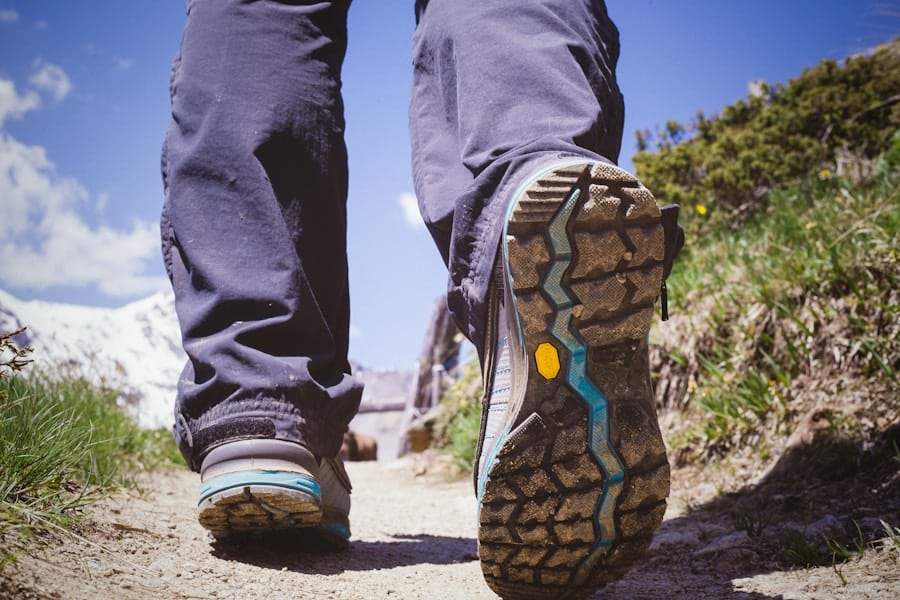
While walking is beneficial for weight loss, the intensity and duration of your walks play a crucial role in determining how effective they will be. If you’re aiming for significant weight loss, it’s essential to challenge yourself by increasing the pace or incorporating intervals into your walks. For instance, you could alternate between brisk walking and a slower pace every few minutes.
This method not only boosts calorie burn but also improves cardiovascular fitness. Duration is equally important; aim for at least 150 minutes of moderate-intensity walking each week, as recommended by health experts. This could translate to 30 minutes a day, five days a week.
However, if you’re looking for more substantial results, consider extending your walks to 60 minutes or more. The longer you walk, the more calories you’ll burn, which can accelerate your weight loss journey. Remember that consistency is key; making walking a regular part of your routine will yield the best results over time.
Combining Walking with a Healthy Diet for Maximum Results
While walking is an excellent way to burn calories and improve your overall health, combining it with a balanced diet will maximize your weight loss efforts. As you walk more frequently, pay attention to what you’re eating. Focus on incorporating whole foods such as fruits, vegetables, lean proteins, and whole grains into your meals.
These nutrient-dense foods will provide you with the energy needed for your walks while also helping you feel full and satisfied. Additionally, consider keeping a food diary to track your eating habits alongside your walking routine. This practice can help you identify patterns and make adjustments as needed.
For instance, if you notice that you’re consuming more calories than you’re burning through walking, it may be time to reevaluate portion sizes or snack choices. By being mindful of both your physical activity and dietary habits, you’ll create a synergistic effect that enhances your weight loss journey.
Overcoming Common Obstacles to Walking for Weight Loss
As with any fitness endeavor, you may encounter obstacles that make it challenging to stick with your walking routine. One common barrier is time constraints; life can get busy, and finding time to walk may seem impossible. To overcome this challenge, consider breaking your walks into shorter segments throughout the day.
Even 10-minute walks can add up and contribute to your overall activity level. Another obstacle could be motivation; some days you may simply not feel like walking. To combat this, try setting specific goals or joining a walking group for accountability.
Having a partner or community can make the experience more enjoyable and encourage you to stay committed even on days when motivation wanes. Remember that it’s normal to face challenges along the way; what’s important is how you respond to them and continue moving forward.
Monitoring Progress and Setting Realistic Goals
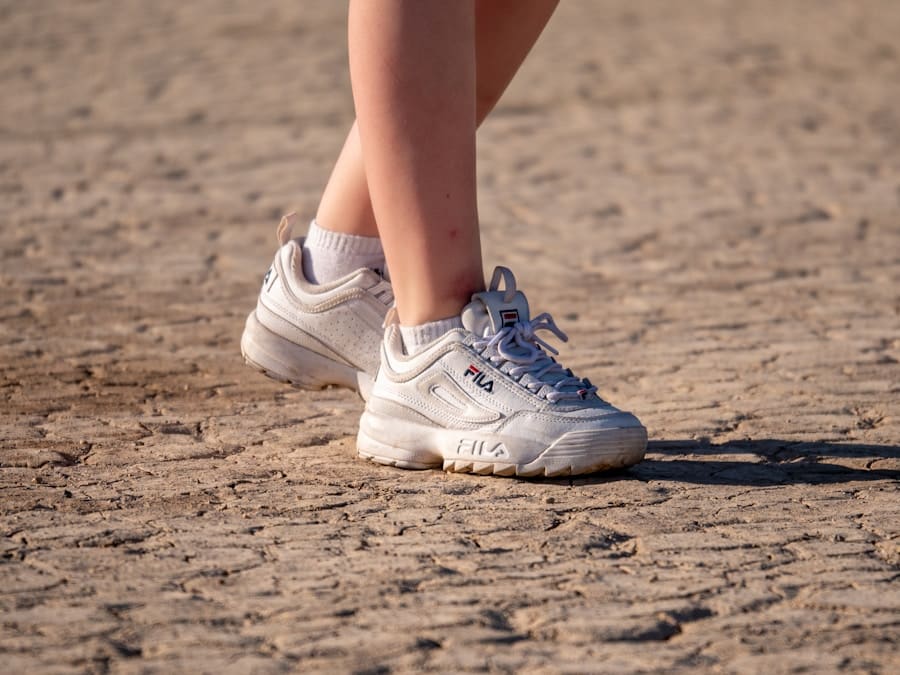
Monitoring your progress is essential for staying motivated and ensuring that you’re on track with your weight loss goals. Consider using a pedometer or a fitness app to track your daily steps and walking duration. This data can provide valuable insights into your activity levels and help you identify areas for improvement.
Additionally, take note of how you feel physically and mentally as you walk more frequently; these qualitative measures are just as important as quantitative ones. Setting realistic goals is another critical aspect of monitoring progress. Instead of aiming for drastic weight loss in a short period, focus on smaller, achievable milestones that will keep you motivated along the way.
For example, aim to increase your daily step count by 1,000 steps each week until you reach your desired level of activity. Celebrate these small victories; they will help reinforce positive behaviors and keep you engaged in your weight loss journey.
The Role of Walking in Long-Term Weight Management
Walking is not just a tool for short-term weight loss; it plays a vital role in long-term weight management as well. Once you’ve reached your desired weight, maintaining an active lifestyle becomes crucial for preventing weight regain. Regular walking helps you burn calories consistently while also promoting healthy habits that contribute to overall well-being.
By making walking a permanent fixture in your routine, you’ll create a sustainable lifestyle that supports both physical health and mental clarity. Moreover, walking has been linked to various health benefits beyond weight management, including improved cardiovascular health, enhanced mood, and better sleep quality. These positive effects can motivate you to continue prioritizing physical activity even after achieving your weight loss goals.
By viewing walking as an integral part of your life rather than just a means to an end, you’ll be more likely to maintain your progress and enjoy the journey toward better health.
Safety Tips for Walking for Weight Loss
While walking is generally safe for most people, it’s essential to take certain precautions to ensure that you remain injury-free and enjoy the experience fully. First and foremost, invest in a good pair of walking shoes that provide adequate support and cushioning for your feet. Proper footwear can help prevent blisters and discomfort during longer walks.
Additionally, pay attention to your surroundings while walking—especially if you’re outdoors. Choose well-lit paths during early morning or evening walks and stay aware of traffic if you’re near roads. If you’re walking in unfamiliar areas, consider bringing a friend along or letting someone know where you’ll be going for added safety.
Lastly, listen to your body; if you experience pain or discomfort while walking, it’s essential to rest and consult with a healthcare professional if necessary. In conclusion, walking is an effective and accessible way to support weight loss and overall health. By understanding its benefits, incorporating it into your daily routine, focusing on intensity and duration, combining it with a healthy diet, overcoming obstacles, monitoring progress, recognizing its role in long-term management, and following safety tips, you’ll be well-equipped to embark on this rewarding journey toward better health and well-being.
If you are looking to lose weight quickly, incorporating walking into your daily routine can be incredibly beneficial. Walking is a low-impact exercise that can help you burn calories and improve your overall health. In fact, a related article on how-to-loseweightfast.com discusses a weight loss calculator that can help you track your progress and set realistic goals for losing weight. By combining the power of walking with tools like this calculator, you can achieve fast and sustainable weight loss results.
FAQs
What is the recommended amount of walking for fast weight loss?
The recommended amount of walking for fast weight loss is at least 150 minutes of moderate-intensity aerobic activity per week, according to the American Heart Association.
How does walking contribute to fast weight loss?
Walking contributes to fast weight loss by burning calories, increasing metabolism, and improving overall fitness. It also helps to reduce body fat and build lean muscle mass.
Can walking alone help with fast weight loss?
While walking alone can contribute to fast weight loss, it is most effective when combined with a healthy diet and other forms of exercise such as strength training.
What are some tips for maximizing the weight loss benefits of walking?
Some tips for maximizing the weight loss benefits of walking include increasing the intensity or duration of your walks, incorporating interval training, and adding resistance by walking uphill or using ankle weights.
Are there any potential risks or considerations when using walking for fast weight loss?
It’s important to start slowly and gradually increase the intensity and duration of your walks to avoid injury. It’s also important to wear proper footwear and stay hydrated while walking for fast weight loss. Consulting with a healthcare professional before starting a new exercise program is recommended.