When embarking on a weight loss journey, you might find yourself inundated with advice about what to eat and what to avoid. One of the most misunderstood components of a healthy diet is fat. While many people associate fat with weight gain, it’s crucial to recognize that not all fats are created equal.
Healthy fats, in particular, play a vital role in your overall health and can significantly aid in your weight loss efforts. By understanding the importance of these fats, you can make informed choices that support your goals. Healthy fats, such as those found in avocados, nuts, seeds, and olive oil, are essential for various bodily functions.
They help in the absorption of fat-soluble vitamins like A, D, E, and K, which are crucial for maintaining your health. Additionally, these fats provide a source of energy that can keep you feeling full and satisfied, reducing the likelihood of overeating. By incorporating healthy fats into your diet, you not only enhance your nutritional intake but also create a more balanced approach to weight loss.
Key Takeaways
- Healthy fats are important for weight loss as they help to keep you feeling full and satisfied, leading to reduced overall calorie intake.
- Healthy fats support rapid weight loss by promoting satiety, stabilizing blood sugar levels, and aiding in the absorption of fat-soluble vitamins.
- The best sources of healthy fats for weight loss include avocados, nuts, seeds, olive oil, and fatty fish like salmon and mackerel.
- Incorporating healthy fats into a balanced diet can be achieved by adding them to meals and snacks, such as using avocado as a spread or adding nuts to salads.
- Healthy fats play a role in boosting metabolism by supporting hormone production and aiding in the transportation of nutrients throughout the body.
How Healthy Fats Support Rapid Weight Loss
Healthy fats can be a surprising ally in rapid weight loss when consumed in moderation.>
### Steady Energy Levels
Unlike refined carbohydrates and sugars that can lead to spikes in blood sugar levels and subsequent crashes, healthy fats provide a steady source of energy. This stability can help you maintain consistent energy levels throughout the day, making it easier to stick to your exercise routine and daily activities.
### Feeling Full and Satisfied
When you feel energized and satisfied, you are less likely to reach for unhealthy snacks or overindulge at mealtimes. Moreover, healthy fats can promote feelings of fullness and satiety. When you consume foods rich in healthy fats, your body releases hormones that signal to your brain that you are satisfied.
### Sustainable Weight Loss
This can help curb cravings and reduce the urge to snack mindlessly between meals. By incorporating healthy fats into your diet, you can create a sustainable eating pattern that supports rapid weight loss while still allowing you to enjoy delicious foods.
The Best Sources of Healthy Fats for Weight Loss
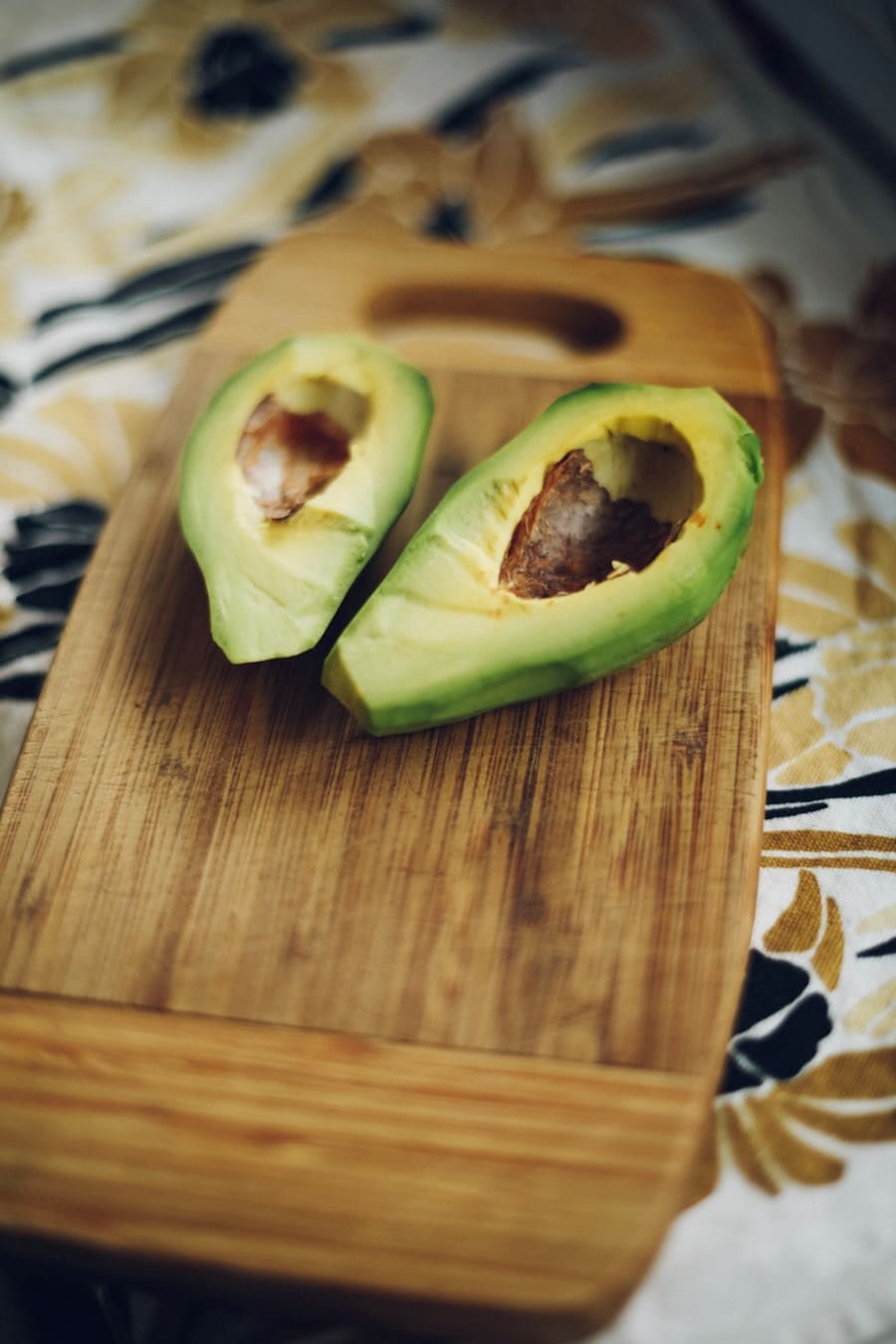
As you explore the world of healthy fats, it’s essential to know which sources are the best for supporting your weight loss goals. Avocados are an excellent choice; they are packed with monounsaturated fats that can help lower bad cholesterol levels while providing a creamy texture to your meals. You might enjoy adding sliced avocado to salads or spreading it on whole-grain toast for a nutritious breakfast.
Nuts and seeds are another fantastic source of healthy fats. Almonds, walnuts, chia seeds, and flaxseeds not only provide essential fatty acids but also offer protein and fiber, which can further enhance satiety. You could consider snacking on a handful of nuts or adding seeds to your smoothies or yogurt for an extra nutritional boost.
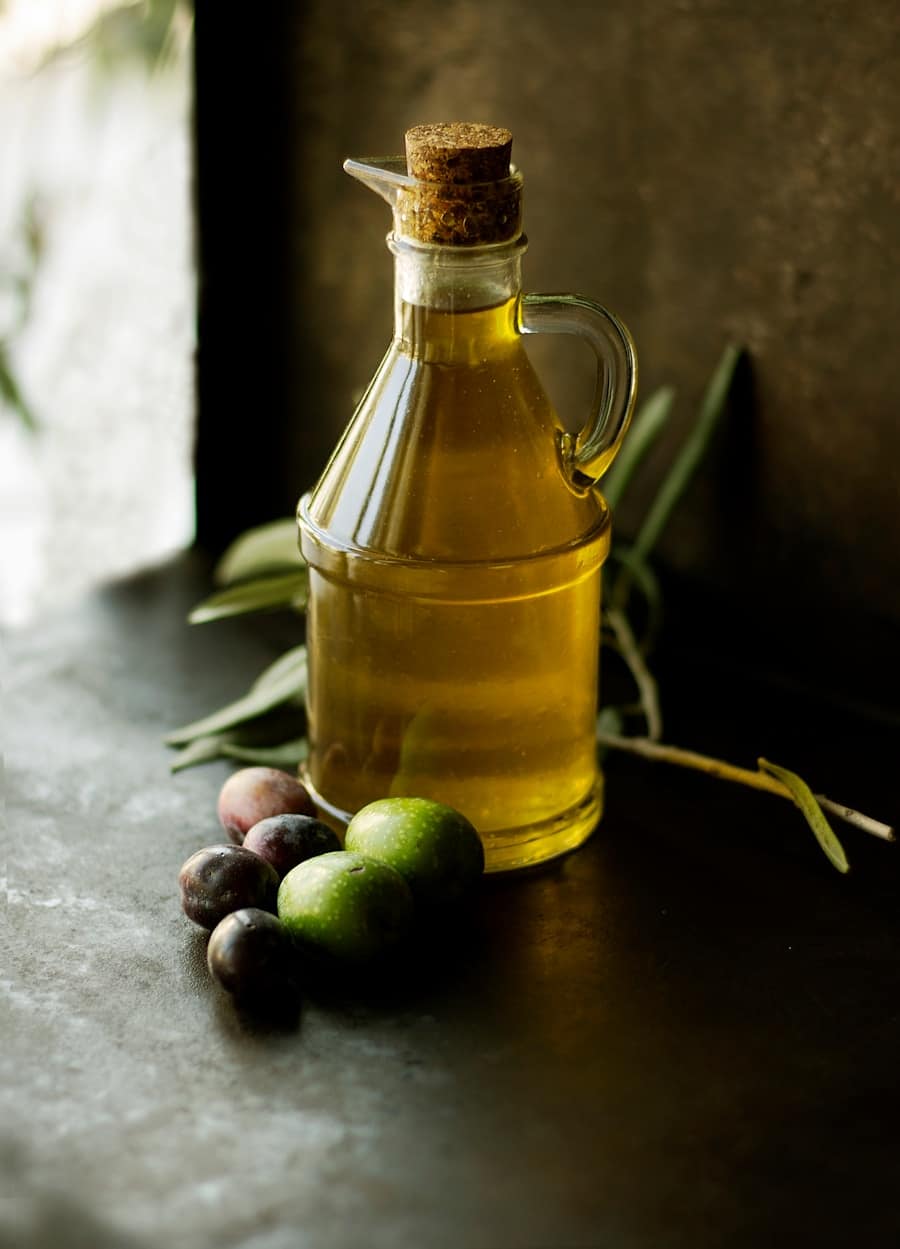
Additionally, olive oil is a staple in many healthy diets; it’s rich in monounsaturated fats and antioxidants. Using olive oil as a dressing or cooking oil can elevate the flavor of your dishes while contributing to your overall health.
Incorporating Healthy Fats into a Balanced Diet
Incorporating healthy fats into your diet doesn’t have to be complicated. Start by assessing your current eating habits and identifying areas where you can make simple swaps. For instance, if you typically use butter or margarine for cooking, consider replacing it with olive oil or avocado oil.
These oils not only provide healthy fats but also add flavor to your meals. You might also experiment with adding healthy fats to your breakfast routine. Instead of sugary cereals or pastries, try oatmeal topped with almond butter and sliced bananas or Greek yogurt drizzled with honey and sprinkled with chia seeds.
These options not only taste great but also keep you feeling full longer, setting a positive tone for the rest of your day. By gradually incorporating healthy fats into your meals and snacks, you’ll create a balanced diet that supports your weight loss journey.
The Role of Healthy Fats in Boosting Metabolism
Healthy fats do more than just keep you satisfied; they also play a significant role in boosting your metabolism. When you consume adequate amounts of healthy fats, your body becomes more efficient at burning fat for energy. This process is known as fat oxidation, which is essential for weight loss.
By including healthy fats in your diet, you can encourage your body to tap into its fat stores more effectively. Additionally, certain types of healthy fats, such as omega-3 fatty acids found in fatty fish like salmon and mackerel, have been shown to have anti-inflammatory properties. Reducing inflammation in the body can improve metabolic function and promote weight loss.
By prioritizing these healthy fats in your meals, you can support not only your metabolism but also your overall well-being.
Balancing Healthy Fats with Other Nutrients for Optimal Weight Loss
Macronutrients: The Key to a Balanced Diet
Carbohydrates, proteins, and healthy fats are all essential macronutrients that provide energy, support muscle growth and repair, and keep you full. Carbohydrates provide energy for your workouts and daily activities, and proteins are crucial for muscle repair and growth.
Achieving Optimal Weight Loss Results
To achieve optimal weight loss results, aim for a balanced plate that includes healthy fats, lean proteins, and complex carbohydrates. For example, consider a meal that features grilled chicken (protein), quinoa (carbohydrate), and roasted vegetables drizzled with olive oil (healthy fat).
A Balanced Meal for Sustained Energy
This combination will not only keep you satisfied but also provide the nutrients necessary for maintaining energy levels and supporting muscle mass during your weight loss journey.
Common Misconceptions about Fats and Weight Loss
Despite the growing awareness of the benefits of healthy fats, misconceptions about dietary fat still persist. One common myth is that all fats contribute to weight gain; however, this is far from the truth. It’s essential to differentiate between unhealthy trans fats found in processed foods and the beneficial unsaturated fats found in whole foods.
By focusing on incorporating healthy fats into your diet while avoiding unhealthy options, you can enjoy the benefits without the drawbacks. Another misconception is that consuming fat will make you feel sluggish or tired. In reality, healthy fats provide sustained energy that can enhance your performance during workouts and daily activities.
By debunking these myths and embracing the role of healthy fats in your diet, you can approach weight loss with a more informed perspective.
Tips for Incorporating Healthy Fats into a Weight Loss Plan
As you work towards your weight loss goals, here are some practical tips for incorporating healthy fats into your plan. First, start small by adding one or two servings of healthy fats to each meal. This could mean including a tablespoon of nut butter in your smoothie or sprinkling seeds on your salad.
Next, experiment with different recipes that highlight healthy fats as key ingredients. For instance, try making homemade salad dressings using olive oil and vinegar or creating energy balls with oats, nut butter, and dark chocolate chips for a satisfying snack. By making these small changes and being creative in the kitchen, you’ll find it easier to enjoy the benefits of healthy fats while staying on track with your weight loss journey.
In conclusion, understanding the importance of healthy fats in weight loss is crucial for achieving your goals effectively and sustainably. By recognizing how these fats support rapid weight loss, knowing the best sources to include in your diet, and learning how to balance them with other nutrients, you can create a well-rounded eating plan that promotes overall health while helping you shed those extra pounds. Embrace the power of healthy fats as part of your journey towards a healthier lifestyle!
If you are interested in effective strategies for rapid weight loss, you may also want to check out this article on 30-day challenge to lose weight. This article provides a comprehensive guide on how to kickstart your weight loss journey and stay motivated throughout the process. By combining healthy fats with a structured challenge, you can achieve your weight loss goals in a sustainable way.
FAQs
What are healthy fats?
Healthy fats are unsaturated fats that are beneficial for our health. They can be found in foods like avocados, nuts, seeds, and fatty fish.
How do healthy fats contribute to rapid weight loss?
Healthy fats can contribute to rapid weight loss by helping to keep you feeling full and satisfied, which can prevent overeating. They also support the body’s ability to burn fat and can help regulate blood sugar levels.
What are some examples of foods high in healthy fats?
Some examples of foods high in healthy fats include avocados, olive oil, salmon, nuts, seeds, and coconut oil.
How much healthy fat should be included in a weight loss diet?
It is recommended that healthy fats make up about 20-35% of your total daily calorie intake. This can vary depending on individual needs and dietary preferences.
Are there any risks associated with consuming healthy fats for weight loss?
While healthy fats are beneficial for weight loss, it’s important to consume them in moderation as they are still calorie-dense. Additionally, some individuals may need to be mindful of their intake if they have certain health conditions, such as pancreatitis or gallbladder disease. Always consult with a healthcare professional before making significant changes to your diet.