As a breastfeeding mother, you are not only nourishing your baby but also taking care of your own health. The importance of a healthy diet during this period cannot be overstated. Your body is working hard to produce milk, and the quality of that milk is directly influenced by what you eat.
A well-balanced diet ensures that you provide your baby with the essential nutrients they need for growth and development. It also helps you maintain your energy levels, which can be particularly challenging during the demanding early months of motherhood. Moreover, a nutritious diet can aid in your recovery after childbirth.
Your body has undergone significant changes, and it requires proper nourishment to heal and regain strength. By focusing on whole foods rich in vitamins, minerals, and healthy fats, you can support your immune system and reduce the risk of postpartum complications. This holistic approach to nutrition not only benefits you but also sets a positive example for your child, instilling healthy eating habits from an early age.
Key Takeaways
- A healthy diet is crucial for breastfeeding mothers as it directly impacts the quality of breast milk and the overall health of the baby.
- Breastfeeding mothers have increased nutritional needs, including higher intake of protein, vitamins, and minerals to support milk production and postpartum recovery.
- A weight loss diet for breastfeeding mothers should include nutrient-dense foods such as lean proteins, whole grains, fruits, and vegetables to support energy levels and milk production.
- Breastfeeding mothers should avoid crash diets, excessive caffeine, and alcohol, as well as highly processed and sugary foods that can negatively impact milk supply and baby’s health.
- Meal planning and portion control are important for breastfeeding mothers to ensure they are getting adequate nutrition while also managing weight loss goals. Consulting a healthcare professional is essential for safe weight loss while breastfeeding, as they can provide personalized guidance and support.
Nutritional Needs for Breastfeeding Mothers
Understanding your nutritional needs as a breastfeeding mother is crucial for both your health and your baby’s well-being. During lactation, your caloric requirements increase significantly, often by about 500 calories per day. This means that you need to be mindful of incorporating nutrient-dense foods into your diet to meet these increased demands.
Focus on a variety of food groups, including fruits, vegetables, whole grains, lean proteins, and healthy fats, to ensure you are getting a balanced intake of essential nutrients. In addition to calories, certain nutrients become even more important while breastfeeding. For instance, calcium and vitamin D are vital for both your bone health and your baby’s development.
Iron is another critical nutrient, as it helps prevent anemia, which can be common during this period. Omega-3 fatty acids are also essential for brain development in infants, so including sources like fatty fish or flaxseeds in your diet can be beneficial. By paying attention to these nutritional needs, you can create a solid foundation for both your health and your baby’s growth.
Foods to Include in a Weight Loss Diet for Breastfeeding Mothers
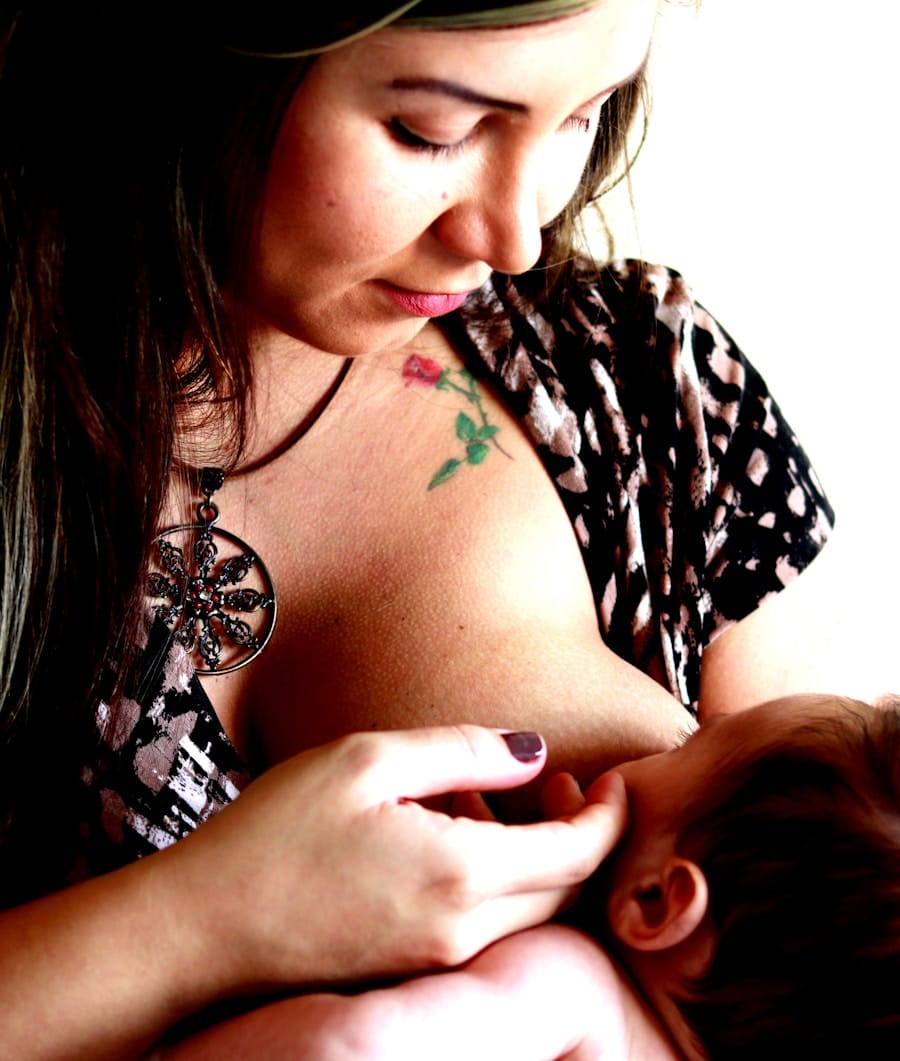
If you’re looking to shed some pounds while breastfeeding, it’s essential to choose foods that support both weight loss and milk production. Incorporating whole foods that are high in fiber can help you feel full longer and reduce overall calorie intake. Foods like fruits, vegetables, whole grains, and legumes should be staples in your diet.
These foods not only provide essential nutrients but also help regulate digestion and maintain steady energy levels throughout the day. Lean proteins are another crucial component of a weight loss diet for breastfeeding mothers. Foods such as chicken, turkey, fish, eggs, and plant-based proteins like beans and lentils can help you build muscle while promoting satiety.
Healthy fats from sources like avocados, nuts, and olive oil can also play a role in weight management by keeping you satisfied and providing essential fatty acids that support milk production. By focusing on these nutrient-dense foods, you can create a sustainable weight loss plan that prioritizes both your health and your baby’s needs.
Foods to Avoid in a Weight Loss Diet for Breastfeeding Mothers
While there are many foods that can support your weight loss journey while breastfeeding, there are also certain items you should consider avoiding. Processed foods high in sugar and unhealthy fats can lead to weight gain and may negatively impact your milk supply. Items like sugary snacks, fast food, and refined carbohydrates should be limited as they provide empty calories without the necessary nutrients that both you and your baby require.
Caffeine is another substance to be cautious about during breastfeeding. While moderate consumption is generally considered safe, excessive caffeine intake can lead to irritability in infants and may affect their sleep patterns. Alcohol is another area where moderation is key; while occasional consumption may not harm your baby, it’s best to limit intake and time it appropriately to minimize any potential effects on breastfeeding.
By being mindful of these foods and substances, you can create a healthier environment for both yourself and your baby.
Meal Planning and Portion Control for Breastfeeding Mothers
Effective meal planning is an invaluable tool for breastfeeding mothers aiming for weight loss. By preparing meals in advance, you can ensure that you have healthy options readily available when hunger strikes. This not only saves time but also reduces the temptation to reach for unhealthy snacks or convenience foods that may not align with your dietary goals.
Consider setting aside a few hours each week to plan and prepare meals that incorporate a variety of nutrient-dense ingredients. Portion control is equally important when it comes to managing your weight while breastfeeding. It’s easy to overeat when you’re tired or distracted by the demands of motherhood.
Using smaller plates or measuring out servings can help you become more aware of portion sizes and prevent mindless eating. Additionally, listening to your body’s hunger cues is essential; eat when you’re hungry but try to avoid eating out of boredom or stress. By combining meal planning with mindful eating practices, you can create a balanced approach to weight loss that supports both your health and your breastfeeding journey.
Hydration and its Role in Weight Loss for Breastfeeding Mothers
Drinking Plenty of Water
Aim to drink plenty of water throughout the day, especially during nursing sessions when your body requires additional fluids.
Hydrating Foods
Incorporating hydrating foods into your diet can also contribute to your overall fluid intake. Fruits and vegetables with high water content—such as cucumbers, watermelon, oranges, and leafy greens—can help keep you hydrated while providing essential nutrients.
Herbal Teas and Weight Loss
Herbal teas can be another excellent option; just be sure to choose caffeine-free varieties that are safe for breastfeeding mothers. By prioritizing hydration, you can support both your weight loss efforts and the health of your baby.
Exercise and Physical Activity for Weight Loss while Breastfeeding
Engaging in regular physical activity is an important aspect of any weight loss plan, including for breastfeeding mothers. Exercise not only helps burn calories but also boosts mood and energy levels—both of which can be beneficial during the postpartum period. However, it’s essential to approach exercise with caution; listen to your body and consult with a healthcare professional before starting any new fitness regimen.
Low-impact activities such as walking, swimming, or postpartum yoga can be excellent choices for new mothers looking to ease back into exercise. These activities allow you to gradually build strength and endurance without putting too much strain on your body. As you become more comfortable with physical activity, consider incorporating strength training exercises to help build muscle mass, which can further aid in weight loss by increasing metabolism.
Remember that consistency is key; finding enjoyable activities will make it easier to stick with an exercise routine over time.
Consulting a Healthcare Professional for Safe Weight Loss while Breastfeeding
Before embarking on any weight loss journey while breastfeeding, it’s wise to consult with a healthcare professional. They can provide personalized guidance based on your individual health needs and circumstances. A registered dietitian or nutritionist can help you create a balanced meal plan that meets both your caloric needs for lactation and your weight loss goals.
Additionally, healthcare professionals can monitor your progress and make adjustments as needed to ensure that both you and your baby remain healthy throughout the process. They can also address any concerns you may have regarding nutrition or exercise during this time. By seeking professional advice, you can embark on a safe and effective weight loss journey that supports both your well-being and that of your child.
If you are a breastfeeding mother looking to lose weight, you may want to consider incorporating the Alpilean Diet into your routine. This diet focuses on natural ingredients to help boost metabolism and promote weight loss. In addition to following a healthy diet, some mothers may also consider using supplements like Adipex and Lipo Shots with B6 and B12 to aid in their weight loss journey. Another effective strategy for losing weight quickly is to try a 3-day cleanse, which can help jumpstart your metabolism and rid your body of toxins. To learn more about these weight loss methods, check out this article for more information.
FAQs
What is a weight loss diet for a breastfeeding mother?
A weight loss diet for a breastfeeding mother is a nutrition plan that focuses on helping a mother lose weight while ensuring she has enough nutrients to support her and her baby’s health during breastfeeding.
Is it safe to go on a weight loss diet while breastfeeding?
It is generally safe to go on a weight loss diet while breastfeeding, as long as it is done in a healthy and gradual manner. It is important to consult with a healthcare professional before starting any weight loss plan to ensure it is safe for both the mother and the baby.
What are some key considerations for a weight loss diet for a breastfeeding mother?
Some key considerations for a weight loss diet for a breastfeeding mother include ensuring an adequate intake of nutrients such as protein, healthy fats, and carbohydrates, staying hydrated, and avoiding crash diets or extreme calorie restriction.
What are some recommended foods for a weight loss diet for a breastfeeding mother?
Recommended foods for a weight loss diet for a breastfeeding mother include lean proteins, such as chicken, fish, and tofu, whole grains, fruits and vegetables, healthy fats like avocados and nuts, and plenty of water.
Are there any foods to avoid while on a weight loss diet for a breastfeeding mother?
While on a weight loss diet, breastfeeding mothers should avoid highly processed foods, sugary snacks and drinks, and excessive caffeine. It is also important to limit the intake of certain fish high in mercury, and to avoid alcohol.