Have you ever wondered about the benefits of fasting for weight loss?
Intermittent Fasting: What is it?
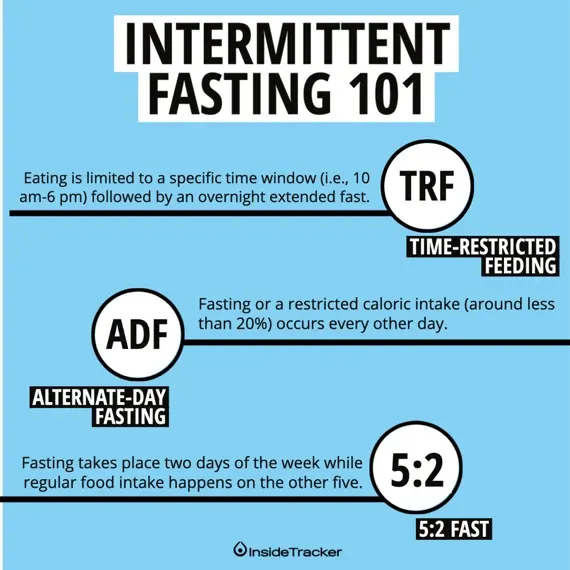
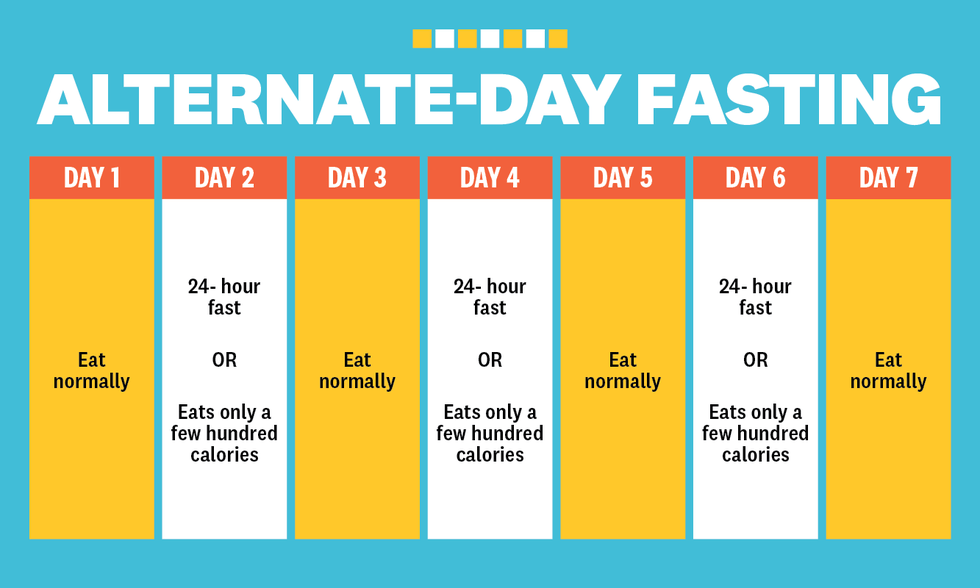
Intermittent fasting is an eating pattern where you cycle between periods of fasting and eating. One common approach to this is the 16/8 method, where you fast for 16 hours and eat within an 8-hour window. Another popular method is the 5:2 diet, where you eat normally for five days and restrict calories for two days.
How Can Intermittent Fasting Help with Weight Loss?
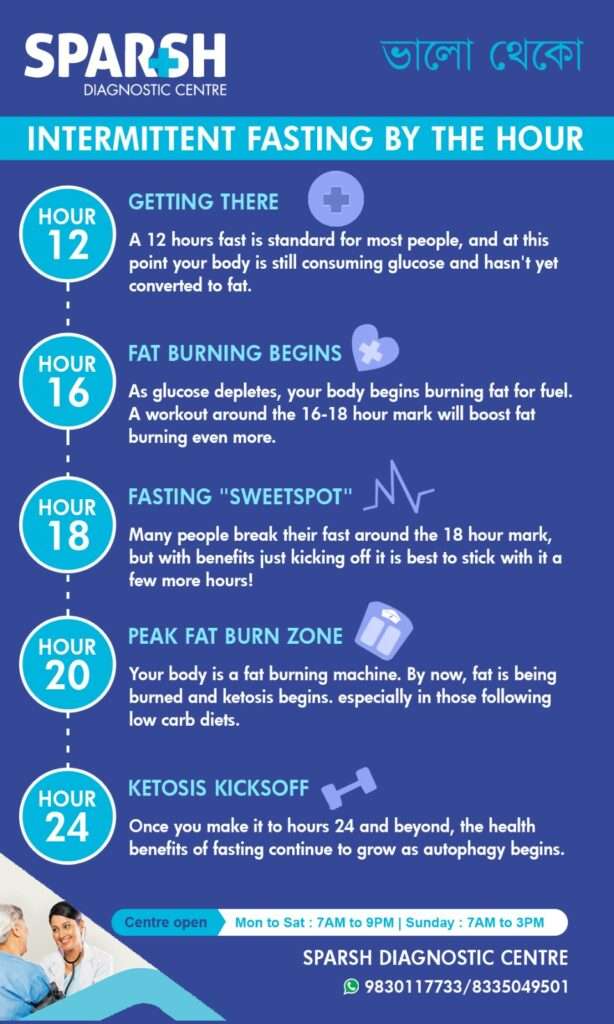
Intermittent fasting can help with weight loss by reducing caloric intake and increasing metabolic rate. When you fast, your body switches from using glucose for energy to using fat stores, which can lead to fat loss. Additionally, intermittent fasting can help regulate hormones involved in hunger and appetite control, making it easier to stick to a calorie-controlled diet.
Fasting for 24 Hours: What Happens?
Fasting for 24 hours, also known as a one-day fast, has been shown to have various benefits for health and weight loss. During a 24-hour fast, your body goes through several stages as it adapts to the lack of food intake.
What are the Benefits of Fasting for 24 Hours?
Fasting for 24 hours can help reset your metabolism, improve insulin sensitivity, and promote fat loss. It may also reduce inflammation, improve cellular repair processes, and increase levels of human growth hormone (HGH), which can aid in muscle growth and fat loss. Additionally, fasting for 24 hours can improve mental clarity and focus.
How to Safely Fast for 24 Hours
Fasting for 24 hours can be safe for most people, but it’s important to do it properly to avoid potential side effects. Here are some tips to help you fast safely for 24 hours:
Stay Hydrated
It’s important to stay hydrated during a 24-hour fast to avoid dehydration. Drink plenty of water throughout the day, and consider adding electrolytes to your water to maintain proper hydration levels.
Listen to Your Body
Pay attention to how you feel during the fast. If you experience dizziness, weakness, or severe hunger, it’s important to break your fast and eat a balanced meal. Fasting should not feel like punishment – it should be done in a way that feels sustainable and comfortable for you.
Break Your Fast with Nutrient-Dense Foods
When you break your 24-hour fast, it’s important to choose nutrient-dense foods to nourish your body. Include protein, healthy fats, and carbohydrates in your first meal to help replenish your energy stores and support muscle recovery.
The Science Behind 24-Hour Fasting
Fasting for 24 hours has been studied for its effects on weight loss and metabolic health. Research has shown that fasting for 24 hours can increase fat oxidation, improve insulin sensitivity, and reduce markers of inflammation in the body.
Hormonal Changes During 24-Hour Fasting
During a 24-hour fast, levels of insulin decrease while levels of glucagon and growth hormone increase. This hormonal shift helps mobilize stored fat for energy and promotes fat loss. Additionally, levels of adiponectin, a hormone involved in regulating blood sugar levels and fat metabolism, may increase during fasting.
Metabolic Benefits of 24-Hour Fasting
Fasting for 24 hours can help improve metabolic flexibility, which is the body’s ability to switch between using glucose and fat for fuel. This can lead to increased fat burning and weight loss. Additionally, fasting for 24 hours may help lower blood sugar levels, improve cholesterol levels, and reduce inflammation in the body.
Tips for Success with 24-Hour Fasting
Fasting for 24 hours can be challenging, especially if you’re new to fasting. Here are some tips to help you succeed with a 24-hour fast:
Start Slow
If you’re new to fasting, start with shorter fasting periods, such as 12 or 16 hours, before attempting a 24-hour fast. This can help your body adjust to the fasting process and make it easier to fast for a full day.
Plan Your Meals
Before starting a 24-hour fast, plan your meals for the day before and after the fast. Make sure to include nutrient-dense foods that will help fuel your body and keep you satisfied throughout the fast.
Stay Busy
Keeping yourself busy during a 24-hour fast can help distract you from feelings of hunger and make the fasting process easier. Engage in activities that you enjoy, such as reading, going for a walk, or practicing yoga, to help pass the time.
Breaking the Fast: What to Eat
Breaking a 24-hour fast is an important step to ensure you replenish your energy stores and support your body’s recovery. When breaking a fast, it’s important to choose nutrient-dense foods that will nourish your body and help you transition back to regular eating.
Protein-Rich Foods
Include protein-rich foods in your first meal to help support muscle recovery and repair. Good sources of protein include chicken, fish, eggs, tofu, and legumes.
Healthy Fats
Incorporate healthy fats into your first meal to help keep you satiated and provide essential fatty acids for optimal health. Avocado, nuts, seeds, and olive oil are all good sources of healthy fats.
Complex Carbohydrates
Include complex carbohydrates in your first meal to replenish glycogen stores and provide sustained energy. Opt for whole grains, fruits, vegetables, and legumes to support your body’s energy needs.
Conclusion
In conclusion, fasting for 24 hours can be a safe and effective way to promote weight loss and improve metabolic health. By following the tips outlined in this article and listening to your body, you can successfully incorporate 24-hour fasting into your routine. Remember to consult with your healthcare provider before starting any new fasting regimen, especially if you have any underlying health conditions. Happy fasting!